Monarch: Legacy of Monsters Season 2 Resolves Hiroshi Randa Mystery
The Apple TV+ monster drama has finally addressed one of its lingering narrative threads from the inaugural season. Season two episode six, titled “Requiem,” reveals the truth behind Hiroshi Randa’s year-long disappearance following the events of “G-Day,” shedding new light on the fractured family dynamics that have driven the series since its debut while delivering a contemplative installment focused on grief and remembrance.
The Axis Mundi Revelation
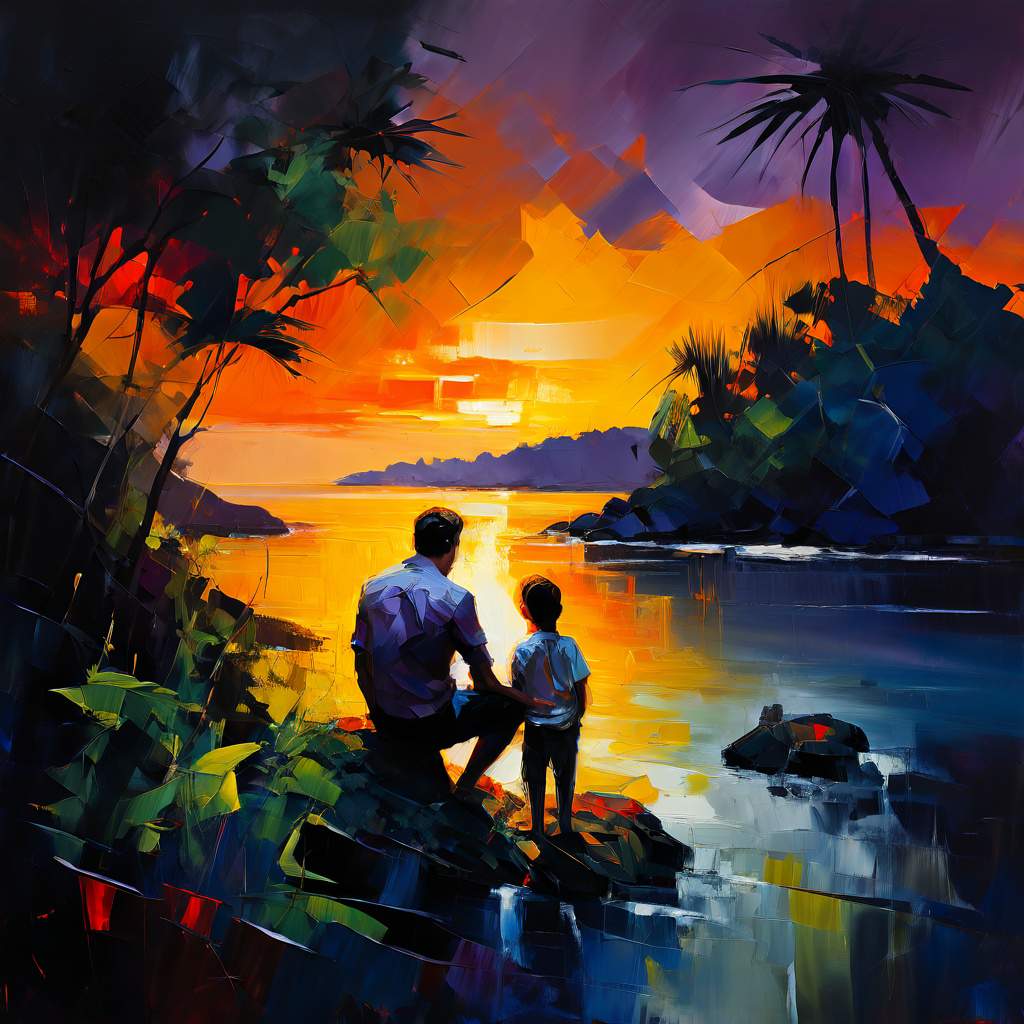
During the sixth episode of the current season, viewers learn that Hiroshi Randa’s absence stemmed from circumstances far more complex than simple workaholism or professional obsession. The installment opens with a carefully placed flashback set two weeks prior to the character’s tragic death, placing father and son Kentaro on Skull Island’s shores as they share a rare quiet bonding moment over beers. This sequence occurs specifically on the eve of their dangerous mission to rescue Cate and her companions from Axis Mundi, the mysterious realm existing between Earth’s surface and the Hollow Earth that has served as a central location for the season’s supernatural elements.
The critical revelation emerges organically through this father-son exchange: Hiroshi himself had previously become trapped within Axis Mundi during the chaotic period following Godzilla’s emergence. This discovery finally explains the chronological discrepancy that plagued season one, where Hiroshi vanished for over a year after the San Francisco attack only to reappear months later in Africa with no clear explanation provided to his children. According to the episode’s carefully constructed explanation, the character discovered a temporal rift in Alaska during the immediate aftermath of G-Day and spent what subjectively felt like merely a day or two navigating the interior of Axis Mundi. However, due to the temporal distortions governing that dimension, his brief sojourn translated to a full year passing on the surface world, creating the mysterious gap that drove Cate and Kentaro’s season one investigation.
This narrative retcon adds significant nuance to Kentaro’s relationship with his father and reframes the entire Randa family dynamic. Previously, Kentaro operated under the painful assumption that Hiroshi had deliberately abandoned him in favor of Monarch obligations and scientific obsession. The new information suggests Hiroshi’s absence was largely unintentional imprisonment rather than calculated neglect, fundamentally altering how audiences and characters must interpret the patriarch’s complicated legacy. The revelation arrives during Hiroshi’s funeral, forcing Kentaro to process this new understanding while simultaneously grieving his father’s recent death during Titan X’s destructive rampage through Santa Soledad.
Dual Timeline Storytelling and Narrative Structure
Monarch: Legacy of Monsters continues to employ an ambitious narrative structure that weaves between distinct time periods, requiring viewers to maintain awareness of multiple character generations simultaneously. When season two commenced, the series faced the creative challenge of continuing its split-timeline format while maintaining narrative coherence across decades of in-universe history. The showrunner Chris Black and the writing staff resolved this structural puzzle through strategic backfilling, introducing entire storylines set during the 1950s and beyond that were not witnessed or referenced during the first season’s initial run.
This narrative device allows the 1950s-set storyline featuring Bill Randa, Keiko Randa, and Lee Shaw to encounter Titan X in its original awakening, a creature that subsequently returns to create havoc in the present-day narrative thread. The series applies a similar retroactive approach to Hiroshi’s arc, filling in significant gaps from his recent past to contextualize his present-day actions and relationships. While this technique has enabled expanded world-building and deeper characterization, the timing of Hiroshi’s specific revelation—arriving one week after viewers witnessed his violent death during Titan X’s rampage in Santa Soledad—has drawn critical notice for its potentially diminished emotional impact due to late placement in the character’s journey.
The flashback-heavy structure presents both unique opportunities and inherent limitations for the storytelling approach. On one hand, it enables the writers to constantly recontextualize present-day events through the lens of previously unseen historical moments, creating a mystery-box atmosphere that rewards attentive viewing. On the other hand, delivering crucial character answers after a figure’s demise risks reducing the emotional resonance of those revelations, as the deceased individual can no longer react to, grow from, or be redeemed by the new information. This structural choice exemplifies one of the primary challenges facing mythology-heavy streaming series: balancing immediate emotional payoff with long-term mystery construction.
Balancing Human Drama and Monster Mayhem
Showrunner Chris Black and the writing staff have maintained a clear creative commitment to grounding their kaiju spectacle in recognizable human emotion and family dynamics. While the series certainly delivers on its marketing promise of Titan spectacle and massive creature confrontations, episode six demonstrates the creative team’s particular dedication to exploring how these world-shattering monsters affect individual lives, family bonds, and personal grief.
The episode functions as a memorial service not only for Hiroshi as a character but for the emotional weight carried by the surviving members of the fractured Randa family. Following the heartbreaking conclusion of the previous installment “Furusato,” which depicted Hiroshi’s death, “Requiem” deliberately slows its narrative pacing to examine grief, remembrance, and the complex feelings inspired by flawed parental figures. A particularly poignant scene occurs roughly halfway through the episode, when Cate and Keiko share a quiet moment gazing at the night sky away from the immediate crisis. Their conversation draws careful parallels between the light of stars long extinguished and their lasting memories of Hiroshi, using celestial imagery to process their shared loss and family history.
This consistent focus on character interiority inevitably creates tonal tension with the series’ action-oriented premise and genre expectations. For viewers anticipating sustained monster mayhem and destruction sequences, these contemplative, dialogue-heavy sequences might register as narrative deceleration or momentum loss. However, the approach serves a crucial function in establishing stakes beyond simple property damage and casualty statistics. By emphasizing the human-sized protagonists and their emotional journeys, the show attempts to answer why audiences should invest emotionally in a world where metropolitan areas regularly crumble beneath Titan feet, and how ordinary people process living alongside forces beyond their comprehension or control.
Episode Context and Streaming Information
“Requiem” arrives as the sixth installment of Monarch: Legacy of Monsters’ sophomore season, streaming exclusively on Apple TV+ as part of the platform’s genre programming lineup. The episode’s placement in the season’s back half positions it as a pivotal transition point between initial setup and impending escalation, balancing character development with mythology advancement.
Key details regarding the season’s release structure and episode specifics include:
- Episode Title: “Requiem”
- Streaming Platform: Apple TV+
- Release Pattern: New episodes debut weekly on Fridays
- Key Locations: Skull Island (flashback sequences), Santa Soledad (present-day Titan X attack aftermath), Axis Mundi (interdimensional realm and time dilation source)
- Timeline Mechanics: Reveals temporal distortion effects where Axis Mundi time moves differently than surface world time
- Character Status: Hiroshi Randa confirmed deceased (Titan X victim), funeral services held
The installment concludes with a narrative cliffhanger suggesting complicated timeline mechanics and potential reality-warping events will play an increasingly prominent role in the season’s remaining episodes. While episode six prioritizes character mourning and family reconciliation over creature feature set pieces, the ending hints at significant temporal complications approaching that may satisfy viewers craving more interdimensional stakes alongside their traditional monster action.
What’s After the Movie
For fans tracking the expanding MonsterVerse across film and television platforms, comprehensive resources like What’s After the Movie provide essential coverage of franchise developments and industry context. The site offers detailed episode breakdowns for streaming series, box office analysis for theatrical releases, and spoiler-free summaries for viewers wanting to navigate complex mythology without advance reveals. Whether you’re catching up on Monarch: Legacy of Monsters after new episodes drop on Fridays, researching connections to the broader Godzilla and Kong cinematic universe, or exploring collection lists for the franchise, you can find additional analysis and streaming guides at what’safterthemovie.com.