What's After the Blog?
news • industry
Masters of the Universe: Genesis Comic Reveals Skeletor Origins This August
Dark Horse Comics and Mattel have announced Masters of the Universe: Genesis, a 12-issue comic series debuting August 5 that explores the origins of Skeletor and the history of Eternia. The announcement comes as the franchise builds momentum toward the upcoming live-action film starring Nicholas Galitzine and Jared Leto.
April 22, 2026
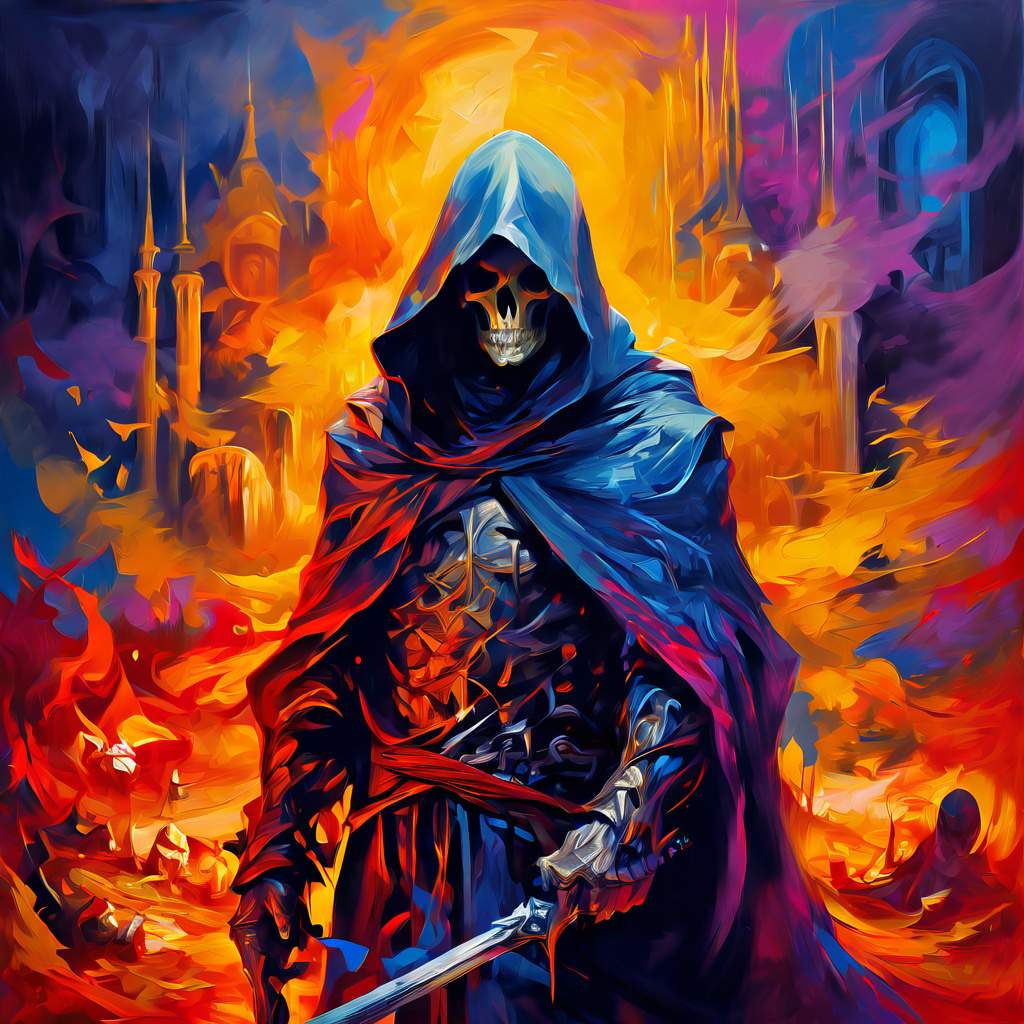
Masters of the Universe: Genesis Comic Reveals Skeletor Origins This August
The Masters of the Universe franchise continues its aggressive multimedia expansion with a canonical deep dive into its sword-and-sorcery mythology. Dark Horse Comics has partnered with Mattel to produce Masters of the Universe: Genesis, a twelve-issue limited series that promises to explore the hidden histories of Eternia’s most powerful heroes and villains. Slated to debut on Wednesday, August 5, the comic arrives as a strategic bridge between the property’s animated legacy and an upcoming live-action theatrical release, offering readers new canonical material that fleshes out the world of He-Man while standing as a distinct creative work.
The announcement confirms Mattel’s comprehensive strategy to maintain brand momentum across multiple platforms during a critical year for the franchise. While the live-action film prepares for its June theatrical debut, this comic series represents a parallel effort to enrich the lore that has sustained the property since its 1980s inception. By focusing on origin stories rather than contemporary adventures, Genesis aims to attract both longtime collectors familiar with the complexities of Eternian royal lineage and newer audiences introduced through recent Netflix animated revivals.
The Genesis Announcement: A 12-Issue Expansion of Eternia
Dark Horse Books enters the Masters of the Universe publishing landscape with an ambitious mandate that extends far beyond a simple tie-in. The Genesis series will span twelve monthly issues, each contributing to a larger tapestry of backstory that recontextualizes the ongoing conflict between Castle Grayskull’s defenders and the Evil Warriors. This commitment represents one of the most substantial comic endeavors for the franchise in recent years, suggesting Mattel views this as a permanent addition to the canon rather than a limited promotional vehicle designed solely to advertise the film.
The collaboration aligns with broader corporate efforts to treat Masters of the Universe as a transmedia property comparable to other major toy-based franchises. Alongside the comic announcement, Mattel has confirmed development of a new action figure line designed specifically to coincide with the theatrical movie’s release. The comic series serves a similar function to these collectibles, providing narrative artifacts that deepen investment in the characters before audiences return to theaters. By August, when the first issue hits stands, the live-action movie will have already introduced the property to its widest theatrical audience in decades, potentially driving significant traffic to comic shops and digital platforms carrying the Dark Horse release.
Skeletor’s Secret History: From Keldor to Demon-Mage
The initial three-issue arc centers exclusively on Skeletor, the franchise’s most recognizable antagonist and self-proclaimed would-be “Master of the Universe.” Written by Rich Douek with interior art by Gavin Smith, these opening chapters promise to reveal how the skull-faced sorcerer evolved from his earliest incarnation into the throne-obsessed villain who has plagued Eternia for generations. The official synopsis for issue #1 establishes the character as a “power-hungry demon-mage” whose singular focus involves seizing control of Castle Grayskull’s ancient secrets and conquering the planet.
This exploration enters complicated narrative territory for dedicated fans who have followed the franchise through multiple iterations. Previous expanded universe materials, including mini-comics from the original toy line and subsequent animated series, established Skeletor’s original identity as Keldor, the half-brother of King Randor and uncle to Prince Adam. This familial connection provided the character’s philosophical motivation—his belief that the throne of Eternia represents his birthright, denied to him due to his disfigurement and magical corruption. Whether Genesis maintains this specific backstory or introduces alternative mythology remains deliberately ambiguous in early promotional materials. The comic’s description emphasizes his demonic nature over his human origins, suggesting possible reinterpretation or additional magical elements that predate his existence as Keldor.
The decision to focus on Skeletor as the launchpad for the series makes substantial marketing sense. As one of the most iconic animated villains of the 1980s—alongside contemporaries like Cobra Commander and Megatron—Skeletor carries recognition value that transcends the franchise’s core fanbase. His distinctive design and theatrical villainy have ensured his persistence in pop culture consciousness even as the He-Man property experienced dormant periods between major releases.
Creative Roster and Visual Approach
Beyond the core creative team of Douek and Smith, Dark Horse has assembled a diverse lineup of talent to carry the series through its full twelve-issue run. The artistic direction splits between multiple cover artists and interior illustrators, offering varied interpretations of the muscular fantasy aesthetic that defines the brand while maintaining consistency through the color palette and world-building details.
Mark Buckingham, acclaimed for his detailed work on Fables and various DC and Marvel superhero titles, provides the primary cover for issue #1. Meanwhile, a variant cover by Lee Bermejo presents Skeletor and his elite Evil Warriors in a starkly photorealistic style that contrasts with the more traditional comic art inside. Interior pages feature line work by Gavin Smith, with colors by Fabi Marques completing the visual package. Early looks at uncolored interior pages suggest a detailed approach to the fantasy environments of Eternia, emphasizing the gothic architecture of Snake Mountain alongside the heroic vistas surrounding Castle Grayskull.
Future arcs will rotate through several established writers from across the comics industry:
- Cavan Scott, known for Star Wars: The High Republic and various Doctor Who comics
- Nick Roche, veteran of IDW’s Transformers line including Last Stand of the Wreckers
- John Harris Dunning, creator of Salem Brownstone
- Giovanni LaPietra, with credits including Red Sonja
- Tiffany Smith, who transitions from voice acting (she portrayed Andra in Masters of the Universe: Revelation) to comic writing, having previously authored a one-shot featuring her character
This rotating creative approach suggests each story arc may focus on different characters or time periods, potentially moving beyond Skeletor’s origins to examine other figures such as He-Man himself, Teela, Man-At-Arms, or the various members of Skeletor’s villainous entourage once the initial three-issue storyline concludes.
Transmedia Momentum: Animation, Film, and Print
The Genesis comic arrives during a particularly active period for the franchise that has seen multiple reinterpretations across streaming platforms. Following the success of ND Stevenson’s She-Ra and the Princesses of Power reboot and Kevin Smith’s adult-oriented Masters of the Universe: Revelation—both Netflix exclusives that reintroduced the property to modern audiences with distinct tonal approaches—Mattel now pivots toward theatrical legitimacy with the live-action adaptation.
Directed by Travis Knight, whose previous work includes Bumblebee and Kubo and the Two Strings, the film stars Nicholas Galitzine as He-Man in a reportedly tone-conscious approach that embraces the source material’s inherent camp while delivering blockbuster spectacle. The casting of Jared Leto as Skeletor has generated significant conversation within fan communities, particularly after the first trailer offered audiences a preview of his vocal interpretation of the character. Some reactions have been skeptical regarding the voice work presented, making the comic’s August release a potentially crucial secondary touchpoint for fans seeking alternative takes on the villain following the film’s June debut.
This coordination between film and print represents standard operating procedure for modern franchise management, but it carries specific weight for a property that originated as a toy line supported by animated advertisement. By releasing Genesis after the movie rather than simultaneously, Dark Horse and Mattel avoid direct competition for consumer attention while ensuring the comic benefits from renewed mainstream awareness. The strategy positions the comic series as supplemental reading for those leaving theaters with questions about Eternia’s deeper history, particularly regarding the skull-faced sorcerer who serves as the primary antagonist.
What’s After the Movie
What’s After the Movie serves as your comprehensive guide to entertainment industry developments, from breaking news on upcoming productions to detailed explorations of classic franchise lore. Whether you are researching release dates for major blockbusters, browsing our curated movie collections, or analyzing the latest box office performances, our platform provides the context and coverage you need. Stay connected with us for continued updates on Masters of the Universe and all your most anticipated film and television properties.
Continue reading




What's After the Movie?
Not sure whether to stay after the credits? Find out!
Check out our other apps:

SAT Sphere
Build confidence for the Digital SAT.

Mori Atlas
Discover wild places worth protecting.

Luntero
Search smarter for a home in Amsterdam.

Plot Explained
Unravel movie endings and hidden clues.

Pokechamp
Dive into Pokémon data and battle logic.

Driving Theory
Get ready for your European theory test.

Movie Dust
Plan your next cinema trip with ease.

Musemap
Find art and culture as you travel.

Selkobase
Compare credentials before committing.

Local Manual
Turn an unfamiliar country into practical next steps.

Lernavi
Compare school systems before your next move.

GymRoam
Find a workout stop wherever your plans take you.
Explore Our Movie Platform
New Movie Releases (2026)
Famous Movie Actors
Top Film Production Studios
Movie Plot Summaries & Endings
Major Movie Awards & Winners
Best Concert Films & Music Documentaries
Movie Collections and Curated Lists
© 2026 What's After the Movie. All rights reserved.
Privacy Policy