What's After the Blog?
news • industry
Killers of the Flower Moon Criterion Release Reveals Scorsese's Vision
The Criterion Collection has released a 4K edition of Martin Scorsese's "Killers of the Flower Moon," featuring an in-depth documentary exploring the director's intention to discomfort audiences through the film's morally complex narrative. The release highlights Leonardo DiCaprio's shift from the FBI agent role to the morally conflicted Ernest Burkhart and Lily Gladstone's award-winning performance as Mollie.
April 3, 2026
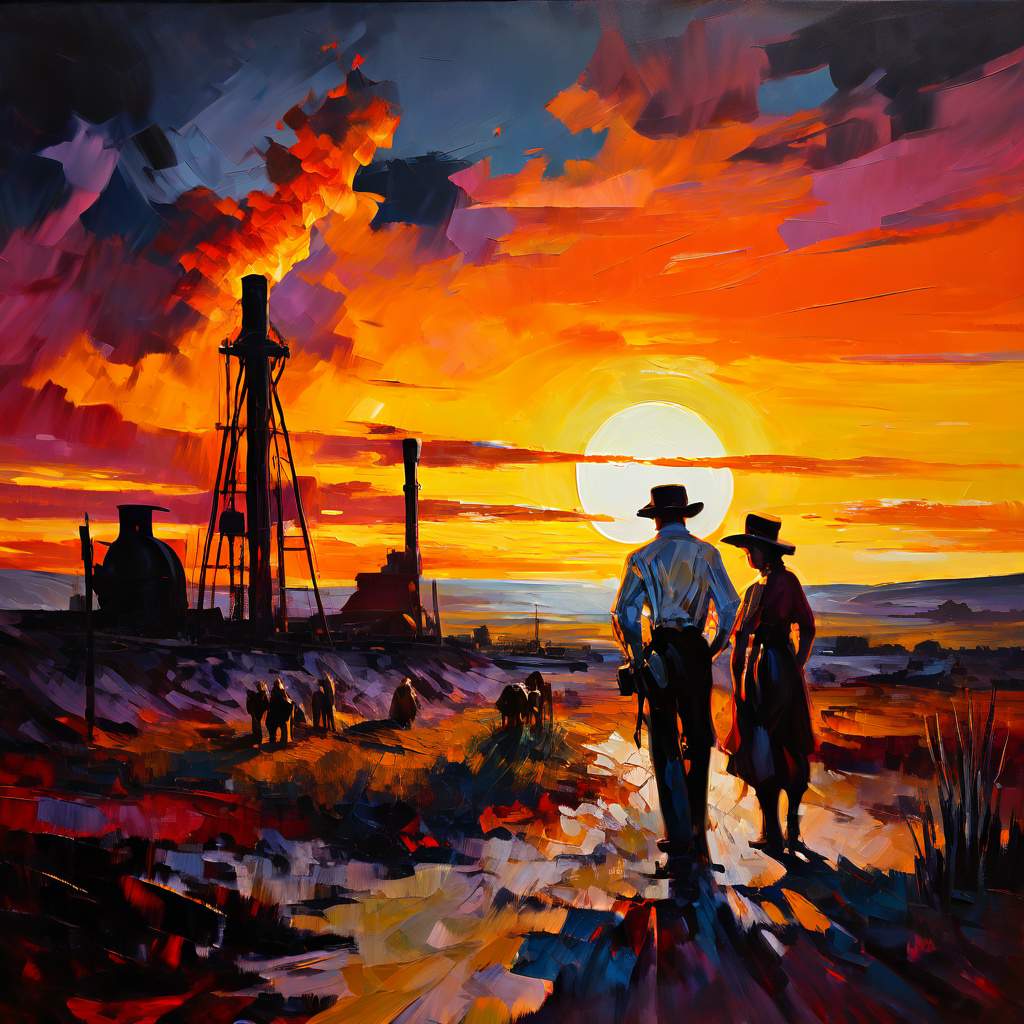
Killers of the Flower Moon Criterion Release Reveals Scorsese’s Vision
Martin Scorsese’s sweeping Western epic “Killers of the Flower Moon” has received a definitive domestic physical release through The Criterion Collection, offering a newly remastered 4K edition accompanied by extensive supplemental materials. The nearly four-hour crime drama, which adapts David Grann’s non-fiction account of the Osage murders in 1920s Oklahoma, arrives with a revealing making-of documentary that delves into the director’s calculated strategy to make audiences sit with profound discomfort. This latest release provides cinephiles and newcomers alike with unprecedented access to the creative decisions behind one of Scorsese’s most challenging works, particularly regarding the morally ambiguous performances from Leonardo DiCaprio, Robert De Niro, and Lily Gladstone.
The Criterion Collection Edition and Exclusive Documentary
The Criterion Collection’s new 4K release of “Killers of the Flower Moon” positions the film as an essential addition to physical media libraries, packaged with a comprehensive documentary exploring the production’s difficult subject matter. The special features include extensive interviews with Scorsese, his cast, and key crew members reflecting on the responsibility of depicting historical atrocities with unflinching honesty. This supplemental content reveals how the filmmaking team approached the true story of systematic murder with a specific intention: ensuring viewers feel the full weight of the narrative’s disturbing implications rather than seeking traditional crowd-pleasing catharsis. The release captures the epic scope of the film’s runtime—approaching four hours—while providing context for why Scorsese insisted on such a lengthy, immersive experience to convey the story’s gravity.
Key features of the Criterion Collection release include:
- A new 4K digital transfer presenting the film’s epic visual scope
- An extensive documentary featuring interviews with Scorsese, DiCaprio, De Niro, and Gladstone
- Behind-the-scenes footage exploring the challenges of the nearly four-hour runtime
- Discussion of the historical Osage murders and their cinematic adaptation
- Analysis of the moral complexity central to Scorsese’s directorial approach
Historical Context: The Osage Murders and Oil Wealth
Set in the aftermath of World War I, the film tracks the horrifying series of murders targeting members of the Osage Nation, who had become extraordinarily wealthy after discovering their Oklahoma land was rich in oil deposits. Unlike many displaced Indigenous communities, the Osage had purchased their land, retaining mineral rights that generated immense fortune—wealth that attracted lethal greed from local white residents. At the center of the conspiracy sits William King Hale, portrayed by Robert De Niro, a cattleman who cultivated relationships with the Osage while secretly orchestrating murders to seize their wealth through calculated schemes. The narrative unfolds primarily through the perspective of Hale’s nephew, Ernest Burkhart, played by DiCaprio, who becomes entangled in his uncle’s murderous plotting despite forming genuine emotional bonds with the community he helps destroy.
Scorsese’s Philosophy of Moral Discomfort
The making-of documentary illuminates Scorsese’s refusal to traffic in simple villainy, instead crafting characters who embody terrifying moral contradictions. Regarding De Niro’s portrayal of Hale, Scorsese notes that the character “really loved the Osage and they loved him,” a dynamic that makes his violence all the more chilling because he believes his own justifications for entitlement. This approach extends to Ernest, whose complicity in the murders exists alongside his complex emotional life, creating what Scorsese describes as the film’s central challenge: exploring whether someone can simultaneously love their wife and participate in killing her family members. The director and DiCaprio share what Scorsese calls an aversion to comfort, with the actor unwilling to make the character easily digestible or sympathetic. As Scorsese explains in the documentary, both he and DiCaprio seek “the real truth of human nature,” even when that truth proves deeply unsettling to witness.
Casting Evolution: From Lawman to Complicit Killer
One of the most significant revelations in the Criterion materials involves the evolution of DiCaprio’s role, which originally cast him as Tom White, the FBI agent investigating the murders. DiCaprio ultimately determined that Ernest presented a far more compelling dramatic challenge, prompting a substantial script restructure that relegated White to a supporting character played by Jesse Plemons. This shift transformed the film from a straightforward procedural into an intimate character study of moral degradation.
The key cast members and their final roles include:
- Leonardo DiCaprio: Ernest Burkhart, Hale’s nephew and the film’s morally conflicted protagonist
- Robert De Niro: William King Hale, the orchestrator of the murders who believes his own justifications
- Lily Gladstone: Mollie Burkhart, Ernest’s wife and an Osage woman targeted by the conspiracy
- Jesse Plemons: Tom White, the FBI agent reduced from lead to supporting investigator
DiCaprio explains that Ernest’s awareness of “tremendous wealth in the family” while maintaining genuine feelings for Mollie created the complex dynamic that drove his interest in the role. The documentary explores how this casting change necessitated delicate narrative balancing, determining precisely how much of Ernest’s complicity to reveal to the audience at various points in the story.
The Paradox of Love and Violence
At the heart of the film lies the deeply troubled relationship between Ernest and Mollie Burkhart, portrayed by Gladstone, which the documentary reveals required careful calibration to prevent the character from appearing naive or the romance from feeling exploitative. While Ernest professes love for Mollie, he simultaneously poisons her under the guise of administering insulin for her diabetes, creating a horrifying juxtaposition of domestic intimacy and attempted murder. The film deliberately leaves ambiguous how much Ernest understands about the poisoning, though a key scene shows him injecting himself with the medication to test its effects.
In one of the film’s most devastating closing moments, Mollie asks Ernest directly whether he knew he was making her sick, and he proves incapable of answering—a silence that speaks to the character’s profound moral cowardice. Scorsese’s longtime editor Thelma Schoonmaker reveals in the documentary that DiCaprio and Gladstone worked extensively to “shape that love story,” creating scenes that would read as genuinely sweet and loving if the audience were unaware of Ernest’s lethal deceptions. This duality sits at the core of Scorsese’s unsettling vision: the idea that “maybe both things could be true,” that love and violence can coexist in the same contradictory heart.
Awards Recognition and Critical Reception
The Criterion release arrives following a significant awards season for the film, particularly recognizing Lily Gladstone’s performance as Mollie, which earned her a Golden Globe victory and an Academy Award nomination for Best Actress. Gladstone’s portrayal required her to spend substantial portions of the narrative physically weakened and bedridden while conveying deep emotional resilience and complex romantic attachment to a man plotting her demise. Both Gladstone and DiCaprio reportedly entered the production concerned that conveying this specific love story might prove “an impossible task” that would fail to connect with audiences or feel authentic. Critics and awards voters ultimately validated their approach, with many considering Gladstone’s performance among the year’s finest, though the documentary suggests the actors maintained their uncertainty about the character dynamics throughout production.
What’s After the Movie
If you’re looking to explore more about complex cinematic narratives and award-winning performances, What’s After the Movie offers comprehensive coverage of films like “Killers of the Flower Moon.” Our platform provides detailed movie summaries, ending explanations, and spoiler-free reviews to help you dive deeper into challenging stories. You can browse our complete film database at https://www.whatsafterthemovie.com/movies or catch up on the latest industry news and box office analysis at https://www.whatsafterthemovie.com/blog. Whether you’re tracking awards season contenders or discovering classic cinema through new Criterion releases, we provide the context and analysis you need to appreciate the art of filmmaking.
Continue reading



What's After the Movie?
Not sure whether to stay after the credits? Find out!
Check out our other apps:

SAT Sphere
Build confidence for the Digital SAT.

Mori Atlas
Discover wild places worth protecting.

Luntero
Search smarter for a home in Amsterdam.

Plot Explained
Unravel movie endings and hidden clues.

Pokechamp
Dive into Pokémon data and battle logic.

Driving Theory
Get ready for your European theory test.

Movie Dust
Plan your next cinema trip with ease.

Musemap
Find art and culture as you travel.

Selkobase
Compare credentials before committing.

Local Manual
Turn an unfamiliar country into practical next steps.

Lernavi
Compare school systems before your next move.

GymRoam
Find a workout stop wherever your plans take you.
Explore Our Movie Platform
New Movie Releases (2026)
Famous Movie Actors
Top Film Production Studios
Movie Plot Summaries & Endings
Major Movie Awards & Winners
Best Concert Films & Music Documentaries
Movie Collections and Curated Lists
© 2026 What's After the Movie. All rights reserved.
Privacy Policy