What's After the Blog?
feature • analysis
5 Forgotten '70s Westerns That Still Hold Up Today
While the 1970s New Hollywood era favored gritty crime dramas and blockbusters over horse operas, the decade produced several overlooked Western gems that rejected romanticized frontier mythology. These five forgotten films from the 1970s offer cynical perspectives, moral complexity, and stylish action that remain compelling for modern audiences.
March 9, 2026
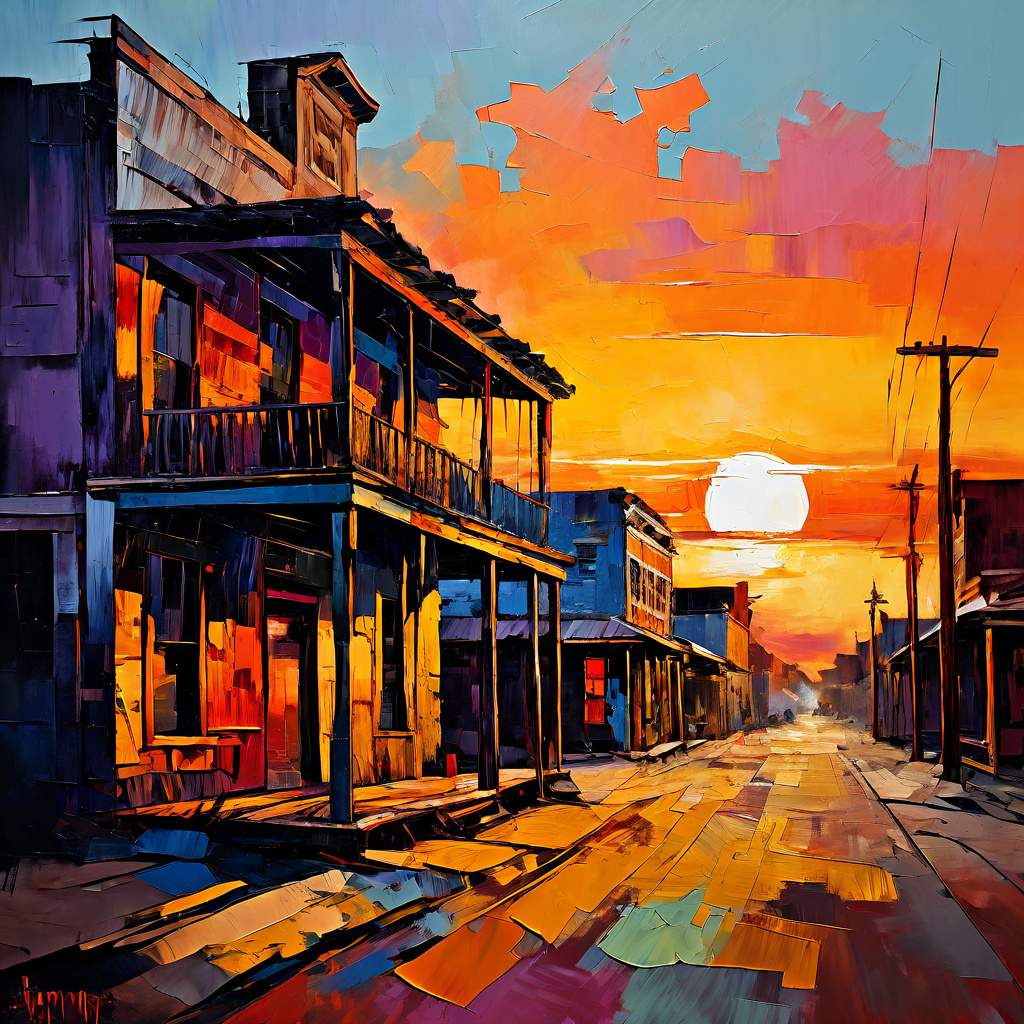
5 Forgotten ’70s Westerns That Still Hold Up Today
The 1970s marked a transformative period for American cinema, yet Westerns struggled to maintain their Golden Age prominence as audiences gravitated toward New Hollywood blockbusters like “The Godfather” and “Jaws.” While the decade’s most celebrated films broke ground in crime dramas and science fiction, filmmakers working in the Western genre began dismantling the romanticized myths of the Old West. These overlooked productions traded straightforward heroism for gritty realism, offering cynical, violent perspectives on frontier life that challenged traditional genre conventions and remain remarkably compelling for contemporary viewers.
The Cynical Revolution of 1970s Westerns
Unlike their Golden Age predecessors, which often portrayed the frontier as a land of opportunity where noble heroes saved the day, 1970s Westerns embraced moral ambiguity and graphic violence. These films frequently explored the dying days of the Old West, examining how civilization gradually replaced lawlessness while questioning the very myths that built the genre. The result was a collection of movies that felt more like historical correctives than celebrations of manifest destiny, presenting protagonists as flawed relics struggling to adapt to changing times.
This shift reflected broader cultural anxieties, with some productions serving as allegories for contemporary conflicts. Rather than depicting clear-cut battles between virtuous sheriffs and black-hatted outlaws, these stories presented conflicts where suffering and sadism affected all participants, painting characters in morally grey shades even when their actions proved truly evil.
The Last Hard Men: Relics of a Changing Frontier
Andrew V. McLaglen’s “The Last Hard Men” embodies the decade’s fascination with aging warriors facing obsolescence. The film centers on Samuel Burgade, a retired lawman portrayed by Charlton Heston, who struggles to adjust to quiet domestic life until an old enemy forces him back into action. When the villainous Zach Provo, played by James Coburn, escapes from prison with his outlaw gang, he seeks revenge against the former lawman who put him away.
The film opens with a visceral prison break sequence that establishes its gritty tone, featuring Provo stabbing a guard while a chain gang works the railway. This immediately signals that viewers should expect dirt-under-the-nails action rather than romanticized horse opera. Beyond its violent set pieces, the movie serves as a fascinating character study about relics confronting a changing world, with Heston’s trademark stoicism perfectly suited to a man out of time. The supporting cast, including Thalmus Rasulala and Michael Parks, adds depth to this tale of men unable to escape their violent pasts.
Ulzana’s Raid: A Bleak War Allegory
Robert Aldrich’s “Ulzana’s Raid” stands as perhaps the most unflinching entry in this collection, offering a shockingly bleak perspective that functions as an allegory for the Vietnam War. Starring Burt Lancaster and Bruce Davison, the film chronicles the conflict between American Cavalrymen and Apache warriors, though it deliberately rejects the jingoistic romanticism common to earlier Westerns. Instead, Aldrich presents a nihilistic portrayal of war that explores the savagery inherent on all sides of a militarized regime fighting rebellious insurgents.
The narrative functions more as a war film than a traditional Western, questioning who truly benefits from endless cycles of violence. Characters commit truly evil acts, yet the film encourages viewers to examine the underlying issues driving such behavior rather than simply condemning the perpetrators. This morally complex approach rejects easy answers, suggesting that conflicts breed suffering that extends far beyond the battlefield. For audiences seeking optimism or heroic triumph, this film offers neither, instead providing an unglamorous account of America’s dark past within its own borders.
Breakheart Pass: Mystery on the Rails
Tom Bries’ “Breakheart Pass” demonstrates how the decade’s Westerns could successfully hybridize genres, combining the traditional frontier setting with Agatha Christie-style murder mystery elements. Charles Bronson stars as John Deakin, a supposed criminal being transported by law enforcement aboard a steam train where passengers begin turning up dead. As bodies accumulate, Deakin must uncover the killer’s identity while navigating the constraints of his prisoner status.
The film’s contained setting aboard a speeding locomotive creates natural tension, while Bronson’s effortless cool anchors the proceedings with his trademark mustache and quiet intensity. When the inevitable shootouts erupt, the confined quarters amplify the action’s intensity, with bodies occasionally thrown from the moving train. This overlooked gem in Bronson’s extensive filmography proves that Western settings could support more than just cattle drives and saloon showdowns, offering mystery and suspense alongside traditional gunplay.
Keoma: Italian Exploitation Excellence
The Western genre transcended American borders during the 1970s, with Italian filmmakers producing some of the decade’s most stylish entries. Enzo G. Castellari’s “Keoma” represents the pinnacle of this spaghetti Western tradition, starring Franco Nero as the titular gunslinger. The character, a half-white, half-Native Union soldier, returns from war to discover his hometown under the thumb of a vicious tyrant and his gang of enforcers—among them Keoma’s own half-brothers, who historically bullied him.
Castellari, known for action-packed exploitation cinema, brings kinetic energy to every frame, creating a formula for success when combined with Nero’s charismatic presence. The actor, already famous for “Django,” brings gravitas to a revenge narrative that delivers bullets and chaos in equal measure. The film’s stylized violence and operatic tone distinguish it from its American counterparts, proving that the genre’s international iterations could match or exceed their inspiration for pure cinematic excitement.
The Grand Duel: Noir-Infused Frontier Justice
Giancarlo Santi’s “The Grand Duel” benefits immensely from the director’s pedigree as Sergio Leone’s second unit director on “The Good, the Bad, and the Ugly” and “Once Upon a Time in the West.” Starring Western legend Lee Van Cleef as an aging sheriff, the film follows his character as he helps a wrongly accused fugitive, played by Alberto Dentice, take on the men who want him dead. While the premise might sound derivative, the execution rises above standard revenge fare through tongue-in-cheek humor and noir-style detective elements.
Van Cleef, one of cinema’s most iconic Western performers, brings his trademark squint and gravitas to a role that plays with audience expectations of the aging gunslinger archetype. The film’s stylized violence and clever narrative twists create a bridge between the spaghetti Western tradition and emerging New Hollywood sensibilities. Fans of Leone’s masterpieces will recognize Santi’s visual composition and rhythmic editing, making this an essential entry for completists of the genre’s golden age.
Rediscovering These Overlooked Gems
These five films represent a fraction of the innovative Westerns produced during the 1970s, a decade when the genre quietly reinvented itself while Hollywood celebrated other revolutions. From train-bound mysteries to nihilistic war allegories, these movies expanded what Westerns could address while maintaining the genre’s core appeal of rugged individualism and moral testing. Modern audiences discovering these titles will find surprisingly contemporary themes regarding the costs of violence, the failures of institutional justice, and the difficulty of escaping one’s past.
Key Films Mentioned:
- The Last Hard Men – Directed by Andrew V. McLaglen; starring Charlton Heston, James Coburn, Thalmus Rasulala, and Michael Parks
- Ulzana’s Raid – Directed by Robert Aldrich; starring Burt Lancaster and Bruce Davison
- Breakheart Pass – Directed by Tom Bries; starring Charles Bronson
- Keoma – Directed by Enzo G. Castellari; starring Franco Nero
- The Grand Duel – Directed by Giancarlo Santi; starring Lee Van Cleef and Alberto Dentice
Discover More Classic Cinema with What’s After the Movie
If you’re looking to explore more hidden gems from Hollywood’s past or keep up with contemporary releases, What’s After the Movie offers comprehensive coverage of cinema history and industry news. From detailed movie summaries and ending explanations to box office analysis and streaming guides, our platform provides everything you need to navigate the world of film. Visit our movie database to find similar titles or check out our classic film collection for more recommendations.
Continue reading



What's After the Movie?
Not sure whether to stay after the credits? Find out!
Check out our other apps:

SAT Sphere
Build confidence for the Digital SAT.

Mori Atlas
Discover wild places worth protecting.

Luntero
Search smarter for a home in Amsterdam.

Plot Explained
Unravel movie endings and hidden clues.

Pokechamp
Dive into Pokémon data and battle logic.

Driving Theory
Get ready for your European theory test.

Movie Dust
Plan your next cinema trip with ease.

Musemap
Find art and culture as you travel.

Selkobase
Compare credentials before committing.

Local Manual
Turn an unfamiliar country into practical next steps.

Lernavi
Compare school systems before your next move.

GymRoam
Find a workout stop wherever your plans take you.
Explore Our Movie Platform
New Movie Releases (2026)
Famous Movie Actors
Top Film Production Studios
Movie Plot Summaries & Endings
Major Movie Awards & Winners
Best Concert Films & Music Documentaries
Movie Collections and Curated Lists
© 2026 What's After the Movie. All rights reserved.
Privacy Policy