What's After the Blog?
news • industry
How Speed Racer Blocked The Fast and the Furious From Using Racer X Title
The original title for Rob Cohen's 2001 street racing film was "Racer X," inspired by the Ken Li article that spawned the franchise. Warner Bros. already held rights to the name for a potential Speed Racer adaptation, forcing Universal to license "The Fast and the Furious" from Roger Corman instead.
April 27, 2026
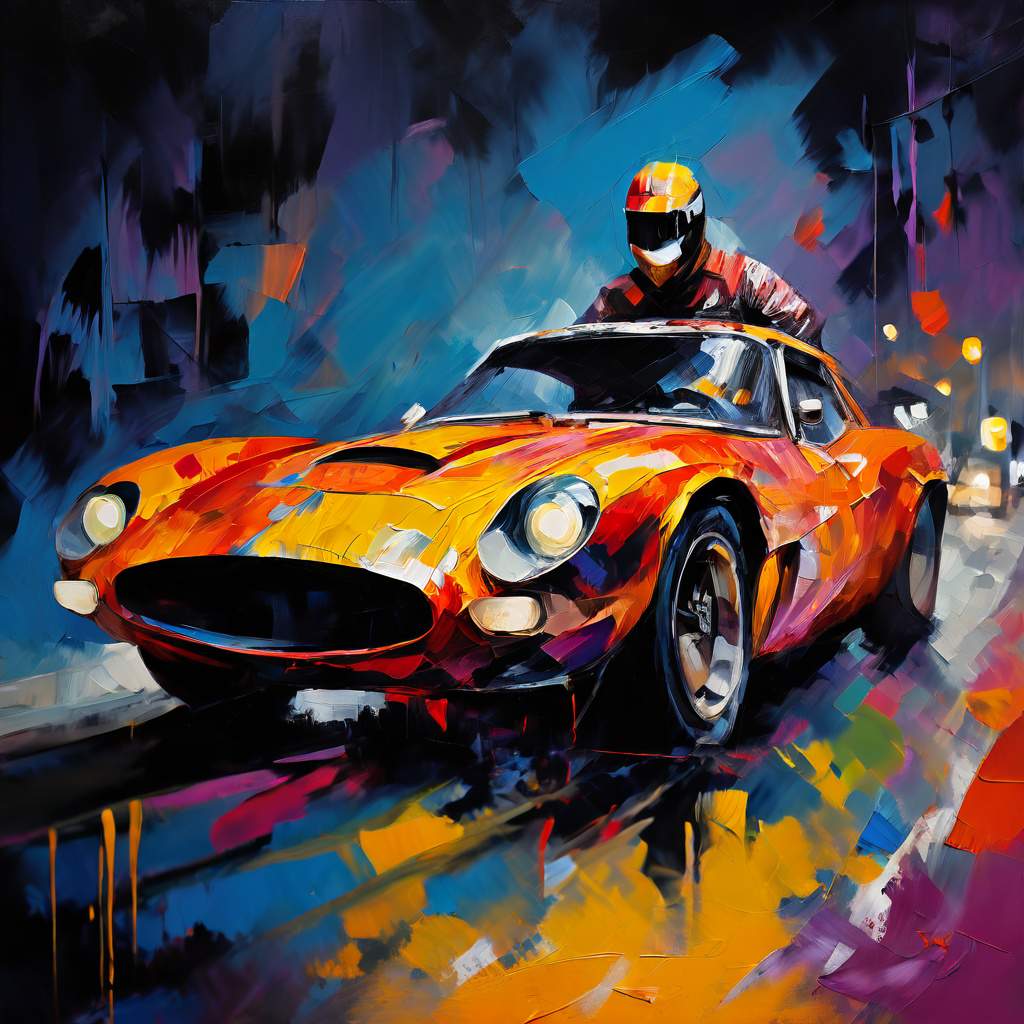
How Speed Racer Blocked The Fast and the Furious From Using Racer X Title
Before it became a multibillion-dollar global phenomenon spanning two decades, Rob Cohen’s 2001 street racing thriller faced an identity crisis that nearly saw it debut under an entirely different name. According to Barry Hertz’s 2025 film history book “Welcome to the Family,” the project that would launch Universal’s most lucrative franchise originally drew its inspiration from a Vibe Magazine article titled “Racer X,” a name that would prove legally unavailable due to competing studio rights. The path from magazine page to marquee involved rejected monikers, licensing negotiations with B-movie legend Roger Corman, and the shadow of a popular 1960s anime series that had already claimed the name for its own cinematic adaptation.
The Magazine Article That Started It All
The narrative foundation for what became “The Fast and the Furious” originated not in a screenwriter’s imagination but in the pages of Vibe Magazine. Journalist Ken Li penned an article entitled “Racer X” that explored the underground street racing scene, capturing the attention of producers who saw cinematic potential in the subculture of modified vehicles and illegal nighttime competitions. This source material provided the initial spark for the screenplay, making “Racer X” the logical and natural choice for the film’s title during early development stages.
The name carried immediate resonance with the material. It suggested mystery, velocity, and the underground nature of the racing world being depicted. For a film centered on federal agent Brian O’Conner infiltrating a crew of street racers led by Dominic Toretto, the title “Racer X” seemed to perfectly encapsulate the enigmatic quality of the speed-obsessed characters at the story’s center. However, this seemingly perfect alignment between source material and marketing would encounter a significant obstacle once legal clearance began.
When Anime Rights Blocked Hollywood
The production team’s plans to use “Racer X” as the theatrical title collapsed when they discovered that Warner Bros. had already secured the rights to the name for a different automotive property. The title character Racer X originated in “Speed Racer” (known as “Mach GoGoGo” in Japan), the groundbreaking anime series produced by Tatsunoko Productions that first aired on Fuji TV in 1967 and 1968. The series became one of the first major anime phenomena in the United States when a dubbed version entered syndication around the same period, embedding itself in American pop culture.
In the “Speed Racer” narrative, Racer X serves as the primary rival to the protagonist Speed—a mysterious, brooding masked figure whose true identity as Speed’s presumed-dead brother provides one of the series’ central dramatic reveals. Warner Bros., recognizing the cinematic potential of the property, had already licensed the “Racer X” name specifically for use in a potential feature film adaptation of “Speed Racer.” This preemptive rights hold forced Universal’s production team back to the drawing board, ultimately preventing the “Fast and Furious” franchise from launching under its original conceptual title. The character would eventually appear on screen in 2008, portrayed by Matthew Fox in the Wachowskis’ feature adaptation.
The Working Title Carousel
With “Racer X” legally unavailable, the production cycled through several alternative titles before settling on the eventual classic. According to Hertz’s research and interviews with key producers, the team considered multiple options that reflected different aspects of the street racing subculture:
-
Redline: Referencing both the finish line in drag racing and the maximum RPM limit on automotive tachometers, this title suggested pushing vehicles to their absolute limits. However, producer Neal Moritz found the term too vague for mainstream audiences. The title would eventually find use in a different context, attached to Andy Cheng’s 2007 car racing film starring Eddie Griffin and Angus Macfadyen.
-
Street Wars: Producer Marc Schmuger recalled this as a potential release title prior to Moritz’s involvement, though it lacked the specific automotive connotations the team desired.
-
Race Wars: Briefly considered but ultimately rejected as potentially problematic, this title emerged around the same time screenwriter David Ayer rewrote the screenplay to relocate the story to Los Angeles and incorporate a more racially diverse cast. The producers recognized the unfortunate implications and abandoned the option.
The Roger Corman Connection
The salvation of the project’s identity came from an unlikely source: the library of legendary B-movie producer Roger Corman. While reviewing older films for inspiration, Neal Moritz discovered Corman’s 1954 film “The Fast and the Furious,” directed by Edward Sampson and John Ireland. The original film followed a criminal on the run from the law who kidnaps a professional racer (played by Dorothy Malone) and enters her vehicle into a cross-border race to Mexico—a narrative bearing little resemblance to the 2001 remake but sharing thematic DNA regarding outlaw drivers.
Moritz negotiated a unique licensing deal with Corman, securing the title rights in exchange for providing high-quality stock footage for Corman’s other productions. Corman later noted on a podcast that the connection came through Moritz’s father, a former executive at American International Pictures (AIP), which facilitated the introduction between the producer and the title rights holder. This transaction not only solved the immediate naming crisis but established a financial precedent that would influence the franchise’s naming conventions for decades to follow.
Franchise Naming Economics
The cost of licensing Corman’s title created a financial consideration that has shaped the franchise’s identity through ten sequels. With the exception of “The Fast and the Furious: Tokyo Drift” (the third installment), none of the subsequent films have reused the original full title, likely to avoid paying additional licensing fees to Corman for each reuse. Instead, Universal has employed increasingly creative nomenclature:
- “2 Fast 2 Furious” (2003)
- “Fast & Furious” (2009)
- “Fast Five” (2011)
- “Furious 7” (2015)
- “The Fate of the Furious” (2017)
- “F9” (2021)
The final installment in the main saga, slated as “Fast Forever,” represents a fitting bookend to a franchise that almost began with a completely different identity. As Schmuger reflected regarding the title change to “The Fast and the Furious,” the serendipitous timing transformed what was initially considered a “cheesy” option into a cultural imperative, taking what was expected to be a modest street racing thriller and positioning it as an essential cinematic experience that would define automotive action cinema for a generation.
What’s After the Movie
Planning your next movie night or catching up on the full Fast and Furious saga? What’s After the Movie is your all-around destination for film information, from complete franchise summaries and box office breakdowns to spoiler-free guides and ending explanations. Track the latest industry news, watch trailers, and explore comprehensive movie collections all in one place.
Visit What’s After the Movie for the latest updates, or browse our movie lists to plan your next viewing marathon. For detailed breakdowns of your favorite franchises, check out our summary section.
Continue reading


What's After the Movie?
Not sure whether to stay after the credits? Find out!
Check out our other apps:

SAT Sphere
Build confidence for the Digital SAT.

Mori Atlas
Discover wild places worth protecting.

Luntero
Search smarter for a home in Amsterdam.

Plot Explained
Unravel movie endings and hidden clues.

Pokechamp
Dive into Pokémon data and battle logic.

Driving Theory
Get ready for your European theory test.

Movie Dust
Plan your next cinema trip with ease.

Musemap
Find art and culture as you travel.

Selkobase
Compare credentials before committing.

Local Manual
Turn an unfamiliar country into practical next steps.

Lernavi
Compare school systems before your next move.

GymRoam
Find a workout stop wherever your plans take you.
Explore Our Movie Platform
New Movie Releases (2026)
Famous Movie Actors
Top Film Production Studios
Movie Plot Summaries & Endings
Major Movie Awards & Winners
Best Concert Films & Music Documentaries
Movie Collections and Curated Lists
© 2026 What's After the Movie. All rights reserved.
Privacy Policy