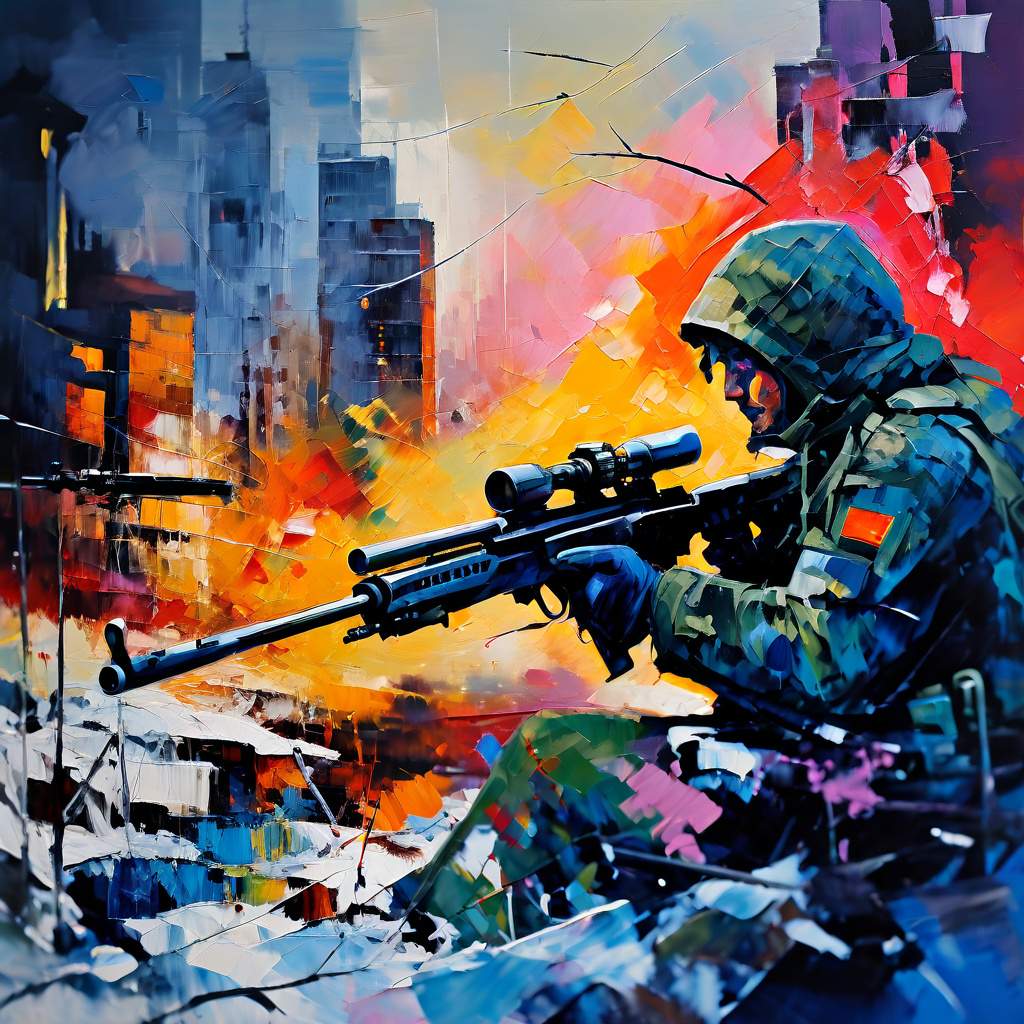
Enemy at the Gates Starring Jude Law Now Streaming on Paramount+
Originally released in March 2001, Jean-Jacques Annaud’s World War II thriller Enemy at the Gates has found new life on digital platforms. The Paramount+ library now includes this $68 million production, which dramatizes the Battle of Stalingrad through the scope of a legendary sniper duel. While the film takes significant liberties with historical records, it remains a notable entry in the early 2000s war movie canon, distinguished by its international cast and tense cat-and-mouse narrative.
A Star-Studded International Production
Annaud assembled an eclectic ensemble for this Anglo-French-German-American co-production, resulting in curious casting decisions that placed British performers in Soviet roles while assigning American actors to the German military. Coming from French filmmaker Annaud, these choices may reflect a specifically European perspective on the war’s international dynamics, avoiding the jingoism often present in American-produced WWII films. This cosmopolitan approach, however, occasionally undermines the specific national identities central to the Stalingrad narrative.
Jude Law anchors the film as Vasily Zaitsev, the celebrated Red Army sniper whose exploits became Soviet legend. He is joined by Joseph Fiennes as political officer Danilov and Rachel Weisz as fellow sniper Tania Chernova, creating a complex romantic triangle amidst the warfare. The antagonist arrives in the form of Ed Harris as Major Erwin König, the supposedly elite German sniper instructor dispatched specifically to eliminate Zaitsev. Character actor Ron Perlman appears as a seasoned Russian ally, while the late Bob Hoskins delivers a memorable turn as Nikita Khrushchev, portraying the future Soviet Premier with bombastic authority.
Key cast members include:
- Jude Law as Vasily Zaitsev
- Ed Harris as Major Erwin König
- Joseph Fiennes as Commissar Danilov
- Rachel Weisz as Tania Chernova
- Bob Hoskins as Nikita Khrushchev
- Ron Perlman as Koulikov
Historical Accuracy and the König Controversy
The screenplay adapts William Craig’s 1973 historical account, Enemy at the Gates: The Battle for Stalingrad, but takes significant creative license with the source material. While Zaitsev’s credentials as a lethal marksman—responsible for hundreds of confirmed kills—remain well-documented, his famous adversary König may exist only in Soviet propaganda. According to historical research, the German super-sniper was potentially invented by the Red Army as a formidable boogeyman to enhance Zaitsev’s heroic narrative, though Zaitsev himself claimed in his autobiography Notes of a Russian Sniper to have engaged in a three-day standoff with the mysterious figure.
The film embraces this mythology rather than documentary reality, constructing a narrative where Danilov advises Khrushchev to abandon fear-based military discipline in favor of hero worship, using Zaitsev as a propaganda tool to inspire the beleaguered Soviet troops. The film’s exploration of propaganda as a weapon of war remains its most enduring thematic element. By depicting Danilov’s calculated creation of the Zaitsev mythos, Annaud draws parallels between Soviet information campaigns and Hollywood’s own myth-making apparatus, creating a layered commentary on how heroism is manufactured during times of conflict.
However, historians note the film’s egregious errors regarding Soviet military conduct. Specific fabrications include depictions of Russian commanders locking soldiers in pens to prevent desertion—falsehoods that prompted Russian veterans to demand the film’s ban. The production also features incorrect tactical maps and geographic details that misrepresent the actual battle conditions.
Notable historical liberties include:
- The existence of Major König as a verified historical figure
- Depictions of Soviet commanders imprisoning their own troops
- Inaccurate geographic and tactical details shown on military maps
- The specific romantic subplot involving Tania Chernova
Critical Reception and Box Office Performance
Upon release, Enemy at the Gates failed to secure critical consensus, earning a 53% approval rating on Rotten Tomatoes based on 139 reviews—indicating a deeply polarized response. Writing for Variety, critic Derek Elley delivered a scathing assessment, suggesting that while war is hell, some cinematic depictions of it are equally torturous. Elley specifically criticized the film’s inability to generate dramatic tension through dialogue and pointed to “spectacular miscasting” in pivotal roles.
Conversely, Roger Ebert awarded the picture three stars, praising the structural trajectory of its combat sequences. Ebert specifically highlighted Annaud’s command of spatial continuity, comparing the film’s opening battle favorably to the visceral intensity of Saving Private Ryan. However, Ebert concurred with other detractors regarding the romantic subplot, suggesting that the love triangle between Zaitsev, Danilov, and Tania unnecessarily complicated an already taut narrative thread.
Modern reassessment has focused on the film’s technical merits, particularly the production design that recreates the rubble-strewn hellscape of Stalingrad. While the character work remains contested, the visual representation of urban warfare and the claustrophobic tension of the sniper sequences have aged more gracefully than the film’s historical fabrications.
Financially, the production proved a modest success, generating approximately $97 million in global box office receipts against its $68 million budget. However, the film struggled to cement itself in the cultural memory of American audiences, perhaps due to the absence of U.S. military characters and its perceived proximity to Soviet propaganda aesthetics. Russian audiences were notably hostile, with veterans groups condemning the picture for its historical fabrications and perceived disrespect to the actual Battle of Stalingrad.
Streaming Availability on Paramount+
Currently, subscribers can access Enemy at the Gates through Paramount+, where it sits alongside the platform’s expanding catalog of classic action and war cinema. The film’s availability offers contemporary audiences an opportunity to reassess Annaud’s work outside the shadow of its initial mixed reception. While never positioned as awards-season material—the studio clearly positioned it as populist entertainment rather than prestige drama—the movie delivers effective Saturday-afternoon thrills through its suspenseful sniper-centric set pieces.
For viewers interested in World War II history, the film serves as a reminder of how Hollywood and international co-productions negotiate historical truth with narrative convenience. Despite its documented inaccuracies, the production maintains technical proficiency in its action staging and provides a showcase for its cast, particularly Law’s intense performance and Harris’s menacing precision. Whether approached as historical curiosity or pure genre entertainment, the film offers a unique perspective on the Eastern Front rarely depicted in Western cinema.
What’s After the Movie?
If you’re discovering Enemy at the Gates for the first time or revisiting this 2001 thriller, What’s After the Movie offers comprehensive coverage of classic and contemporary cinema. Our platform provides detailed box office analysis, historical context for films based on true events, and spoiler-free summaries to help you navigate complex narratives. Explore our movie database for similar war films, check our industry news section for the latest streaming announcements, or visit our summary pages to understand the endings and historical accuracy of films like this one.