What's After the Blog?
news • box office • industry
Déjà Vu 20th Anniversary: Revisiting Denzel Washington's Overlooked Sci-Fi Thriller
Déjà Vu marks its 20th anniversary as a unique entry in Denzel Washington's filmography, having earned solid audience scores despite mixed critical reception and challenging box office competition in 2006. The Tony Scott-directed time-travel thriller, which faced off against Casino Royale during its theatrical run, remains available for rental on major digital platforms.
March 30, 2026
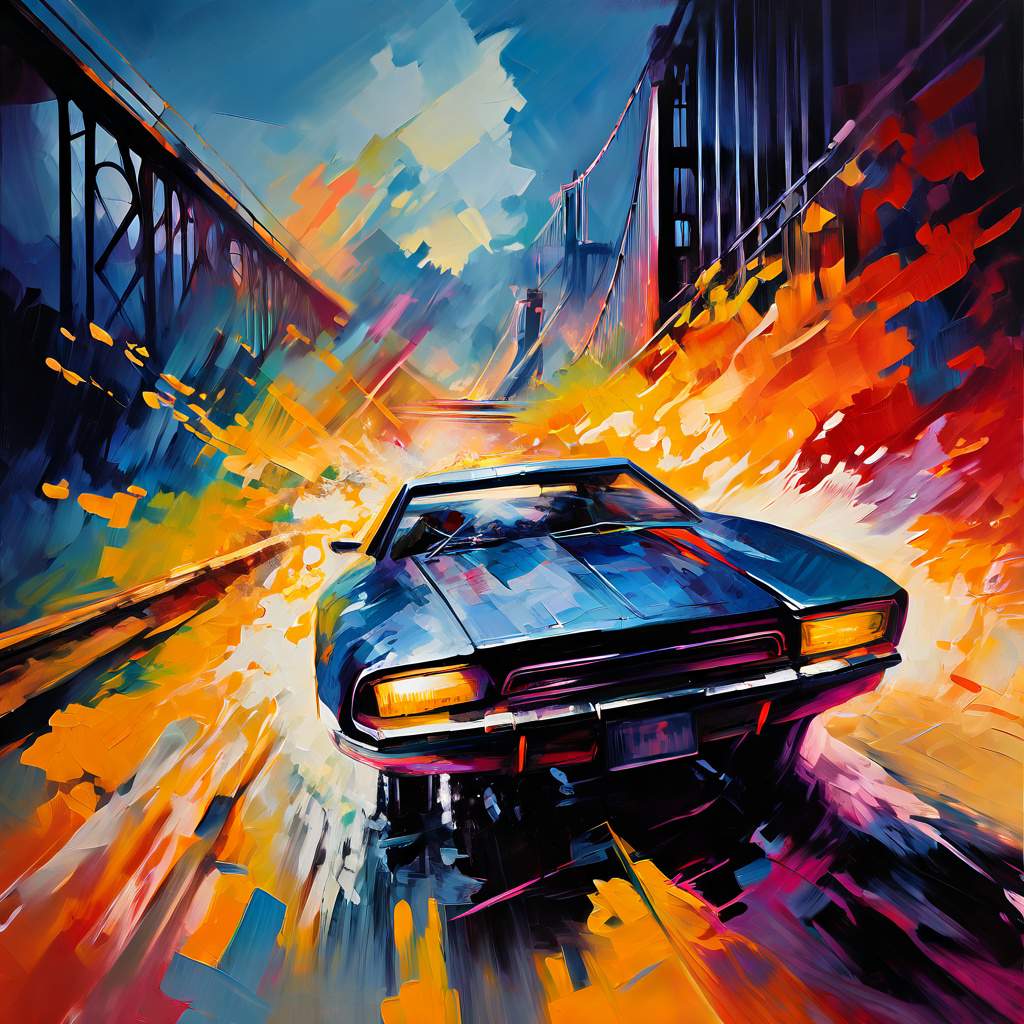
Déjà Vu 20th Anniversary: Revisiting Denzel Washington’s Overlooked Sci-Fi Thriller
Two decades have passed since Denzel Washington teamed with director Tony Scott for their fourth cinematic collaboration, delivering a time-bending action thriller that stands apart from their typically grounded fare. While Déjà Vu failed to dominate the cultural conversation upon its release, the film represents a fascinating intersection of record-breaking script sales, ambitious technological storytelling, and unfortunate release scheduling that resulted in a modest commercial performance despite inventive filmmaking.
The project emerged as an outlier in the Washington-Scott partnership, blending police procedural elements with high-concept science fiction mechanics. Unlike their previous outings focused on military protocol or urban crime, this installment introduced temporal manipulation to the mix, creating a hybrid that critics received coolly while audiences responded with considerably more enthusiasm.
The Scott-Washington Collaboration Legacy
The creative relationship between Washington and Scott began with the 1995 submarine thriller Crimson Tide, establishing a muscular, propulsive aesthetic that would define their subsequent work together. Over the course of five total collaborations, the pair developed a reputation for adrenalized, big-budget intensity that consistently delivered crowd-pleasing spectacle even when the material proved less effective than their initial outing.
Their filmography together includes:
- Crimson Tide (1995) – The foundational submarine-set classic
- Man on Fire (2004) – Revenge thriller set in Mexico City
- Déjà Vu (2006) – The sci-fi action experiment
- The Taking of Pelham 123 (2009) – Subway hostage remake
- Unstoppable (2010) – Runaway train thriller, their final film together before Scott’s death in 2012
While most of their joint efforts adhered to straightforward action templates, Déjà Vu represented a deliberate departure into speculative fiction. Scott’s visual approach—characterized by rapid editing, saturated color palettes, and kinetic camera movement—proved ideally suited to the script’s preposterous time-window concept, allowing the director to stage set pieces that literalized the collision between past and present.
Development: A Record-Breaking Spec Script
The screenplay originated from Terry Rossio, who conceived a basic time-travel premise involving a police officer investigating his girlfriend’s murder through temporal surveillance. Recognizing the need for narrative expansion, Rossio brought aboard collaborator Bill Marsilii to flesh out the concept, shifting focus toward a developing romance between the investigator and the victim as the temporal mechanics grew more complex.
After extensive revisions, the writers produced a spec script that generated significant industry heat. Producer Jerry Bruckheimer acquired the screenplay for $5 million, a figure that established a record for spec script sales at the time. The project immediately attached Scott and Washington, though the production process encountered turbulence when Scott briefly departed the film due to creative differences, necessitating additional rewrites to his specifications before cameras rolled.
Key production details included:
- Writers: Terry Rossio and Bill Marsilii (story by Rossio)
- Producer: Jerry Bruckheimer
- Budget: $75 million
- Script acquisition: Record-breaking $5 million spec sale
The final script positioned Washington as ATF Special Agent Doug Carlin, investigating a terrorist bombing of a New Orleans ferry while utilizing classified surveillance technology that actually peers several days into the past. This setup allowed for the film’s centerpiece sequence: a chase scene conducted simultaneously across two time periods, requiring the protagonist to navigate present-day traffic while pursuing suspects through the recent past.
The Casino Royale Showdown
Disney’s distribution strategy for Déjà Vu proved disastrously timed, releasing the film one week after the debut of Casino Royale, the gritty reboot of the James Bond franchise starring Daniel Craig. Studio logic at the time suggested that audiences had migrated toward the grounded, parkour-heavy aesthetic of the Jason Bourne films, potentially leaving little appetite for a Bond film attempting to balance sophistication with savage violence.
That prediction collapsed immediately. Casino Royale dominated the holiday season, accumulating $617 million in global receipts while Déjà Vu struggled to distinguish itself amid the competitive landscape. Marketed as a standard Denzel Washington action vehicle rather than a science-fiction hybrid, the film failed to reach its potential audience before getting lost in the year-end shuffle.
By the Numbers:
- Budget: $75 million
- Worldwide gross: $180.6 million (slightly above break-even)
- Metascore: 59 (mixed reviews)
- Cinemascore: A- (strong audience approval)
- Competitor gross: $617 million (Casino Royale)
The disparity between critical and audience reception proves particularly telling. While critics awarded the film a middling 59 on Metacritic, viewers assigned it an A- Cinemascore, suggesting the film possessed significant word-of-mouth potential that Disney’s release strategy failed to capitalize on. The opening weekend competition effectively neutled any momentum the picture might have generated through audience enthusiasm.
Action Innovation and Current Availability
Despite its commercial limitations, Déjà Vu showcases several technical achievements worth recognition. The film opens with the catastrophic destruction of a New Orleans ferry packed with Navy personnel and families, establishing high stakes before introducing the temporal investigation elements. The narrative centerpiece involves Washington’s character utilizing a helmet equipped with time-window technology to pursue suspects across a congested bridge, literally driving with one eye in the present and one in the past.
This sequence exemplifies Scott’s commitment to practical chaos over CGI spectacle, favoring inventively staged vehicular destruction that maintains geographical coherence even as the temporal logic strains credulity. The film’s third act delivers a twist that reframes the narrative without succumbing to the limp conclusions typical of the genre, offering an ending that prioritizes emotional resonance over strict adherence to time-travel rules.
For viewers interested in reassessing the film, Déjà Vu is currently available to rent through major digital platforms including Prime Video and Apple TV. The movie serves as an accessible middle ground between the dense theoretical approach of films like Primer and the pure spectacle of traditional action blockbusters, offering just enough heady concepts to distinguish itself while maintaining the crowd-pleasing explosions expected from a Bruckheimer production.
What’s After the Movie
Looking for more deep dives into overlooked films and box office history? What’s After the Movie provides comprehensive coverage of cinema’s hidden gems, industry analytics, and streaming availability. Explore our movie database, check current box office trends, or browse our industry news section for exclusive analysis of Hollywood’s biggest hits and most fascinating misfires.
Continue reading




What's After the Movie?
Not sure whether to stay after the credits? Find out!
Check out our other apps:

SAT Sphere
Build confidence for the Digital SAT.

Mori Atlas
Discover wild places worth protecting.

Luntero
Search smarter for a home in Amsterdam.

Plot Explained
Unravel movie endings and hidden clues.

Pokechamp
Dive into Pokémon data and battle logic.

Driving Theory
Get ready for your European theory test.

Movie Dust
Plan your next cinema trip with ease.

Musemap
Find art and culture as you travel.

Selkobase
Compare credentials before committing.

Local Manual
Turn an unfamiliar country into practical next steps.

Lernavi
Compare school systems before your next move.

GymRoam
Find a workout stop wherever your plans take you.
Explore Our Movie Platform
New Movie Releases (2026)
Famous Movie Actors
Top Film Production Studios
Movie Plot Summaries & Endings
Major Movie Awards & Winners
Best Concert Films & Music Documentaries
Movie Collections and Curated Lists
© 2026 What's After the Movie. All rights reserved.
Privacy Policy