What's After the Blog?
news • box office • industry
Windtalkers: Inside John Woo's Troubled Nicolas Cage WWII Film
John Woo's 2002 war film Windtalkers starring Nicolas Cage was a troubled production that bombed at the box office despite its $115 million budget. The movie about Navajo code talkers faced significant studio interference, post-9/11 release delays, and editorial cuts, though a 153-minute director's cut has since earned critical reappraisal.
May 10, 2026
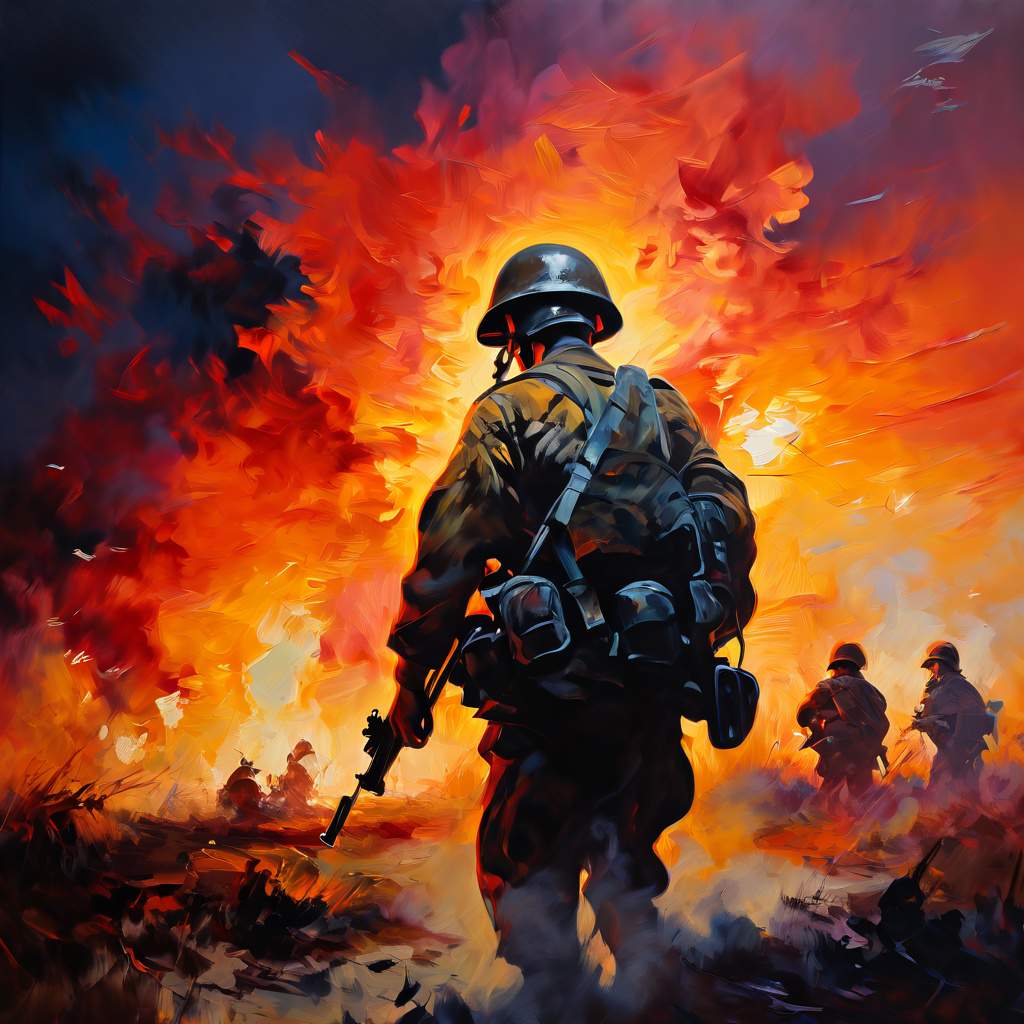
Windtalkers: Inside John Woo’s Troubled Nicolas Cage WWII Film
Two decades after its release, John Woo’s Windtalkers remains one of the most fascinating case studies in Hollywood’s complicated relationship with international filmmaking talent. The 2002 World War II epic, starring Nicolas Cage as a Marine assigned to protect a Navajo code talker, represented a high-stakes gamble for both the Hong Kong action maestro and MGM. Despite a massive $115 million budget and the reunion of Woo with his Face/Off leading man, the film became a defining example of how studio mandates, unfortunate timing, and editorial interference can derail an ambitious historical project.
The production promised to bring overdue recognition to the heroism of the Navajo Marines who created an uncrackable military code that helped turn the tide at the Battle of Iwo Jima. Yet upon release, the film was criticized for sidelining its Indigenous protagonists while failing to connect with audiences or critics. However, the existence of a longer director’s cut has fueled ongoing reappraisal of this overlooked entry in Woo’s filmography.
From Hong Kong to Hollywood: Woo’s American Transition
John Woo arrived in Hollywood as one of Hong Kong cinema’s most celebrated auteurs, having redefined action cinema with hyper-stylized classics including The Killer, Bullet in the Head, and Hard Boiled. His distinctive aesthetic drew heavily from American cinema—particularly Westerns and gangster films—yet filtered through a unique visual language that treated gunfights with what critics described as a “light-fantastic élan closer to Fred Astaire than Sam Peckinpah.”
Hollywood’s courtship of Woo followed the industry’s familiar pattern: studios eagerly imported his dazzling original sensibilities, then systematically attempted to homogenize his work. While his American debut Hard Target and follow-up Broken Arrow delivered competent action, they lacked the cathartic bloodshed and emotional depth of his Hong Kong output. The breakthrough came with 1997’s Face/Off, which finally allowed Woo to orchestrate the operatic violence and themes of friendship and honor that defined his earlier work.
Woo’s subsequent venture into franchise filmmaking—2000’s Mission: Impossible 2—proved commercially successful despite creative compromises. The sequel grossed $546 million worldwide against a $125 million budget, yet disappointed critics and longtime Woo fans with what many considered “silly set pieces” that diluted the director’s signature style. Despite this mixed reception, Woo retained A-list status, affording him the clout to pursue a passion project with serious historical weight.
Development and Production Challenges
Windtalkers emerged from Woo’s desire to explore his thematic preoccupations—friendship, honor, and sacrifice—within the sprawling canvas of World War II. The narrative centered on the classified military program utilizing Navajo soldiers to develop an unbreakable communications code based on their native language, a strategic innovation that proved crucial to American success in the Pacific Theater.
MGM invested $115 million into the production, banking on several commercial indicators that suggested a viable hit:
- Star Power: Nicolas Cage commanded the screen during a period when he remained a major box office draw for action vehicles
- Historical Significance: The relatively untold story of the code talkers offered built-in dramatic resonance and educational value
- Director Prestige: Woo’s reputation for orchestrating visually stunning action sequences
- Genre Reliability: WWII films historically performed well with adult demographics
However, fundamental tensions emerged immediately regarding the film’s focus. While Woo envisioned a thoughtful examination of cross-cultural friendship and military duty, MGM executives pushed for a straightforward patriotic action vehicle reminiscent of classic John Wayne war movies. This creative divergence would plague the production throughout principal photography, with the studio reportedly demanding a “rah-rah flag-waver” while Woo sought something more nuanced and character-driven.
Post-Production Interference and Release Delays
The production’s troubles compounded dramatically during post-production. Originally scheduled for release in November 2001, Windtalkers became collateral damage in the entertainment industry’s response to the September 11 terrorist attacks. MGM delayed the film’s premiere by seven months, pushing it to June 2002—a move that would remove the movie from awards season consideration and place it in the crowded summer blockbuster corridor.
During this delay, significant editorial alterations occurred. Studio mandates resulted in approximately 20 minutes of footage excised from Woo’s assembly cut, streamlining the narrative but potentially compromising the director’s intended character development. The editing process reportedly emphasized action set pieces over the contemplative moments exploring the relationship between Cage’s character and the Navajo soldiers.
Perhaps the most consequential decision involved the film’s narrative structure. Despite the historical reality that Navajo code talkers were the strategic linchpin of the story, Indigenous actors Adam Beach and Robert Willie were relegated to supporting roles. The screenplay instead foregrounded Cage’s Marine sergeant, a creative choice necessitated by studio demands for bankable star prominence, but one that drew criticism for undermining the very history the film purported to celebrate.
Commercial Performance and Critical Reception
When Windtalkers finally reached theaters in June 2002, the financial results proved disastrous. The film generated only $78 million in global box office receipts—far below its $115 million production budget and insufficient to cover marketing costs. The underperformance effectively ended Woo’s tenure as a go-to director for big-budget Hollywood productions and marked a significant setback for MGM’s prestige war film ambitions.
Critical consensus proved equally unforgiving. Mainstream reviewers largely dismissed the film as a generic combat picture that failed to distinguish itself within the crowded WWII genre. Critics noted the tonal inconsistencies between Woo’s operatic visual style and the grim realities of Pacific Theater combat, while others lamented the missed opportunity to center Indigenous American heroism.
However, certain critical voices offered vigorous defense. Writing for Salon, critic Stephanie Zacharek notably championed Windtalkers as Woo’s finest American film, arguing that beneath the studio-mandated trimming lay genuine emotional resonance and visual poetry. These early defenders established a foundation for subsequent reappraisal, suggesting that the theatrical cut represented a compromised vision rather than a failed concept.
The Director’s Cut and Legacy Reappraisal
The existence of a 153-minute director’s cut has fundamentally altered critical understanding of Windtalkers. This extended version, running approximately 20 minutes longer than the theatrical release, reportedly restores the narrative and character beats excised during the post-9/11 editing process. Advocates argue this cut makes a “strong case for the war movie’s greatness,” delivering the sprawling, thoughtful examination of honor and friendship that Woo originally envisioned.
Modern reassessments have focused on the film’s anomalous position within Woo’s filmography—his final American studio feature before returning to Asian cinema and subsequent international co-productions. Critics now view the theatrical version less as a definitive statement than as a cautionary tale about studio interference, while the extended cut offers insight into what might have been achieved had creative control remained with the director.
The film also stands as a historical document of early 2000s Hollywood’s awkward handling of Indigenous American stories, highlighting industry tendencies to subsume minority narratives within star-driven vehicles. As conversations about representation in historical cinema have evolved, Windtalkers serves as a benchmark for measuring progress in accurately depicting the contributions of Native American veterans.
What’s After the Movie
Looking back at misunderstood films like Windtalkers helps us understand how studio systems shape the movies we get versus the movies directors intend to make. Whether you’re researching box office history, tracking director’s cut availability, or exploring John Woo’s complete filmography, comprehensive resources help separate commercial performance from artistic merit. For detailed movie information, box office data, summaries, and industry analysis on films from every era, visit What’s After the Movie. You can browse our movie database, check historical box office records, or read through our industry news archive to discover how films find new audiences years after their initial release.
Continue reading


What's After the Movie?
Not sure whether to stay after the credits? Find out!
Check out our other apps:

SAT Sphere
Build confidence for the Digital SAT.

Mori Atlas
Discover wild places worth protecting.

Luntero
Search smarter for a home in Amsterdam.

Plot Explained
Unravel movie endings and hidden clues.

Pokechamp
Dive into Pokémon data and battle logic.

Driving Theory
Get ready for your European theory test.

Movie Dust
Plan your next cinema trip with ease.

Musemap
Find art and culture as you travel.

Selkobase
Compare credentials before committing.

Local Manual
Turn an unfamiliar country into practical next steps.

Lernavi
Compare school systems before your next move.

GymRoam
Find a workout stop wherever your plans take you.
Explore Our Movie Platform
New Movie Releases (2026)
Famous Movie Actors
Top Film Production Studios
Movie Plot Summaries & Endings
Major Movie Awards & Winners
Best Concert Films & Music Documentaries
Movie Collections and Curated Lists
© 2026 What's After the Movie. All rights reserved.
Privacy Policy