What's After the Blog?
news • rumors • analysis
Constantine Cult Legacy: Roger Ebert’s Scathing Review and Sequel Delays
Francis Lawrence’s 2005 supernatural thriller "Constantine" earned Roger Ebert’s indifference and a 1.5-star rating upon release. Nearly two decades later, the film enjoys cult classic status while its long-gestating sequel remains stalled due to script concerns.
May 13, 2026
Constantine Cult Legacy: Roger Ebert’s Scathing Review and Sequel Delays
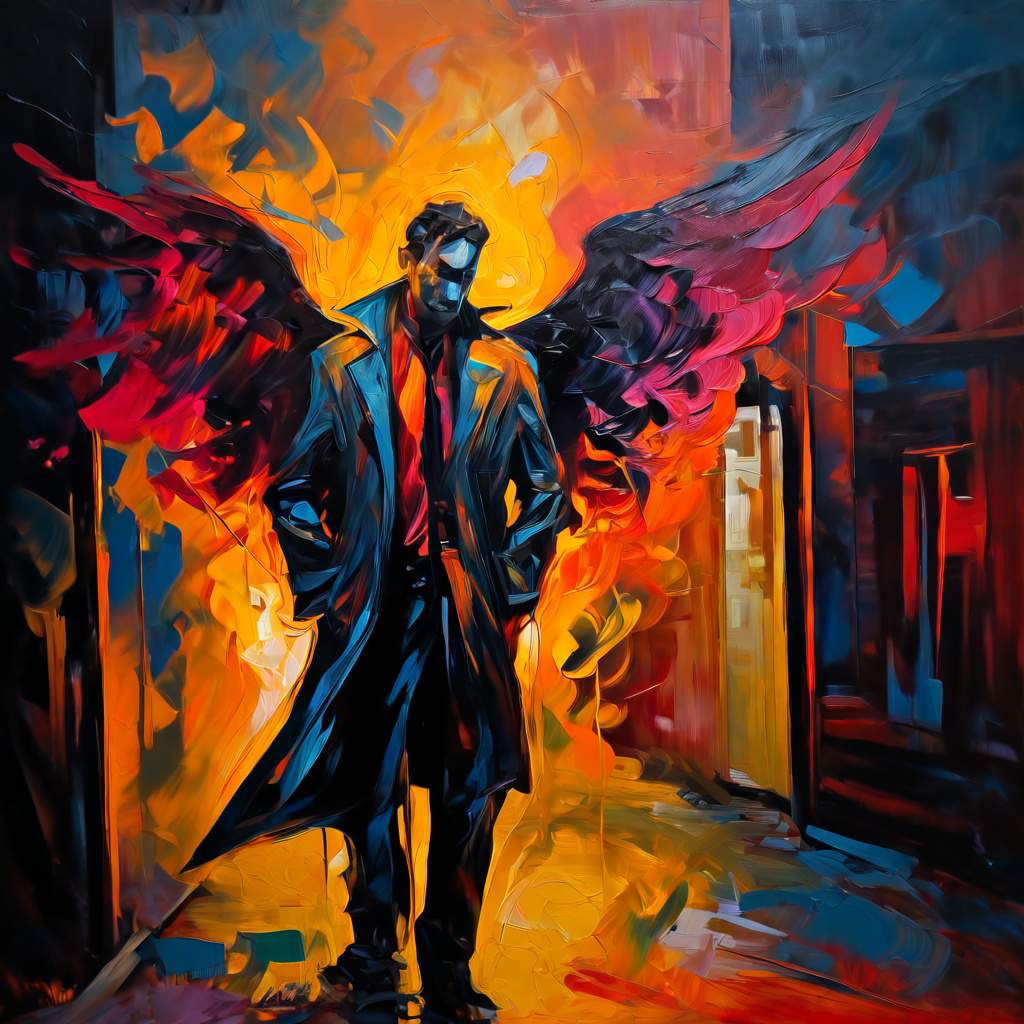
When Francis Lawrence’s supernatural noir Constantine materialized in theaters in 2005, critical consensus treated the DC Comics adaptation as a major misfire. Legendary film critic Roger Ebert embodied this dismissal, awarding the Keanu Reeves vehicle a dismissive one-and-a-half stars while infamously padding his review with digressions about Antarctic wildlife. Nearly two decades of reappraisal, however, have elevated the Hellblazer adaptation from a critical whipping boy to a certified cult classic—even as plans for a long-gestating sequel remain stalled by creative indecision.
Ebert’s Indifferent Pan and Penguin Digressions
Roger Ebert’s critique of Constantine remains notorious not for its vitriol, but for its profound disinterest. The Pulitzer Prize-winning reviewer found the film so unstimulating that he famously veered off-topic to discuss facts about penguins, inspired by the documentary March of the Penguins that was playing concurrently. In his written review, Ebert acknowledged Constantine’s ability to see supernatural entities with a sarcastic aside: “Some are penguins. Sorry about that. Some are half-angels and half-devils.”
Beyond these distracted musings, Ebert—a product of Catholic schooling—lodged specific theological complaints against the film’s internal logic. He questioned why a priest character would exist within a narrative that seemingly ignored Catholicism’s established mechanisms for absolution. “Strange that there is a priest, since that opens the door to Catholicism and therefore to the news that Constantine is not doomed unless he wages a lifelong war against demons, but need merely go to confession,” Ebert wrote, noting that three prayers would theoretically clear the protagonist’s path to salvation rather than eternal damnation.
The critic also targeted the film’s visual conception of Hell, describing it as “a post-nuclear Los Angeles created by animators with a hangover.” Additionally, he found the central premise logically untenable: if the movie depicts a global war between Heaven and Hell, how could one freelance exorcist operating in a single city possibly affect the outcome? Ebert’s review ultimately conveyed not anger, but apathy—the most damning criticism from a writer who noted that boring films are harder to review than bad ones, simply because they offer so little to engage with.
From Vertigo Comics to the Big Screen
Constantine draws its DNA from DC Comics’ Hellblazer series, a flagship title of the publisher’s mature-readers Vertigo imprint. Launched in the late 1980s during Alan Moore’s revolutionary run on Swamp Thing, the character John Constantine was co-created by Moore, Steve Bissette, and John Totleben. The comic series quickly established itself as one of the most violent and philosophically complex titles in the mainstream market, sharing shelf space with other adult-oriented Vertigo properties like The Sandman, Preacher, and Y: The Last Man.
In the source material, Constantine functions as a hard-smoking, embittered antihero—a freelance exorcist and supernatural detective often described as Philip Marlowe filtered through Gothic horror and British punk culture. Lawrence’s film adaptation transplanted the Liverpudlian character to Los Angeles and Americanized his sensibilities while retaining the chain-smoking, terminal lung cancer diagnosis, and metaphysical cynicism that define the comic figure.
The Cast and Biblical Cosmos
The 2005 production assembled a diverse ensemble to populate its theological warfare narrative:
- Keanu Reeves stars as John Constantine, the condemned exorcist attempting to earn salvation by combating demonic incursions
- Tilda Swinton portrays the androgynous archangel Gabriel, a divine intermediary who refuses to intervene in Constantine’s medical fate
- Rachel Weisz appears as Angela Dodson, the skeptical police detective whose twin sister’s death triggers the supernatural investigation
- Shia LaBeouf plays Chas Kramer, Constantine’s eager but inexperienced sidekick and taxi driver
- Peter Stormare delivers a greasy, scene-stealing turn as Lucifer Morningstar, eagerly anticipating Constantine’s soul
- Pruitt Taylor Vince embodies Father Hennesy, the alcoholic priest whose presence Ebert found theologically inconsistent
The narrative revolves around Constantine’s terminal diagnosis—decades of chain-smoking having produced aggressive lung cancer—and his desperate negotiation for divine intervention while knowing his teenage suicide attempt has already damned him to Hell regardless of subsequent good deeds.
Cult Renaissance and Modern Reappraisal
Despite its hostile initial reception, Constantine has undergone a significant reputation rehabilitation in the streaming era. On the film-centric social platform Letterboxd, the movie currently maintains an average user rating of 3.4 out of five stars, with approximately ten percent of viewers awarding it a perfect five-star rating. This numerical rehabilitation reflects a broader shift in genre appreciation, as audiences have embraced the film’s unique synthesis of noir aesthetics, religious mythology, and early-2000s blockbuster sensibilities.
Contemporary fan discourse frequently highlights specific elements overlooked by 2005 critics:
- Tilda Swinton’s performance as Gabriel, widely interpreted as a subtle nonbinary or androgynous depiction of divine authority
- Peter Stormare’s idiosyncratic, oily portrayal of Satan, often cited as a highlight of the film’s third act
- The film’s practical-effects-heavy vision of Hell and its inventive creature design
- The unintentional humor of suggesting Reeves—now widely regarded as one of Hollywood’s most beloved figures—would be damned to eternal torment
The movie’s reappraisal aligns with a broader trend of 2000s comic book films finding their audiences years after release, particularly those that took risks with R-rated sensibilities or complex theological themes during a period when the genre was still finding its commercial footing.
Development Hell: Why Constantine 2 Remains in Limbo
While fan demand for a follow-up has persisted for years, concrete movement on Constantine 2 has proven frustratingly slow. The project has been formally in development for several years, with Reeves and Lawrence both publicly expressing interest in returning. However, the production currently faces a significant creative roadblock: the star reportedly remains unsatisfied with the sequel scripts presented to date.
According to industry chatter, Reeves has rejected multiple drafts, preventing the project from advancing to active production despite the actor’s overwhelming commercial goodwill following the John Wick franchise and his general cultural rehabilitation as the internet’s favorite celebrity. This insistence on quality control mirrors the original film’s own troubled production history, suggesting that any eventual sequel will require significant script polish before cameras roll.
Until Reeves approves a screenplay that meets his standards, fans of the occult detective will continue waiting, revisiting the 2005 original as both a fascinating misfire and an underrated genre exercise that was simply ahead of its time.
Track Constantine’s Journey with What’s After the Movie
Whether you’re revisiting Francis Lawrence’s supernatural thriller or waiting for news on the long-delayed sequel, What’s After the Movie provides comprehensive coverage of your favorite films. From box office histories and spoiler-free summaries to casting updates and ending explanations, our platform tracks everything happening before and after the credits roll. Explore our complete movie database at https://www.whatsafterthemovie.com/movies or dive deeper into DC Comics adaptations and industry news at https://www.whatsafterthemovie.com/blog.
Continue reading



What's After the Movie?
Not sure whether to stay after the credits? Find out!
Check out our other apps:

SAT Sphere
Build confidence for the Digital SAT.

Mori Atlas
Discover wild places worth protecting.

Luntero
Search smarter for a home in Amsterdam.

Plot Explained
Unravel movie endings and hidden clues.

Pokechamp
Dive into Pokémon data and battle logic.

Driving Theory
Get ready for your European theory test.

Movie Dust
Plan your next cinema trip with ease.

Musemap
Find art and culture as you travel.

Selkobase
Compare credentials before committing.

Local Manual
Turn an unfamiliar country into practical next steps.

Lernavi
Compare school systems before your next move.

GymRoam
Find a workout stop wherever your plans take you.
Explore Our Movie Platform
New Movie Releases (2026)
Famous Movie Actors
Top Film Production Studios
Movie Plot Summaries & Endings
Major Movie Awards & Winners
Best Concert Films & Music Documentaries
Movie Collections and Curated Lists
© 2026 What's After the Movie. All rights reserved.
Privacy Policy