Between Two Fires Horror Novel Deserves Film Adaptation
Christopher Buehlman’s medieval horror epic “Between Two Fires” has emerged from over a decade of quiet cult status to become a genuine modern classic, culminating in a lavish 2026 hardcover reissue that cemented its place in the horror canon. As readers rediscover this grim odyssey through plague-ravaged France, the novel’s cinematic potential has become increasingly difficult to ignore, offering a rare synthesis of historical authenticity and supernatural terror that seems tailor-made for ambitious filmmakers searching for the next great horror franchise.
The book’s trajectory from obscurity to bestseller reflects changing cultural appetites and the timeless appeal of well-crafted dark fantasy. First published in 2012, the novel spent years building a dedicated readership before exploding into mainstream consciousness following its recent republication. Author Joe Hill contributed a foreword to the 2026 edition suggesting that the COVID-19 pandemic created an unexpected bridge between contemporary readers and Buehlman’s 14th-century setting, allowing modern audiences to viscerally understand a world suffocating under the weight of invisible death. Yet the novel’s endurance stems from more than timely resonance; Buehlman’s prose—witty without snark, vivid without excess—crafts a narrative that functions as both rigorous historical immersion and unrelenting visceral nightmare.
From Cult Novel to Cultural Phenomenon
The story of “Between Two Fires” mirrors the slow-burn success of many genre classics that find their audience years after initial publication. Released originally in 2012 by a relatively new voice in horror fiction, the novel gradually accumulated critical praise and word-of-mouth momentum until publisher demand justified a deluxe 2026 hardcover featuring fresh cover art and renewed marketing push. This reissue arrived at a cultural moment when readers, freshly conscious of pandemic psychology after years of COVID-19, found new relevance in Buehlman’s depiction of medieval societies grappling with inexplicable mass death and social collapse.
Hill’s foreword specifically highlighted this temporal parallel, noting that contemporary audiences could now relate to living in a plague-filled world in ways that previous generations might not have fully appreciated. However, Hill emphasized that the book’s power transcends topical relevance or pandemic allegory. The narrative earns its staying power through careful character work and atmospheric dread, creating a reading experience that satisfies both literary fiction standards and genre horror expectations. The novel represents exactly the kind of mid-budget, high-concept genre property that Hollywood has historically struggled to develop—sophisticated enough for adult audiences but packed with the visual spectacle and creature features that drive theatrical horror success.
A Disgraced Knight’s Redemptive Journey
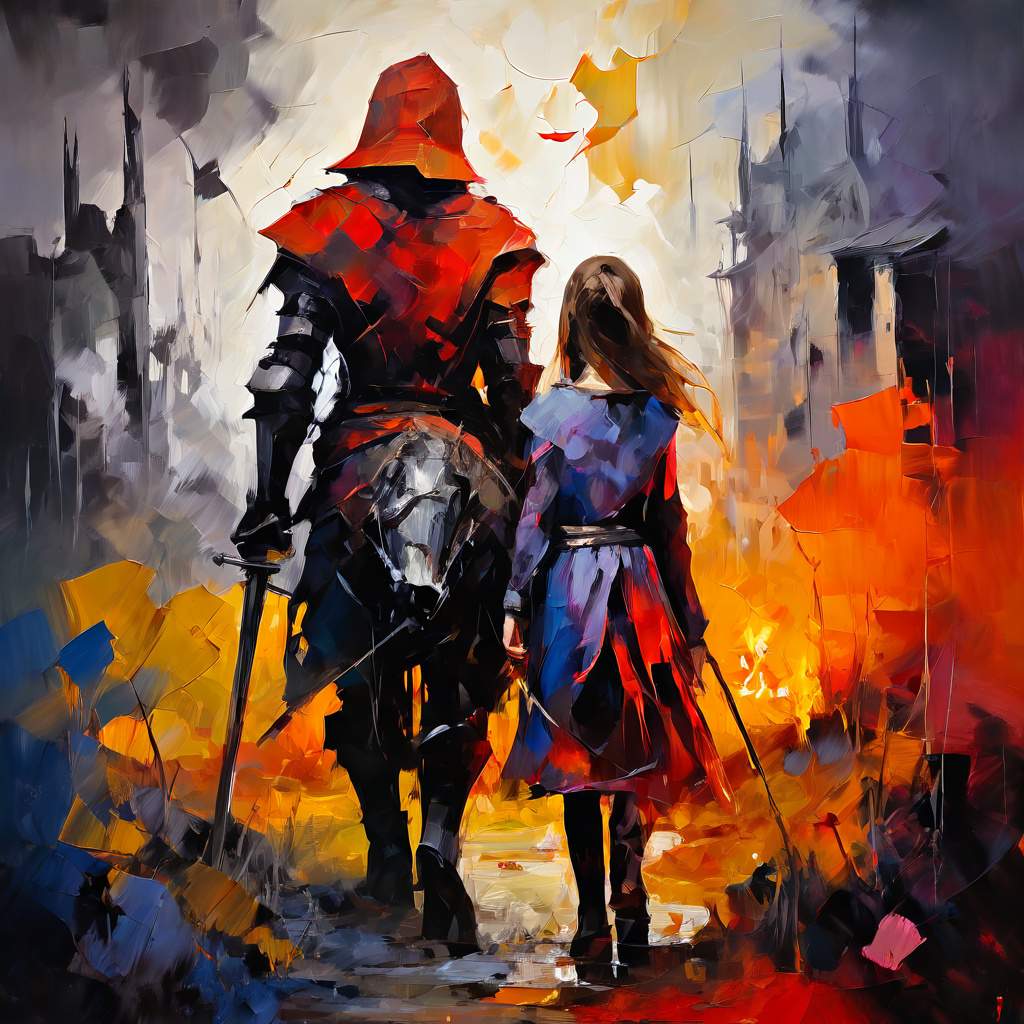
Set in 1348 AD at the height of the Black Death’s devastation, the narrative centers on Thomas, a former knight stripped of his honor who now survives as a brigand roaming the chaotic French countryside. His path intersects with Delphine, a young girl claiming divine visions whom Thomas rescues from assault by members of his own traveling band. Uncertain whether she represents genuine prophecy, witchcraft, or simple madness, the cynical warrior embarks on a perilous quest to deliver her to Avignon, the seat of the Papacy and theoretically the last bastion of holy order in a collapsing world.
The novel’s title references the historical practice of Pope Clement VI, who conducted audiences positioned between two roaring fires intended to burn away pestilential air—a detail that anchors the supernatural narrative in documented medieval history while providing rich symbolic imagery. This journey through a landscape physically and spiritually poisoned by plague provides the framework for what becomes essentially a dark fantasy quest narrative, albeit one drenched in historical specificity and theological weight rather than Tolkien-esque abstraction. Thomas functions as a classic reluctant protector, his cynicism and violence contrasting with Delphine’s strange faith as they navigate roads littered with corpses and superstition.
When the Supernatural Invades History
Buehlman executes a narrative balancing act that distinguishes “Between Two Fires” from typical historical horror or period drama. While the 2010 film “Black Death” explored similar terrain—examining how the plague’s random devastation drove survivors toward religious extremism and witchcraft accusations—that film ultimately confirmed a materialist worldview where magic existed only in fearful minds. “Between Two Fires” inverts this approach entirely, validating the medieval peasant’s perspective that such devastation might as well be a demonic curse while acknowledging the historical reality of germ theory.
In Buehlman’s narrative, the Black Death literally manifests as hellish warfare between Heaven and Hell, with textual interludes depicting cosmic battles that trickle down into mortal suffering. Thomas and Delphine encounter supernatural entities that range from tangible aquatic horrors to increasingly abstract manifestations of spiritual corruption. Early in their journey, the travelers face an eel-like creature haunting a village river, a monster that feels ripped from medieval bestiaries. As they approach Avignon, the threats evolve from physical beasts to reality-warping phenomena, including a surreal sequence at a seemingly plague-free castle where inhabitants shift into monstrous forms before vanishing entirely, leaving Thomas questioning the nature of reality itself.
A Gallery of Medieval Monsters
The episodic structure of “Between Two Fires”—following travelers from one supernatural encounter to the next across the French landscape—lends itself naturally to cinematic adaptation. Buehlman constructs his narrative almost as an anthology of medieval monster tales woven into a unified quest, with each demonic entity representing different facets of 14th-century spiritual anxiety and cultural trauma. This approach offers filmmakers a built-in structure that balances character development between set pieces while delivering the genre beats horror audiences expect.
Particularly memorable is the chapter “Of the Ones Who Knock by Night,” depicting Thomas and Delphine’s tense stay in Paris. Here, demons manifest by possessing holy statues, using religious iconography as weapons against the faithful. One sequence involves a six-foot Virgin Mary statue appearing at a doorway, crowned and holding a scepter, but where the Christ child should rest, the stone figure grips the ankle of a dead infant whose purplish skin marks it as a plague victim. This image—sacred symbols inverted by supernatural corruption, history weaponized against humanity—captures the novel’s unique aesthetic and would translate devastatingly to screen.
Many readers have noted compelling similarities between Thomas and Guts, the protagonist of Kentaro Miura’s manga masterpiece “Berserk.” Both are cynical warriors scarred by betrayal who rediscover their humanity through protective relationships with vulnerable companions. While Thomas’s backstory stops short of the operatic tragedy that defines Guts, the character archetype—a damaged killer learning to value love while battling literal demons—translates perfectly to visual storytelling and offers the kind of complex male lead that prestige horror adaptations increasingly require.
The Case for Robert Eggers
If “Between Two Fires” demands adaptation, the conversation inevitably turns toward which filmmaker possesses the specific skill set to handle its alchemy of period detail and supernatural horror. The answer appears obvious to those familiar with both the novel and contemporary genre cinema: Robert Eggers, the director behind “The Witch,” “The Lighthouse,” and “The Northman.”
Eggers has established his reputation through exactly the approach Buehlman employs—treating historical periods’ supernatural beliefs as narratively real rather than psychological metaphor or superstition. “The Witch” succeeded by accepting 17th-century Puritan fears about Satanic witches as legitimate threats within the film’s reality, creating horror through anthropological authenticity rather than anachronistic irony. Similarly, “Between Two Fires” takes 14th-century French superstitions about demonic plague agents and God’s abandonment and treats them as factual within the narrative framework.
An Eggers adaptation could leverage his demonstrated commitment to historical accuracy in costume, dialect, and architectural detail while delivering the supernatural horror that the novel’s readers have already envisioned. The director’s background in production design and his preference for practical effects align naturally with the novel’s tangible, grotesque creature descriptions and medieval setting. Given Eggers’ proven ability to balance arthouse sensibilities with genre thrills, he represents the ideal translator for Buehlman’s specific blend of literary horror and historical fantasy.
What’s After the Movie
Whether or not “Between Two Fires” receives the cinematic treatment it deserves, the novel stands as essential reading for horror fans interested in how genre fiction can illuminate historical trauma and spiritual crisis. For comprehensive coverage of film adaptations, upcoming projects, and box office analysis, visit What’s After the Movie. Explore our movie database for information on current releases, or check our industry news section for updates on potential adaptations of beloved books like Buehlman’s masterpiece.