What's After the Blog?
feature • analysis
15 Greatest Teen Movies Ever Made, Ranked
This comprehensive ranking explores fifteen films that captured the authentic experience of adolescence across six decades of cinema. From 1950s classics to modern coming-of-age stories, these movies defined the genre through honest portrayals of youth, friendship, and the transition to adulthood.
April 22, 2026
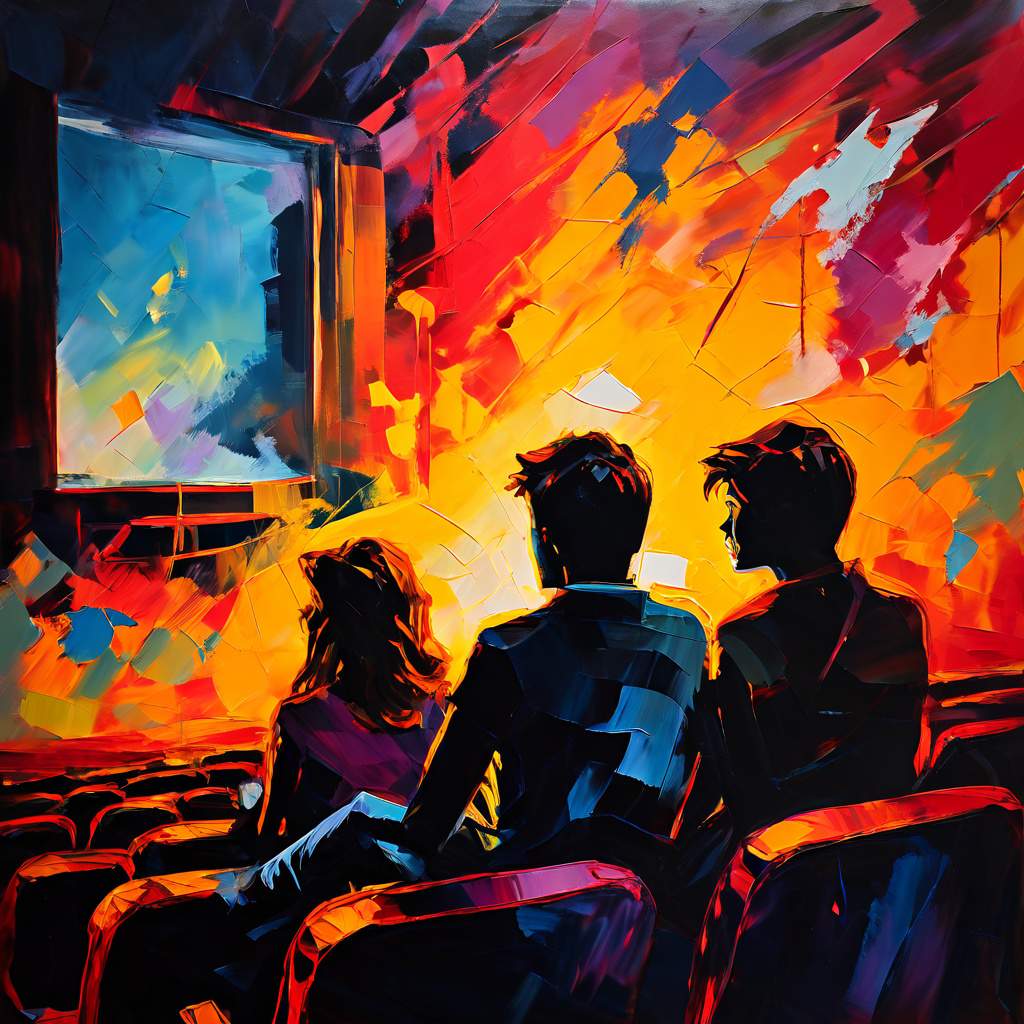
15 Greatest Teen Movies Ever Made, Ranked
Hollywood’s relationship with teenage audiences transformed significantly over the past century. Once dismissed as unreliable demographics, young viewers became the industry’s most coveted market once studios recognized their purchasing power and social influence. The resulting cinematic evolution produced films that transcended mere entertainment to become cultural touchstones, capturing the anxiety, joy, and confusion of adolescence with startling authenticity. These fifteen films represent the pinnacle of teen cinema, ranging from 1950s social dramas to early 2000s comedies, each offering unique perspectives on the universal experience of growing up.
The Foundation: Early Classics That Defined Youth Cinema
The modern teen movie owes its existence to Nicholas Ray’s Rebel Without a Cause (1955), arguably the earliest classic of the genre. Released shortly after James Dean’s death, the film departed from typical portrayals of juvenile delinquents from disadvantaged backgrounds, instead focusing on middle-class teenagers whose violent misbehaviors stemmed from emotional neglect rather than economic hardship. Dean’s performance as Jim Stark created the template for the troubled teen protagonist, while the film’s deliberate examination of youth in distress regardless of class established thematic concerns that would resonate through decades of subsequent productions.
George Lucas’s American Graffiti (1973) shifted the focus from tragedy to nostalgia, capturing the cusp of adulthood with a warmth that influenced countless coming-of-age stories. Set during the summer of 1962, the film follows high school graduates cruising their small town’s main drag during their final hours of freedom before college and the Vietnam War claim them. The ensemble cast—including future stars Richard Dreyfuss, Ron Howard, and Harrison Ford—magnifies the sense of possibility and uncertainty that defines late adolescence. The film’s loose, hangout structure prioritizes vibe and character over plot, creating a timeless portrait of youth on the brink of change.
Michael Schultz’s Cooley High (1975) expanded the genre’s representation while maintaining that casual, observational approach. Set in 1960s Chicago and scored to a terrific Motown soundtrack, the film follows a group of Black high school friends navigating relationships, future dreams, and the harsh realities of their environment. Often cited as an inspiration for filmmakers like Spike Lee and Robert Townsend, the film serves as both important Black cinema and universal teen storytelling, proving that the genre could accommodate diverse experiences while maintaining its core focus on friendship and transition.
The 1980s Revolution: Comedy, Satire, and Honest Portrayals
The 1980s marked a turning point in teen cinema, balancing raunchy humor with genuine emotional insight. Amy Heckerling’s Fast Times at Ridgemont High (1982) led this charge, with writer Cameron Crowe spending time undercover at a Southern California high school to capture authentic student experiences. The resulting film balances big laughs with hard truths about heartbreak, betrayal, and sexual exploitation, refusing to sugarcoat the teenage experience while maintaining an abundance of heart. Its frank approach paved the way for more honest depictions of adolescent sexuality and social dynamics.
John Hughes dominated the decade’s teen output, and while The Breakfast Club and Pretty in Pink remain influential, Ferris Bueller’s Day Off (1986) endures as his most quotable work. Though Ferris serves as the charismatic catalyst, the film truly belongs to Cameron Frye (Alan Ruck), the overwhelmed best friend whose doubts and fears reflect the reality of teenage anxiety better than Ferris’s effortless cool. This dynamic—between aspirational fantasy and relatable reality—became a crucial element of successful teen cinema.
The decade also produced films willing to explore darker territory. Michael Lehmann’s Heathers (1989) offered a razor-sharp satire of social cliques and performative grief, with Winona Ryder and Christian Slater navigating a deadly black comedy about high school hierarchy. Similarly confrontational but tonally different, Three O’Clock High (1987) focused on the terror of schoolyard bullying, with Casey Siemaszko’s Jerry facing a parking lot confrontation with a threatening antagonist. The film’s wit and pop sensibility distinguished it from more straightforward bully narratives.
Ronald Maxwell’s Little Darlings (1980) addressed teenage sexuality from a rarely seen female perspective, following two camp rivals—played by Kristy McNichol and Tatum O’Neal—competing to lose their virginity. By placing teenage girls at the center of this narrative rather than treating them as conquests or punchlines, the film delivered genuine heart while acknowledging the complexity of adolescent desire.
Global Perspectives: International and Overlooked Masterpieces
Teen cinema transcends American borders, with international filmmakers offering distinct cultural perspectives on universal themes. Kinji Fukasaku’s Battle Royale (2000) anticipated the dystopian YA boom by years, forcing a Japanese high school class to fight to the death on a remote island. While the premise later influenced American blockbusters, Fukasaku’s film hits with greater weight, exploring how friendship groups fracture under extreme pressure and the violence adults impose upon youth. The characters feel lifted directly from viewers’ own high school years into a landscape of carnage and misery.
Nobuhiro Yamashita’s Linda Linda Linda (2005) takes a gentler approach, following a Korean exchange student (Bae Doona) who joins an all-girl Japanese pop band days before an important gig. The film captures the creative energy and lazy dreams of teenagers whose lives remain unwritten, emphasizing music as both artistic expression and social bonding. Similarly concerned with parental pressure and youth tragedy, Edward Yang’s A Brighter Summer Day (1991) explores a Taiwanese teenager’s descent into gang violence amid family dysfunction and cultural change, arguing that parental stress adds dangerous weight to already tumultuous adolescence.
Jonathan Kaplan’s Over the Edge (1979) remains one of the genre’s most raw examinations of suburban neglect, depicting a Colorado town where adult indifference drives teenagers toward dangerous behavior. Inspired by true events in a California community, the film functions as a cautionary tale about the consequences of providing no outlets for adolescent energy. Its unflinching portrayal of juvenile delinquency shocked parents upon release but earned it cult status and influence over subsequent filmmakers like Richard Linklater.
The Modern Canon: 90s and 00s Evolution
The 1990s and 2000s refined teen cinema through post-modern wit and emotional sophistication. Amy Heckerling returned to the genre with Clueless (1995), updating Jane Austen’s Emma with Valley girl vernacular and fashion while maintaining timeless observations about matchmaking and self-discovery. Alicia Silverstone’s Cher navigates the space between aspirational fantasy and genuine teenage insecurity, creating a protagonist who thinks she has life figured out until romance complicates her worldview. The supporting cast—including Brittany Murphy and Paul Rudd—delivers pitch-perfect performances that balance valley girl lingo with smart observations.
Shakespeare adaptations provided fertile ground for 90s teen updates, with Gil Junger’s 10 Things I Hate About You (1999) proving the most successful. Reworking The Taming of the Shrew, the film pairs Julia Stiles and Heath Ledger in a romantic comedy that respects its protagonist’s feminist independence while delivering banter and chemistry. The cast, including Joseph Gordon-Levitt and Larisa Oleynik, exemplifies the era’s talent for blending literary sophistication with contemporary teen concerns.
Greg Mottola’s Superbad (2007) shifted focus from the quest for sex to the fear of losing friendship, with Seth Rogen and Evan Goldberg’s script capturing the anxiety of separation that defines late high school. Jonah Hill and Michael Cera anchor the comedy with surprising emotional depth, while the ensemble—including Emma Stone and Christopher Mintz-Plasse in breakout roles—delivers exaggerated situations with grounded truth.
The Complete Ranking at a Glance
For quick reference, these fifteen films demonstrate the genre’s remarkable range:
- Rebel Without a Cause (1955) — Nicholas Ray’s James Dean classic
- American Graffiti (1973) — George Lucas’s nostalgic hangout film
- Cooley High (1975) — Chicago’s Motown-scored coming-of-age story
- Over the Edge (1979) — Jonathan Kaplan’s suburban delinquency drama
- Little Darlings (1980) — Female-focused summer camp comedy
- Fast Times at Ridgemont High (1982) — Cameron Crowe’s undercover high school report
- Three O’Clock High (1987) — Parking lot bully confrontation
- Heathers (1989) — Dark satire of high school cliques
- A Brighter Summer Day (1991) — Taiwanese gang violence tragedy
- Clueless (1995) — Amy Heckerling’s Austen adaptation
- Ferris Bueller’s Day Off (1986) — John Hughes’s skip-day classic
- 10 Things I Hate About You (1999) — Shakespearean teen rom-com
- Battle Royale (2000) — Japanese dystopian survival thriller
- Linda Linda Linda (2005) — Japanese band formation comedy
- Superbad (2007) — Friendship-focused modern comedy
Whether exploring the culpability of adults in youth tragedy or the simple joy of friendship, these films share an essential understanding: teenagers deserve cinema that respects their complexity and reflects their reality.
Explore Cinema History with What’s After the Movie
Want to dive deeper into the films that shaped generations? What’s After the Movie is your destination for comprehensive film analysis, box office data, and curated collections of cinema’s most influential works. Browse our movie database to discover detailed summaries and endings explained for these teen classics and thousands more, or check our blog for the latest industry features and retrospective analyses. Whether you’re researching the evolution of youth cinema or simply looking for your next favorite coming-of-age story, we provide the context and insights that transform viewing into understanding.
Continue reading


What's After the Movie?
Not sure whether to stay after the credits? Find out!
Check out our other apps:

SAT Sphere
Build confidence for the Digital SAT.

Mori Atlas
Discover wild places worth protecting.

Luntero
Search smarter for a home in Amsterdam.

Plot Explained
Unravel movie endings and hidden clues.

Pokechamp
Dive into Pokémon data and battle logic.

Driving Theory
Get ready for your European theory test.

Movie Dust
Plan your next cinema trip with ease.

Musemap
Find art and culture as you travel.

Selkobase
Compare credentials before committing.

Local Manual
Turn an unfamiliar country into practical next steps.

Lernavi
Compare school systems before your next move.

GymRoam
Find a workout stop wherever your plans take you.
Explore Our Movie Platform
New Movie Releases (2026)
Famous Movie Actors
Top Film Production Studios
Movie Plot Summaries & Endings
Major Movie Awards & Winners
Best Concert Films & Music Documentaries
Movie Collections and Curated Lists
© 2026 What's After the Movie. All rights reserved.
Privacy Policy