What's After the Blog?
feature • analysis
15 Best Sci-Fi Movies For People Who Hate Sci-Fi
These fifteen science fiction films from the 21st century prioritize emotional storytelling and character drama over genre conventions, making them accessible to viewers who typically avoid speculative fiction. From Oscar-winning romances to intimate indie thrillers, this curated list highlights movies that use futuristic premises as backdrops for universally human narratives.
May 19, 2026
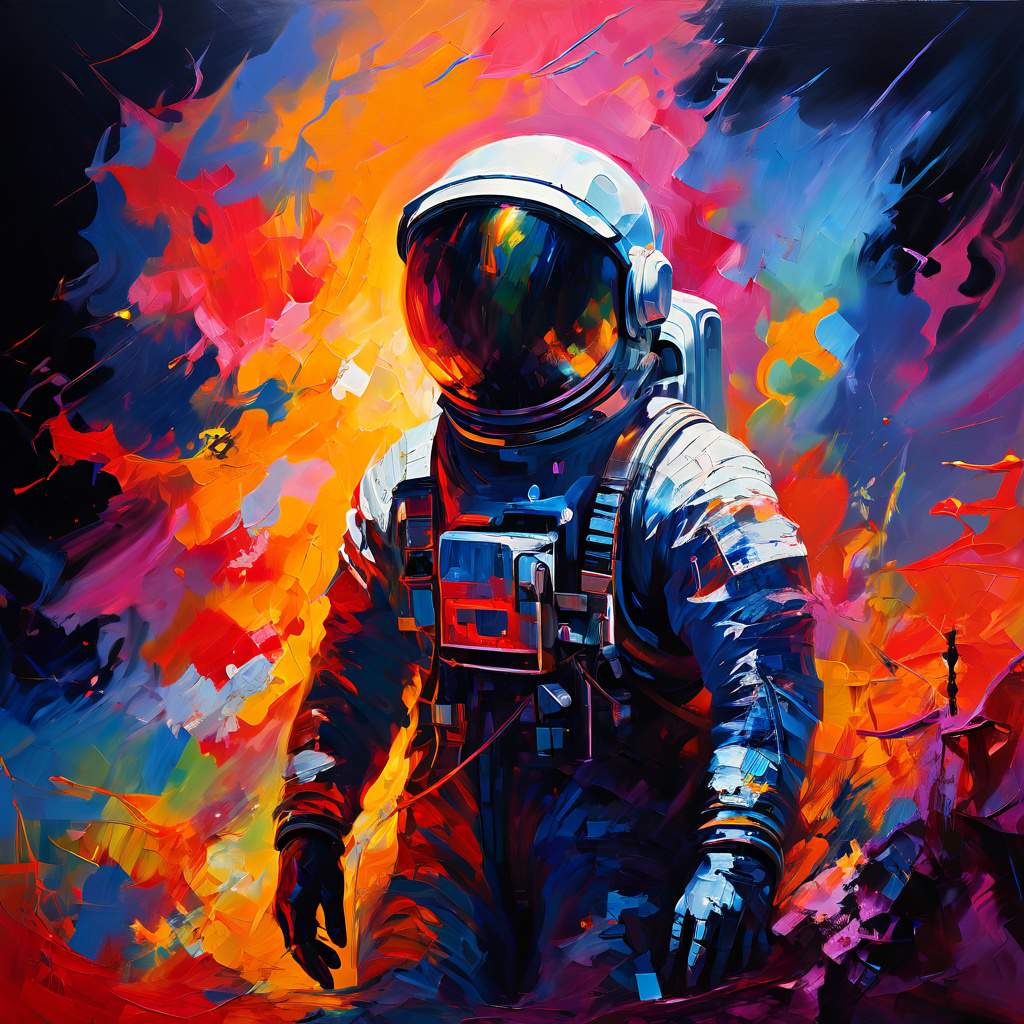
15 Best Sci-Fi Movies For People Who Hate Sci-Fi
Science fiction has evolved from niche genre to cultural dominant, saturating multiplexes and streaming platforms with sprawling space operas and complex timelines. For viewers experiencing genre fatigue or those who find traditional sci-fi too dense, the past two decades have produced a remarkable wave of films that deploy speculative elements merely as framework for intimate human drama. These fifteen titles transcend typical category boundaries, offering emotionally grounded narratives that prioritize character relationships, psychological depth, and accessible storytelling over technological exposition.
Romance and the Human Condition
Several entries on this list use futuristic premises to explore universal emotional territory. Eternal Sunshine of the Spotless Mind (2004) remains perhaps the definitive example, with Charlie Kaufman’s Academy Award-winning screenplay—directed by Michel Gondry—following Jim Carrey and Kate Winslet through a fractured relationship viewed in reverse. The memory-erasure technology serves purely as metaphor, with Kaufman deliberately avoiding technical explanations to focus on the catharsis of processing heartbreak.
Spike Jonze’s Her (2013) similarly won Best Original Screenplay for its examination of loneliness in the digital age. Joaquin Phoenix portrays a man who develops feelings for an advanced operating system, yet the film functions less as warning about artificial intelligence and more as an optimistic meditation on love’s capacity to surprise. The near-future setting feels immediately credible without demanding genre literacy.
Yorgos Lanthimos offers a darker romantic vision in The Lobster, where Colin Farrell checks into a hotel that demands residents find partners within forty-five days or face transformation into animals. The Greek auteur earned an Oscar nomination for this deadpan satire, which uses its absurd premise to probe societal pressure around coupling. Meanwhile, Colossal—directed by Nacho Vigalondo—grounds its kaiju-sized spectacle in Anne Hathaway’s performance as a woman battling addiction while discovering she controls a giant monster stomping through Seoul via a neighborhood park.
Thrillers Beyond the Stars
For audiences preferring mystery and suspense, several selections repackage sci-fi concepts as propulsive genre exercises. Christopher Nolan’s The Prestige positions Christian Bale and Hugh Jackman as rival Victorian magicians whose competition pushes toward scientific breakthroughs and moral collapse. Structured as a mystery reliant on carefully orchestrated reveals, the 19th-century setting and star power create accessibility despite the complex narrative architecture.
Duncan Jones demonstrates similar restraint in Source Code, where Jake Gyllenhaal awakens repeatedly on a commuter train moments before explosion. By withholding exposition and treating the time-loop mechanic as investigative tool rather than physics lesson, the film maintains thriller momentum while exploring identity and fate. Denis Villeneuve’s Arrival operates on grander scale—earning eight Academy Award nominations including Best Picture—yet focuses intensely on Amy Adams’s linguist as she establishes communication with visiting extraterrestrials. The film’s resolution, reportedly adjusted following the release of Interstellar, delivers emotional payoff that rewards attention to its thematic undercurrents rather than spectacle.
Blockbusters with Brains
Several mainstream offerings balance spectacle with emotional accessibility. Ridley Scott’s The Martian (2015) adapts Andy Weir’s novel—originally serialized on the author’s personal blog—into a survival narrative starring Matt Damon as an astronaut stranded on Mars. Despite the meticulous scientific accuracy that challenged even Scott’s comprehension, the film functions as a high-concept Cast Away, with each technical hurdle translating into legible emotional beats of danger and hope.
The ensemble comedy Galaxy Quest leverages pop culture familiarity without requiring Trekkie-level devotion. Tim Allen, Sigourney Weaver, Alan Rickman, and Sam Rockwell portray faded television actors mistaken by alien species for the space heroes they portrayed. The metafictional commentary on fandom and Hollywood mythology resonates even for viewers casually aware of convention culture or the Star Trek franchise.
Bong Joon Ho’s Snowpiercer adapts the graphic novel into a dystopian action thriller starring Chris Evans as a revolutionary leading class warfare aboard a perpetual-motion train containing humanity’s survivors. The vertical society of the rail cars provides the framework for visceral action sequences while maintaining coherent allegorical weight. Conversely, Boots Riley’s Sorry to Bother You descends into absurdist satire, following Lakeith Stanfield’s telemarketer as he adopts a “white voice” to climb corporate ranks. The film’s deliberately provocative unpredictability addresses labor, race, and activism through a lens that may alienate some viewers while electrifying others.
Intimate Visions and Auteur Science Fiction
The final selections represent director-driven works that prioritize atmosphere and performance. Alex Garland’s directorial debut Ex Machina (2014) won the Academy Award for visual effects while centering on a psychological triangle between Oscar Isaac, Domhnall Gleeson, and Alicia Vikander’s android. Rather than fetishizing the technology, the film examines human hubris and manipulation, cementing its relevance amid contemporary AI discourse.
Duncan Jones’s debut Moon (2009) strips the genre to essentials, featuring Sam Rockwell in a one-man performance as a lunar miner confronting existential isolation and corporate exploitation. The quiet, personal scale remixes Blade Runner’s philosophical inquiries into immediate, accessible terms. Alfonso Cuarón’s Children of Men (2006) employs long-take cinematography and inventively developed technology to depict an infertility-plagued 2027, where Clive Owen protects the world’s only pregnant woman through dystopian collapse.
Jonathan Glazer’s Under the Skin (2014) offers the most challenging entry, following Scarlett Johansson as an extraterrestrial entity navigating Scotland. The film deliberately eschews genre comforts for psychological horror and uncertainty, demanding viewer interpretation while providing hypnotic atmospheric dread. Together, these fifteen films demonstrate that science fiction’s power lies not in distant galaxies, but in holding mirrors to our present reality.
Academy Recognition and Honors
Several titles on this list earned significant industry recognition, underscoring their crossover appeal beyond traditional genre boundaries:
- Charlie Kaufman: Won Best Original Screenplay for Eternal Sunshine of the Spotless Mind (2004)
- Spike Jonze: Won Best Original Screenplay for Her (2013)
- Yorgos Lanthimos: Earned an Oscar nomination for The Lobster
- Denis Villeneuve: Arrival received eight Academy Award nominations including Best Picture
- Alex Garland: Ex Machina (2014) won the Academy Award for visual effects
- Jonathan Glazer: Later won an Academy Award for The Zone of Interest, showcasing the same atmospheric mastery seen in Under the Skin (2014)
Discover More With What’s After the Movie
Whether you’re seeking spoiler-free summaries, box office insights, or curated recommendations like these, What’s After the Movie serves as your comprehensive resource for cinema coverage. Explore our extensive database of movie summaries, track industry trends through our box office reporting, or browse complete filmographies in our movie collection.
Continue reading


What's After the Movie?
Not sure whether to stay after the credits? Find out!
Check out our other apps:

SAT Sphere
Build confidence for the Digital SAT.

Mori Atlas
Discover wild places worth protecting.

Luntero
Search smarter for a home in Amsterdam.

Plot Explained
Unravel movie endings and hidden clues.

Pokechamp
Dive into Pokémon data and battle logic.

Driving Theory
Get ready for your European theory test.

Movie Dust
Plan your next cinema trip with ease.

Musemap
Find art and culture as you travel.

Selkobase
Compare credentials before committing.

Local Manual
Turn an unfamiliar country into practical next steps.

Lernavi
Compare school systems before your next move.

GymRoam
Find a workout stop wherever your plans take you.
Explore Our Movie Platform
New Movie Releases (2026)
Famous Movie Actors
Top Film Production Studios
Movie Plot Summaries & Endings
Major Movie Awards & Winners
Best Concert Films & Music Documentaries
Movie Collections and Curated Lists
© 2026 What's After the Movie. All rights reserved.
Privacy Policy