
Woodlawn 2015


Directed by

Andrew Erwin
Made by

PureFlix Cinema
Where to Watch Woodlawn
See current US streaming, rental, and purchase options for Woodlawn (2015) via JustWatch.

Angel Studios
HD
Fandango at Home Free
HD
Pluto TV
SD
Tubi TV
SD
Amazon Video
HD
Apple TV Store
HD Fandango At Home
HD
Google Play Movies
SD
YouTube
SD Streaming availability powered by 
Woodlawn Plot Summary
Read the complete plot summary and ending explained for Woodlawn (2015). From turning points to emotional moments, uncover what really happened and why it matters.
The 2015 film Woodlawn tells the true-story of Caleb Castille as Tony Nathan, C. Thomas Howell as Coach Tandy Gerelds, Sean Astin as Hank Erwin, and Jon Voight as Bear Bryant.
Set in Birmingham, Alabama, during the early 1970s desegregation of Woodlawn High School, the story follows a gifted Black athlete named Tony Nathan as he joins the school’s formerly all-white football team. Nathan’s presence, backed by his talent and quiet determination, becomes a catalyst on a team that is still learning to navigate deep-seated racial tensions. The players, part of a community wrestling with fear, pride, and history, are thrust into a crucible where sportsmanship and rivalry collide with social change.
Under the steady leadership of Coach Tandy Gerelds, the squad is urged to channel their shared anger into unity rather than division. The film captures how old habits of mistrust flare up both on and off the field, and a riot soon emboldens the sense that something bigger is at stake than wins and losses. Enter Hank Erwin, the traveling sports chaplain, whose earnest speech invites the players to consider a higher calling and to commit themselves to a life guided by faith. Gerelds, however, remains skeptical, unsure what to make of the impulse sweeping through his players and their families.
Despite an initial uphill battle, Gerelds makes a pivotal decision to play Tony Nathan over the objections raised by some of the white players’ parents. That choice marks a turning point for the team, and Woodlawn begins to find its footing. Nathan’s breakout performance ignites a long winning streak, turning him into a symbol of hope and possibility for a community that had long defined itself by division. The team’s momentum culminates in a high-stakes showdown with a formidable rival, Banks High School, where the stakes feel almost larger than life and the atmosphere in the stands is electric with expectation.
Banks coach Shorty White instructs his players to target Nathan, and the repeated hard tackles take their toll. Nathan scores a touchdown, but a vicious late hit leaves him unable to continue playing. Woodlawn loses that game, and the weight of the moment tests everyone, yet Gerelds expresses a quiet pride in the men the team has become. > “the men they’ve become”
The narrative then shifts toward a spiritual awakening that extends beyond the football field. After Nathan comes to faith, Gerelds seeks out Nathan’s church during a Sunday service, where he testifies to the changes he has witnessed and asks to be baptized. The transformation among the players begins to ripple through the Banks team as well, and Hank Erwin arranges a meeting that helps foster reconciliation between the two schools. Gerelds and White even organize a joint football camp before the 1974 season, a rare gesture of unity that sets the stage for a historic friendship between the teams. Both squads go undefeated through the season, building toward a finale that draws a record crowd because of the stars involved and the novelty of a shared triumph.
Years later, now working as an insurance agent, Gerelds admits to a customer that while the big game was lost, the transformation he witnessed in the lives of so many people was miraculous. The story of Tony Nathan continues to unfold off the field as he carries his leadership from Woodlawn to the University of Alabama, where he helps lead his team to victory in the 1979 Sugar Bowl. In a heartfelt gesture, Nathan reaches out to Gerelds by phone, sharing gratitude and encouraging him to return to coaching.
Woodlawn, at its core, is a portrait of how sport can intersect with faith, community, and humility under intense social pressure. It portrays a community learning to channel anger into purpose, to forgive where division once lingered, and to discover common ground through shared goals and spiritual awakening. The film invites viewers to consider how moments of crisis can catalyze lasting bonds, transforming individuals and entire programs alike, long after the last whistle has blown.
Woodlawn Timeline
Follow the complete movie timeline of Woodlawn (2015) with every major event in chronological order. Great for understanding complex plots and story progression.
Woodlawn desegregation and Tony Nathan joins the team
Woodlawn High School in Birmingham is desegregated in 1973, and Tony Nathan, a gifted Black athlete, joins the school's predominantly white football team under coach Tandy Gerelds. The presence of Nathan sparks racial tensions on and off the field, but his talent begins to shift the dynamic and set a new tone for the team.
Gerelds urges unity despite tensions
Gerelds tells the team to channel their shared anger from violent incidents into unity. He emphasizes that the players must become a cohesive unit despite their differences.
A riot prompts Hank Erwin's motivational speech
A riot at Woodlawn triggers the arrival of Hank Erwin, a traveling sports chaplain, who speaks to the team as a motivational speaker. His message focuses on purpose, faith, and choosing a higher path.
Team invited to commit to faith; coach unsure
Hank's speech moves nearly the entire team to commit their lives to Jesus Christ and to join in prayer and work. Gerelds, however, neither accepts the invitation nor fully embraces the shift.
First game loss leads to Nathan's breakout
The team loses its first game, but Gerelds decides to play Nathan over objections from some parents. Nathan's breakout performance helps the team turn the corner and begin winning.
Winning streak builds toward the Banks game
Under Nathan's leadership, Woodlawn goes on a long winning streak leading up to the final game against Banks High School. His speed and role energize the squad, and the team's confidence grows with each win.
Final game against Banks ends in injury and loss
Banks coach Shorty White instructs his players to target Nathan, and the repeated hard tackles take their toll. Nathan scores a touchdown but is injured by a vicious late hit, forcing him out and sending Woodlawn to a loss.
Gerelds expresses pride despite defeat
Despite the loss, Gerelds expresses pride in the men the team has become, acknowledging the emotional and ethical growth he witnessed. The narrative emphasizes character and transformation over the outcome of one game.
Gerelds seeks baptism after personal faith shift
After coming to faith, Gerelds seeks out Nathan's church during a Sunday service and testifies to the change in his life, asking to be baptized. This personal transformation marks a turning point in his coaching philosophy.
Spiritual awakening extends to Banks players
Hank arranges a meeting between Woodlawn players and Banks players, leading to a spiritual awakening on the Banks team as well. The event helps to soften old rivalries and open a path toward mutual respect.
Unprecedented joint camp for both teams
Gerelds and White hold an unprecedented joint football camp before the 1974 season, and a camaraderie develops between the two teams. The event sets the tone for a season characterized by sportsmanship and cooperation.
Undefeated run ends in a record-setting showdown
Both teams go undefeated for the season until their final game against each other, drawing a huge crowd because of the stardom of Nathan and Banks quarterback Jeff Rutledge. The matchup becomes a milestone in local sports history.
Reflection on miraculous transformation
A few years later, Gerelds, now working as an insurance agent, admits to a customer that while they did lose that big game, the transformation he witnessed in the lives of many people was miraculous. He reflects on the lasting impact beyond wins and losses.
Sugar Bowl victory and gratitude to a mentor
After Nathan, now playing for Alabama, carries his team to victory in the 1979 Sugar Bowl, he calls Gerelds at home and expresses his gratitude, encouraging him to return to coaching. The call marks a full-circle moment linking high school trials to national prominence.
Woodlawn Characters
Explore all characters from Woodlawn (2015). Get detailed profiles with their roles, arcs, and key relationships explained.
Tony Nathan
A gifted Black athlete who rises to prominence and becomes a unifying force on a formerly segregated Woodlawn squad. He endures hard tackles and pressure but maintains focus on his teammates and community, helping steer the team through a difficult season toward a winning streak.
Bear Bryant
The legendary Alabama football coach who grapples with the realities of desegregation. He is initially wary of change but grows to respect the players' character and the transformational power of the season, even hinting at the possibility of baptism and personal change.
Hank Erwin
A traveling sports chaplain who delivers a transformative message that moves Woodlawn players to commit their lives to faith. He acts as a catalyst for unity and moral reflection, reframing football as a platform for personal and spiritual growth.
Shorty White
Banks High School's coach whose tough, targeted approach to Nathan sparks the season's fiercest on-field battles. He embodies the rival side of desegregation, and his evolving perspective reflects the larger social changes happening off the field.
Woodlawn Settings
Learn where and when Woodlawn (2015) takes place. Explore the film’s settings, era, and how they shape the narrative.
Time period
Early 1970s (1973–1974)
The story unfolds during the early 1970s, a pivotal era for desegregation in the American South. It centers on the 1973 desegregation of Woodlawn High and the 1974 season that follows. The period is marked by racial tensions, community upheaval, and a shifting cultural landscape that frames the characters' decisions and growth.
Location
Woodlawn High School, Birmingham, Alabama, Banks High School
Woodlawn High School in Birmingham, Alabama becomes the focal point of a desegregation moment in 1973. The campus and surrounding community navigate intense racial tensions as black and white athletes join forces on the same team. The looming Banks High School rival and the stadium crowds amplify the social stakes, shaping the setting as much as the players.
Woodlawn Themes
Discover the main themes in Woodlawn (2015). Analyze the deeper meanings, emotional layers, and social commentary behind the film.
🕊️
Unity
Racial divides are confronted not only on the football field but in the locker room and classrooms. Shared anger from violent incidents becomes a catalyst for cooperation across lines of race. The players learn that unity can be forged through discipline, mentorship, and common goals. The narrative frames unity as both a team ethic and a community healing process.
🙏
Faith
A pivotal speech and a turning point in personal belief push players toward a spiritual awakening. The transformation is mirrored in coaches and students as faith motivates sacrifice, forgiveness, and renewed purpose. The story uses faith as a catalyst for change that extends beyond football. It suggests personal growth can stem from community-driven spiritual moments.
🤝
Reconciliation
The joint football camp between Woodlawn and Banks becomes a tangible step toward crossing the color line. Players begin to see each other as teammates and neighbors rather than rivals. Reconciliation is shown as an ongoing process, built through dialogue, shared experiences, and mutual respect. The film positions sports as a vehicle for bridging communities.

Coming soon on iOS and Android
The Plot Explained Mobile App
From blockbusters to hidden gems — dive into movie stories anytime, anywhere. Save your favorites, discover plots faster, and never miss a twist again.
Sign up to be the first to know when we launch. Your email stays private — always.
Explore the mobile appWoodlawn Spoiler-Free Summary
Discover the spoiler-free summary of Woodlawn (2015). Get a concise overview without any spoilers.
In the early 1970s, Birmingham, Alabama still feels the echo of segregation, and the town’s streets pulse with both tension and a cautious optimism. Within this charged atmosphere, Woodlawn High School’s football program becomes an unlikely focal point for the community—a place where the heat of rivalry meets the slow, steady breath of change. The film’s tone is grounded in gritty realism yet lifts toward a hopeful, almost reverent reverie, inviting viewers to sense the weight of history while watching ordinary lives strive for something larger than themselves.
At the heart of the story is a gifted, quiet athlete named Tony Nathan, whose arrival on the formerly all‑white roster instantly reshapes the team’s identity. Guiding him is the steadfast yet often skeptical Coach Tandy Geralds, a man whose leadership style blends firm discipline with an emerging willingness to confront the town’s deep‑seated divisions. Supporting them is Hank Erwin, a traveling chaplain whose earnest speeches hint at a spiritual dimension bubbling beneath the surface of the sport. A brief cameo by legendary coach Bear Bryant underscores the era’s larger football culture, reminding the audience of the sport’s broader significance.
The players themselves are a mosaic of backgrounds and beliefs, each carrying personal grievances and communal expectations. As practices and locker‑room conversations unfold, a subtle yet powerful current of shared purpose begins to surface—a desire to transcend anger and channel it into collective strength. The film captures the tension between old habits of mistrust and the dawning realization that unity might be the only path forward, all set against the rhythmic cadence of Friday night lights.
Through evocative cinematography and a soundtrack that mirrors the period’s soul, Woodlawn paints a portrait of a community on the brink of transformation. The narrative promises an exploration of how sport, faith, and the simple act of believing in one another can ignite a spark of change, inviting the audience to wonder what will happen when the players choose hope over division.
Movies with Similar Twists and Themes
Uncover films that echo the narrative beats, emotional arcs, or dramatic twists of the one you're exploring. These recommendations are handpicked based on story depth, thematic resonance, and spoiler-worthy moments — perfect for fans who crave more of the same intrigue.
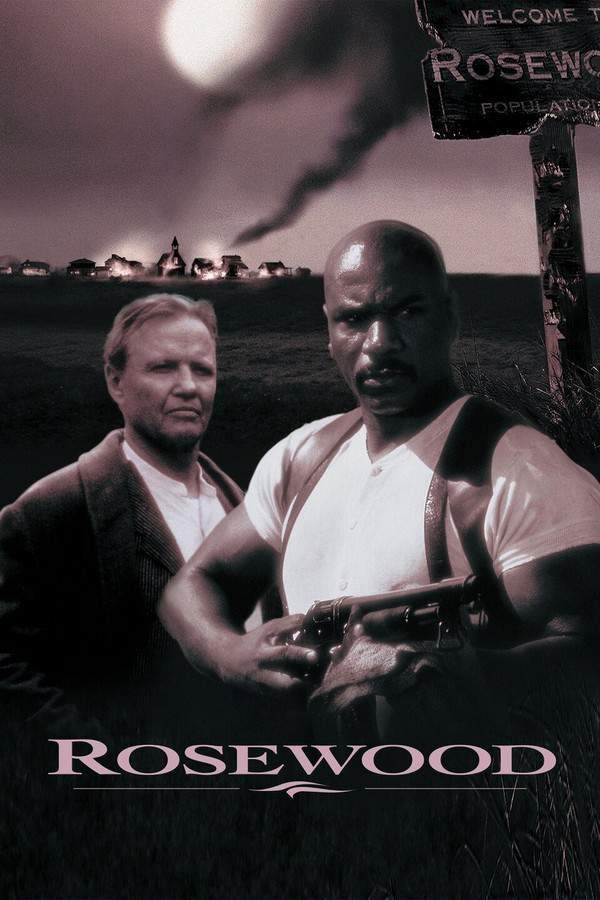
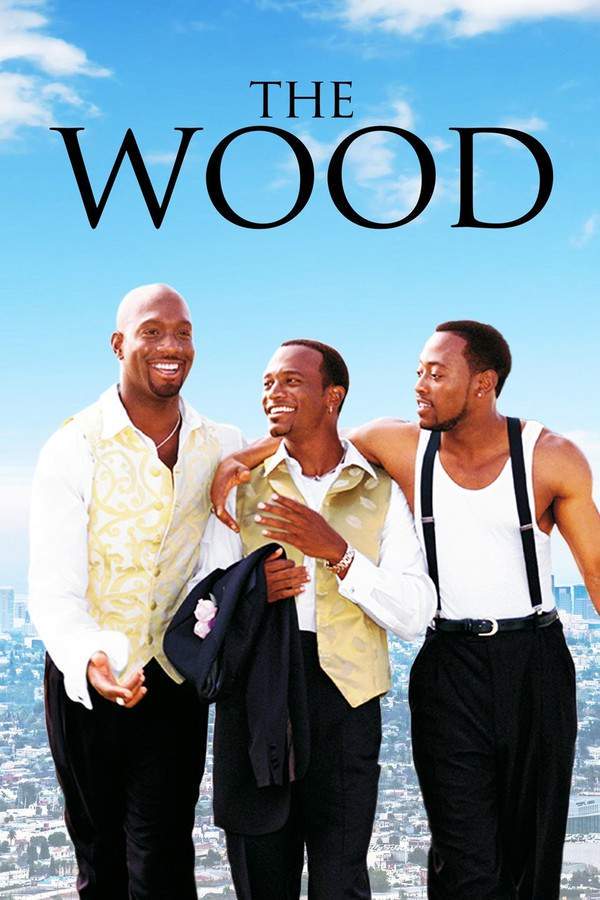
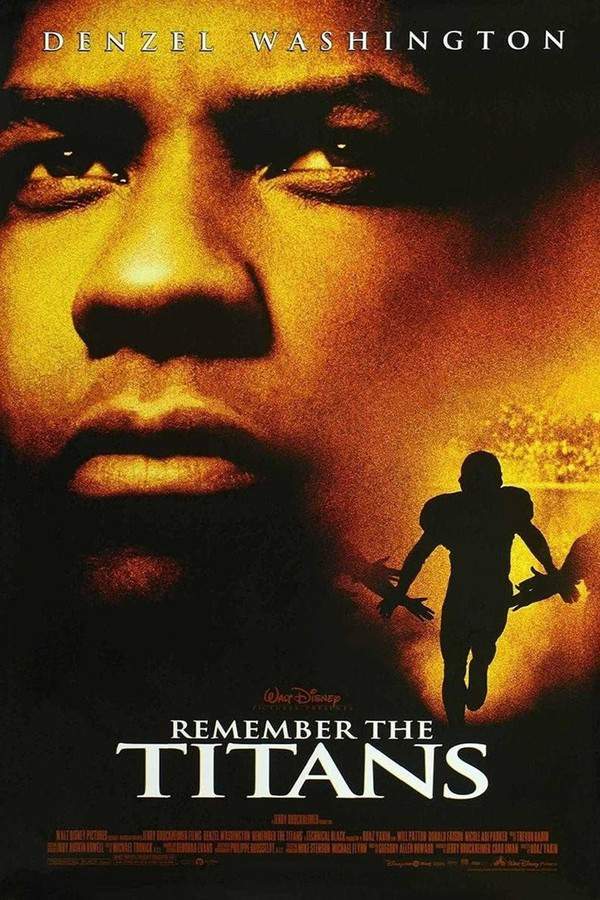




Featured on this page

What's After the Movie?
Not sure whether to stay after the credits? Find out!
Check out our other apps:

SAT Sphere
Build confidence for the Digital SAT.

Mori Atlas
Discover wild places worth protecting.

Luntero
Search smarter for a home in Amsterdam.

Plot Explained
Unravel movie endings and hidden clues.

Pokechamp
Dive into Pokémon data and battle logic.

Driving Theory
Get ready for your European theory test.

Movie Dust
Plan your next cinema trip with ease.

Musemap
Find art and culture as you travel.

Selkobase
Compare credentials before committing.

Local Manual
Turn an unfamiliar country into practical next steps.

Lernavi
Compare school systems before your next move.

GymRoam
Find a workout stop wherever your plans take you.
Explore Our Movie Platform
New Movie Releases (2026)
Famous Movie Actors
Top Film Production Studios
Movie Plot Summaries & Endings
Major Movie Awards & Winners
Best Concert Films & Music Documentaries
Movie Collections and Curated Lists
© 2026 What's After the Movie. All rights reserved.
Privacy Policy