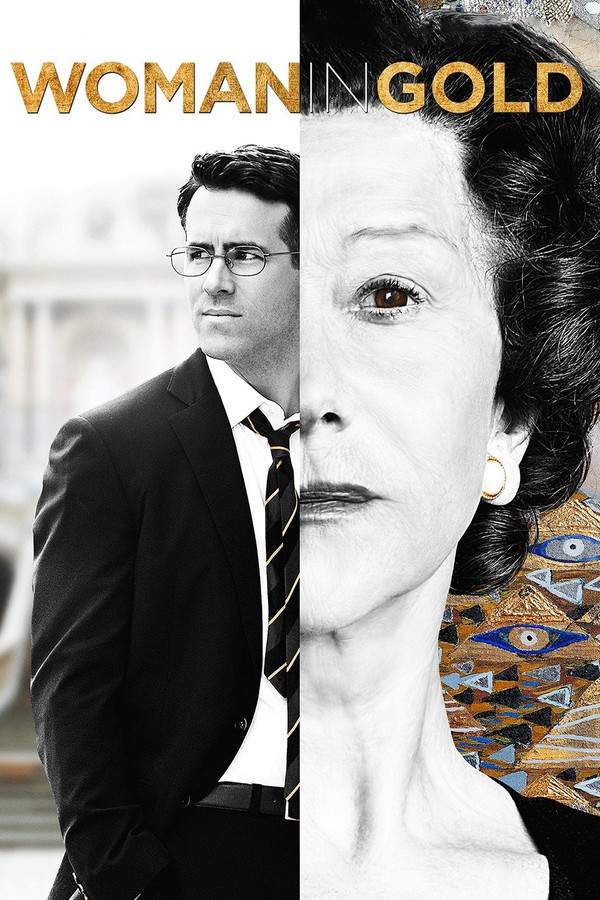
Woman in Gold 2015


Directed by

Simon Curtis
Made by

Weinstein Company, The
Where to Watch Woman in Gold
See current US streaming, rental, and purchase options for Woman in Gold (2015) via JustWatch.

Lionsgate+ Amazon Channels
HD
Hoopla
SD
Kanopy
HD
Tubi TV
SD
YouTube Free
HD
Amazon Video
HD
Apple TV Store
HD
Fandango At Home
HD
Google Play Movies
SD
YouTube
SD Streaming availability powered by 
Woman in Gold Plot Summary
Read the complete plot summary and ending explained for Woman in Gold (2015). From turning points to emotional moments, uncover what really happened and why it matters.
As Maria Altmann, portrayed by Helen Mirren, reflects on her life during her sister’s funeral in Los Angeles, she is suddenly transported back to the harrowing days of the Anschluss. In this turbulent period, Nazi forces invaded Vienna, wreaking havoc on Jewish families and leading to their desperate flight. Maria’s recollections are tinged with heartbreak, especially as she remembers the agonizing choice that forced her family to flee to the United States, leaving her parents behind.
In the present, a twist of fate introduces Maria to a set of letters from the late 1940s, igniting a powerful journey to reclaim art looted during her family’s escape from Austria. Central to this quest is “The Woman in Gold,” a beloved portrait of her aunt, Adele Bloch-Bauer. With renewed determination, Maria enlists the help of E. Randol Schoenberg, the son of her dear friend Barbara, played by Ryan Reynolds. Although inexperienced, Schoenberg is eager to take on the challenge of retrieving the painting from the grasp of Austria’s art restitution board.
Returning to her homeland is a daunting task for Maria, as she faces a hostile minister and art director, steadfast in their belief that the painting has become intertwined with Austria’s national identity. Yet, as they piece together the truth, it surfaces that the alleged will granting the gallery ownership of the painting holds no validity. Digging deeper uncovers a bitter reality: Adele Bloch-Bauer did not truly own the work, as her husband had covered the artist’s fee on her behalf, and the Nazis, along with a complicit curator, had seized the family heirloom.
Despite their challenges, Schoenberg bravely files a formal appeal with the art restitution board, only to see their requests denied and Maria’s financial resources dwindle. Consequently, they return to the United States, their aspirations of finding justice still unhealed. It’s in this moment of despair that Schoenberg stumbles upon the striking image of “Woman in Gold,” which sparks a renewed fire in him. Utilizing a narrow legal precedent and applying a retroactive art restitution law, he forges an argument against the Austrian government’s claim.
The case eventually reaches the Supreme Court of the United States, where a landmark ruling favors Altmann, igniting a frenzy as the Austrian government desperately tries to convince her to keep the painting for the gallery’s sake. However, the process is fraught with tension, especially as Maria and Schoenberg have a heated disagreement over their approach. In a dramatic shift, she consents to allow him to present their case before three arbitrators in Vienna, who hold the power to decide the painting’s fate.
Upon their arrival in Austria, Schoenberg’s fervent appeal to the arbitration panel transcends mere legal arguments—it’s a profound reminder of the human cost of the atrocities committed during the Holocaust. He poignantly urges them to look beyond the art galleries and see the families shattered by the greed of the past.
In a surprising turn, Maria appears at the arbitration session, underscoring her unwavering resolve for justice. As the panel deliberates, Schoenberg’s passionate plea resonates deeply, presenting a moral challenge that they cannot overlook. Ultimately, the arbitration panel sides with Altmann, delivering a ruling that reverberates throughout the art community.
In a last-ditch effort, the representative from the Austrian government implores Maria to reconsider, offering a generous compensation to keep the painting within the esteemed Belvedere gallery. Defiantly, she declines, choosing to accept Ronald Lauder’s proposal to purchase the artwork for a New York gallery, insisting that it be displayed as a permanent exhibit—a powerful symbol of justice and the relentless pursuit of reclaiming what was unjustly taken.
Woman in Gold Timeline
Follow the complete movie timeline of Woman in Gold (2015) with every major event in chronological order. Great for understanding complex plots and story progression.
Maria Reflects on Her Past
As Maria Altmann attends her sister's funeral in Los Angeles, she finds herself engulfed in memories of her youth during a tumultuous time in Vienna. This reflection transports her back to the days of the Anschluss, where her family's life was turned upside down.
Nazi Invasion of Vienna
The Nazi forces invade Vienna, leading to widespread chaos and the displacement of Jewish families. It marks a heartbreaking chapter for Maria as she recalls the desperate measures her family took to survive this dark period.
The Family's Desperate Flight
Caught in the turmoil wrought by the Nazis, Maria's family makes the agonizing decision to flee Austria. However, this escape comes with a painful cost as they must leave behind their parents, leaving a lasting imprint on Maria's heart.
Discovery of Letters
In the present, Maria discovers a set of letters from the late 1940s that reignites her quest to reclaim family art looted during their escape. This discovery becomes the catalyst for her journey to recover significant pieces of her family's history.
Introduction to E. Randol Schoenberg
Maria seeks assistance from E. Randol Schoenberg, the son of her late friend, to help reclaim 'The Woman in Gold.' Though inexperienced, Randol is determined to navigate the complexities of art restitution law on behalf of Maria.
Facing Hostility in Austria
Returning to Austria proves to be fraught with challenges as Maria confronts a hostile minister and art director who are reluctant to return the painting. Their refusal reinforces the notion that the artwork is now part of Austria's national identity.
Uncovering the Truth
During their investigation, Maria and Randol discover that the will granting the gallery ownership of the painting is invalid. They reveal that the Nazis took the family heirloom under false pretenses, intensifying their resolve to retrieve it.
Filing the Formal Appeal
Schoenberg files a formal appeal with the art restitution board, but their application is swiftly denied. With Maria's financial resources dwindling, they return to the United States, feeling defeated yet determined to seek justice.
Discovering Legal Precedents
In a moment of inspiration, Schoenberg stumbles upon a narrow legal precedent that could support their case. He prepares to use this information to challenge the Austrian government's claims regarding the painting.
Case Reaches the Supreme Court
The legal battle escalates when Maria's case reaches the Supreme Court of the United States. A landmark ruling is delivered in her favor, prompting a frantic response from the Austrian government to convince her to keep the artwork.
Heated Disagreement
Tensions rise between Maria and Schoenberg as they argue about their legal strategies. Their differing opinions on how to address the painting's future create conflict but ultimately push them towards a shared goal.
Arbitration Panel Hearing
During their arbitration session in Vienna, Schoenberg delivers a passionate appeal that transcends legal arguments. He urges the panel to remember the human lives and families affected by the Holocaust rather than just the painting's monetary value.
Maria's Powerful Presence
In a surprising move, Maria attends the arbitration session, showcasing her determination for justice. Her presence serves as a stark reminder of the personal history and loss intertwined with the art they fight to reclaim.
Ruling in Favor of Altmann
The arbitration panel ultimately rules in favor of Maria Altmann, a decision that sends shockwaves through the art community. This ruling highlights the broader implications of art restitution and the historical injustices faced by Jewish families.
Declining the Austrian Offer
In a final attempt, the Austrian government offers Maria a substantial compensation to keep 'The Woman in Gold' within their gallery. Defiantly, she rejects their offer and accepts a proposal from Ronald Lauder to purchase the artwork for display in New York.
Woman in Gold Characters
Explore all characters from Woman in Gold (2015). Get detailed profiles with their roles, arcs, and key relationships explained.
Maria Altmann
Maria Altmann is a brave and determined woman who confronts her painful past to reclaim her family's looted art. The emotional weight of her experiences during the Holocaust shapes her resolute character. As she faces bureaucratic challenges, Maria's strength and resolve shine through, embodying the fight for justice.
E. Randol Schoenberg
E. Randol Schoenberg is an ambitious young lawyer who takes on the challenge of helping Maria Altmann reclaim her family's art. Although inexperienced, his passion and commitment to the case drive him to use unconventional legal strategies. His journey reflects personal growth as he learns the weight of history and justice.
Woman in Gold Settings
Learn where and when Woman in Gold (2015) takes place. Explore the film’s settings, era, and how they shape the narrative.
Time period
1938, 1940s, Present Day
The movie spans several decades, beginning in 1938 with the Anschluss, when Nazi forces invaded Austria and wreaked havoc on Jewish families. The story later shifts to the late 1940s when letters spark Maria's quest to reclaim artwork looted during the war, culminating in present-day legal battles to retrieve her family's heritage.
Location
Los Angeles, Vienna, Austria
Los Angeles serves as the present-day backdrop where Maria Altmann reflects on her life and embarks on a journey to reclaim her family's lost art. Vienna, Austria, is significant as it represents the historical heartache and turmoil faced by Jewish families during the Nazi invasion, particularly for Maria's family who were forced to flee.
Woman in Gold Themes
Discover the main themes in Woman in Gold (2015). Analyze the deeper meanings, emotional layers, and social commentary behind the film.
⚖️
Justice
The pursuit of justice drives the narrative as Maria Altmann fights to reclaim her family's stolen artwork. The film explores the moral implications of restitution and the importance of acknowledging past injustices. Through her journey, it highlights the resilience of the human spirit in the face of adversity.
🎨
Art and Identity
Art serves as a powerful symbol of cultural identity and heritage in the movie. Maria's quest underscores the emotional connection between art and familial history. The film reveals how the theft of art during the Holocaust is reminiscent of the broader loss of identity experienced by Jewish families.
💔
Loss and Memory
The theme of loss permeates the film as Maria reflects on her family's escape from Austria, leaving behind her parents and their legacy. The struggle to reclaim lost art serves as a metaphor for remembering the past and honoring those who suffered. It emphasizes the duty to remember the atrocities committed and the families torn apart.

Coming soon on iOS and Android
The Plot Explained Mobile App
From blockbusters to hidden gems — dive into movie stories anytime, anywhere. Save your favorites, discover plots faster, and never miss a twist again.
Sign up to be the first to know when we launch. Your email stays private — always.
Explore the mobile appWoman in Gold Spoiler-Free Summary
Discover the spoiler-free summary of Woman in Gold (2015). Get a concise overview without any spoilers.
In the quiet aftermath of a world torn by conflict, an elderly woman sits among the memories of a bygone era, the echo of her family’s lost heritage still resonating in the air. The story opens against the backdrop of post‑war Europe and the bustling streets of Los Angeles, where the lingering shadows of history press against everyday life. The atmosphere blends a reverent melancholy with a determined optimism, inviting viewers to feel the weight of memory while sensing the promise of righting a long‑standing wrong.
When Maria Altmann discovers a clue that could restore a priceless piece of her family’s past—Gustav Klimt’s celebrated “Lady in Gold”—she embarks on a quest that quickly moves beyond personal longing. To navigate the labyrinth of bureaucracy and legal precedent, she enlists the help of a passionate, if still‑green, advocate, Randy Schoenberg. Their dynamic is one of quiet resolve tempered by sharp wit; Maria’s lived experience meets Randy’s idealistic vigor, creating a partnership that feels both intimate and purposeful. The tone remains cinematic yet grounded, balancing the gravitas of historical injustice with moments of heartfelt humanity.
Their journey threads through continents and courtrooms, tracing a line from the ornate galleries of Vienna to the towering pillars of American jurisprudence. As they contend with institutional inertia and the weight of national identity, the film paints a portrait of perseverance, where the stakes are as much about personal dignity as they are about cultural restitution. The narrative invites curiosity, hinting at the broader implications of reclaiming a stolen masterpiece while keeping the focus firmly on the characters’ steadfast courage and the elegant, tension‑charged world they must navigate.
Movies with Similar Twists and Themes
Uncover films that echo the narrative beats, emotional arcs, or dramatic twists of the one you're exploring. These recommendations are handpicked based on story depth, thematic resonance, and spoiler-worthy moments — perfect for fans who crave more of the same intrigue.



Featured on this page

What's After the Movie?
Not sure whether to stay after the credits? Find out!
Check out our other apps:

SAT Sphere
Build confidence for the Digital SAT.

Mori Atlas
Discover wild places worth protecting.

Luntero
Search smarter for a home in Amsterdam.

Plot Explained
Unravel movie endings and hidden clues.

Pokechamp
Dive into Pokémon data and battle logic.

Driving Theory
Get ready for your European theory test.

Movie Dust
Plan your next cinema trip with ease.

Musemap
Find art and culture as you travel.

Selkobase
Compare credentials before committing.

Local Manual
Turn an unfamiliar country into practical next steps.

Lernavi
Compare school systems before your next move.

GymRoam
Find a workout stop wherever your plans take you.
Explore Our Movie Platform
New Movie Releases (2026)
Famous Movie Actors
Top Film Production Studios
Movie Plot Summaries & Endings
Major Movie Awards & Winners
Best Concert Films & Music Documentaries
Movie Collections and Curated Lists
© 2026 What's After the Movie. All rights reserved.
Privacy Policy