
Why Shoot the Teacher? 1977

Directed by

Karen Bernstein
Made by

Lancer Productions Limited
Where to Watch Why Shoot the Teacher?
See current US streaming, rental, and purchase options for Why Shoot the Teacher? (1977) via JustWatch.


Streaming availability powered by 
Why Shoot the Teacher? Plot Summary
Read the complete plot summary and ending explained for Why Shoot the Teacher? (1977). From turning points to emotional moments, uncover what really happened and why it matters.
Set in 1935, during the Depression, Max Brown Bud Cort leaves the urban East to take a teaching post at a one-room rural schoolhouse in Willowgreen, Saskatchewan—a fictional settlement. He chooses to live in the school’s basement, facing the bleak realities of life in a remote community and the loneliness that comes with such isolation. The winter looms large, and the paltry pay and sparse resources compound the hardship of starting over far from home.
His early days are rough; the students are rebellious, their defiance echoing the tough times outside the classroom doors. Yet, as the season unfolds, a quiet connection grows between the teacher and his surroundings, and he finds a form of emotional support in Alice Field Samantha Eggar, who comes to him in moments of distress. The two strangers begin to lean on each other as the town’s tensions seep into the school, coloring lessons with personal history and unspoken needs.
As Max slowly understands Willowgreen’s hardships, he becomes entangled in the town’s shifting currents. Harris Montgomery Gary Reineke brings his own political ambitions and frustrations into the mix, while Alice Field’s status as a war bride from Britain adds another layer of complexity to the local dynamics. The pair look to Max to help untangle their problems, turning the classroom into a stage for larger questions about society, loyalty, and resilience in hard times. The mood remains intimate and observational, with the rural landscape itself acting as a quiet, constant presence that tests and trains Max’s own ideals.
A formal inspection arrives in the form of Inspector Woods Kenneth Griffith, who comes to evaluate Max’s teaching. The visit casts a shadow over the season, and the outcome of the assessment hints at the uncertain future of both the school and its new teacher. The tension between what the town needs and what a young educator can offer becomes a focal point, highlighting the fragility of hope under economic strain and social friction.
As the school year comes to a close, Max boards a train back east, carrying the weight of the winter and the lessons learned in Willowgreen. Yet the closing words reveal a commitment that endures: he returns the next September to teach another year at Willowgreen, choosing to stay connected to the people who changed his understanding of work, community, and belonging. This decision underscores the film’s patient, observational tone—an elegy for a place and time where education becomes a lifeline and connection, fragile yet enduring, can reform a heart and a community alike.
Why Shoot the Teacher? Timeline
Follow the complete movie timeline of Why Shoot the Teacher? (1977) with every major event in chronological order. Great for understanding complex plots and story progression.
Arrival at Willowgreen and teaching appointment
Max Brown travels to Willowgreen in the midst of the Depression to take a teaching post at the local one-room school. He accepts the position and begins planning a new life far from the East. The move sets in motion a challenging, transformative year.
Moving into the schoolhouse basement
Max chooses to live in the schoolhouse basement, embracing a frugal, isolated existence. The cramped space sharpens his sense of solitude and the harsh realities of rural life. He steels himself for the hard months ahead.
First days with rebellious students
The class is unruly at first, with students challenging Max and testing the limits of authority. He must adapt his teaching style to a culture very different from the city schools. The early friction foreshadows the tough but rewarding bond to come.
Understanding Willowgreen's struggles
As autumn arrives, Max begins to see the systemic struggles of Willowgreen and its people. He gains a deeper understanding of the rural economy, gender roles, and the limits of opportunity in the Depression. This awareness shifts his perspective from outsider to invested observer.
Growing connection with Alice Field
Max and Alice Field grow closer as she leans on him for emotional support and he offers companionship. The bond provides respite from loneliness and reveals a shared longing for stability amid uncertainty. This relationship deepens his commitment to Willowgreen.
Winter hardship and isolation
Winter settles in with freezing days and scarce resources. Max endures the chill, minimal pay, and a growing sense of isolation. He clings to his students and the few people who offer warmth in an otherwise bleak season.
Pressure to solve town troubles
Harris Montgomery and Alice Field urge Max to use his position to help resolve their political and personal issues. He becomes entwined in Willowgreen's conflicts, blurring the line between teacher and confidant. The burden tests his limits as an outsider trying to help a community in crisis.
Inspector arrives to evaluate the work
An inspector visits the school to assess Max's performance and the overall state of education in Willowgreen. The visit highlights the gap between ideal teaching and a community with scarce resources. Max feels the pressure of external judgment on his year-long effort.
The inspection's outcome
The inspector's findings are not encouraging, casting doubt on Max's ability to succeed in the rural setting. The town questions whether an outsider can truly teach in Willowgreen. Despite the setback, Max remains focused on his students and their resilience.
End of the school year and departure
The school year ends and Max boards a train back East. He reflects on the lessons learned from the students and the town's tenacity in the face of poverty. The departure signals a pause, not an end, to his Willowgreen journey.
Return promised for September
Before the credits roll, Max reveals that he will return the following September to teach again at Willowgreen. The vow hints at a renewed commitment and a hopeful continuation of his relationship with the community.
Why Shoot the Teacher? Characters
Explore all characters from Why Shoot the Teacher? (1977). Get detailed profiles with their roles, arcs, and key relationships explained.
Max Brown - Bud Cort
A fresh college graduate thrust into a rural Saskatchewan classroom, Max is idealistic, compassionate, and determined to make a difference. He endures physical and emotional isolation while learning to adapt in a one-room schoolhouse. His growing bond with Alice Field and the pressures from the town define his growth over the school year.
Alice Field - Samantha Eggar
A British war bride whose relationship with Max provides emotional support and vulnerability. She navigates personal history and communal tensions, becoming a catalyst for Max’s understanding of Willowgreen. Her presence also intersects with the town’s social and political dynamics.
Harris Montgomery - Gary Reineke
A resident advocating for socialist ideas, Montgomery embodies political tension within the struggling community. He views Max as a potential instrument for his worldview, testing Max’s ethics and autonomy. His involvement highlights how ideology clashes with personal survival in hard times.
Inspector Woods - Kenneth Griffith
The inspector arrives to assess Max’s teaching methods, representing external judgment from authorities. His scrutiny adds pressure on Max and exposes fractures within the town’s support systems. The visit frames the film’s climax and the fate of the school year.
Why Shoot the Teacher? Settings
Learn where and when Why Shoot the Teacher? (1977) takes place. Explore the film’s settings, era, and how they shape the narrative.
Time period
1935-1936
The story unfolds in the mid-1930s, a period defined by the Great Depression and widespread economic struggle. Rural Saskatchewan faces scarce jobs, sparse resources, and severe winters that shape daily life. The timeline follows a school year that ends with plans to return for another term in September, underscoring the ongoing cycle of hardship and renewal in Willowgreen.
Location
Willowgreen, Saskatchewan
Willowgreen is a fictional rural settlement in Saskatchewan anchored by a single-room schoolhouse. The town sits far from larger centers, with harsh winters that amplify hardship during the Depression. The setting emphasizes the isolation of rural life and the quiet resilience of its inhabitants.
Why Shoot the Teacher? Themes
Discover the main themes in Why Shoot the Teacher? (1977). Analyze the deeper meanings, emotional layers, and social commentary behind the film.
🌨️
Isolation
Max relocates to Willowgreen and lives in the school basement, intensifying his emotional and physical separation from the outside world. The bleak landscape and sparse population magnify his vulnerability while pushing him toward inner reflection. Yet isolation also drives intimate connections with his students as they seek understanding and belonging.
🤝
Community
In a harsh economy, the tiny town becomes a testing ground for resilience and cooperation. Max’s teaching acts as a beacon that unites students, Alice, and Montgomery as they navigate shared struggles. The narrative shows how education, friendship, and small acts of support sustain people when opportunities are scarce.
💘
Love
A romance develops between Max and Alice Field, offering emotional sustenance amid deprivation. Their relationship faces scrutiny from social pressures and personal insecurities, highlighting how affection persists even as futures feel uncertain. Love also reveals vulnerabilities and power dynamics within the community.
💸
Poverty
Max is barely paid and resources are limited, with poverty shaping every decision in Willowgreen. The economic strain fuels conflicts and prompts characters to try to leverage Max for their own ends. The hardship frames the stakes of teaching, loyalty, and survival.

Coming soon on iOS and Android
The Plot Explained Mobile App
From blockbusters to hidden gems — dive into movie stories anytime, anywhere. Save your favorites, discover plots faster, and never miss a twist again.
Sign up to be the first to know when we launch. Your email stays private — always.
Explore the mobile appWhy Shoot the Teacher? Spoiler-Free Summary
Discover the spoiler-free summary of Why Shoot the Teacher? (1977). Get a concise overview without any spoilers.
In the bitter winter of 1935, a young teacher named Max Brown arrives in the fictional hamlet of Willowgreen, Saskatchewan, to take charge of a solitary, one‑room schoolhouse. The landscape is a stark sweep of snow‑bound fields, and the town’s modest resources reflect the lingering grip of the Depression. Max trades a cramped basement for a modest living space, confronting the relentless cold, the uneven flow of a meager paycheck, and the quiet ache of isolation that accompanies life on the edge of the prairie.
Within this frozen tableau, Alice Field appears as a recent war bride, her presence a subtle counterpoint to Max’s newcomer status. Their tentative companionship offers a glimpse of warmth amid the harshness, hinting at the ways strangers can become anchors for one another when the world feels unmoored. The community’s rhythm—its unspoken codes, the occasional flash of defiance from older pupils, and the shared struggle to endure—provides both backdrop and catalyst for Max’s evolving sense of purpose.
The town’s social fabric is further textured by Harris Montgomery, a local figure whose ambitions and frustrations are inextricably linked to the broader currents of the era. His interactions with Max and the others underscore the delicate balance between personal aspirations and communal survival, suggesting that every conversation carries the weight of larger, unspoken concerns.
Adding an official layer to the atmosphere, Inspector Woods arrives to assess the school’s progress, casting a quiet tension over the season. His presence underscores the fragile hope that education can foster in a place where resources are thin and expectations are high. The film moves with a patient, observational tone, allowing the stark beauty of the prairie winter and the understated dynamics of its inhabitants to linger in the viewer’s mind, inviting reflection on resilience, belonging, and the quiet power of a single classroom in a vast, indifferent world.
Movies with Similar Twists and Themes
Uncover films that echo the narrative beats, emotional arcs, or dramatic twists of the one you're exploring. These recommendations are handpicked based on story depth, thematic resonance, and spoiler-worthy moments — perfect for fans who crave more of the same intrigue.


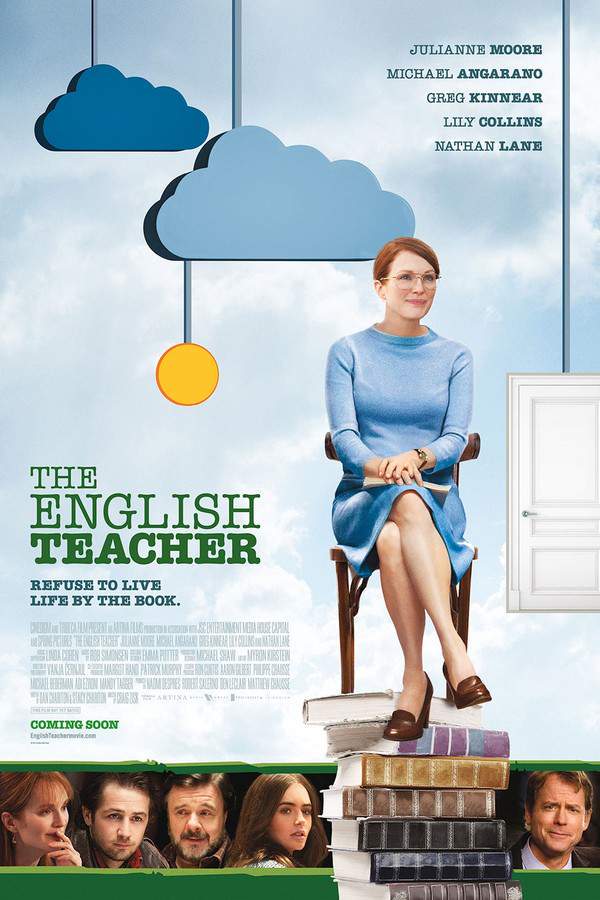
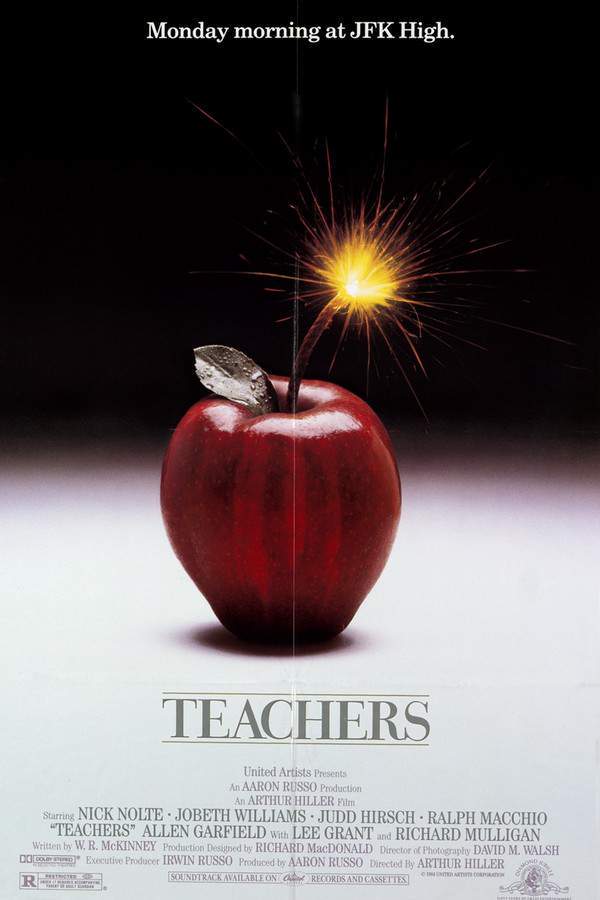


Featured on this page

What's After the Movie?
Not sure whether to stay after the credits? Find out!
Check out our other apps:

SAT Sphere
Build confidence for the Digital SAT.

Mori Atlas
Discover wild places worth protecting.

Luntero
Search smarter for a home in Amsterdam.

Plot Explained
Unravel movie endings and hidden clues.

Pokechamp
Dive into Pokémon data and battle logic.

Driving Theory
Get ready for your European theory test.

Movie Dust
Plan your next cinema trip with ease.

Musemap
Find art and culture as you travel.

Selkobase
Compare credentials before committing.

Local Manual
Turn an unfamiliar country into practical next steps.

Lernavi
Compare school systems before your next move.

GymRoam
Find a workout stop wherever your plans take you.
Explore Our Movie Platform
New Movie Releases (2026)
Famous Movie Actors
Top Film Production Studios
Movie Plot Summaries & Endings
Major Movie Awards & Winners
Best Concert Films & Music Documentaries
Movie Collections and Curated Lists
© 2026 What's After the Movie. All rights reserved.
Privacy Policy