
Whose Life Is It Anyway? 1981

Directed by

John Cassavetes
Made by

SLM Production Group
Where to Watch Whose Life Is It Anyway?
See current US streaming, rental, and purchase options for Whose Life Is It Anyway? (1981) via JustWatch.






Whose Life Is It Anyway? Plot Summary
Read the complete plot summary and ending explained for Whose Life Is It Anyway? (1981). From turning points to emotional moments, uncover what really happened and why it matters.
Set in Boston, this drama follows Ken Harrison, a sculptor who becomes paralyzed from the neck down after a car accident. He loses the ability to use his hands, to walk, to feed himself, to create art, or to experience a normal life, and the world that once brought him joy narrows to the four walls of a hospital room. The weight of his new reality pushes him toward a difficult question: does he have the right to end his life when every other option feels out of reach?
The hospital’s stance is clear and firm. He asks to be discharged so he can pursue death on his own terms, but the hospital administrator, Dr. Michael Emerson, refuses, holding a strict line against euthanasia. This clash sets the tone for a moral and legal battle that tests not only Harrison’s resolve but the ethics of those who care for him. His decision also shatters personal ties: he ends things with his girlfriend, Pat, who is initially devastated but eventually comes to accept that their relationship cannot survive under the weight of his choice.
To navigate the crisis, Harrison hires Carter Hill, a lawyer who is reluctant at first but ultimately agrees to champion his case. The legal path is complex and public, and Harrison presents his case as a fundamental assertion of autonomy: the right to determine the course of one’s own life. Across the hospital, the human dimension of the story unfolds through the care of his medical team. Dr. Clare Scott proves deeply empathetic, forming a bond with Harrison and wrestling with the impulse to keep him alive even as he seeks permission to die.
In the background of the clinical routines, lighter moments emerge through small acts of kindness. A young male orderly, orderly John, and a young nurse, Nurse Rodriguez, do what they can to lift his spirits. They wheel him into the basement for a late-night treat—a live reggae rhythm and a sense of normalcy that briefly reminds him of music, movement, and life beyond the ward. These scenes soften the heaviness of his struggle and remind viewers that human connection can sustain hope even in the darkest hours.
The drama culminates in a courtroom where Judge Wyler weighs the arguments and the precedents he uncovers in his research. The judge ultimately sides with Harrison, affirming that it is his right to decide how his life should unfold, a decision that reframes his relationship with his own mortality and with those who have cared for him.
Back in the hospital, the moment of choosing arrives. Dr. Clare Scott prepares Harrison for the end, a quiet, intimate ritual that carries immense emotional weight. She leans toward him with a tenderness born of professional duty and personal longing, but he turns his head, signaling that the time has come to face death without accompaniment. She closes the shade beside his bed, giving him space to pass away on his own terms, in a final act that speaks to dignity, agency, and the enduring humanity of both the patient and the caregivers who supported him.
Whose Life Is It Anyway? Timeline
Follow the complete movie timeline of Whose Life Is It Anyway? (1981) with every major event in chronological order. Great for understanding complex plots and story progression.
Accident and paralysis redefine Ken Harrison's life
Ken Harrison, a Boston-based sculptor, is critically injured in a car crash and left paralyzed from the neck down. He discovers he can no longer use his hands, stand, or feed himself, shattering his sense of purpose. In the hospital, he confronts the prospect of a life he cannot live and decides he wants to end his life, if he can do so on his own terms.
Hospital administrator refuses discharge
Harrison asks for discharge to end his life, but Dr Emerson, the hospital administrator, is firmly opposed to euthanasia and rejects the request. Emerson argues for keeping him alive and managing his care instead of assisting a death. The conflict underscores the film's central ethical clash.
Pat ends the relationship
Harrison ends his relationship with Pat after revealing his new reality and wish to end his life. Pat is distraught by the news but eventually accepts that their life together cannot continue. The breakup highlights the personal cost of his decision.
Harrison hires lawyer Carter Hill
Harrison decides to pursue a legal route and hires Carter Hill, a lawyer. Hill is initially reluctant to take the case but eventually agrees to represent him. This legal decision sets up the central court battle over his right to die.
Harrison petitions the hospital for the right to die
With Hill's help, Harrison files a formal petition asking the hospital and physicians to honor his wish to end his life. The petition triggers review of patient rights and medical ethics. The hospital's response becomes a focal point of the film's debate.
Claire Scott becomes Harrison's sympathetic physician
Dr. Claire Scott develops genuine sympathy for Harrison and grapples with the possibility of keeping him alive against his wishes. She acknowledges his suffering and questions the morality of prolonging a life he doesn't want. Her internal conflict adds a personal dimension to the medical drama.
Care staff boost his spirits with a basement visit
A young orderly and a young nurse lift Harrison's spirits by wheeling him into the hospital basement for a live reggae concert and marijuana. The escape from the ward offers him brief joy and human connection in his grim reality. The scene underscores how small acts can sustain hope even as the medical debate continues.
The legal hearing begins
A formal hearing takes place where Harrison presents his arguments for autonomy over his own death. He cites his suffering, autonomy, and right to decide. The hearing frames the moral and legal question of a patient's right to end life.
Judge rules in Harrison's favor
The judge reviews precedents and sides with Harrison, affirming that he has the right to choose euthanasia under the circumstances. The ruling is a pivotal victory that validates his decision and shifts momentum toward his end.
Claire readies Ken for death
In the final stage, Claire prepares Harrison for death in his bed and wrestles with her feelings. She attempts to kiss him, but he turns his head, signaling that he cannot accept her closeness as part of his last moments. She leaves him with the shade drawn, allowing him to pass in his own terms.
Ken dies on his own terms
With his fate sealed by the court and his own resolve, Harrison passes away in the hospital as his loved ones confront the consequences. The death scene marks the culmination of his quest for control over his life and death.
Whose Life Is It Anyway? Characters
Explore all characters from Whose Life Is It Anyway? (1981). Get detailed profiles with their roles, arcs, and key relationships explained.
Ken Harrison (Richard Dreyfuss)
A once-creative sculptor who is paralyzed from the neck down and suddenly confronted with the loss of independence and purpose. He remains determined and mentally sharp, seeking control over his life and death. His insistence on ending his life clashes with medical and legal authorities.
Dr. Michael Emerson (John Cassavetes)
The hospital administrator who staunchly opposes euthanasia and fights to preserve Ken's life. He embodies institutional authority and a paternalistic approach to patient care, often opposing Ken's wishes.
Dr. Clare Scott (Christine Lahti)
A compassionate physician who becomes personally involved with Ken. She wants to keep him alive, balancing empathy with medical duty, and she struggles with the ethical implications of her patient’s choice.
Pat (Patricia) (Janet Eilber)
Ken's girlfriend who initially mourns the possibility of losing him but ultimately accepts that their relationship cannot continue as a result of his decision. Her arc highlights how personal relationships react to life-and-death choices.
Carter Hill (Bob Balaban)
A lawyer hired to represent Ken’s right to die. He is at first reluctant but ultimately advocates for Ken's legal option to end his life, navigating the complexities of the medical and legal system.
Whose Life Is It Anyway? Settings
Learn where and when Whose Life Is It Anyway? (1981) takes place. Explore the film’s settings, era, and how they shape the narrative.
Location
Boston, hospital
Set in Boston, the story unfolds primarily inside a major urban hospital. The setting highlights the contrast between a busy, impersonal medical institution and the intimate drama of a patient deciding life or death. Boston's medical and legal culture provides a backdrop for the ethical debates around euthanasia.
Whose Life Is It Anyway? Themes
Discover the main themes in Whose Life Is It Anyway? (1981). Analyze the deeper meanings, emotional layers, and social commentary behind the film.
⚖️
Autonomy
Ken Harrison's fight to control his fate raises questions about patient autonomy and the right to die. The hospital's response, led by Dr. Emerson, pushes the boundaries of life-sustaining care and discharge policies. A legal hearing later tests whether individual choice can override medical authority.
❤️
Love vs Duty
Love and care clash with professional duties as Dr. Clare Scott wrestles with her growing feelings for Ken while trying to preserve his life. Pat's decision to accept the end of their relationship underlines how personal ties influence perceived value of life. The film uses these relationships to explore whether compassion can justify overriding a patient's requests.
🧭
Ethics & Law
Ethical questions about euthanasia and patient rights drive the plot beyond medical treatment. The story scrutinizes how law, medicine, and personal beliefs shape the outcome of Ken's fate. The courtroom becomes a battleground where the meaning of autonomy is argued.

Coming soon on iOS and Android
The Plot Explained Mobile App
From blockbusters to hidden gems — dive into movie stories anytime, anywhere. Save your favorites, discover plots faster, and never miss a twist again.
Sign up to be the first to know when we launch. Your email stays private — always.
Explore the mobile appWhose Life Is It Anyway? Spoiler-Free Summary
Discover the spoiler-free summary of Whose Life Is It Anyway? (1981). Get a concise overview without any spoilers.
In the bustling streets of Boston, a hospital room becomes the world for a once‑renowned sculptor whose hands now lie still. Ken Harrison awakens to a reality where speech and the slightest turn of his head are his only means of expression, and the studio that once echoed with the rhythm of his chisel is replaced by the soft beeping of monitors. The film settles into this intimate, sterile setting, letting the contrast between the vibrant life of art and the quiet confinement of a hospital shape its emotional palette.
Around him, a small community of caregivers and loved ones begins to orbit, each bringing their own shades of compassion and conflict. The hospital’s administration, embodied by Dr. Michael Emerson, upholds a firm stance against assisted dying, creating a moral counterpoint to Ken’s yearning for agency. His long‑time partner, Pat, grapples with the ache of an evolving relationship, while the steady empathy of Dr. Clare Scott offers a nuanced view of duty versus desire. The everyday rituals of nurses, orderlies, and visitors lend moments of humanity that soften the starkness of his condition.
When Ken decides to assert his right to choose the end of his own story, the narrative expands beyond the ward into the public arena of law and ethics. He enlists the help of a hesitant attorney, Carter Hill, whose gradual commitment mirrors the film’s deliberate pacing—slow, thoughtful, and reluctant to rush into verdicts. The looming courtroom becomes a stage for broader questions about autonomy, dignity, and the limits of medical authority, framed by the same quiet intensity that defines the hospital’s corridors.
The tone remains contemplative, blending restrained drama with flickers of tenderness. Lightness surfaces in fleeting scenes—a late‑night reggae tune, a shared smile—suggesting that even within the confines of suffering, moments of connection persist. Through its measured pacing and focus on character rather than spectacle, the story invites viewers to linger on the delicate balance between hope, responsibility, and the profound yearning for self‑determination.
Movies with Similar Twists and Themes
Uncover films that echo the narrative beats, emotional arcs, or dramatic twists of the one you're exploring. These recommendations are handpicked based on story depth, thematic resonance, and spoiler-worthy moments — perfect for fans who crave more of the same intrigue.
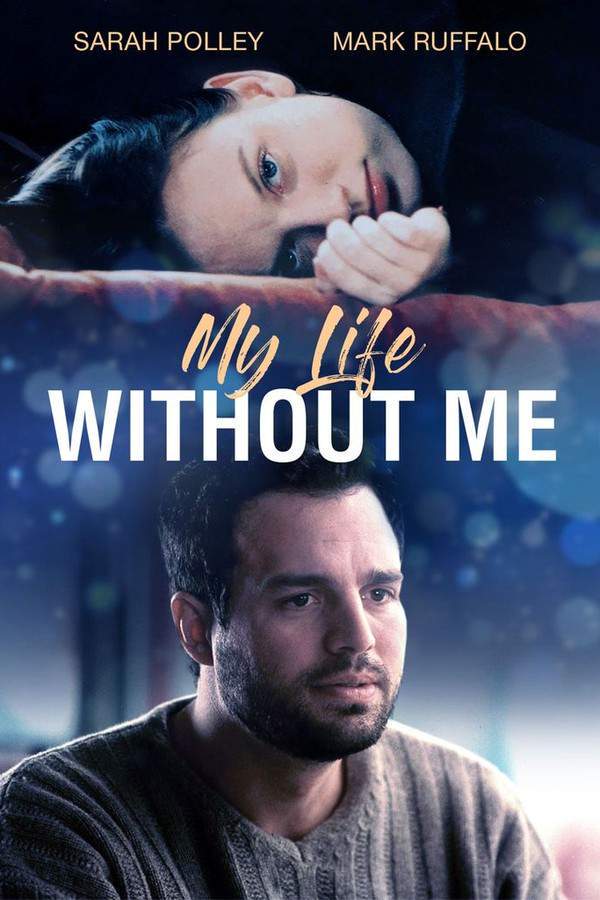
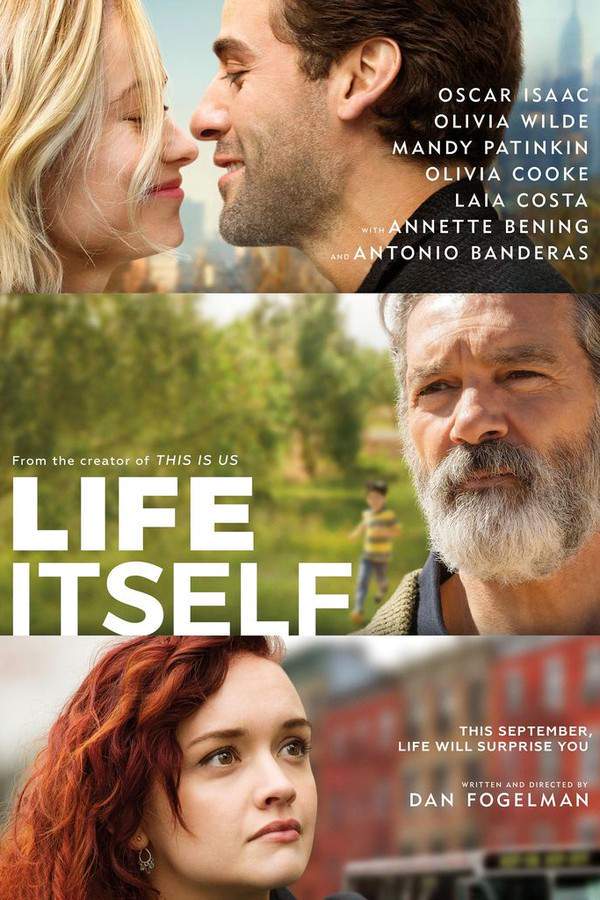





Featured on this page

What's After the Movie?
Not sure whether to stay after the credits? Find out!
Check out our other apps:

SAT Sphere
Build confidence for the Digital SAT.

Mori Atlas
Discover wild places worth protecting.

Luntero
Search smarter for a home in Amsterdam.

Plot Explained
Unravel movie endings and hidden clues.

Pokechamp
Dive into Pokémon data and battle logic.

Driving Theory
Get ready for your European theory test.

Movie Dust
Plan your next cinema trip with ease.

Musemap
Find art and culture as you travel.

Selkobase
Compare credentials before committing.

Local Manual
Turn an unfamiliar country into practical next steps.

Lernavi
Compare school systems before your next move.

GymRoam
Find a workout stop wherever your plans take you.
Explore Our Movie Platform
New Movie Releases (2026)
Famous Movie Actors
Top Film Production Studios
Movie Plot Summaries & Endings
Major Movie Awards & Winners
Best Concert Films & Music Documentaries
Movie Collections and Curated Lists
© 2026 What's After the Movie. All rights reserved.
Privacy Policy