
When Trumpets Fade 1998


Directed by
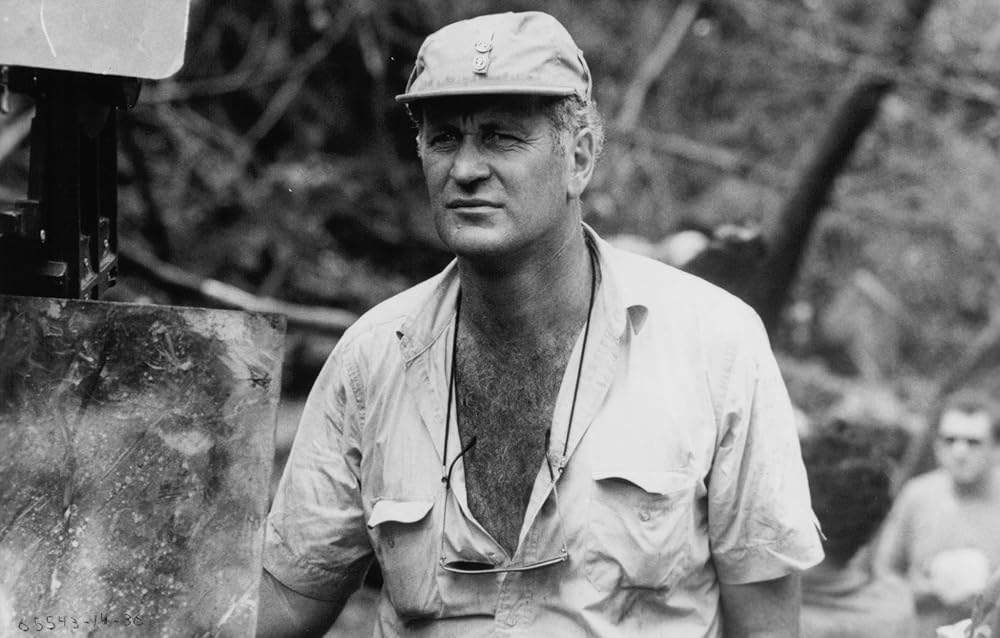
John Irvin
Made by

HBO
Where to Watch When Trumpets Fade
See current US streaming, rental, and purchase options for When Trumpets Fade (1998) via JustWatch.







When Trumpets Fade Plot Summary
Read the complete plot summary and ending explained for When Trumpets Fade (1998). From turning points to emotional moments, uncover what really happened and why it matters.
Private David Manning, Ron Eldard, of the 28th Infantry Division survives the brutal Battle of the Hürtgen Forest and reluctantly accepts a battlefield promotion to sergeant by his company commander, Captain Roy Pritchett [Martin Donovan]. The fight wears him down, and attempts to discharge under Section 8 as mentally unfit due to combat stress prove fruitless, so Manning is tasked with leading a platoon of inexperienced replacement soldiers into a deadly grind where every move carries a heavy price. This fragile ascent into responsibility tests his limits and forces him to weigh orders against the harrowing realities of war.
On patrol, Manning assigns Private Warren Sanderson, [Dan Futterman], to lead on point, but Sanderson is separated from the squad and returns under mockery and scorn from his peers. Manning comes under the sharp eye of newly assigned First Lieutenant Terrence Lukas [Timothy Olyphant], and the company pushes toward Schmidt, a strategic town, and a vital bridge that could alter the balance of the push. A minefield rains steel upon them, and the unit is forced to fall back, bruised but not broken. Captain Pritchett presses Manning for volunteers to destroy enemy guns, promising him a rewarding Section 8 if the mission succeeds, a promise that carries a heavy weight as the odds grow steeper with each mile.
During the mission, Private Sam Baxter flees in panic, triggering a rout that unsettles everyone. Manning, driven by the chaos around him, opens fire, and his flamethrower ends Baxter’s life in a blaze that leaves a deep, lingering horror in the minds of his squad. The team redoubles its effort, and Sanderson and Manning lead a courageous assault to take out the enemy guns, clearing the path to the bridge. They suffer brutal losses—Lonnie is killed, Despin is captured, and Manning and Sanderson manage to escape the upheaval of incoming German armor. Back at the line, Pritchett’s resolve cracks under pressure, and he is pulled off the front before he can uphold his vow to Manning, a moment that tests loyalty and leadership in the crucible of combat.
Lieutenant Colonel George Rickman, [Dwight Yoakam], questions Lukas about the status of Manning’s platoon, and Lukas’s stress boils over into a confrontation that ends with an assault and his removal from the front. Manning confronts Rickman with the blood-soaked dog tags Lukas dropped, a stark reminder of the cost of missteps and the fragility of courage under fire. Despite the earlier insubordination, Rickman reluctantly promotes Manning to lieutenant to take command of Lukas’ former platoon, a controversial shift that places Manning in charge of men who have already faced the worst of war. The tension between obedience and conscience thickens as the unit prepares for the next challenge.
Talbot, a fellow squad member, and Corporal Toby Chamberlain, [Frank Whaley], confront Manning over Baxter’s death. In the heat of the exchange, Manning reveals a bold plan to destroy the German tanks the night before the planned assault, a plan that Chamberlain fears could turn lethal if Manning turns his weapon on his own men. Sanderson steps forward to defend Manning, arguing that the survival of the battalion may hinge on taking calculated, risky actions rather than following collective caution. The conversation sharpens into a reluctant understanding: the line between heroic action and reckless risk is razor-thin, and the fate of many rests on whether they can trust a leader who has already faced the worst.
Before dawn, Manning, along with Talbot, Chamberlain, and Sanderson, undertakes a covert raid on the German tanks without the battalion’s knowledge. They push through a treacherous minefield and a tightly corrugated barbed-wire obstacle, using a bazooka to strike the tail of the enemy armor. The mission is a brutal test of nerve and skill, and only Sanderson and Manning emerge from the smoke and fire, Manning gravely wounded and clinging to life as he is carried back toward the safety of friendly lines. The night’s ordeal leaves an indelible mark on him and his men, a reminder of how close they all came to annihilation.
The epilogue delivers a stark ledger: after three months of brutal, unrelenting combat, the Battle of the Hürtgen Forest claimed more than 24,000 American casualties, a toll that underscores the ferocity of the fighting and the unclear justification of such heavy losses in a campaign overshadowed by the later Battle of the Bulge. The story lingers on the costs that linger in the minds of those who survived, a quiet, painful testament to the human cost of war and the uncertain line between duty and survival.
When Trumpets Fade Timeline
Follow the complete movie timeline of When Trumpets Fade (1998) with every major event in chronological order. Great for understanding complex plots and story progression.
Promotion and failed discharge attempt
Manning survives the brutal fighting of the Battle of the Hürtgen Forest. His company commander, Captain Roy Pritchett, promotes him on the battlefield to sergeant. He then seeks a discharge under Section 8 for combat stress, but the attempt is refused and he remains in service.
Manning takes command of a platoon of replacements
Manning takes command of a platoon of inexperienced replacement soldiers, thrust into frontline duty despite his own trauma. He must earn their respect as they face their first real combat under his leadership.
Point man Sanderson and the patrol
Manning puts Private Warren Sanderson on point for a patrol. Sanderson becomes separated from the squad and returns, where he is met with scorn and ridicule from his peers. The incident foreshadows the unit's fragile cohesion under stress.
Lukas arrives and pressures Manning
First Lieutenant Terrence Lukas, newly assigned to the company, berates Manning as the unit continues its advance toward Schmidt and a key bridge. Tension between their leadership styles grows under the stress of the mission.
Minefield forces a retreat
The company is fired on in an enemy minefield and forced back. The setback exposes the fragility of their advance and foreshadows heavier casualties to come.
Guns mission and Section 8 promise
Captain Pritchett asks for volunteers to destroy the enemy guns and promises Manning a Section 8 if the mission succeeds. The offer underscores Manning's fragile position and the high stakes of his leadership.
Baxter flees and is killed
During the mission, Private Sam Baxter flees in panic. Manning shoots Baxter and triggers his flamethrower, causing Baxter to die in a fiery flash. Horrified by the brutal death, the soldiers resume the attack as Sanderson helps push the assault forward.
Guns destroyed and the bridge attack advances
After Baxter's death, Sanderson leads the unit to destroy the enemy guns, a critical step that enables the subsequent assault on the bridge. Manning and Sanderson push the operation forward despite heavy risks and Manning's worsening wounds. The successful destruction of the guns allows the battalion to prepare for the bridge assault.
Bridge assault and heavy casualties
The assault on the bridge over the German defensive line results in heavy American casualties and a retreat in the face of a tank counterattack. Lonnie is killed, Despin is captured, and Manning and Sanderson manage to escape despite their injuries. The bridge remains secured for the moment but at a high price.
Manning becomes leader of Lukas' platoon
Lieutenant Colonel George Rickman confronts Lukas about his behavior; Lukas assaults Rickman and is led away. Manning presents blood-stained dog tags to Rickman, who reluctantly promotes Manning to lieutenant to command Lukas' platoon. This promotion places Manning in a demanding leadership role under strain.
Plans to destroy German tanks
Talbot and Corporal Toby Chamberlain confront Manning about Baxter, and Manning reveals a plan to destroy the German tanks the night before the assault. Sanderson defends Manning, arguing that failure to destroy the tanks could wipe out the battalion the next day. The leadership tension continues as they discuss bold action.
Pre-dawn raid on enemy tanks
Manning leads Talbot, Chamberlain, and Sanderson in a pre-dawn raid on the German tanks without the battalion's knowledge. They navigate a minefield and a barbed wire obstacle, and destroy the tanks with a bazooka. Only Sanderson and Manning survive, with Manning severely wounded and losing consciousness as they are carried back.
Epilogue and casualties
The survivors are carried back to friendly lines as Manning loses consciousness. The epilogue notes that after three months of heavy combat, the Battle of the Hürtgen Forest claimed more than 24,000 American casualties, with little justification for such a sacrifice, and that the battle was overshadowed by the Battle of the Bulge soon afterward.
When Trumpets Fade Characters
Explore all characters from When Trumpets Fade (1998). Get detailed profiles with their roles, arcs, and key relationships explained.
Lieutenant David Manning (Ron Eldard)
A battle-hardened private promoted to lieutenant, Manning carries the weight of command and guilt after Baxter's death. He demonstrates leadership under extreme pressure, but his willingness to take radical risks reveals both his resolve and moral turmoil. His arc centers on protecting his men while navigating orders, fear, and the cost of victory.
Captain Roy Pritchett (Martin Donovan)
The company commander who promises Manning a Section 8 if he completes the mission, and whose authority buckles under combat strain. Pritchett’s leadership deteriorates under pressure, revealing the fragility of command in war. His decisions ripple through the platoon and influence Manning’s ascent.
First Lieutenant Terrence Lukas (Timothy Olyphant)
A newly assigned officer who pushes for discipline and procedure, clashing with Manning. Lukas embodies the tension between rules and survival, and his breakdown marks a turning point for the unit. He struggles to balance duty with the brutal realities on the ground.
Private Warren Sanderson (Zak Orth)
A replacement who grows into a steadier leader under pressure. Sanderson stands by Manning in crucial moments and participates in the risky raid. His loyalty and courage help the group endure the brutal mission.
Private Sam Baxter (Steven Petrarca)
A panicked recruit whose flight triggers chaos and ultimately leads to his death at Manning’s hands. Baxter’s fear highlights the fragility of soldiers under stress and the moral weight of battlefield decisions. His death becomes a catalyst for the others’ resolve.
Private Lonnie (Devon Gummersall)
An inexperienced replacement who fights bravely but is killed, underscoring the cost of training replacements in real combat. Lonnie’s death deepens the unit’s sense of loss and resolve.
Private Despin (Dan Futterman)
A soldier whose capture during the raid underscores the risks of infiltration and the stakes of the mission. Despin’s fate emphasizes the perilous nature of the operation and the fragility of the unit.
Corporal Toby Chamberlain (Frank Whaley)
A subordinate soldier who confronts Manning after Baxter’s death, reflecting the fear and doubt shared by the platoon. Chamberlain’s tension mirrors the broader anxieties about loyalty and moral conduct under fire.
Lt. Colonel George Rickman (Dwight Yoakam)
The battalion commander who questions the status of Manning’s platoon, ultimately promoting Manning despite the tensions. Rickman embodies stern, contested authority and the burden of making difficult calls in war.
Sergeant Talbot (Dylan Bruno)
A fellow non-commissioned officer who challenges Manning and helps drive the squad toward the mission. Talbot’s presence highlights frictions within the ranks that can both hinder and propel the group forward.
When Trumpets Fade Settings
Learn where and when When Trumpets Fade (1998) takes place. Explore the film’s settings, era, and how they shape the narrative.
Time period
1944
Set during World War II, the events take place in a late-1944 campaign in the Hürtgen Forest. Soldiers endure brutal winter conditions, treacherous terrain, and a long, attritional fight aimed at securing ground and a critical bridge. The campaign’s high casualty rate underscores the grim calculus behind the battle and its place in the broader war.
Location
Hürtgen Forest, Schmidt
The story unfolds on the Hürtgen Forest battlefield around the town of Schmidt, where dense trees and harsh ground conditions shape brutal infantry warfare. The scene features a minefield, barbed wire obstacles, and a key bridge that becomes the focal point of the company’s assault. The unforgiving terrain amplifies fear, fatigue, and the bonds among soldiers as they push toward a costly tactical objective.
When Trumpets Fade Themes
Discover the main themes in When Trumpets Fade (1998). Analyze the deeper meanings, emotional layers, and social commentary behind the film.
💀
Cost of War
The narrative underscores the heavy price of a costly battle, with thousands of American casualties for a strategic gain that remains contested. Personal losses, including the deaths of Lonnie and Baxter, highlight war’s indiscriminate brutality. The epilogue emphasizes the moral ambiguity and sacrifice embedded in the campaign.
⚖️
Leadership
Command structure and decision making drive the plot: Manning rises to lead under fire, while Pritchett’s authority frays under stress. Lukas enforces discipline, yet his harshness clashes with the realities of combat. The film examines how leadership under extreme pressure can be both essential and morally compromised.
🔥
Moral Dilemma
Manning’s actions—shooting Baxter and planning a rogue pre-dawn raid—probe the ethics of wartime choices. Sanderson’s defense of Manning frames a debate about necessity versus humanity. The story asks whether drastic measures can be justified by the mission’s perceived importance.
🧠
Trauma
Combat stress drives characters toward breakdowns and drastic decisions, highlighting the difficulty of reconciling war-time duties with personal conscience. The attempt to discharge as mentally unfit—Section 8—reflects the stigma and fear around psychological wounds. The film portrays trauma as a persistent aftermath of brutal fighting.

Coming soon on iOS and Android
The Plot Explained Mobile App
From blockbusters to hidden gems — dive into movie stories anytime, anywhere. Save your favorites, discover plots faster, and never miss a twist again.
Sign up to be the first to know when we launch. Your email stays private — always.
Explore the mobile appWhen Trumpets Fade Spoiler-Free Summary
Discover the spoiler-free summary of When Trumpets Fade (1998). Get a concise overview without any spoilers.
In the dense, rain‑soaked woods of western Germany, the Battle of the Hürtgen Forest looms as a relentless crucible of gunfire, explosions, and dwindling hope. The film paints a stark, almost suffocating landscape where the ordinary rhythms of war are amplified by the cold, unyielding terrain. Every thudding of artillery and crack of a rifle becomes a reminder that survival here is as much about mental stamina as it is about firepower, setting a tone that is gritty, claustrophobic, and unflinchingly raw.
At the heart of this turmoil stands David Manning, a private who has just endured the carnage of one of the war’s most brutal engagements. Haunted by the loss of his comrades and grappling with the creeping weight of combat stress, he seeks a discharge on medical grounds, only to be thrust into a battlefield promotion. Charged with leading a fresh platoon of raw inductees, Manning must navigate his own doubts while shouldering the expectations of Captain Roy Pritchett, his stern company commander, and the watchful eye of First Lieutenant Terrence Lukas, a newly assigned officer whose presence adds another layer of tension to an already volatile environment.
Surrounded by a mix of seasoned leaders like Lieutenant Colonel George Rickman and fledgling soldiers such as Private Warren Sanderson, Manning’s new command becomes a study in fragile authority and reluctant heroism. The camaraderie and friction that blossom among the inexperienced troops hint at the thin line between courage and recklessness, while the looming strategic objectives—a vital bridge and the town of Schmidt—loom as silent pressures that will test loyalties and conscience. The film lingers on the psychological toll of command, inviting the audience to wonder how far a man can stretch before the weight of duty and the instinct for self‑preservation collide.
Featured on this page

What's After the Movie?
Not sure whether to stay after the credits? Find out!
Check out our other apps:

SAT Sphere
Build confidence for the Digital SAT.

Mori Atlas
Discover wild places worth protecting.

Luntero
Search smarter for a home in Amsterdam.

Plot Explained
Unravel movie endings and hidden clues.

Pokechamp
Dive into Pokémon data and battle logic.

Driving Theory
Get ready for your European theory test.

Movie Dust
Plan your next cinema trip with ease.

Musemap
Find art and culture as you travel.

Selkobase
Compare credentials before committing.

Local Manual
Turn an unfamiliar country into practical next steps.

Lernavi
Compare school systems before your next move.

GymRoam
Find a workout stop wherever your plans take you.
Explore Our Movie Platform
New Movie Releases (2026)
Famous Movie Actors
Top Film Production Studios
Movie Plot Summaries & Endings
Major Movie Awards & Winners
Best Concert Films & Music Documentaries
Movie Collections and Curated Lists
© 2026 What's After the Movie. All rights reserved.
Privacy Policy