
Western Union 1941

Directed by
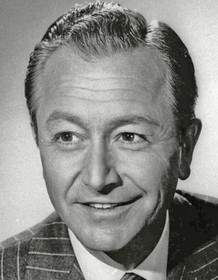
Robert Young
Made by

20th Century Fox
Western Union Plot Summary
Read the complete plot summary and ending explained for Western Union (1941). From turning points to emotional moments, uncover what really happened and why it matters.
In 1861, while surveying a telegraph line, Edward Creighton is seriously injured and saved from starvation by the quick thinking of an outlaw on the run, Vance Shaw. Shaw, forced to travel on foot after his horse is injured, initially considers stealing Creighton’s horse but ultimately chooses to help the man survive, setting the stage for a fragile, uneasy alliance.
Creighton returns to Omaha, Nebraska, and begins planning a bold project: a telegraph line from Omaha to Salt Lake City. He faces fierce opposition—from Confederate sympathizers, resistant Indigenous groups, and other lawless elements—yet he persists with the support of his sister, Sue Creighton; foreman Pat Grogan; and his capable assistant, Homer Kettle. Shaw, bowing to a desire for redemption, arrives at the Western Union office seeking honest work and is taken on as a scout by Grogan, even though Creighton recognizes his shadowy past. Creighton also hires a young, Harvard-educated engineer, Richard Blake, as a favor to Blake’s father. Shaw and Blake both find themselves drawn to Sue, sparring for her attention as the chantier begins, with work slated to start on July 4, 1861.
As the line goes up, tragedy interrupts progress: one man is killed amid suspicions of a hidden band of cattle-rustling Indians. Shaw investigates and traces the trail to the camp of his old associate, Jack Slade, whose gang had orchestrated the slaughter by disguising themselves as Indians—the same gang Shaw once rode with. Slade reveals a larger motive: they’re in league with the Confederacy to disrupt Western Union, believing the telegraph will aid the Union’s cause. Shaw rides back to the site with this dangerous truth, and, sensing trouble, urges Creighton to quietly replace the herd rather than risk a full-blown confrontation.
The project meets a sharper test when a drunken Indian attack targets the forward camp. A tense confrontation erupts when [Richard Blake] shoots an Indian against Shaw’s warning, and word arrives that Slade’s men have struck the main camp, again masquerading as Indigenous fighters to steal the Western Union horses. Creighton grows suspicious of Shaw’s involvement, especially after Shaw admits some knowledge of Slade’s gang, but the work pushes forward.
With the U.S. Army arriving to negotiate passage through Indian territory, Creighton, Shaw, and Blake face a delicate persuasion mission with Chief Spotted Horse. Creighton manages to convince the Chief to allow the line through, even though the son of the Chief had been among the wounded during Blake’s earlier shooting, and the line proceeds toward Salt Lake City.
A meeting with Slade draws Shaw into a perilous trap. Shaw is captured and bound by Slade’s men, who threaten to burn the Western Union camp. Shaw escapes his bonds, using embers from the campfire to break free, but returns too late to prevent a devastating blaze. He helps rescue several coworkers, burning his hands in the process—or so he lets everyone believe, keeping the wound as a shield to his past.
Creighton confronts Shaw for answers, and Shaw is ultimately fired, though he doesn’t reveal everything. Instead, he drops a bombshell of truth: Slade is actually his brother. Shaw vows to stop Slade’s gang from sabotaging the telegraph, and rides off to confront him in a nearby town. In a tense showdown at a barber’s shop, Slade shoots Shaw beneath the sheet of a barber’s chair. Shaw fights back, killing several gang members, but dies from his injuries. [Richard Blake] arrives to carry on the fight with Slade, who dies from his wounds.
With Slade defeated and the line finally completed, the workers celebrate their hard-won achievement. Sue mourns Shaw’s absence, but Creighton reassures her that Shaw can hear them now, lending a quiet, hopeful note to the triumph of progress over lawlessness.
Western Union Timeline
Follow the complete movie timeline of Western Union (1941) with every major event in chronological order. Great for understanding complex plots and story progression.
Injury during telegraph survey
While surveying a telegraph line in 1861, Edward Creighton is severely injured. He is found and aided by Vance Shaw, an outlaw on the run, who initially considers stealing Creighton's horse but ultimately carries the man to safety. The accident forces them to travel on foot, sparking an uneasy beginning to their relationship.
Creighton plans the Omaha-to-Salt Lake City telegraph
Sometime after the accident, Creighton returns to Omaha and lays out the plan to build a telegraph line from Omaha to Salt Lake City. He faces considerable opposition from Confederates, Indians, and outlaws who threaten the project. The plan sets the course for the rest of the story.
Shaw seeks honest work and is hired as a scout
Shaw arrives at Western Union's office seeking honest employment and is hired as a scout by Grogan, who is unaware of Shaw's outlaw past. Creighton recognizes him among the workers and allows him to stay despite suspicions. This marks the uneasy beginning of their professional relationship.
Blake is hired and construction begins
Creighton hires Richard Blake, a Harvard-educated engineer, as a favor to Blake's father. Shaw and Blake compete for Sue's attention, adding personal tension to the project. Construction of the telegraph line officially starts on July 4, 1861.
First man killed; investigation leads to Slade
During the early work, a worker is killed by what appears to be Indians. Shaw investigates the incident and traces the trail to Jack Slade's camp, uncovering that Slade's gang is disguising themselves. The realization links the violence to Shaw's former associates.
Slade's gang disguises themselves to disrupt the line
Slade's men masquerade as Indians to disrupt the telegraph project and steal horses. The trail reveals their involvement, and Shaw begins to understand the depth of danger tied to his past. Creighton grows wary of Shaw as the truth starts to surface.
Indians attack and a shooting triggers escalation
A confrontation with drunken Indians leads to Blake firing on a raider, despite Shaw's order to stay calm. Word reaches the main camp of another Indian assault, and Slade's men steal the line's horses. A wounded Indian turns out to be white, exposing the deception.
Army arrives; Indian territory issue
The U.S. Army arrives to restore order, but the Indians refuse to allow the telegraph to pass through their territory. Creighton, Shaw, and Blake negotiate with Chief Spotted Horse to gain passage, despite the tension created by past incidents. Work on the line continues once passage is secured.
Tensions rise; Creighton grows suspicious of Shaw
As the project progresses, Creighton becomes suspicious of Shaw's loyalty after Shaw admits knowing Slade and his gang. Shaw maintains his outward cooperation while concealing his deeper knowledge. The conflict hints at a larger personal struggle beneath the surface.
Shaw captured by Slade; escape and camp fire
Shaw is captured by Slade's men while en route to meet Slade. He escapes using the smoldering embers of Slade's campfire, returning too late to prevent a destructive blaze. He sustains burns on his hands during the escape, which he later hides.
Shaw reveals Slade is his brother; fired
Creighton confronts Shaw for an explanation, but Shaw refuses to reveal the full truth about Slade. He is fired from the project, yet tells Blake that Slade is his brother and vows to stop the gang. The revelation sets Shaw on a personal mission against Slade.
Final duel at the barber shop
Shaw tracks Slade to a town and confronts him in a barber shop; Slade's gun is concealed under a barber's sheet. Shaw is shot through the sheet but fights back, killing several gang members and earning the loyalty of his allies. Blake arrives to continue the fight, and Slade dies from his wounds.
Line completes and Shaw's legacy
With Slade defeated, the Western Union telegraph line is completed and the workers celebrate. Sue laments Shaw's absence, but Creighton tells her that Shaw can still hear them. The film closes on a note of fulfillment and sacrifice, honoring Shaw's memory.
Western Union Characters
Explore all characters from Western Union (1941). Get detailed profiles with their roles, arcs, and key relationships explained.
Edward Creighton (Dean Jagger)
A practical Western Union engineer who plans and oversees the telegraph project from Omaha to Salt Lake City. He mobilizes support from his sister Sue, foreman Pat Grogan, and Homer Kettle, balancing caution with ambition as he confronts threats from Confederates, outlaws, and hostile terrain.
Vance Shaw (Randolph Scott)
An outlaw on the run who becomes a scout for the project, seeking redemption for his past. He forms a complicated dynamic with Creighton and Sue while concealing his former gang ties. Shaw’s ultimate sacrifice against his brother Slade embodies loyalty to the mission over personal survival.
Sue Creighton (Virginia Gilmore)
Creighton’s sister and a central figure in the telegraph project’s social fabric. She supports the line and becomes a focal point in the rivalry between Shaw and Blake. Her presence anchors the human stakes of the journey across the frontier.
Pat Grogan (Minor Watson)
Foreman who keeps the crew together and oversees the day-to-day execution of the line. He coordinates workers, supports Creighton’s plans, and weighs Shaw’s presence against the group’s safety.
Homer Kettle (Chill Wills)
Assistant to Grogan and a steady presence among the crew. He contributes to logistics and the team’s morale as work progresses under pressure.
Richard Blake (Robert Young)
A Harvard-educated engineer invited to the project as a favor to his father. He competes with Shaw for Sue’s attention and becomes a catalyst for tension when he shoots a drunken Indian, challenging Shaw’s approach.
Jack Slade (Barton MacLane)
Former ally turned antagonist who commands the gang behind the masquerade of Indians. He orchestrates attacks to disrupt the telegraph, culminating in a dramatic confrontation with Shaw.
Chief Spotted Horse (Chief John Big Tree)
Leader of the local tribe who must be persuaded to allow the telegraph route through his territory. He becomes a pivotal figure whose permission is earned through diplomacy rather than force.
Western Union Settings
Learn where and when Western Union (1941) takes place. Explore the film’s settings, era, and how they shape the narrative.
Time period
1861
The events unfold during the early Civil War era, a time of upheaval and westward expansion. The telegraph project stands as a symbol of progress pushing into dangerous frontiers. Tensions with Confederates, Native tribes, and outlaws shape daily life and risk on the prairie.
Location
Omaha, Nebraska, Salt Lake City, Utah
Set in the American frontier of 1861, the story centers on a telegraph project spanning from Omaha to Salt Lake City. The journey traverses frontier towns, camps, and Indian Territory as workers race to complete the line. The project unfolds amid Civil War-era tensions with Confederate forces and local tribes.
Western Union Themes
Discover the main themes in Western Union (1941). Analyze the deeper meanings, emotional layers, and social commentary behind the film.
🛡️
Loyalty
Shaw’s arc centers on balancing his outlaw past with a renewed sense of duty to the telegraph project and Creighton’s team. The crew must decide whether to trust a man with a criminal history who demonstrates genuine commitment. The theme explores how loyalty can override past actions and redefine identity.
🔗
Progress
The telegraph line represents technological progress pushing into perilous territory. Workers confront sabotage, misdirection, and political meddling, showing how invention relies on risk-taking and cooperation. The film frames progress as both a unifier of distant communities and a target for those who fear losing power.
⚔️
Conflict & Deception
Disguises and ambushes emphasize the moral ambiguity of frontier warfare, where enemies can wear the guise of friends. Slade’s gang and the Indian attacks test the crew’s resolve and force hard choices. The theme examines how deception can both threaten and catalyze collective effort.

Coming soon on iOS and Android
The Plot Explained Mobile App
From blockbusters to hidden gems — dive into movie stories anytime, anywhere. Save your favorites, discover plots faster, and never miss a twist again.
Sign up to be the first to know when we launch. Your email stays private — always.
Explore the mobile appWestern Union Spoiler-Free Summary
Discover the spoiler-free summary of Western Union (1941). Get a concise overview without any spoilers.
In the tumultuous summer of 1861, the vast plains of the American frontier become the backdrop for an audacious undertaking: a telegraph line that promises to stitch the distant East to the wild West. The open sky, the endless horizon, and the clatter of wagon wheels create a world where ambition rides alongside uncertainty, and every mile of wire carries the weight of a nation’s future. The film’s tone balances the rugged grit of frontier life with a restless optimism, hinting at both the promise of progress and the stubborn forces that resist it.
At the heart of this enterprise is Edward Creighton, a determined engineer whose steadfast vision anchors the project. He moves between survey camps and bustling office rooms with equal poise, guided by a deep sense of purpose and a quietly persuasive leadership style. Supporting him are his devoted sister Sue Creighton, whose encouragement adds a personal stakes to the venture, foreman Pat Grogan, who keeps the labor force in line, and loyal assistant Homer Kettle, whose competence ensures the daily grind runs smoothly. Their interactions paint a portrait of a tightly knit team striving against the relentless elements of a raw landscape.
To turn his plan into reality, Edward enlists two unlikely allies. The first is Vance Shaw, a reformed outlaw whose reputation precedes him, bringing a hardened skill set and a yearning for redemption to the frontier’s challenges. The second is Richard Blake, a freshly graduated, Harvard‑educated surveyor whose innocence and academic background contrast sharply with the dusty trails and hard‑earned knowledge of the West. Their differing worldviews spark a partnership that is as volatile as it is compelling, promising both conflict and growth.
Together, these characters navigate a world where the clanging of telegraph wires competes with the thunder of approaching storms, where cultural borders blur, and where the promise of connection hangs delicately over untamed territory. The film invites the audience to wonder how the blend of ambition, rugged wilderness, and fragile alliances will shape the path ahead, leaving an open road of intrigue that beckons beyond the horizon.
Movies with Similar Twists and Themes
Uncover films that echo the narrative beats, emotional arcs, or dramatic twists of the one you're exploring. These recommendations are handpicked based on story depth, thematic resonance, and spoiler-worthy moments — perfect for fans who crave more of the same intrigue.




Featured on this page

What's After the Movie?
Not sure whether to stay after the credits? Find out!
Check out our other apps:

SAT Sphere
Build confidence for the Digital SAT.

Mori Atlas
Discover wild places worth protecting.

Luntero
Search smarter for a home in Amsterdam.

Plot Explained
Unravel movie endings and hidden clues.

Pokechamp
Dive into Pokémon data and battle logic.

Driving Theory
Get ready for your European theory test.

Movie Dust
Plan your next cinema trip with ease.

Musemap
Find art and culture as you travel.

Selkobase
Compare credentials before committing.

Local Manual
Turn an unfamiliar country into practical next steps.

Lernavi
Compare school systems before your next move.

GymRoam
Find a workout stop wherever your plans take you.
Explore Our Movie Platform
New Movie Releases (2026)
Famous Movie Actors
Top Film Production Studios
Movie Plot Summaries & Endings
Major Movie Awards & Winners
Best Concert Films & Music Documentaries
Movie Collections and Curated Lists
© 2026 What's After the Movie. All rights reserved.
Privacy Policy