



West Bank Story Plot Summary
Read the complete plot summary and ending explained for West Bank Story (2005). From turning points to emotional moments, uncover what really happened and why it matters.
The film opens with a playful collision of two cultures, as Palestinians and Jews snap their fingers in a lighthearted nod to West Side Story. The two groups head to their own family-owned falafel stands—Hummus Hut and Kosher King—and sing about their shared livelihood and rivalry in a cheeky duet that frames the community’s daily life. In the daylight hours, a quiet desire simmers between Fatima and David, who drift into a romantic dreamscape during the duet When I See Him. A chance encounter while Fatima is rushing to retrieve a customer’s forgotten leftovers makes their chemistry undeniable, setting the stage for a forbidden attraction that could complicate everything.
Back at the shop, tensions rise when Fatima’s brother reveals that the Kosher King has a machine that inches into their property, triggering a standoff between the families. The moment escalates when the head of Hummus Hut hurls a rock at the machine, causing it to malfunction and forcing a tense confrontation. The conflict proves to be a truce-breaker that only David and Fatima can cool, underscoring how love might bridge or break a fragile peace. In response to the encroachment, Ariel, the head of Kosher King, declares a bold plan to build a wall, signaling a deeper wedge between the communities. After the heated confrontation, the two lovers steal a moment alone, and [David] hints that he will come to Fatima’s balcony that night, signaling a budding hope amid rising stakes.
As construction begins, the Palestinians threaten to thwart the project with renewed vigor in the number We’re Gonna Build It, a chorus of determination that fills the air with both defiance and dread. [David] visits Fatima at her home in This Moment Is All We Have, expressing a longing to kiss her, but Fatima refuses, arguing that an impulsive romance could explode into violence and loss for everyone involved. They sneak away to intervene in a growing conflict, and the revelation—to Fatima’s family and the two communities—that they are in love compounds the danger surrounding them. A sudden fight spills into a store, tipping over a gasoline canister and igniting a fire that threatens the entire falafel stand ecosystem, turning a shared dream into a communal crisis.
The blaze draws mixed reactions from the two sides. [David] races to warn the Israelis, who initially celebrate the confusion, only for the embers to threaten Kosher King as well. The moment of triumph quickly soured into a sobering realization that their actions have consequences for both communities. Fatima voices a hard truth: their celebratory mood is hollow if the cost is more hardship for their families and neighbors. In the aftermath, the residents of Hummus Hut salvage what remains and, with effort and resourcefulness, begin to merge the two falafel stands rather than see them burn apart. This uneasy fusion marks a turning point, with both sides learning to share space and food, even as they navigate lingering distrust and the complexity of loyalty to family.
In the quieter hours that follow, the street starts to resemble a single, divided market—yet a glimmer of unity emerges as [David] and Fatima cooperate to feed the neighborhood. The couple’s kiss becomes a symbolic treaty, a tiny, fragile seed of reconciliation planted amid a landscape of competing allegiances. The film closes on a note of ambiguous optimism: a peek into a future where the two communities might coexist through courage, compromise, and shared meals, even as the memory of conflict remains a shadow over every fresh bite.
Take you to a place called… Beverly Hills.
West Bank Story Timeline
Follow the complete movie timeline of West Bank Story (2005) with every major event in chronological order. Great for understanding complex plots and story progression.
Opening scene and setting
The film opens with Palestinians and Jews snapping their fingers as they head to their family-owned falafel stands, establishing the parallel worlds of Hummus Hut and Kosher King. Fatima and David daydream about each other during the day, signaling an undercurrent of attraction before any conflict erupts. The day is framed by songful numbers that hint at identities and loyalties.
Chance encounter and attraction
Fatima rushes to serve a customer’s forgotten leftovers and unexpectedly meets David in the street. They realize their mutual attraction, turning a daily ritual into a private spark against the backdrop of ongoing conflict. The moment foreshadows the cross-border romance that challenges their communities' rules.
Property dispute escalates
Fatima’s brother reveals a machine encroaching onto their property, sparking a tense standoff between the two families. The Hummus Hut owner reacts by throwing a rock, causing the device to malfunction and ignite tensions. David and Fatima intervene to prevent a full-blown clash, foreshadowing their role as peacekeepers.
Ariel’s plan to build a wall
Ariel, head of Kosher King, resolves to build a wall to physically separate the communities. The decision heightens the stakes and frames the conflict as both political and personal for Fatima and David. The confrontation sets up the pressure-cooker environment for their romance.
Nightly promise of a rendezvous
After the confrontation, David promises to come to Fatima’s balcony that night, signaling a secret rendezvous that defies their external pressures. They share a look that confirms their commitment despite the risk. The promise heightens the drama as the wall plan looms.
Construction begins and the plan to end it
Construction to build the wall begins, and the Palestinians prepare to end it abruptly as the song 'We’re Gonna Build It' promises. The two sides prepare for a confrontation as tensions mount and the project inches toward completion. The act raises the stakes for Fatima and David’s romance.
Kiss planned, Fatima refuses
David goes to Fatima’s house intending to kiss her, but Fatima refuses, arguing that a kiss would escalate the conflict. They choose to intervene anyway to prevent a larger fight between their families. The moment deepens their bond while highlighting the high stakes of their romance.
Love revealed to Fatima's family
As the couple tries to calm the growing tensions, Fatima’s family learns of their secret love. The revelation intensifies the emotional stakes and complicates loyalties on both sides. David and Fatima resolve to press forward despite the consequences.
Fire erupts and consequences
A fight tips over a gasoline canister, igniting the entire stand into flames. An ember reaches the Kosher King, causing it to catch fire as well. The celebratory mood collapses into fear and guilt as Fatima points out the escalating danger.
Morning salvage and merger
The next morning, falafel customers arrive oblivious to the earlier fire, hungry for food. David and Fatima salvage what remains and merge the two falafel stands into a single operation. The act of collaboration undercuts the previous hostility and foreshadows a new union.
A kiss and fragile peace
As work continues, David and Fatima share a kiss, signaling a fragile peace between the communities. The two families begin to see that cooperation is possible even if the conflict persists. The scene leaves their future open but hopeful.
Promise of a future beyond the feud
In a final nod to West Side Story, David tells Fatima he will take her to Beverly Hills, imagining a place beyond the conflict where their love might flourish. The line hints at a hopeful, escapist finale for the couple. The film closes on their vow to seek a better world together.
West Bank Story Characters
Explore all characters from West Bank Story (2005). Get detailed profiles with their roles, arcs, and key relationships explained.
Fatima (Noureen DeWulf)
Fatima is a Hummus Hut employee who navigates loyalty to her family with a longing for harmony. She initiates dialogue with David and champions dialogue over violence, serving as a mediator between rivals. Her courage and empathy drive much of the story’s emotional core.
David (Ben Newmark)
An Israeli soldier torn between his duty and a growing attraction to Fatima. He begins to see beyond his role in the conflict and works with Fatima to avert disaster. His choices reveal the tension between allegiance and humanity.
Ahmed (Joey Naber)
Fatima’s brother who reveals the encroaching machine threat and catalyzes the crisis. He embodies family loyalty and the fearsome drive to protect one’s home. His actions force the two sides to confront the consequences of their ongoing feud.
Ariel (A.J. Tannen)
Leader of the Kosher King who pushes to build the wall and defend his community’s interests. He embodies the stubborn pride and fear that perpetuate separation, yet faces the possibility of compromise as events unfold.
West Bank Story Settings
Learn where and when West Bank Story (2005) takes place. Explore the film’s settings, era, and how they shape the narrative.
Location
West Bank
The action unfolds in the West Bank, a setting where Palestinian and Israeli communities live in close proximity. Two family-owned falafel stands—Hummus Hut and Kosher King—serve as the everyday stage for both camaraderie and conflict. The neighborhood atmosphere blends street life, food stalls, and the tension that fuels the plot, illustrating how ordinary spaces can become battlegrounds for larger divides.
West Bank Story Themes
Discover the main themes in West Bank Story (2005). Analyze the deeper meanings, emotional layers, and social commentary behind the film.
💖
Forbidden Love
A romance blossoms between Fatima and David despite their communities' animosities. Their bond challenges stereotypes and personal loyalties, showing how empathy can bridge two sides. The couple's exchanges reveal the humanity behind the headlines and push others to reconsider their assumptions. The Beverly Hills line at the end signals a hopeful escape from the cycle of conflict.
🧱
Walls
An escalating plan to erect a wall becomes a physical symbol of division. The construction threatens both families' livelihoods and risks tipping the conflict into violence. Yet Fatima and David's collaboration during the crisis demonstrates resilience and the possibility of peace through shared action. The wall motif recurs as a reminder of how fear can sever communities when dialogue is ignored.
🍽️
Food as Bridge
Food acts as a connecting thread that softens hostile identities. The fusion of Hummus Hut and Kosher King into a single stand demonstrates how common needs — hunger and community — can override hostility. The act of serving customers becomes a quiet act of peace, and the couple's partnership is embodied in the merged business. The film uses meals to symbolize reconciliation and hope.

Coming soon on iOS and Android
The Plot Explained Mobile App
From blockbusters to hidden gems — dive into movie stories anytime, anywhere. Save your favorites, discover plots faster, and never miss a twist again.
Sign up to be the first to know when we launch. Your email stays private — always.
Explore the mobile appWest Bank Story Spoiler-Free Summary
Discover the spoiler-free summary of West Bank Story (2005). Get a concise overview without any spoilers.
In a bustling market on the West Bank, two family‑run falafel stands—Hummus Hut and Kosher King—anchor the daily rhythm of the neighborhood. The air is thick with the scent of chickpeas, the clatter of pans, and the lively echo of song that turns every transaction into a playful duet. This musical comedy blends bright choreography with tongue‑in‑cheek humor, painting a vivid portrait of a community where food, tradition, and rivalry are inseparable.
David, an Israeli soldier on leave, finds himself drawn to the bustling stall where Fatima, a spirited Palestinian cashier, works. Their chance meetings are punctuated by spontaneous musical numbers that capture both the joy of shared culture and the underlying tension of competing ambitions. The film sets up their romance against a backdrop of families fiercely protective of their culinary legacies, hinting at a love that could bridge—or further strain—the delicate balance between the two sides.
The tone remains buoyant and flamboyant, inviting the audience to sway along to catchy melodies while subtly feeling the weight of longstanding histories. Colorful set pieces, energetic dance routines, and a steady stream of hummus‑laden humor create an atmosphere where romance and rivalry coexist. As David and Fatima navigate the expectations of their kin and the competitive market, the story teases the possibility of harmony emerging from the most unexpected of ingredients: a shared love for falafel and a song‑filled heart.
Movies with Similar Twists and Themes
Uncover films that echo the narrative beats, emotional arcs, or dramatic twists of the one you're exploring. These recommendations are handpicked based on story depth, thematic resonance, and spoiler-worthy moments — perfect for fans who crave more of the same intrigue.

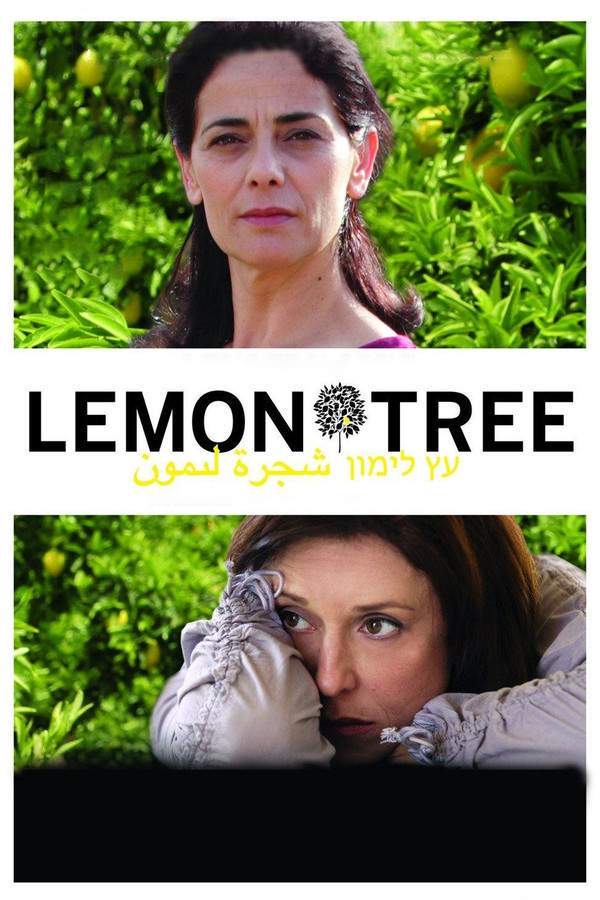




Featured on this page

What's After the Movie?
Not sure whether to stay after the credits? Find out!
Check out our other apps:

SAT Sphere
Build confidence for the Digital SAT.

Mori Atlas
Discover wild places worth protecting.

Luntero
Search smarter for a home in Amsterdam.

Plot Explained
Unravel movie endings and hidden clues.

Pokechamp
Dive into Pokémon data and battle logic.

Driving Theory
Get ready for your European theory test.

Movie Dust
Plan your next cinema trip with ease.

Musemap
Find art and culture as you travel.

Selkobase
Compare credentials before committing.

Local Manual
Turn an unfamiliar country into practical next steps.

Lernavi
Compare school systems before your next move.

GymRoam
Find a workout stop wherever your plans take you.
Explore Our Movie Platform
New Movie Releases (2026)
Famous Movie Actors
Top Film Production Studios
Movie Plot Summaries & Endings
Major Movie Awards & Winners
Best Concert Films & Music Documentaries
Movie Collections and Curated Lists
© 2026 What's After the Movie. All rights reserved.
Privacy Policy