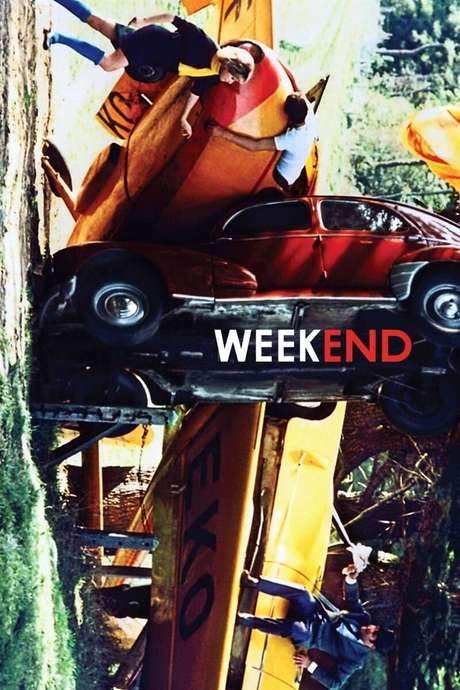
Weekend 1967


Directed by
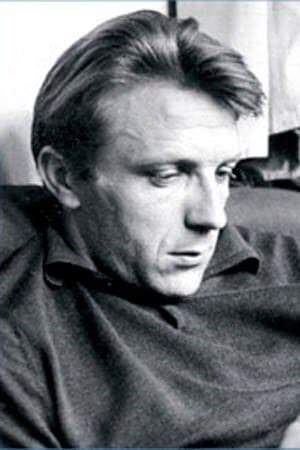
Jean Eustache
Made by

Cinecidi
Where to Watch Weekend
See current US streaming, rental, and purchase options for Weekend (1967) via JustWatch.



Streaming availability powered by 
Weekend Plot Summary
Read the complete plot summary and ending explained for Weekend (1967). From turning points to emotional moments, uncover what really happened and why it matters.
Roland Durand and Corinne Durand are a bourgeois couple who each keeps a secret lover, and they conspire to murder the other. They drive to Corinne’s parents’ home in the country to secure her inheritance from her dying father, resolving to resort to murder if necessary. Their plan unfolds against a backdrop of etiquette and pretension, as they navigate the fragile ties of class while weighing a dangerous gamble that could rewrite both of their lives.
The trip becomes a chaotic journey through a French countryside populated by bizarre figures and punctuated by violent car accidents. After their own Facel-Vega is destroyed in a collision, they wander through a series of vignettes that probe class struggle and pop up with references to literature and history, such as Louis Antoine de Saint-Just and Emily Brontë. The mood shifts from darkly comic to disturbingly immediate, and the landscape itself seems to mirror their unraveling plans.
In a metafictional thread, the film deliberately toys with self-awareness: a driver asks Roland, > Are you in a film or reality? as they flag down a ride, and Corinne and Roland’s search for a car to Oinville nods to the film’s Italian co-production and its own artifice, without ever pinning down which Oinville is meant.
When they finally reach Corinne’s parents’ house, they discover that her father has died and her mother refuses to share any inheritance. The lovers murder the mother and push back onto the road, only to fall into the hands of a group of hippie revolutionaries calling themselves the Front de Libération de la Seine et Oise, who sustain themselves through theft and cannibalism. Le Chef and his followers pursue their own brutal justice, and the story culminates in a violent turn of events: Roland is killed during an escape attempt, and his fate is cruelly sealed as he is chopped up and cooked.
Weekend Timeline
Follow the complete movie timeline of Weekend (1967) with every major event in chronological order. Great for understanding complex plots and story progression.
Conspiracy and inheritance plans
Roland and Corinne Durand are presented as a bourgeois couple hiding secret lovers, each nursing a plan to murder the other. They resolve that killing the other may be necessary to secure Corinne's inheritance. They set out to drive to Corinne's parents' country home, hoping distance and strangers might mask their schemes.
Troubled road trip begins
From the outset the journey is tense, with whispered accusations and sly plots bubbling beneath polite conversation. The couple speaks of inheritance and murder in hushed tones while pretending normalcy on the road. The trip marks the start of a chaotic, episodic odyssey through the French countryside.
The Facel-Vega collision
Their Facel-Vega is involved in a violent collision, destroying the car and throwing their plans into further disarray. The crash strips away any veneer of control and thrusts them into a string of strangers and surreal encounters. The roadside wreck serves as the film's literal and metaphorical breaking point.
A string of society vignettes
They wander through a sequence of vignettes that parody class struggles and social hierarchies. Among these episodes are encounters with figures from literature and history, including Saint-Just and Emily Brontë, which blur the line between fiction and reality. The episodes function like interludes that destabilize the couple's purpose and drive.
Metafictional reflections emerge
A metafictional thread emerges as characters become self-aware about their role in a film. A driver asks Roland whether they are in a film or in reality, highlighting the artificiality of their situation. Interspersed intertitles reinforce Godard's signature commentary on cinema.
Film form interrupts the journey
Scenes alternate between in-car dialogue and frame-breaking interruptions as intertitles appear, signaling a formal turn in Godard's style. The duo searches for a car to Oinville, yet the narrative never settles into a conventional plot. The Italian co-production is referenced within the dialogue, underscoring the film's production context.
Arrival at the parents' house
They finally reach Corinne's parents' place only to discover her father has died. The mother refuses to share the inheritance, souring the couple's hopes. The moment shifts the tone from satire to grim consequence.
Murder of the mother
The couple murders Corinne's mother to claim a portion of the spoils and continue their journey. The act underscores the collapse of their plan and the fragility of their social pretensions. They drive away into an increasingly fractured world.
Encounter with revolutionary extremists
On the road again, they fall into the hands of a group of hippie revolutionaries calling themselves the Seine and Oise Liberation Front. The group supports themselves through theft and cannibalism, reflecting the film's radical shift into violence and political theater. The couple's precarious position deepens as law and order blur into chaos.
Roland's gruesome end
During an escape attempt, Roland is killed by the group. His body is chopped up and cooked, delivering a brutal and shocking finale to the couple's road-bound collapse. The film closes on a note of violence that underscores its anti-bourgeois critique.
Weekend Characters
Explore all characters from Weekend (1967). Get detailed profiles with their roles, arcs, and key relationships explained.
Roland Durand (Jean Yanne)
A pragmatic, self-interested bourgeois husband who conspires with Corinne to murder the other in order to secure the inheritance. He is detached and ironic, treating danger as a game, and his plan unravels amid a road-trip filled with surreal encounters and violent twists. His fate culminates in death at the hands of revolutionaries during an escape attempt.
Corinne Durand (Mireille Darc)
A bourgeois wife determined to secure her father's estate, she colludes with Roland to murder the other to protect her privilege. She moves through the countryside with a mix of calculation and anxiety, blending charm with ruthlessness. After discovering her father has died and being thwarted by her mother, she continues the lethal search until the group of revolutionaries captures them.
Weekend Settings
Learn where and when Weekend (1967) takes place. Explore the film’s settings, era, and how they shape the narrative.
Time period
1960s
The narrative unfolds in mid-1960s France, a period of social upheaval and experimental cinema. Godard's era saw films push against traditional narrative, which Weekend embodies through metafictional intertitles and self-aware characters. The mood of rebellion and disillusionment in the streets informs the film's tone and critique of bourgeois values.
Location
French countryside, Oinville
Set in the sunlit French countryside, the action moves from Corinne's family country home to the rural roads around Oinville. The countryside serves as a backdrop for social satire, exposing class tensions between the bourgeois couple and the locals they encounter. The place also hosts a series of surreal, violent moments that puncture the illusion of peaceful rural life.
Weekend Themes
Discover the main themes in Weekend (1967). Analyze the deeper meanings, emotional layers, and social commentary behind the film.
🪙
Class Struggle
The film places a bourgeois couple at the center of a destabilized social order, highlighting how wealth and inheritance drive deceit and risk. Their plan to murder for gain collapses as the countryside exposes them to working-class and revolutionary forces. Encounters with farmers, travelers, and revolutionaries reveal the fault lines of modern society and how money shapes power.
🎬
Meta Cinema
Weekend frequently breaks the fourth wall with self-conscious questions about film versus reality. Characters discuss being in a movie, and intertitles remind viewers of the artificial nature of the narrative. The presence of recognizable actors and a self-referential tone underscore Godard's commentary on cinema.
💥
Violence
The journey escalates into a string of violent accidents and brutal acts, culminating in murder and the group’s cannibalism. Violence is used to puncture the bourgeois dream of security and to strip away pretensions. The film treats violence as both spectacle and critique of societal brutality.
🔥
Rebellion
The hippie revolutionaries, self-styled as the Seine and Oise Liberation Front, embody radical politics and their exploitation through theft and chaos. The pursuit of social change collides with personal betrayal and existential disillusionment. The film uses this rebellion to challenge the viewer's expectations of progress and morality.

Coming soon on iOS and Android
The Plot Explained Mobile App
From blockbusters to hidden gems — dive into movie stories anytime, anywhere. Save your favorites, discover plots faster, and never miss a twist again.
Sign up to be the first to know when we launch. Your email stays private — always.
Explore the mobile appWeekend Spoiler-Free Summary
Discover the spoiler-free summary of Weekend (1967). Get a concise overview without any spoilers.
In the sun‑drenched French countryside, a seemingly tranquil weekend getaway becomes a mirror for the fragility of comfortable living. Roland Durand and Corinne Durand are a well‑heeled couple whose polished exterior hides a web of private desires and quiet conspiracies. Their trip is framed as a simple drive to a family home, a promise of inheritance and a brief escape from the routines of Parisian affluence.
From the outset, the film balances the genteel formalities of bourgeois etiquette with a creeping sense of unease. As the couple navigates winding roads, the idyllic landscape begins to echo their inner disquiet, turning traffic snarls into a slow‑burning pressure cooker. The world they travel through feels both familiar and curiously off‑kilter, populated by eccentric strangers and fleeting vignettes that whisper of class tension, literary allusions and the specter of a society on the brink.
The tone slides seamlessly between dark comedy and stark, unsettling realism. Moments of refined pretension clash with sudden, almost surreal bursts of chaos, hinting at a broader commentary on consumerist excess and the thin veneer of civility. The movie toys with its own artifice, letting characters question whether they are actors in a film or participants in an unspooling reality, while the road itself becomes a conduit for unexpected philosophical detours.
Through its richly layered mise‑en‑scene, the story invites viewers to contemplate the ease with which comfort can dissolve into disorder. As the weekend stretches, the countryside transforms from a picturesque backdrop into a stage where hidden motives and societal anxieties subtly surface, leaving the audience poised on the edge of an unfolding, enigmatic journey.
Movies with Similar Twists and Themes
Uncover films that echo the narrative beats, emotional arcs, or dramatic twists of the one you're exploring. These recommendations are handpicked based on story depth, thematic resonance, and spoiler-worthy moments — perfect for fans who crave more of the same intrigue.
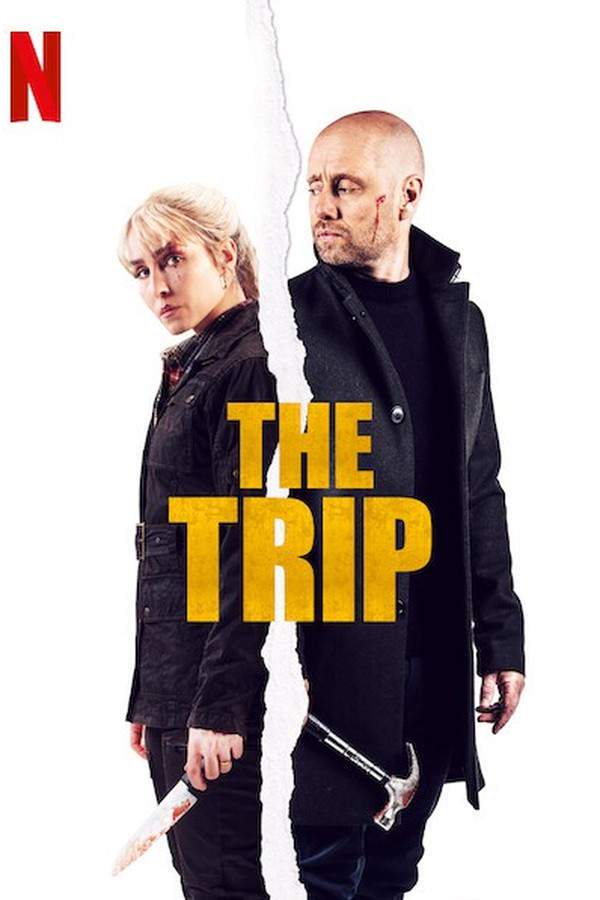

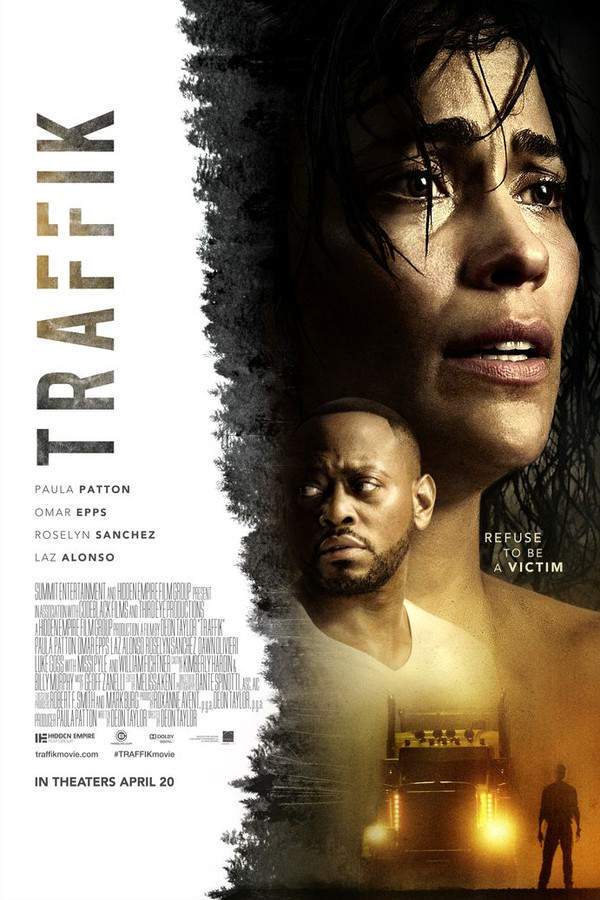



Featured on this page

What's After the Movie?
Not sure whether to stay after the credits? Find out!
Check out our other apps:

SAT Sphere
Build confidence for the Digital SAT.

Mori Atlas
Discover wild places worth protecting.

Luntero
Search smarter for a home in Amsterdam.

Plot Explained
Unravel movie endings and hidden clues.

Pokechamp
Dive into Pokémon data and battle logic.

Driving Theory
Get ready for your European theory test.

Movie Dust
Plan your next cinema trip with ease.

Musemap
Find art and culture as you travel.

Selkobase
Compare credentials before committing.

Local Manual
Turn an unfamiliar country into practical next steps.

Lernavi
Compare school systems before your next move.

GymRoam
Find a workout stop wherever your plans take you.
Explore Our Movie Platform
New Movie Releases (2026)
Famous Movie Actors
Top Film Production Studios
Movie Plot Summaries & Endings
Major Movie Awards & Winners
Best Concert Films & Music Documentaries
Movie Collections and Curated Lists
© 2026 What's After the Movie. All rights reserved.
Privacy Policy