
Long Weekend 1979



Where to Watch Long Weekend
See current US streaming, rental, and purchase options for Long Weekend (1979) via JustWatch.

Amazon Prime Video
HD
Amazon Prime Video with Ads
HD
fuboTV
HD
Shout! Factory Amazon Channel
HD
Fawesome
HD
Kanopy
SD
Plex
HD
Plex Channel
HD
Shout! Factory TV
HD
The Roku Channel
HD
Tubi TV
SD
YouTube Free
HD
Amazon Video
HD
Apple TV Store
HD
Fandango At Home
HD
Google Play Movies
SD
YouTube
SD Streaming availability powered by 
Long Weekend Plot Summary
Read the complete plot summary and ending explained for Long Weekend (1979). From turning points to emotional moments, uncover what really happened and why it matters.
Peter John Hargreaves and Marcia Briony Behets, along with their dog Cricket, set out for a weekend camping trip to a secluded beach. A palpable tension threads between the couple, and it seems each may have a lover; Marcia is reluctant about the journey but agrees to go anyway. On the way, Peter’s discarded cigarette butt sparks a small fire, and he inadvertently runs over and kills a kangaroo, casting a shadow over the trip from the start.
Upon arrival, they establish camp at the edge of a wooded area near the shore, and their presence begins to leave a harsher mark on the landscape. The weekend grows increasingly hostile as they engage in reckless acts that threaten the local environment: the theft and destruction of an eagle’s egg, the killing of a dugong, what appears to be the slaughter of a flock of birds, and senseless partial cutting of trees. The mounting friction between them intensifies, and it becomes clear that a painful secret—Marcia’s abortion after an affair—fuels much of their mutual resentment.
As tensions simmer, nature itself seems to retaliate against the toxic dynamic of the self-absorbed pair. An eagle and a possum launch direct attacks on Peter, signaling that the land is turning hostile. Desperate to escape, Marcia steals Peter’s car and leaves him alone as night falls. In response, Peter arms himself with a spear-gun and fires at a noise he perceives in the darkness, hoping to defend himself.
The following morning reveals a brutal consequence: Marcia’s body is found impaled by the spear, and Peter discovers his car abandoned within a web-like tangle. He drives away but must eventually abandon the vehicle when it becomes mired in mud. After hours of wandering, he reaches the main road and signals for help. As he attempts to flag down a passing truck, a sulphur-crested cockatoo attacks the driver, causing a loss of control that leads to Peter’s death.
Long Weekend Timeline
Follow the complete movie timeline of Long Weekend (1979) with every major event in chronological order. Great for understanding complex plots and story progression.
Arrival and setting up camp
Peter and Marcia arrive at a remote beach and set up their camp at the edge of a wooded area. The mood is tense and uneasy, hinting at underlying problems in their relationship. Marcia seems reluctant to be there, raising questions about infidelity and their future together.
Fire and the kangaroo tragedy
Peter's discarded cigarette butt starts a small brush fire that the couple ignores. The fire grows and threatens the surrounding brush, prompting a frantic response. In the confusion, Peter accidentally runs over and kills a kangaroo, illustrating their reckless interaction with the environment.
Egg theft and wildlife disruption
The couple's disregard for nature leads to the theft of an eagle's egg from a nearby nest. Their action damages wildlife and unsettles the area’s fragile balance. This impulsive act foreshadows the retribution the environment will visit upon them.
Dugong killed near the shoreline
As the stay continues, a dugong is killed nearby, a grim sign of nature striking back. The incident underscores the broader harm their presence inflicts on marine life. It further establishes the sense that the environment resists their intrusion.
Birds harmed and trees chopped
Around the camp, wildlife suffers as birds are killed and trees are needlessly chopped. The couple’s acts of destruction intensify the environmental damage in the area. This degradation heightens the tension between them and the natural world.
Marcia's revelation and growing resentment
Amid the mounting tension, it is revealed that Marcia had an abortion following an affair, a crucial source of mutual resentment. The revelation adds a personal dimension to the environmental punishment they’re facing. Their arguments become sharper as blame is laid bare.
Marcia steals the car and leaves
Desperate to escape, Marcia steals Peter's car and leaves him alone as night draws in. The act isolates Peter and intensifies the sense of danger closing in from both the environment and their fractured relationship. The wilderness presses in as he is left behind.
Peter arms himself and waits in fear
Peter arms himself with a spear-gun and keeps watch over the camp as night deepens. He fires blindly at a noise, signaling his deteriorating mental state and the growing sense that danger lurks just beyond the firelight. The scene highlights the escalating peril of the night.
Morning discovery: Marcia is dead
The next morning, Peter discovers Marcia's body impaled by a spear. The personal tragedy underscores the brutal turn of events caused by their prior behavior and the environment’s punitive response. The camp now holds a grim, hushed finality.
Abandoned car and a perilous journey
Peter finds his car abandoned, trapped in a tangle of web-like mud, forcing him to continue the journey on foot. He struggles through the wilderness, increasingly cut off from any sign of help. The isolation deepens as the environment seems to close in around him.
Reaching the main road
After hours of wandering, Peter stumbles onto a main road and hopes to flag down a passing vehicle. He remains wary, aware that rescue or danger could lie just beyond the next bend. The human world appears both within reach and perilously distant.
Ending in tragedy: the cockatoo and the truck
A sulphur-crested cockatoo suddenly attacks the truck’s driver as Peter signals for help, causing the driver to lose control. The truck crashes and kills Peter, delivering the final, brutal consequence of nature’s retaliation. The film closes on a stark note of environmental retribution.
Long Weekend Characters
Explore all characters from Long Weekend (1979). Get detailed profiles with their roles, arcs, and key relationships explained.
Peter
A self-absorbed, impulsive figure whose irritability toward Marcia grows into reckless actions. He triggers a sequence of environmentally damaging events and confronts danger with a blind, aggressive search for control. By night's end, fear and anger drive him toward a desperate climax.
Marcia
A conflicted partner carrying guilt over an abortion and an affair, who reluctantly agrees to the trip but then seeks escape. Her tension with Peter escalates into decisive acts, including stealing the car to get away. She embodies resentment, fear, and a desire for freedom.
Cricket
The couple's dog, present through the tense weekend, acts as a quiet contrast to the couple's flowering conflict. Its presence underscores domestic life and the fragile line between companionship and volatility. The dog is a small, loyal witness to the unfolding events.
Long Weekend Settings
Learn where and when Long Weekend (1979) takes place. Explore the film’s settings, era, and how they shape the narrative.
Time period
Late 1970s
The events unfold in a contemporary late-1970s setting, with a weekend camping trip and accessible technology like a car and firearms. The era's attitudes toward nature and environmental awareness frame the story as a critique of reckless human impact on the landscape. The period backdrop underpins the film's ecological message.
Location
Australian coastline, secluded beach, edge of a wooded area
On the edge of a wooded area near a remote beach, the setting emphasizes isolation and natural beauty. The coastline and dunes create a staging ground for the couple's conflict, while the surrounding wildlife foregrounds the environmental theme. The place is remote enough to heighten tension as human actions collide with nature.
Long Weekend Themes
Discover the main themes in Long Weekend (1979). Analyze the deeper meanings, emotional layers, and social commentary behind the film.
🌿
Nature's Retaliation
As Peter and Marcia's exploitation of the land escalates, the natural world begins to push back. Animal attacks and environmental mishaps mirror the couple's moral decay, suggesting that nature exacts a price for human excess. The escalating toll on wildlife and the environment serves as a quiet but relentless counterpoint to the couple's bickering.
💔
Toxic Relationship
The couple's self-absorption and hidden resentment fuel a corrosive dynamic that drives them apart. The abortion secret and infidelity add emotional weight, eroding trust and turning the trip into a psychological trap. Their hostility spills into every action, amplifying the danger to themselves and the landscape around them.
🪵
Environmental Impact
Their careless actions—discarded cigarettes, damaged nests, and the destruction of wildlife—illustrate how personal recklessness translates into real ecological harm. The film traces a chain of consequences that begins with small acts and grows into devastating outcomes. The environment itself becomes a character, responding to human disregard.

Coming soon on iOS and Android
The Plot Explained Mobile App
From blockbusters to hidden gems — dive into movie stories anytime, anywhere. Save your favorites, discover plots faster, and never miss a twist again.
Sign up to be the first to know when we launch. Your email stays private — always.
Explore the mobile appLong Weekend Spoiler-Free Summary
Discover the spoiler-free summary of Long Weekend (1979). Get a concise overview without any spoilers.
In a remote corner of the Australian coast, a quiet beach stretches between dunes and surf, promising a weekend of solitude far from the clatter of everyday life. The landscape is beautiful yet austere, its slow‑moving tides and whispering wind creating a backdrop that feels both inviting and subtly foreboding. As the sun rises over the water, the silence seems to hold a hidden pulse, hinting that the peace of this isolated shore may be more fragile than it first appears.
Peter and Marcia arrive together, accompanied by their loyal dog Cricket, hoping the sea and sand will smooth the frayed edges of their relationship. Their partnership is already strained, a mix of unspoken grievances and lingering doubts that make every shared glance charged. Beneath the surface of their dialogue lies a private history that fuels a quiet tension, turning the simple act of setting up camp into a delicate balancing act between intimacy and distance. Their interactions, marked by both affection and friction, shape the mood of the retreat as much as the surrounding wilderness.
The tone of the weekend gradually shifts from leisurely escape to an uneasy watchfulness, as the natural world seems to press back against the couple’s presence. Shadows lengthen, the wind carries a disquieting chill, and the ocean’s rise hints at forces beyond human control. What begins as a search for calm slowly becomes a test of endurance, urging Peter and Marcia to confront the unsettling mystery that lurks just beyond the water’s edge. The beach, while beautiful, holds an unknown that may force them to reckon with both the landscape and the secrets they carry within themselves.
Movies with Similar Twists and Themes
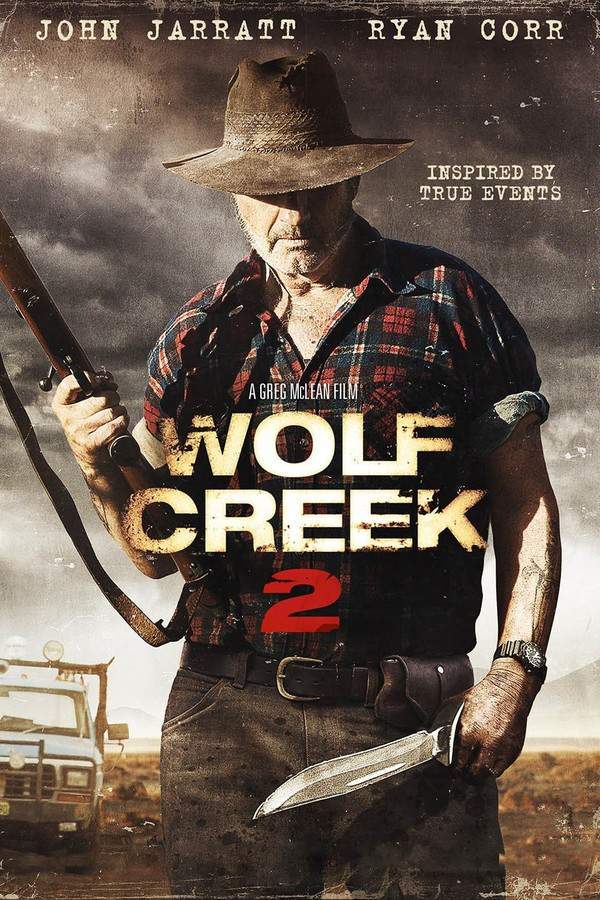
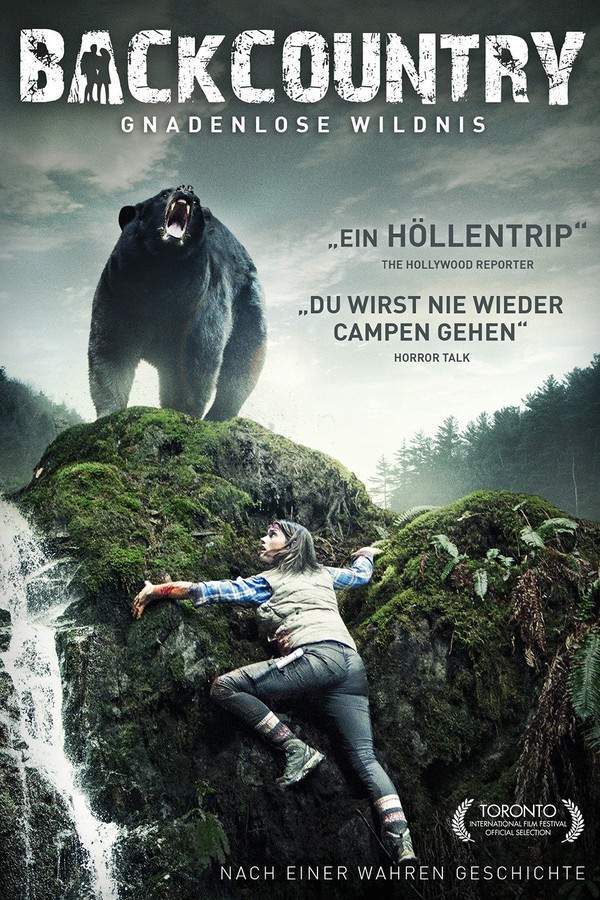
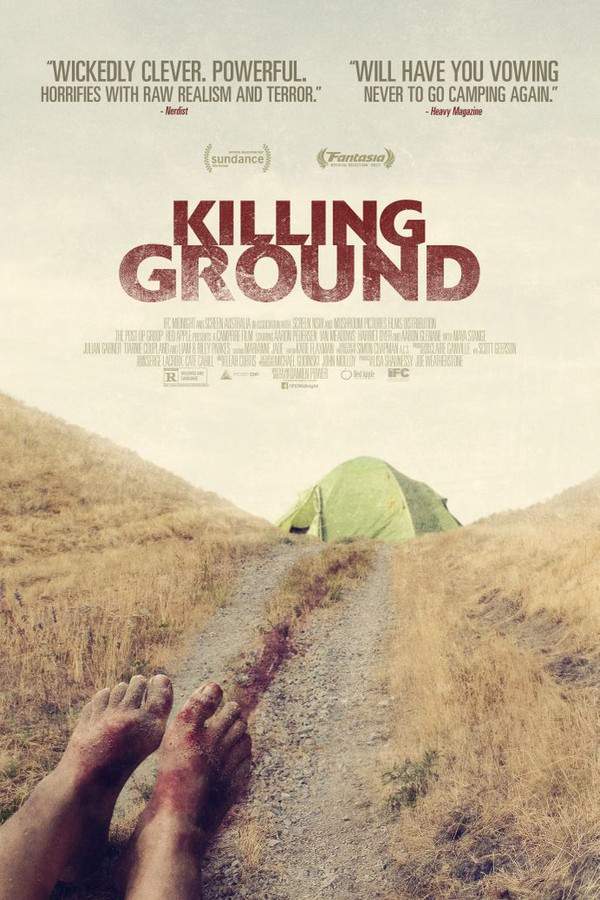
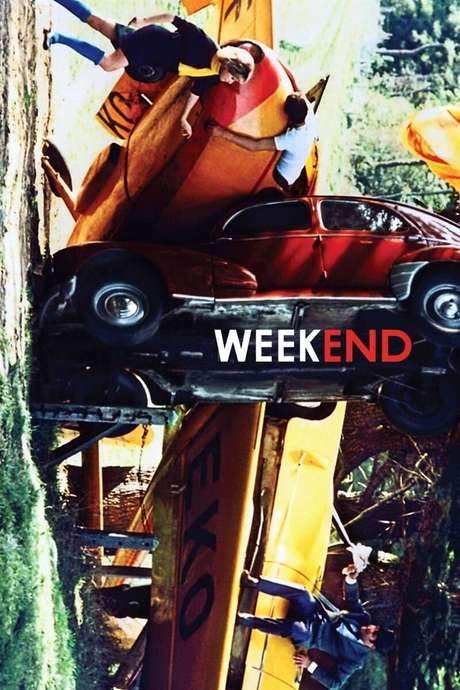
Uncover films that echo the narrative beats, emotional arcs, or dramatic twists of the one you're exploring. These recommendations are handpicked based on story depth, thematic resonance, and spoiler-worthy moments — perfect for fans who crave more of the same intrigue.



Featured on this page

What's After the Movie?
Not sure whether to stay after the credits? Find out!
Check out our other apps:

SAT Sphere
Build confidence for the Digital SAT.

Mori Atlas
Discover wild places worth protecting.

Luntero
Search smarter for a home in Amsterdam.

Plot Explained
Unravel movie endings and hidden clues.

Pokechamp
Dive into Pokémon data and battle logic.

Driving Theory
Get ready for your European theory test.

Movie Dust
Plan your next cinema trip with ease.

Musemap
Find art and culture as you travel.

Selkobase
Compare credentials before committing.

Local Manual
Turn an unfamiliar country into practical next steps.

Lernavi
Compare school systems before your next move.

GymRoam
Find a workout stop wherever your plans take you.
Explore Our Movie Platform
New Movie Releases (2026)
Famous Movie Actors
Top Film Production Studios
Movie Plot Summaries & Endings
Major Movie Awards & Winners
Best Concert Films & Music Documentaries
Movie Collections and Curated Lists
© 2026 What's After the Movie. All rights reserved.
Privacy Policy