What Is Walk Don’t Run About?
The premise of Walk Don’t Run in 297 words, with nothing given away. The full story follows below.
In the summer of 1964, Tokyo swells with the excitement of the Olympics while its streets groan under a housing crunch that forces strangers into impossibly small living spaces. The city’s neon‑lit optimism clashes with cramped rooms and battered corridors, creating a backdrop where personal space is a luxury and every shared breath feels like a negotiation. The atmosphere hums with the restless energy of a nation rebuilding itself, mixing the bright promise of the games with the gritty reality of post‑war life.
Into this tightly packed world arrives Sir William Rutland, a British businessman whose punctuality lands him unexpectedly in a modest apartment already inhabited by Christine Easton, a young woman balancing practicality with propriety, and her partner Steve Davis, an American whose Olympic ambitions remain a mystery to those around him. Julius D. Haversack, a dependable British diplomat, also circles the periphery, representing the safe but predictable path that Easton’s engagement seems to follow. The four personalities form a fragile ecosystem: Rutland’s seasoned confidence, Easton’s cautious determination, Davis’s elusive charm, and Haversack’s steady reliability. Their interactions are colored by the pressure of limited space, cultural differences, and the ever‑present rhythm of a city in motion.
The film’s tone blends gentle humor with earnest awkwardness, inviting the audience to linger on the subtle comedy that arises when an older gentleman decides to nudge a younger couple toward something more than friendship. Rutland’s well‑meaning meddling feels both endearing and slightly intrusive, offering a playful contrast to the seriousness of the Olympic spectacle outside their window. As the characters navigate cramped quarters, clashing habits, and unspoken desires, the story promises a portrait of connection forged in the most confined of settings, hinting at how even the smallest gestures can ripple through lives caught in the tide of history.
What Happens in Walk Don’t Run?
The complete story of Walk Don’t Run, from the first scene to the last, in 267 words (about 1 minute). Spoilers throughout. Names in the text link to 4 cast member pages.
Spoilers ahead
Sir William Rutland, a British businessman, arrives in Tokyo two days before his schedule and walks into a city energy-dampened by the 1964 Summer Olympics housing crunch. With the British Embassy at hand, he spots a roommate advertisement and soon finds himself at the apartment of Christine Easton, who initially insists it would be improper to take in a man. Easton had forgotten to advertise that she wanted to sublet to a woman, but she eventually agrees to let Rutland stay.
Rutland then sublets half of the space to American Olympic competitor Steve Davis, doing so without consulting Easton. She is far from thrilled by the arrangement, yet she has already paid Rutland’s share of the rent and feels caught in a difficult situation. The dynamic inside the apartment grows tense as Rutland, ever the meddler, tries to play matchmaker for the two young residents, despite their clashing personalities and Easton’s engagement to the boringly dependable British diplomat Julius D. Haversack.
Davis repeatedly dodges questions about his actual Olympic sport, leaving Rutland to press the romance from every angle. The veteran schemer isn’t deterred; he pushes his matchmaking forward, often blurring the lines between interference and genuine care. To seal his plan, Rutland adopts a playful disguise—stripping down to boxer shorts and a T-shirt to pose as a rival athlete and speak to Davis during his event, the grueling 50-kilometre walk.
Through a blend of humor and earnest dysfunction, the ruse gradually helps the two young lovers bridge their differences, with Rutland’s unorthodox intervention steering them toward a clearer path in the midst of Tokyo’s Olympic spectacle.
Walk Don’t Run Timeline: Every Key Event in Order
12 key events in the order they happen, from “Arrival in Tokyo amid housing shortage” to “Olympics approach; housing resolved”. 12 events name a place, across 6 locations.
- 1
Arrival in Tokyo amid housing shortage
In 1964, two days before the Summer Olympics, Sir William Rutland arrives in Tokyo and finds the city overwhelmed by a housing shortage. He seeks help from the British Embassy to find a place to stay. The timing places him at the heart of Olympic-city chaos.
When:1964, two days before the Summer Olympics Where:Tokyo, Japan
- 2
Spots roommate ad; visits Easton
While at the embassy, Rutland spots an advertisement for a roommate and proceeds to Christine Easton's residence. He makes contact and negotiates the possibility of subletting her space. This encounter sets up the central living arrangement of the story.
When:early 1964 Where:British Embassy, Tokyo
- 3
Easton resists subletting
Easton initially resists, arguing it would be improper to have a man as a housemate. She had forgotten to advertise that she wanted to sublet to a woman, but she agrees to let Rutland stay after all. The tension highlights cultural and gender expectations in the situation.
Where:Christine Easton's residence, Tokyo
- 4
Rutland sublets half the space
Rutland sublets half of the space to American Olympic competitor Steve Davis without consulting Easton. Easton is less than thrilled, but she endures because she has already paid Rutland's share of the rent. The unbalanced power dynamic foreshadows the meddling Rutland will do.
Where:Christine Easton's residence, Tokyo
- 5
Rutland begins matchmaking
Rutland immediately starts meddling in the tenants' romance, trying to play matchmaker between Easton and Davis. He pushes for compatibility despite their very different personalities. His schemes mix humor with a creeping sense of manipulation.
Where:Christine Easton's residence, Tokyo
- 6
Easton engaged to Haversack
Easton is engaged to Julius D. Haversack, a boringly dependable British diplomat, which complicates Rutland's matchmaking plans. The engagement introduces a potential rival for Easton's affections and raises the stakes for the relationship drama. The situation heightens the comic tension around the living arrangement.
Where:Easton's residence, Tokyo
- 7
Davis dodges questions about his sport
Davis dodges questions about his Olympic sport, keeping his athletic identity and true role under wraps. Rutland uses this mystery to fuel his matchmaking antics and to create moments of tension or vulnerability. The dynamic drives the audience to wonder about Davis's past.
Where:Christine Easton's residence, Tokyo
- 8
Rutland wears disguise for talk with Davis
To further his plan, Rutland strips down to boxer shorts and a T-shirt, pretending to be a rival competitor. He approaches Davis during a training or event period to test their chemistry and combat nerves. The stunt underscores Rutland's willingness to go to ridiculous lengths for love.
When:During preparation for the 50-kilometre walk Where:Training area near Davis's residence, Tokyo
- 9
50-kilometre walk event
During the 50-kilometre walk, Rutland's disguise and presence become part of the spectacle around Davis's Olympic event. He converses with Davis, trying to unlock the younger man's motives and fears. The scene deepens the bond between the two leads and escalates the romantic tension.
When:During the 50-kilometre walk at the 1964 Olympics Where:Olympic course, Tokyo
- 10
Tension eases as vulnerability shown
The event and Rutland's antics gradually loosen the bonds between Easton and Davis, revealing their vulnerabilities and potential for connection. Easton reassesses the value of her engagement and the possibility of new romance. The growing closeness shows Rutland's indirect impact on their lives.
Where:Easton's residence, Tokyo
- 11
Breach healed; romance blooms
Rutland's meddling culminates in healed relationships as Easton and Davis acknowledge their differences and decide how to move forward. The misunderstandings are resolved, allowing the living arrangement to continue with a new balance. The comic crisis resolves in a lighthearted, hopeful tone.
Where:Tokyo, Japan
- 12
Olympics approach; housing resolved
With the love life sorted and the housing issue resolved, the trio navigates a stable coexistence in Tokyo as the Olympics approach. Rutland's unorthodox interference has produced an unusual but functional setup. The film closes on a note of reconciliation in a city gearing up for the Games.
When:Just before the Opening Ceremony of the 1964 Summer Olympics Where:Tokyo, Japan
Who Are the Main Characters in Walk Don’t Run?
5 characters, among them Sir William Rutland (Cary Grant), Christine Easton (Samantha Eggar) and Steve Davis (Jim Hutton): who each one is and the part they play in the story. Every profile links to the actor’s page.
-
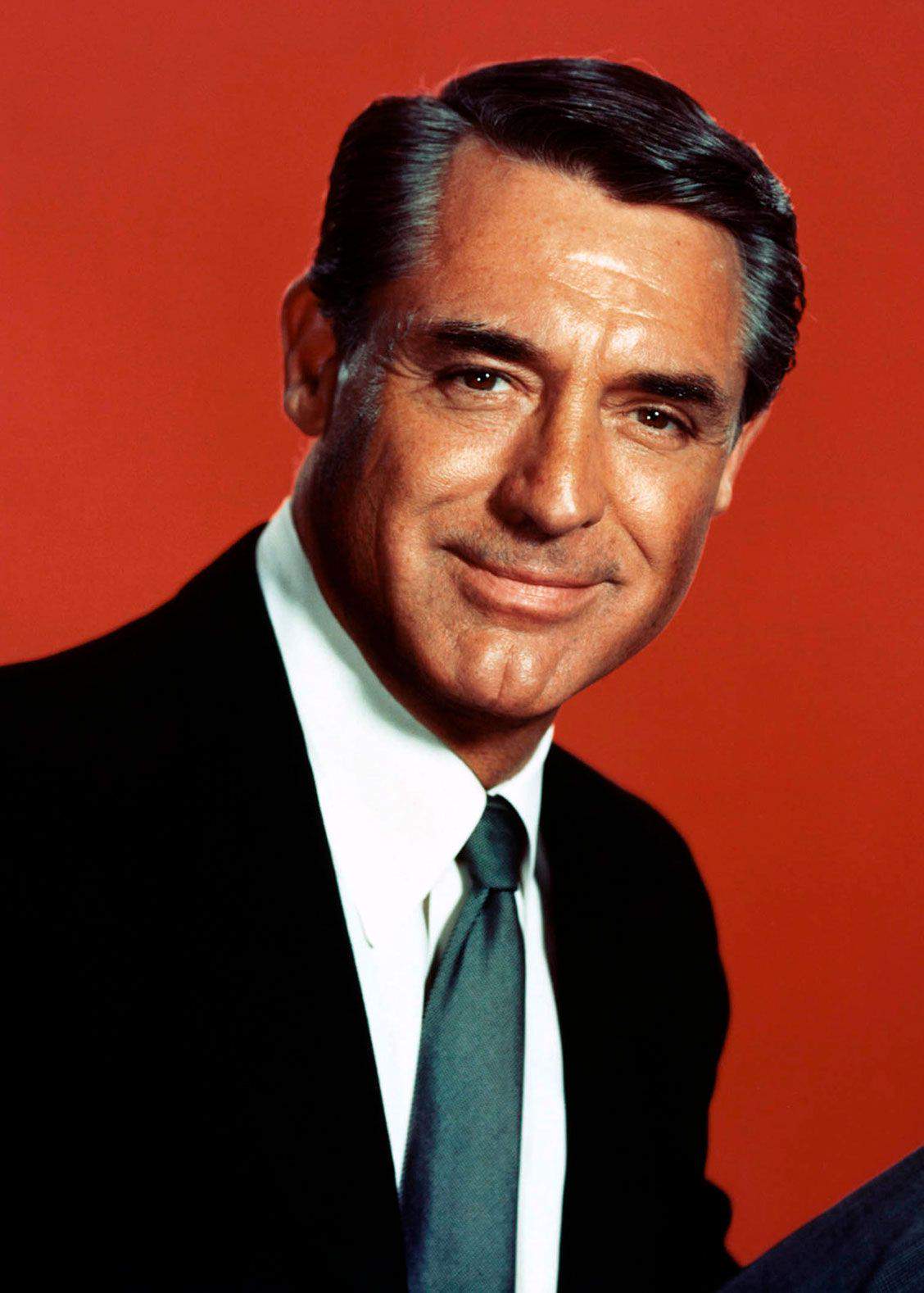
Sir William Rutland (Cary Grant)
Played by Cary Grant
An enterprising British businessman who arrives in Tokyo two days early and finds himself in a housing crunch. He quickly becomes the de facto matchmaker, orchestrating schemes to bring Christine and Steve together. His flamboyant, resourceful, and a bit meddlesome persona drives the film’s comedic engine. He even strips down to his boxer shorts and a T-shirt to improvise a connection with Steve during the 50-kilometre walk, highlighting his willingness to bend the rules for romance.
- 💼 British businessman
- 🎭 Comedy
- 🏙️ Tokyo setting
- CE
Christine Easton (Samantha Eggar)
Played by Samantha Eggar
A modern, independent woman who runs the Tokyo residence where Rutland seeks lodging. At first, she refuses to sublet to a man but eventually accommodates him after having already paid the rent. She becomes entangled in Rutland’s matchmaking schemes and is engaged to Julius D. Haversack, a reliably steady British diplomat, which heightens the stakes. Her pragmatism clashes with the romantic chaos around her, driving the story’s tensions.
- 👩💼 Landlady
- 🎬 Romance
- 🏙️ Tokyo setting
- SD
Steve Davis (Jim Hutton)
Played by Jim Hutton
An American Olympic competitor who sublets half the space with Rutland. He dodges questions about his sport, keeping his athletic life private and letting the mystery fuel comedic tension. He is the object of Rutland’s matchmaking efforts, and his growing rapport with Christine forms the heart of the romance. He represents youth and modernity amid a conventional backdrop.
- 🏅 Olympic athlete
- 🎭 Comedy
- 🇺🇸 American
- JD
Julius D. Haversack (John Standing)
Played by John Standing
A British diplomat who is Christine’s fiancé, presented as dependable, conventional, and proper. He embodies stability and propriety, counterbalancing Rutland’s improvisational meddling. His engagement to Christine adds romantic tension and raises the question of whether propriety will yield to affection. He is a foil to Rutland’s pursuit of romance.
- 💼 Diplomat
- 🇬🇧 British
- 🎭 Comedy
-

Police Captain (George Takei)
Played by George Takei
A Tokyo police captain who represents local authority during the housing crunch and social bustle. He embodies the formal, orderly side of life in a fast-changing city. While not central to the plot, his role grounds the comedy in a believable civic setting.
- 👮 Police captain
- 🏙️ Tokyo
- 🎭 Comedy
Where and When Is Walk Don’t Run Set?
Walk Don’t Run is set in Tokyo and Japan (1964). Here is why the time and place matter to the story.
When
1964
Events unfold in 1964 Tokyo, a year of rapid modernization as Japan prepared to host the Olympics. The mid-1960s mood brings bustling streets, international visitors, and changing social norms that shape the characters’ choices. The period’s fashion, etiquette, and bureaucratic forms provide the backdrop for the film’s lighthearted plotting.
Where
Tokyo, Japan
Set in Tokyo, Japan, during the 1964 Summer Olympics, the film captures a city under sporting and social flux. The housing shortage forces unconventional living arrangements, grounding the comedy in real urban pressures. The setting includes Christine Easton’s residence and nearby embassy life, illustrating Tokyo’s modernizing landscape of the era.
- 🏟️ Olympic backdrop
- 🏙️ Tokyo setting
What Are the Themes of Walk Don’t Run?
3 ideas the story keeps returning to, among them Romance, Culture and Propriety.
-
01
Romance
Rutland’s matchmaking schemes propel Steve and Christine toward each other, turning a housing arrangement into a comical love triangle. Christine’s resistance to stepping beyond propriety clashes with Rutland’s optimism and desire to see two people together. Steve’s guardedness vs Christine’s independence create tension that the film resolves with humor rather than tragedy. The romance unfolds against the oddball premise of a man pretending to be a social competitor during the Olympics.
-
02
Culture
Set in Tokyo with a multinational cast, the film humorously navigates cultural expectations and misunderstandings. An American athlete, a British businessman, and a Japanese household interplay reveal attitudes toward propriety, success, and hospitality. The Olympics backdrop emphasizes international exchange and the clash of manners across cultures. The comedy arises from miscommunications and the blending of different social codes.
-
03
Propriety
Christine and Julius embody conventional expectations, while Rutland disrupts those norms with his meddling. The story uses propriety as a motor: Christine's reluctance to sublet to a man, Julius’s dependable but stiff approach, and Rutland’s underhanded but lighthearted meddling test what is allowed. This tension drives the comedy as boundaries are pushed and eventually loosened through affection. The film ultimately resolves around balancing social rules with personal happiness.
What Kind of Film Is Walk Don’t Run?
Light in tone, with steady pacing and a straightforward story, going by the plot summary.
- Tone
- Light
- Pacing
- Steady
- Story
- Straightforward
- Intensity
- Low
- Ending
- Happy
A charming and lighthearted romantic comedy that breezes through a series of gentle misunderstandings and playful meddling, set against a vibrant Tokyo backdrop.
- whimsical
- romantic
- lighthearted
- playful
- charming
- breezy
- matchmaking
- romantic comedy
- forced proximity
- cultural clash
Where to Watch Walk Don’t Run
Stream it on Tubi TV and YouTube Free, or rent or buy it from Amazon Video and Apple TV Store. US availability and prices from JustWatch.
Stream 2
 Tubi TV
  YouTube Free




Streaming availability in the US, powered by