What Is Virus About?
The premise of Virus in 300 words, with nothing given away. The full story follows below.
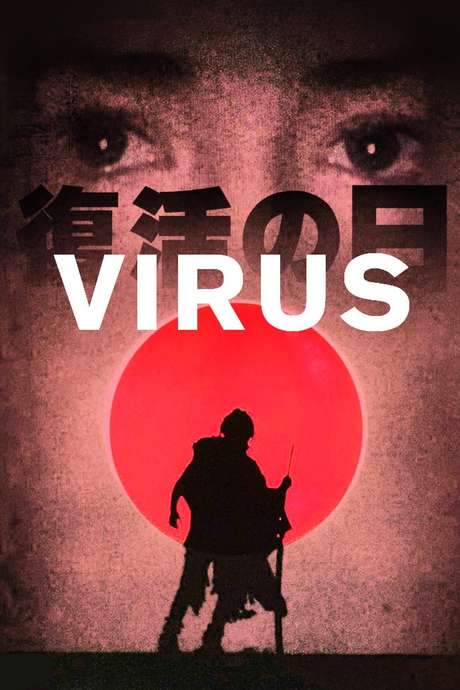
In the bitter chill of an Antarctic winter, a handful of humanity huddles beneath the endless white, the last flicker of a world nearly erased. A military‑grade virus, unintentionally unleashed when a cargo plane crashes in 1982, sweeps across the globe, leaving only 863 souls alive. The survivors are marooned at a remote research station, where the relentless cold that once threatened them now acts as an unlikely safeguard, keeping the pathogen at bay.
Among the isolated community, the press of scientific urgency is palpable. Dr. Yoshizumi, a dedicated virologist, leads a diverse team of researchers who must coax a cure from the remnants of a shattered medical infrastructure. Their daily routine blends rigorous experimentation with the stark reality of surviving in a place where any mistake could tip the balance between extinction and renewal. The presence of a seasoned naval officer, Captain McCloud, adds a disciplined, almost militaristic edge to the fragile camaraderie, while Major Carter offers a pragmatic perspective that tempers the scientists’ idealism. Together they embody the tension between hope and desperation, their interactions marked by quiet determination against the howling wind and the ever‑present threat of the unseen virus.
Beyond the icy frontier, the rest of the planet watches in awe and dread, pondering who, if anyone, will inherit a world reshaped by catastrophe. The film’s tone is a careful blend of stark realism and haunting beauty, letting the desolate landscape speak as loudly as the whispered conversations inside the research huts. Every breath of frosted air carries a reminder that life is both fragile and stubbornly resilient. As the survivors grapple with the enormity of their task, the audience is left with a lingering question: can science and human connection together forge a path forward when the world itself seems to have frozen in time?
What Happens in Virus?
The complete story of Virus, from the first scene to the last, in 683 words (about 3 minutes). Spoilers throughout. Names in the text link to 1 cast member page.
Spoilers ahead
In 1982, a shadowy deal sets the stage for a perilous game of bio-politics. An East German scientist, Dr. Krause, Ken Pogue becomes a key figure in a clandestine exchange over a dangerous virus known as MM88. This pathogen, accidentally created by an American geneticist, has the terrifying ability to amplify the potency of any virus or bacterium it touches. The Americans manage to recover the virus sample, which had been stolen from a U.S. lab the year before, but disaster strikes when the plane carrying it crashes. The virus is released into the world, and a grim pandemic unfolds, initially dubbed the Italian Flu as nations scramble to understand the threat.
Within seven months, nearly the entire population perishes. Yet a remarkable, almost impossible chill saves a tiny enclave: the polar winter renders the virus inactive at temperatures below -10 degrees Celsius, and the base at Antarctica—home to 855 men and eight women—becomes a last, fragile bastion of humanity. The British nuclear submarine HMS Nereid, under the command of Captain McCloud [Chuck Connors], joins the scientists after it sinks a Soviet submarine whose infected crew attempts to land near Palmer Station.
Years pass as the survivors begin to imagine a future. A looming disaster, however, is not weather or disease alone but a cold, hard countdown: an earthquake is predicted to activate the Automated Reaction System (ARS), a doomsday device designed to launch the United States’ and the Soviet arsenal in a retaliatory lightning strike. The two superpowers each have their own ARS, and Palmer Station becomes a focal point of the looming conflict. In the midst of this tension, a plan forms to shut down the rogue systems and buy time for a possible reunion of humanity.
A daring mission unfolds as the scientists evacuate the women and children—and several hundred of the men—onto an icebreaker and preserve hope for the future. Two key figures, Dr. Yoshizumi [Masao Kusakari] and Major Carter [Bo Svenson], board HMS Nereid to race toward the ARS and disable it, shielded by an experimental vaccine that may keep MM88 at bay. The journey takes them from the brutal cold of the ice to the machinery of Washington, D.C., as they push toward the bunker that controls the ARS.
On the ground in the capital, Yoshizumi and Carter reach the ARS command bunker, only to face a grim turn of events. Carter is lost in the rubble when the earthquake strikes, silencing a critical ally in the mission. In a moment of quiet, Yoshizumi radios the Nereid and tells them that the vaccine seems to have worked—> If that still matters. The response from the ship is somber and resolute: > “At this point in time, life still matters.”
The city itself is hit by a cascade of atomic explosions, and the film splits into two endings depending on the cut you watch. In the American version, the screen goes black for a moment, and the end credits roll over stark footage of the Antarctic landscape, accompanied by a mournful refrain that whispers, “It’s not too late…” In the Japanese version, Yoshizumi survives the blast and makes his way back toward Antarctica. By 1988, in Tierra del Fuego, he finds survivors who have been immunized by the vaccine, and he is reunited with the woman he fell in love with. They embrace, and Yoshizumi softly proclaims, “Life is wonderful.” This closing moment highlights the persistence of hope against overwhelming odds, a reminder that even in the darkest times, human connection and resilience endure.
Throughout the film, the stakes are not only scientific but deeply personal, bringing together a cast of characters who anchor the story in a shared desire to protect life. The narrative threads weave together a tense chronicle of pandemic, isolation, and the fragile thread of civilization, culminating in a meditation on love, sacrifice, and the enduring possibility of renewal even after global catastrophe. The choices and losses along the way shape a testament to vigilance, cooperation, and the stubborn hope that humanity can prevail when faced with systems that could erase it in an instant.
Virus Timeline: Every Key Event in Order
13 key events in the order they happen, from “1982: MM88 deal” to “Japanese ending: survival and reunion in Tierra del Fuego”. 13 events name a place, across 11 locations.
- 1
1982: MM88 deal
In 1982, a shady deal takes place between East German scientist Dr. Krause and a group of Americans over the dangerous substance MM88. MM88 is a deadly virus created accidentally by an American geneticist that amplifies the potency of other pathogens. The Americans recover the virus sample, which had been stolen from a US lab the year before.
When:1982 Where:East Germany
- 2
MM88 moves toward the United States
After the deal, MM88 is transported toward the United States, raising fears about containment. The virus’s dangerous properties suggest it could magnify other infections it contacts. The possession of MM88 sets in motion a chain of events that will lead to a global disaster.
When:1982 Where:United States (lab and transport route)
- 3
Airplane release and outbreak begins
The virus is carried on a plane that crashes, releasing MM88 into the world. The release triggers a full-blown pandemic later known as the Italian Flu. The outbreak unfolds rapidly, catching scientists and governments off guard.
When:shortly after 1982 Where:On board/flight path
- 4
Global pandemic and polar survival
Within seven months, virtually all of humanity is affected by the pandemic. The virus proves lethal to most, but temperatures below -10 degrees Celsius render it inactive, sparing the 855 men and eight women stationed in Antarctica. This unlikely survival would shape the future of humanity.
When:early 1983 (within seven months of outbreak) Where:Global; Antarctica
- 5
Nereid arrives after sub incident near Palmer Station
The British submarine HMS Nereid joins scientists after sinking a Soviet submarine whose infected crew tries to land near Palmer Station. The ship provides protection and support as the scientists confront the spread of MM88. A tenuous alliance forms in the harsh Antarctic environment.
When:early 1983 Where:Antarctic waters near Palmer Station
- 6
Earthquake triggers ARS
Several years pass as the survivors begin to repopulate their Antarctic base. An earthquake activates the Automated Reaction System (ARS), a doomsday device designed to launch nuclear arsenals. The threat of a tit-for-tat escalation becomes the new focus for the survivors.
When:mid- to late-1980s Where:Antarctica
- 7
Soviet ARS threat to Palmer Station
The Soviets possess a parallel ARS capable of firing their weapons, including at Palmer Station. The potential for a nuclear strike against the Antarctic outpost raises the stakes for both sides. The world hangs in the balance as scientists and soldiers wrestle with the new danger.
When:mid- to late-1980s Where:Palmer Station / global ARS network
- 8
Evacuation and mission to shut down ARS
All women and children, plus several hundred men, are evacuated to safety aboard an icebreaker. Yoshizumi and Major Carter board the Nereid to shut down ARS, shielded by an experimental MM88 vaccine. The mission moves from the Antarctic to a critical confrontation with the global doomsday device.
When:late 1980s Where:Palmer Station and aboard the Nereid
- 9
Dash to Washington D.C.: ARS bunker
The submarine arrives in Washington, D.C., and Yoshizumi and Carter rush to the ARS command bunker to disable the machine. They reach the chamber but arrive too late to prevent activation, setting the stage for the climactic catastrophe.
When:late 1980s Where:Washington, D.C.
- 10
Carter dies; vaccine may have worked
Carter dies in the rubble of the earthquake within the bunker, while Yoshizumi communicates with the Nereid. He notes that the MM88 vaccine may have begun to work, offering a glimmer of hope for future protection. The survivors must reckon with loss and the fragile promise of containment.
When:late 1980s Where:AR S bunker, Washington, D.C.
Show the other 3 events of Virus Hide the last 3 events
- 11
Washington bomb detonations
Washington is struck by a cascade of nuclear explosions as the ARS mishap triggers a global bombardment. The film shifts toward an apocalyptic tableau, underscoring the high stakes of unchecked MAD (mutual assured destruction).
When:immediately after the bunker incident Where:Washington, D.C.
- 12
American ending: credits over Antarctic imagery
In the American cut, the screen goes black briefly and the credits roll over footage of the Antarctic landscape and a lone woman's song that repeats the refrain 'It’s not too late...'. The moment offers a melancholic sense of hope rather than closure. The story leaves the fate of humanity hanging in the balance.
When:end of film Where:Antarctica
- 13
Japanese ending: survival and reunion in Tierra del Fuego
In the Japanese version, Yoshizumi survives the blast and returns to Tierra del Fuego in 1988. He reunites with the woman he loves and proclaims 'Life is wonderful,' offering a pallid but hopeful coda to the story. The ending construes a possible future where life endures despite catastrophe.
When:1988 Where:Tierra del Fuego
Who Are the Main Characters in Virus?
8 characters, among them Dr. Shûzô Yoshizumi (Masao Kusakari), Major Carter (Bo Svenson) and Captain Lopez (Edward James Olmos): who each one is and the part they play in the story. Every profile links to the actor’s page.
- DS
Dr. Shûzô Yoshizumi (Masao Kusakari)
Played by Masao Kusakari
A determined scientist at the center of MM88's vaccine effort, Yoshizumi races against time to secure a working cure. He faces personal risk and losses as the world collapses, guiding the mission aboard the Nereid with a focus on saving lives. His work embodies scientific perseverance and hope amid catastrophe.
- 🧬 Scientist
- 🧪 Vaccine researcher
- 🧭 Risk-taker
-

Major Carter (Bo Svenson)
Played by Bo Svenson
A pragmatic military officer attached to the Nereid, Carter coordinates operations under extreme pressure. He balances strategic decisions with the wellbeing of the crew and scientists, helping to keep the mission focused on survival and threat mitigation.
- 🎖 Military officer
- 🧭 Strategist
- 💪 Resilient
-
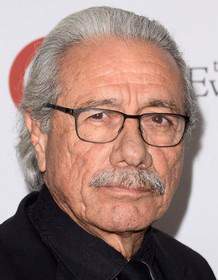
Captain Lopez (Edward James Olmos)
Played by Edward James Olmos
Captain of the HMS Nereid, he leads the submarine's critical task of reaching Palmer Station and coordinating the countermeasures against MM88. His leadership is tested as crisis escalates and the crew faces moral and logistical challenges.
- ⚓ Naval captain
- 🧭 Leadership
- 💥 Crisis manager
- DK
Dr. Krause (Ken Pogue)
Played by Ken Pogue
An East German scientist connected to the creation and trafficking of MM88, Krause embodies the international stakes of the outbreak. His presence heightens political tension as scientists race for containment and cure.
- 🧪 Scientist
- 🕵️♂️ Conspiratorial
- 🌐 Cold War era
- M(
Marit (Olivia Hussey)
Played by Olivia Hussey
A survivor connected to the core group at Palmer Station, Marit represents human resilience and acts as a crucial emotional thread in the post-pandemic world. She accompanies the mission and contributes to the group's morale.
- 💞 Survivor
- ❤️ Romance
- 👩🔬 Companion
- AN
Asami Noriko (Yumi Takigawa)
Played by Yumi Takigawa
Asami Noriko is a pivotal ally whose presence underscores the international scope of the crisis. Her role reinforces collaboration and the possibility of rebuilding a society after the pandemic.
- 👩 Survivor
- 🌏 International ally
- DY
Dr. Yamauchi (Sonny Chiba)
Played by Sonny Chiba
A scientist involved in the broader network of MM88 research, Yamauchi contributes to the ensemble effort to understand and counter the virus amid global tension.
- 🧪 Scientist
- 🗺 International collaboration
-
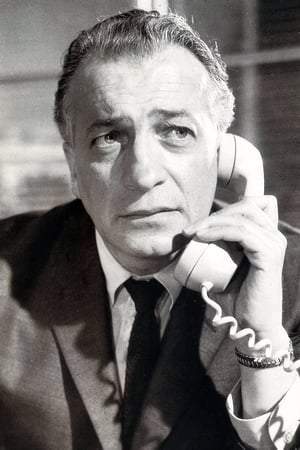
Dr. Latour (Cec Linder)
Played by Cec Linder
A Palmer Station physician whose medical expertise is essential to treating the afflicted and supporting the scientists as they push toward a cure.
- 🩺 Doctor
- 🧭 Authority
Where and When Is Virus Set?
Virus is set in Antarctica, Palmer Station, Washington, D.C. and Tierra del Fuego (1982). Here is why the time and place matter to the story.
When
1982
Set in 1982 during the late Cold War era, the world is struck by a deadly virus that spreads globally. The polar winter shelters a small handful of survivors, while political and military tensions frame the crisis. Years later, the plot leads toward the activation of doomsday devices, with a divergent ending depending on the cut.
Where
Antarctica, Palmer Station, Washington, D.C., Tierra del Fuego
The film centers on a harsh Antarctic outpost where scientists endure a devastating pandemic. Palmer Station serves as the scientific hub for countermeasures, while the action expands to the HMS Nereid and key locations like Washington, D.C. and Tierra del Fuego as the crisis escalates toward doomsday.
- ❄️ Antarctic setting
- 🧭 Remote research base
- 🚢 Submarine mission
- 🌐 Global pandemic
What Are the Themes of Virus?
4 ideas the story keeps returning to, among them Survival, Science and Doomsday.
-
01
Survival
A small, isolated group fights to endure after a pandemic wipes out most of humanity. The Antarctic outpost becomes a fragile beacon of life and science, with characters risking everything to keep hope alive. Survival in the harsh winter is framed as a test of resolve, teamwork, and the will to persist.
-
02
Science
MM88's dangerous biology and its amplification effect drive the plot, forcing scientists to confront both the potential and peril of biotech. The race to develop a vaccine and understand the virus under extreme pressure highlights scientific ethics, collaboration, and perseverance. The narrative ties discovery to life-or-death stakes for the planet.
-
03
Doomsday
The ARS doomsday devices on both sides threaten global annihilation, pushing world powers toward nuclear brinkmanship. The crisis culminates in a climactic sequence where an atomic assault looms and a final, dual-cut ending offers different fates for the survivors. The film uses this threat to explore resilience and the fragility of civilization.
-
04
Love and Hope
Romance and personal bonds act as a counterpoint to the catastrophe, grounding the characters in shared humanity. The evolving connection between Yoshizumi and a survivor embodies hope that life can endure beyond catastrophe. Love becomes a motivational force driving cooperation and the search for a future.
What Kind of Film Is Virus?
Tense in tone, with steady pacing and a moderate story, going by the plot summary.
- Tone
- Tense
- Pacing
- Steady
- Story
- Moderate
- Intensity
- High
- Ending
- Mixed
A tense and desperate thriller set against a bleak apocalyptic backdrop, where a small group of survivors races to prevent a final doomsday event, creating an atmosphere of high-stakes suspense punctuated by moments of fragile hope.
- tense
- bleak
- anxious
- hopeful
- isolated
- somber
- global pandemic
- apocalypse
- scientific race
- survival
Content notes: mass death, pandemic, nuclear war threat, military violence.
Quiz
How well do you remember Virus? Test yourself on the story.