
Two Flags West 1950

Directed by
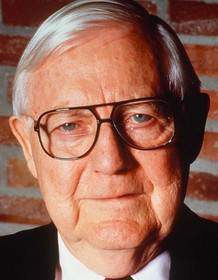
Robert Wise
Made by

20th Century Fox
Two Flags West Plot Summary
Read the complete plot summary and ending explained for Two Flags West (1950). From turning points to emotional moments, uncover what really happened and why it matters.
Autumn 1864 finds the remnants of the Confederate 5th Georgia Cavalry as prisoners of war in the Union prison camp at Rock Island, Illinois. The men are racked by illness and kept in dire, unsanitary conditions, yet a glimmer of survival appears when Union Captain Mark Bradford, Cornel Wilde, offers them release from what one prisoner calls a “this stinking pesthole” if they will join the Union Army to garrison a frontier fort. The outpost is Fort Thorn, in the harsh reaches of New Mexico, a small, understrength post where the regulars have been sent east, leaving only greenhorns or casualties to face the dangers beyond. The harsh choice is to serve a cause they once fought against, and the decision to accept is settled by a tie-breaking vote that is broken when Col. Clay Tucker, Joseph Cotten, much to his own reluctance, agrees to the terms to save his men.
The Georgians’ transfer to Fort Thorn brings them into the crossfire of old loyalties and new dangers. Major Henry Kenniston, Jeff Chandler, commands the fort with a stern, wounded gait—a limp that marks him as someone who has seen too much. He treats Tucker with a mix of command and condescension, and the social tension is sharpened by Tucker’s dining with Kenniston, his widowed sister-in-law Elena Kenniston, and other civilian guests. Elena, Linda Darnell, is wary of Kenniston’s protective attitude, sensing that he sees himself as a surrogate for her late husband’s memory. Tucker, who once led the cavalry charge that killed Elena’s husband, feels the weight of that past as the two factions spar over discipline, pride, and duty.
The atmosphere at Fort Thorniss is strained from the start. Northern and Southern soldiers clash in temperament and tactics, and when Tucker’s unit attempts to pursue a band of Indians, they are ordered to halt, and Kenniston warns them that they may be walking into an ambush. Tucker challenges the orders, and the tension deepens as the fort assigns two civilians convicted of gunrunning—actually Confederate agents—for punishment. Tucker objects to what he regards as a violation of their enlistment but finds himself outmaneuvered. As events unfold, Ephraim Strong, a civilian who conceals his Confederate allegiance, Harry von Zell engineers a plan to link California to the South and, more importantly, to keep Tucker from deserting. He nudges Tucker toward a dangerous compromise: instead of deserting, Tucker should escort a wagon train through hostile terrain and then return to Fort Thorn with Elena, thereby winning Kenniston’s trust. Elena’s daring escape in a concealed wagon adds another layer of suspense to the plot, though Tucker ultimately agrees to the risky arrangement.
The situation becomes even more perilous when Kenniston orders Tucker to carry out a controversial act: the execution of a Kiowa warrior, the son of chief Satank, whom Kenniston brands a “rebel and traitor.” Tucker is then ordered to join the Confederates and Bradford is taken prisoner. He is escorted back to the fort, only to return with alarming news—the fort is under siege by hundreds of Kiowa warriors. Despite serious misgivings, Tucker resolves to move back to Fort Thorn and fight alongside Bradford’s men to hold the line until nightfall can bring relief. The standoff tests every nerve as they struggle to defend the garrison against overwhelming odds, and Bradford is killed during the fighting.
In the aftermath, Kenniston makes a final, sacrificial gesture by stepping aside and handing command to Tucker, recognizing that the fort’s survival now depends on Tucker’s leadership. A dispatch rider brings the long-awaited news that Gen. Sherman has completed his march to the sea, a signal that the Confederacy’s cause has become untenable. The victory is tempered by loss and fatigue, but Elena offers a quiet, human counterpoint to the devastation: she comforts Tucker and holds out the hope that tomorrow may bring better days.
Throughout, the atmosphere is dense with moral ambiguity, loyalty, and courage. Tucker’s arc—from reluctant sacrificer to a commander trusted to guide his men under fire—forms the emotional core of the story, while Kenniston’s stubborn rigidity and Elena’s quiet resilience illuminate the personal costs of war. The fort, the frontier, and the fractured loyalties of soldiers on opposite sides of a divided nation become a crucible in which endurance is tested, and where the human spirit sometimes finds a way to endure beyond the immediate battles.
“this stinking pesthole”
“greenhorns or casualties”
Two Flags West Timeline
Follow the complete movie timeline of Two Flags West (1950) with every major event in chronological order. Great for understanding complex plots and story progression.
Prisoners Offered Release
In autumn 1864 at Rock Island Prison Camp, remnants of the Confederate 5th Georgia Cavalry lie sick and dying in deplorable conditions. Captain Mark Bradford offers them release from the camp if they will join the Union Army to garrison a frontier fort and fight Indians. The offer also promises they will not be forced to fight against their own, though accepting it is a grim gamble.
Break in the Vote
With the vote deadlocked, Tucker makes the decisive choice to accept Bradford's terms. His decision is driven by compassion for his men and the hope of salvaging lives.
Journey to Fort Thorn Begins
The released Georgians travel west to Fort Thorn, New Mexico, a small outpost of the 3rd Cavalry. The arduous journey tests their loyalties as they enter a tense frontier where old loyalties are tested.
Tucker and Kenniston Tensions at Fort Thorn
Tucker dines with Major Henry Kenniston, Elena, and civilian guests, and old wounds surface in the conversation. Elena's uneasy posture hints at a complex history, including Tucker's role in her late husband's death.
Civilians to be Executed
Kenniston orders two civilians convicted of gunrunning to be executed by Tucker's Georgians. Tucker privately objects, arguing it violates the enlistment agreement, but Kenniston remains unmoved.
Desertion Plot Emerges
Tucker begins to plot desertion, which Kenniston deduces. Kenniston then assigns Tucker's troop to escort a wagon train across hostile territory, ensuring Tucker's presence and control over events.
Elena's Escape
Elena escapes by concealing herself in a wagon, and Tucker discovers her but allows the disguise to continue. The escape sets the stage for fragile trust and conflicted loyalties as they move toward the frontier.
Ephraim Strong Revealed
Ephraim Strong reveals himself as a Confederate agent and recruits Tucker into a plan to keep California linked to the South. He persuades Tucker not to desert and to return to Fort Thorn with Elena to win Kenniston's confidence.
Kiowa Attack and Bradford's Capture
While Tucker is away from the fort, Kenniston executes a Kiowa warrior, son of chief Satank, labeling him a rebel and traitor. Tucker then receives orders to join the Confederates and takes Bradford prisoner.
Siege and Battle at Fort Thorn
The Kiowa siege tightens around Fort Thorn as the defenders fight to hold back the attackers. The defenders are able to delay the inevitable only until the setting sun, and Bradford is killed in the ensuing struggle.
Command Turnover
Kenniston chooses to sacrifice himself and turns over command to Tucker. This act reorients leadership as the defenders brace for what comes next.
Sherman's March to the Sea
A dispatch rider arrives with news that Gen. Sherman has completed his march to the sea, spelling doom for the Confederacy. Elena tries to comfort Tucker with the hope that things will seem better tomorrow.
Hope Amid Uncertain Times
Elena continues to offer support and hope to a despairing Tucker, suggesting that the future may still hold possibilities despite grim news. The narrative closes on a note of cautious optimism tempered by the war's outcome.
Two Flags West Characters
Explore all characters from Two Flags West (1950). Get detailed profiles with their roles, arcs, and key relationships explained.
Col. Clay Tucker (Joseph Cotten)
A Confederate cavalry officer who accepts a precarious Union assignment to garrison a remote frontier fort. He must navigate loyalty to the Confederacy while leading a reluctant, mixed-unit contingent, and his past deed—killing Elena Kenniston’s husband—haunts his authority. His pragmatism and resolve drive his efforts to keep his men alive and coherent under pressure.
Elena Kenniston (Linda Darnell)
The widowed sister-in-law to Major Kenniston, Elena is stranded at Fort Thorn and skeptical of Tucker’s protective stance. Her survival instincts and wary trust create tension with the Union soldiers, while her Confederate ties complicate relationships on both sides. She embodies the human cost of the war’s reach into personal lives.
Maj. Henry Kenniston (Jeff Chandler)
A stern Fort Thorn commander with a war-wounded limp who distrusts the Union troops yet keeps a wary eye on his own household’s safety. He views the frontier as a proving ground for discipline and control, while his protective stance towards Elena hints at unresolved family dynamics. His strategic caution keeps the troops alert to potential ambushes.
Capt. Mark Bradford (Cornel Wilde)
A compassionate Union captain who offers Confederate prisoners a chance at release in exchange for serving with the Union on the frontier. He embodies the war’s moral ambiguity, balancing sympathy with strategic necessity as he negotiates with opposing troops. His leadership underpins the fragile alliances at Fort Thorn.
Lt. Adams (Johnny Sands)
A junior officer within the Union contingent who participates in the tense exchanges between factions. He reflects the inexperienced but earnest wing of the Northern force, navigating the politics of enlistment and the realities of frontier duty.
Sgt. Terrance Duey (Jay C. Flippen)
A seasoned sergeant who embodies the gruff realism of frontier life. He keeps his squad focused amid misgivings about the broader mission and the shifting loyalties around them.
Cy Davis (Noah Beery Jr.)
A civilian figure tied to the garrison’s dynamic, whose presence underscores the civilian-military overlap in frontier conflicts and the broader war’s reach beyond battlefields.
Two Flags West Settings
Learn where and when Two Flags West (1950) takes place. Explore the film’s settings, era, and how they shape the narrative.
Time period
Autumn 1864
The action unfolds in the late Civil War era, when Confederate troops are prisoners or redeployed to frontier duty. Communications and supply lines are strained, prompting unconventional paroles and moral compromises. The narrative also foreshadows the approaching collapse of the Confederacy as Sherman advances toward the sea.
Location
Rock Island Prison Camp, Rock Island, Illinois, Fort Thorn, New Mexico
The story shifts between Rock Island, the Union prison camp on the Mississippi, and Fort Thorn, a remote cavalry outpost on the New Mexican frontier. Rock Island is depicted as a harsh holding place for Confederate prisoners, while Fort Thorn sits at the edge of hostile territory where soldiers endure isolation. The frontier fort embodies a fragile military outpost on the war's margin.
Two Flags West Themes
Discover the main themes in Two Flags West (1950). Analyze the deeper meanings, emotional layers, and social commentary behind the film.
🤝
Loyalty & Betrayal
The film tests where loyalty lies—between a soldier’s oath to a cause and his obligation to comrades in arms. Tucker’s decisions challenge the boundaries between Union and Confederacy. Personal histories, including Elena’s losses, complicate trust and create uneasy alliances.
🛡️
Duty vs Survival
Bradford’s offer forces the troops to choose between desertion and a sense of duty to garrison the fort. Tucker weighs risk against the survival of his men, revealing pragmatic leadership under pressure. The soldiers navigate orders that threaten their safety and moral beliefs.
⚔️
Frontier Warfare
The narrative situates combat on the Western frontier, where regulars have been reassigned and frontier dangers—from Kiowa raids to gunrunning plots—shape the soldiers’ decisions. The siege at Fort Thorn exposes frontier volatility and the way alliances across lines become a means of survival as much as victory.

Coming soon on iOS and Android
The Plot Explained Mobile App
From blockbusters to hidden gems — dive into movie stories anytime, anywhere. Save your favorites, discover plots faster, and never miss a twist again.
Sign up to be the first to know when we launch. Your email stays private — always.
Explore the mobile appTwo Flags West Spoiler-Free Summary
Discover the spoiler-free summary of Two Flags West (1950). Get a concise overview without any spoilers.
In the waning months of 1864, a rag‑tag group of Confederate cavalrymen languishes in the squalid Union prison camp on Rock Island, Illinois. Their bleak routine is shattered when Captain Mark Bradford proposes a stark bargain: swap the “stinking pesthole” for a chance to fight for the Union by garrisoning a remote outpost on the New Mexico frontier. The offer forces the prisoners to weigh loyalty against survival, and a tenuous vote sends them on a long, dusty trail toward an isolated fort that few soldiers willingly call home.
The film settles into a gritty, sun‑bleached world where the line between friend and foe is as shifting as the desert wind. Fort Thorn, a skeletal posting left to the “greenhorns or casualties” after regular troops were pulled east, becomes a crucible for clashing cultures. Men raised on Southern honor now share cramped quarters with Union regulars, and every interaction crackles with unspoken history. The atmosphere is heavy with moral ambiguity, tempered by stark beauty—a landscape that is both unforgiving and oddly liberating, hinting at the possibility of redemption amid chaos.
At the heart of the story stands Col. Clay Tucker, a seasoned Confederate officer reluctantly thrust into a role he never imagined, his pride tempered by a desperate need to protect his men. Major Henry Kenniston, the fort’s wounded but unyielding commander, exerts a stern authority that both steadies and alienates the newcomers. Elena Kenniston, his widowed sister‑in‑law, offers a quiet resilience that challenges the hard‑boiled militarism around her. Adding a layer of intrigue, Ephraim Strong, a civilian with a concealed past, circles the periphery, hinting at motives that extend beyond the immediate military orders. Their intersecting loyalties and personal codes create a tense, often uneasy camaraderie that drives the film’s central energy.
Against this backdrop of stripped‑down frontier life, the narrative balances stark realism with a lingering sense of hope. The characters navigate a world where the dust of battle mingles with the promise of a new beginning, and every decision carries the weight of both personal honor and the larger, unresolved conflict that still looms over a divided nation.
Movies with Similar Twists and Themes
Uncover films that echo the narrative beats, emotional arcs, or dramatic twists of the one you're exploring. These recommendations are handpicked based on story depth, thematic resonance, and spoiler-worthy moments — perfect for fans who crave more of the same intrigue.





Featured on this page

What's After the Movie?
Not sure whether to stay after the credits? Find out!
Check out our other apps:

SAT Sphere
Build confidence for the Digital SAT.

Mori Atlas
Discover wild places worth protecting.

Luntero
Search smarter for a home in Amsterdam.

Plot Explained
Unravel movie endings and hidden clues.

Pokechamp
Dive into Pokémon data and battle logic.

Driving Theory
Get ready for your European theory test.

Movie Dust
Plan your next cinema trip with ease.

Musemap
Find art and culture as you travel.

Selkobase
Compare credentials before committing.

Local Manual
Turn an unfamiliar country into practical next steps.

Lernavi
Compare school systems before your next move.

GymRoam
Find a workout stop wherever your plans take you.
Explore Our Movie Platform
New Movie Releases (2026)
Famous Movie Actors
Top Film Production Studios
Movie Plot Summaries & Endings
Major Movie Awards & Winners
Best Concert Films & Music Documentaries
Movie Collections and Curated Lists
© 2026 What's After the Movie. All rights reserved.
Privacy Policy