

What Is True Noon About?
The premise of True Noon in 305 words, with nothing given away. The full story follows below.
In a remote corner of Tajikistan, a small village nestles against an unremarkable hill, its rhythm shaped by the seasons and the gentle hum of a nearby climate observatory. Life here has long been marked by quiet continuity, a fragile peace that feels almost timeless until the distant echo of military boots breaks the calm. The sudden arrival of barbed wire stretches across the landscape, cutting the community in two and turning ordinary streets into uncertain frontiers.
Nilufar is a bright‑eyed young woman whose days are spent assisting at the observatory, learning to read the sky and the instruments under the watchful eye of an older mentor. As the village prepares for her wedding—a celebration that promises to bridge the gap between her home and the neighboring settlement—her thoughts drift between personal hopes and the precise measurements of true noon, a task that has come to symbolize balance in a world tilting toward disorder.
Kirill, the Russian operator of the hilltop station, carries the weight of decades spent charting weather patterns far from his own family. Though isolated by distance and bureaucracy, his bond with Nilufar goes beyond professional instruction; it is a quiet partnership forged in shared observations and an unspoken desire to protect the fragile normal that the village cherishes. He watches the looming changes with a mixture of concern and resolve, aware that the forthcoming ceremony holds more than personal significance.
The newly erected fence reshapes everyday life: classrooms now sit behind tangled wire, the clinic becomes a distant hope, and the simple act of moving between the two halves of the village awakens a sense of unease. Against this backdrop of looming division, the villagers cling to the rituals that have long defined them, while the sky above remains indifferent, marking each moment with the precise, unchanging cadence of true noon.
What Happens in True Noon?
The complete story of True Noon, from the first scene to the last, in 453 words (about 2 minutes). Spoilers throughout. Names in the text link to 2 cast member pages.
Spoilers ahead
Nilufar, Nasiba Sharipova, is a pretty, thoughtful young woman living in a Tajik border village that sits close to another settlement in the shadow of a tense divide. She works as an assistant to Kirill, Yuriy Nazarov, the Russian operator of a climate observatory perched on a hill. He has trained her to read the indicators and to operate the instruments, turning a quiet routine into a profession that keeps a watchful eye on the weather and the land around them. The film centers on their working relationship, the rhythms of daily life, and the shared aim of understanding the environment that shapes their world.
An older meteorologist, separated from his family for a long time, waits for a replacement and for a chance to go home. With communications to the central bureau disrupted, he makes the difficult decision to transfer his responsibilities to Nilufar, especially as she prepares to wed Aziz from the adjacent village. The wedding plans bring a sense of normalcy that stands in stark contrast to the growing tension in the region. Yet on the day of the engagement, soldiers arrive and begin to plant barbed wire that literally divides the two villages, turning a hopeful moment into a fragile situation fraught with danger.
The barrier reshapes everyday life: the school and the clinic sit in the lower village, while the people of the upper village may only cross at the distant border crossing, about 50 kilometers away. The most pressing problem becomes the upcoming wedding itself, as the military presence intensifies and mines begin to line the fence. The community clings to any chance of connection, and Kirill tries to help by using a home-built metal detector to aid the crossing of the wedding party through the mined border. Their perseverance testifies to a stubborn resilience, even as the risk grows with every step along the improvised path.
In the climactic sequence, the effort to unite the couple pushes the limits of courage and sacrifice. Kirill makes a valiant but fatal misstep on a mine he cannot detect, sacrificing his life to ensure that Nilufar and Aziz can join in marriage and begin a shared life beyond the barrier. The closing moments reflect a community learning to live with new borders, finding hope in small acts of solidarity and connection amidst a landscape of difficulty and separation.
The title of the film references the concept of true noon, a precise moment that Nilufar discusses with Kirill in their work at the observatory. It anchors the story in a shared habit of measurement and clarity, a quiet metaphor for seeking balance and accuracy in a world where the day’s true center is continually tested by human and political forces.
True Noon Timeline: Every Key Event in Order
12 key events in the order they happen, from “Nilufar joins Kirill at the climate observatory” to “Noon as a symbol of resolve”. 12 events name a place, across 10 locations.
- 1
Nilufar joins Kirill at the climate observatory
Nilufar, a pretty girl from a border village, works as an assistant to Kirill, the Russian operator of a hill-top climate observatory. He trains her to take careful meteorological observations with the instruments and to record data accurately. The opening scene establishes a quiet life near the border and shows the mentoring bond between them.
When:Opening scene Where:Hill-top climate observatory, near the border
- 2
Nilufar becomes a trained observer
Kirill demonstrates how to operate the equipment, read instruments, and interpret readings. Nilufar studies the tasks and proves herself capable under his guidance. Their working relationship blends professional respect with a growing personal connection.
When:Early phase Where:Observatory
- 3
Meteorologist transfers responsibilities
The old meteorologist, separated from his family for a long time, decides there is no replacement coming and chooses to transfer his responsibilities to Nilufar. This handover occurs as a pledge of continuity for the station. Nilufar thus starts carrying the forecaster's duties in addition to her other tasks.
When:Before engagement Where:Observatory
- 4
Nilufar's engagement to Aziz
Nilufar is arranged to marry Aziz of the neighboring village, an event that promises social ties across the border. The engagement creates a countdown of hope against the widening restrictions. The narrative frames her personal future against the larger political tension.
When:Before engagement Where:Nilufar's village
- 5
Barbed wire divides the villages
On the day of the engagement, soldiers plant barbed wire to separate the two villages, abruptly framing their lives with a barrier. The community watches as the landscape and freedom of movement shrink. This action marks the start of the new chaotic reality.
When:Wedding day Where:Between the two villages
- 6
Border restrictions reshape daily life
With the fence in place, the lower village controls schooling and clinics, while the upper village is cut off, with the nearest border crossing located far away at 50 kilometers. Cross-border travel becomes fraught with risk and delay. Daily life is reorganized around the new impediments.
When:After barrier Where:Lower village / border area
- 7
The wedding becomes the central challenge
Nilufar's wedding becomes the central challenge as crossing the border is required for Aziz to reach her. The barrier forces the community to seek dangerous shortcuts or slow, costly routes. The wedding's fate mirrors the broader struggle for connection across the divided land.
When:Lead-up to crossing Where:Border area / near border crossing
- 8
Kirill builds a home-made metal detector
Kirill uses his technical skills to construct a home-made metal detector to locate mines along the fence and guide the crossing party. He debates the risks with villagers and takes on the dangerous task of protecting others. The effort embodies a practical courage amid the political standoff.
When:Crossing preparation Where:Border fence vicinity
- 9
The crossing is attempted
A crossing attempt is staged using the detector's guidance, and the wedding party manages to slip through the mined border. The sense of relief is punctuated by the ever-present danger of the minefield. The village on the far side welcomes them as the ceremony or union proceeds.
When:Crossing attempt Where:Border fence crossing point
- 10
Kirill sacrifices himself
In the closing scene, Kirill steps on a mine he failed to find, sacrificing himself to allow Nilufar and Aziz to join. His death underscores the price paid for peace and the strength of his protective care. The moment crowns the effort with tragedy and solemnity.
When:Closing scene Where:Minefield at the border
- 11
The couple joins together
Nilufar and Aziz unite in marriage and join the families from both villages, symbolizing a fragile, hopeful bond beyond the conflict. The community consolidates around shared resilience rather than division. The film ends on a note of quiet, hard-won reconciliation.
When:Final sequence Where:Border villages
- 12
Noon as a symbol of resolve
The film's title and meaning derive from Nilufar's task of determining true noon at the observatory, a metaphor for precision and balance. She discusses the concept with Kirill, anchoring their work and their relationship in a single, decisive moment. The 'noon' theme frames the story as a meditation on time, truth, and perseverance.
When:Dialogue about noon Where:Observatory
Who Are the Main Characters in True Noon?
4 characters, among them Kirill (Yuriy Nazarov), Nilufar (Nasiba Sharipova) and Aziz: who each one is and the part they play in the story. 2 of them link to the actor’s page.
-
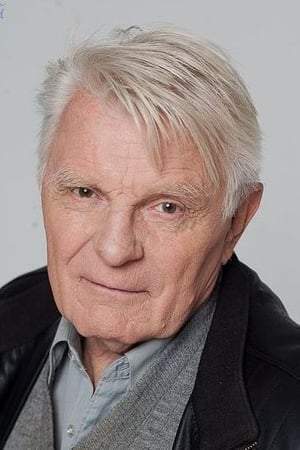
Kirill (Yuriy Nazarov)
Played by Yuriy Nazarov
A Russian operator of the climate observatory on a hill, he trains Nilufar to use the instruments and believes in staying connected with people despite distance and politics. He becomes a protector who risks danger to help others cross the mined border, ultimately sacrificing himself.
- 🧭 Protector
- 🔭 Scientist
- N(
Nilufar (Nasiba Sharipova)
Played by Nasiba Sharipova
A pretty village girl who serves as Kirill’s assistant and performs essential weather observations. Her engagement to Aziz funnels hope into a fragile community, and she shoulders responsibility as the border tightens around her. She embodies resilience, blending scientific curiosity with love and duty.
- 💫 Protagonist
- 🔬 Observer
- A
Aziz
Nilufar’s fiancé from the neighboring village who embodies hope and commitment amidst disruption. His engagement scene becomes a catalyst for the attempted crossing and the merging of two divided communities.
- 💍 Lover
- 🧭 Bridge-builder
- M
Meteorologist
An elderly meteorologist from the observatory who has been separated from his family for a long time. He entrusts Nilufar with the responsibility for the weather station as communications falter.
- 🧓 Elder
- 🧭 Strategist
Where and When Is True Noon Set?
True Noon is set in Tajikistan border village and with a nearby settlement in the background. Here is why the place matters to the story.
Where
Tajikistan border village, with a nearby settlement in the background
The story unfolds in a Tajikistan border village with a second settlement nearby. A hill hosts a climate observatory where Nilufar works as an assistant to Kirill. Soldiers later plant barbed wire along the divide, turning the area into a militarized frontier and isolating the communities from their usual daily routes, schools, and clinics. Mines along the border fence exacerbate the danger as residents try to preserve life and rituals like a wedding.
- 🏞️ Rural Tajikistan
- 🛡️ Border region
- 🚧 Remote frontier
What Are the Themes of True Noon?
4 ideas the story keeps returning to, among them Conflict & Separation, Sacrifice and Science under Pressure.
-
01
Conflict & Separation
A border dispute collapses peaceful coexistence between the two villages. The deployment of barbed wire and mined borders transforms a shared landscape into a danger zone where basic services become hard to reach. Daily life—schools, clinics, and social events—must navigate the new mobility restrictions.
-
02
Sacrifice
Kirill embodies selflessness as he uses a dangerous home-built detector to aid the wedding party. He ultimately steps on a hidden mine, paying the ultimate price so Nilufar and Aziz can join their families. The act elevates personal sacrifice to preserve human connections across a dividing frontier.
-
03
Science under Pressure
Nilufar's work at the climate observatory highlights science operating under austere conditions. The meteorologist's departure and disrupted communications force the younger observer to assume responsibility. The pursuit of data and truth persists even as warlike measures disrupt the central bureau.
-
04
Border Life
The film portrays life in a border landscape where travel is constrained and bottlenecks to crossing are 50 kilometers away. The community must adapt to new borders, with the wedding as a focal moment of bridging two villages under siege. The resistance lies in everyday acts of hope and coordination against the dividing fence.
What Kind of Film Is True Noon?
Bittersweet in tone, with slow pacing and a straightforward story, going by the plot summary.
- Tone
- Bittersweet
- Pacing
- Slow
- Story
- Straightforward
- Intensity
- Medium
- Ending
- Bittersweet
A melancholic and quietly tense drama about normal life unraveling under sudden political division, where a wedding becomes a symbol of hope and tragedy amid growing oppression.
- melancholic
- tense
- hopeful
- oppressive
- tragic
- poignant
- border conflict
- love against the odds
- political division
- sacrifice
Content notes: war violence, landmines, political oppression.
Quiz
How well do you remember True Noon? Test yourself on the story.
