
Trial on the Road 1971

Directed by
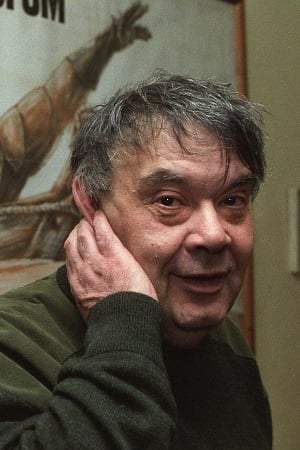
Aleksei German
Made by

Lenfilm
Trial on the Road Plot Summary
Read the complete plot summary and ending explained for Trial on the Road (1971). From turning points to emotional moments, uncover what really happened and why it matters.
Set in December 1942, amid Operation Barbarossa, a partisan detachment behind German lines faces a harsh winter of hunger and danger. Led by Ivan Lokotkov Rolan Bykov, a former village police officer, the unit fights to survive as German patrols press closer and supply runs dwindle. The men move with caution through snow-covered forests, relying on patience, discipline, and the occasional bold gambit to keep their small band from being wiped out.
Alexander Ivanovich Lazarev Vladimir Zamanskiy is a former Red Army sergeant who had previously been captured and cooperated with the occupiers. He is captured by the partisans and, in a perilous gamble, volunteers to defect once more, offering his knowledge of German routines and security to help the resistance strike a critical blow. The offer comes with heavy risk: if his true loyalty is discovered, it could doom the entire detachment to capture or death.
With food running dangerously low, the command eyes a high-stakes objective: seize a food train at a railway depot guarded by Nazis. The plan hinges on Lazarev’s unique position, because the garrison recognizes him and does not know about his latest defection. To exploit this, Lazarev is tasked with leading a small assault team while the rest of the partisans slip in under the guise of German soldiers, a deception that requires flawless timing and nerve.
As the operation unfolds, Lazarev encounters an old acquaintance—another Russian collaborator—on a machine-gun tower. He creates a distraction to draw the guard’s attention away from the advancing squad, buying precious moments for the team to reach the train. But the ruse falters when a collaborator on the depot spots the infiltration and raises the alarm, forcing the partisans to move with even greater urgency.
Despite the setback, the team presses on and manages to hijack the train, a dramatic interruption amid the depot’s routine. From the tower, Lazarev provides covering fire, trying to keep the perimeter secure long enough for the crucial cargo to be seized and loaded. The effort is heroic but costly: mortally wounded, Lazarev climbs down and battles to reach the moving train, only to collapse before he can make it aboard.
In the end, the mission is remembered for both its audacity and its sacrifice. The story emphasizes the grueling choices faced by resistance fighters under occupation, the blurred lines between loyalty and betrayal, and the extreme personal costs that accompany acts of defiance during wartime.
Trial on the Road Timeline
Follow the complete movie timeline of Trial on the Road (1971) with every major event in chronological order. Great for understanding complex plots and story progression.
Operation Barbarossa setting and partisan group
The film is set in December 1942 on the Eastern Front, during Operation Barbarossa. A partisan detachment operates behind German lines under the command of Ivan Lokotkov. Supplies are scarce, forcing the group to consider bold action.
Food shortage pushes plan to seize a train
With food running out, the partisans plan a risky raid to seize a food train at a guarded railway depot. The raid must be swift to avoid a full German counterattack. Lazarev is chosen to join the mission, despite lingering distrust about his defection.
Lazarev's capture and defection
Alexander Lazarev, a former Red Army sergeant who had collaborated with the Germans, is captured by the partisans. He volunteers to defect back to the partisans, hoping to prove his loyalty. His decision becomes pivotal to the operation.
Lazarev leads disguises
Despite initial mistrust, the detachment assigns Lazarev to lead a unit disguised as German soldiers. The plan relies on his familiarity with the enemy to slip past the garrison, which recognizes him but does not know about his defection.
Infiltration begins
The group infiltrates the depot undercover as German troops. Their objective is to reach the food train and prepare for hijacking while avoiding suspicion from the German guards.
Lazarev distracts the tower lookout
During the infiltration, Lazarev spots an acquaintance, a fellow Russian collaborator, on a nearby machine-gun tower. He creates a distraction to pull the lookout away, enabling the partisans to advance toward the train.
Alarm sounds as a collaborator recognizes them
One of the collaborators recognizes the partisans and raises the alarm. The element of surprise evaporates as the garrison begins to respond and organize a counterattack.
Race to hijack the train
The partisans push to hijack the train despite the alarm, moving quickly to seize the goods and escape with minimal casualties. They press forward as the German guards attempt to regroup.
Lazarev's covering fire
From the tower, Lazarev provides covering fire to slow the German counterattack. His gunfire buys precious moments for the others to continue the hijack.
Lazarev is mortally wounded
During the tense exchange, Lazarev is mortally wounded. He climbs down from the tower, determined to help the group until his last breath.
Lazarev collapses before reaching the train
He collapses before he can reach the departing train, the mission paying a heavy personal price. The narrative underscores the cost paid by Lazarev for switching sides and aiding the partisans.
Trial on the Road Characters
Explore all characters from Trial on the Road (1971). Get detailed profiles with their roles, arcs, and key relationships explained.
Иван Єгорович Локотков (Ролан Быков)
A former village police officer who now commands the partisan detachment behind German lines. He demonstrates pragmatic leadership and resilience, guiding his group through a high-stakes mission while navigating trust and loyalty within the team.
Александр Иванович Лазарев (Владимир Замanskiy)
A former Red Army sergeant who had collaborated with the Germans, he is captured by the partisans and volunteers to defect again. He leads the disguise into a German-guarded depot and provides crucial covering fire as he battles his own past and the mission’s risks.
Trial on the Road Settings
Learn where and when Trial on the Road (1971) takes place. Explore the film’s settings, era, and how they shape the narrative.
Time period
December 1942
The events unfold in December 1942, amid Operation Barbarossa. The Soviet partisan detachment operates behind German lines, facing hunger, cold, and constant pursuit. The time frame emphasizes desperation and wartime improvisation.
Location
Eastern Front (Soviet Union), German-occupied territory, Railway depot
Set on the Eastern Front behind German lines during Operation Barbarossa, the action centers on a railway depot and its surrounding tracks. Harsh winter conditions and dwindling supplies heighten the danger as the partisan detachment plans a risky seizure. The depot becomes a pressure cooker where loyalty, deception, and survival collide.
Trial on the Road Themes
Discover the main themes in Trial on the Road (1971). Analyze the deeper meanings, emotional layers, and social commentary behind the film.
🪖
Loyalty
Loyalty is tested as the partisans balance camaraderie with survival under brutal conditions. Lokotkov’s leadership hinges on trust, even when risk and suspicion run high. Lazarev’s defection adds another layer, forcing the group to decide where allegiance truly lies. The film uses these tensions to explore sacrifice for the collective.
🎭
Deception
The mission hinges on deception, with partisans disguising themselves as German soldiers to infiltrate the depot. Skillful feints and cautious planning are necessary to outsmart a wary garrison. Deception becomes a means of survival, but it also elevates risk and moral ambiguity.
⚔️
Sacrifice
Sacrifice drives the narrative as Lazarev volunteers to defect and leads the dangerous assault. He pays the ultimate price, mortally wounded while trying to reach the moving train. The detachment’s success is framed against the backdrop of his loss and the broader costs of war.

Coming soon on iOS and Android
The Plot Explained Mobile App
From blockbusters to hidden gems — dive into movie stories anytime, anywhere. Save your favorites, discover plots faster, and never miss a twist again.
Sign up to be the first to know when we launch. Your email stays private — always.
Explore the mobile appTrial on the Road Spoiler-Free Summary
Discover the spoiler-free summary of Trial on the Road (1971). Get a concise overview without any spoilers.
In the dead of a Russian winter, a small Soviet partisan regiment hunkers down behind enemy lines, its fire‑lit hideouts flickering against a landscape of snow‑packed forests and frost‑bitten silence. The year is 1942, and the omnipresent threat of German patrols looms over every cracked shelter and ration‑thin camp. Survival hinges on a fragile mix of discipline, patience, and the daring instincts that keep the unit from being swept away by the relentless tide of the occupation.
At the heart of the band is Ivan Lokotkov, a former village police officer whose steady hand and pragmatic leadership have become the glue holding the men together. Lokotkov’s experience on the home front translates into a meticulous approach to guerrilla warfare, where every movement is calculated and every decision weighs heavily against the cold that seeps into bone and spirit alike. His sense of duty is matched only by an unspoken awareness of the thin line between order and chaos in such a hostile environment.
The arrival of Alexander Ivanovich Lazarev adds a volatile dimension to the group. Once a Red Army sergeant, Lazarev was captured and, under duress, wore a German uniform—an act that branded him a collaborator in the eyes of many. Now, having turned his back on that past, he seeks a chance at redemption by offering his intimate knowledge of the occupier’s routines to the partisans. His presence forces the regiment to confront questions of trust, forgiveness, and the cost of a second chance, while his internal struggle mirrors the wider moral ambiguity of war.
Together, these figures navigate a world where the bitter cold is as much an enemy as the soldiers they oppose. The film’s tone is stark and unflinching, painting a portrait of relentless endurance and the uneasy alliances forged in the crucible of resistance. Through muted palettes and hushed dialogue, the story evokes the claustrophobic tension of life on the edge, inviting the audience to feel the weight of each decision made beneath the frozen canopy of war‑torn Russia.
Movies with Similar Twists and Themes
Uncover films that echo the narrative beats, emotional arcs, or dramatic twists of the one you're exploring. These recommendations are handpicked based on story depth, thematic resonance, and spoiler-worthy moments — perfect for fans who crave more of the same intrigue.


Featured on this page

What's After the Movie?
Not sure whether to stay after the credits? Find out!
Check out our other apps:

SAT Sphere
Build confidence for the Digital SAT.

Mori Atlas
Discover wild places worth protecting.

Luntero
Search smarter for a home in Amsterdam.

Plot Explained
Unravel movie endings and hidden clues.

Pokechamp
Dive into Pokémon data and battle logic.

Driving Theory
Get ready for your European theory test.

Movie Dust
Plan your next cinema trip with ease.

Musemap
Find art and culture as you travel.

Selkobase
Compare credentials before committing.

Local Manual
Turn an unfamiliar country into practical next steps.

Lernavi
Compare school systems before your next move.

GymRoam
Find a workout stop wherever your plans take you.
Explore Our Movie Platform
New Movie Releases (2026)
Famous Movie Actors
Top Film Production Studios
Movie Plot Summaries & Endings
Major Movie Awards & Winners
Best Concert Films & Music Documentaries
Movie Collections and Curated Lists
© 2026 What's After the Movie. All rights reserved.
Privacy Policy