What Is Torture Garden About?
The premise of Torture Garden in 336 words, with nothing given away. The full story follows below.
In a fog‑shrouded carnival that smells of rusted machinery and whispered promises, a lone marquee glows with the cryptic invitation of Dr. Diabolo. The sideshow he presides over is no ordinary midway; it offers a promenade through a series of haunted‑house‑style exhibits that seem to pulse with a life of their own. Shadows flicker behind velvet curtains, and an eerie, almost theatrical whisper teases visitors with the notion that a deeper, more terrifying experience awaits—if they are willing to pay the extra price. The atmosphere balances the nostalgic charm of a traveling fair with a chilling undercurrent that suggests every attraction might be a glimpse into something far more personal.
Among the curious crowd, five strangers find themselves drawn into the Macabre Fair. Enoch, a confident playboy whose ambition radiates as loudly as his laughing eyes, surveys the oddities with a mix of charm and hunger. Carla, a rising Hollywood starlet, moves with a poised elegance that hides an undercurrent of vulnerability as she scans the crowd for authenticity. Leo, a pianist with a treasured grand, carries an air of quiet reverence, his fingers still remembering the resonance of ivory keys. Ronald, a devoted collector of rare literary artifacts, walks with a scholar’s measured step, his mind already cataloguing the strange curiosities around him. Finally, Gordon, a restless wanderer, appears restless, his eyes darting from one spectacle to the next as if searching for a purpose beyond the ordinary.
The fair’s allure lies not only in its grotesque spectacle but also in the subtle psychological games it plays on its guests. Each attraction seems designed to reflect the inner longings and hidden fears of its participants, turning curiosity into a delicate, almost intoxicating dance with the unknown. As the strangers drift deeper into the maze of contraptions, the line between performer and audience blurs, and the promise of an “extra thrill” hangs heavy in the stale night air, inviting them to wonder just how far they are willing to go for a taste of true terror.
What Happens in Torture Garden?
The complete story of Torture Garden, from the first scene to the last, in 473 words (about 2 minutes). Spoilers throughout. Names in the text link to 10 cast member pages.
Spoilers ahead
Prologue
Five people visit a carnival fairground, drawn to a sideshow led by Burgess Meredith as Dr. Diabolo. Behind a curtain, a handful of haunted-house-style attractions promise real fear, and the show offers an extra thrill if they’re willing to pay more. Their curiosity overwhelms caution as they follow the illusionist to a dim back room, where each person watches a glimpse of their fate unfold through the shears of an effigy of the female deity Atropos.
Enoch
Colin Williams, Michael Bryant, is a greedy playboy who exploits his dying uncle Roger, Maurice Denham. As the story twists, Colin becomes entranced by a man-eating cat, a merciless force that mirrors his own hunger for wealth and control and pulls him toward a reckoning that he cannot escape.
Terror Over Hollywood
Carla Hayes, Beverly Adams, a rising Hollywood starlet, begins to sense something deeply unsettling about her fellow performers: they are androids. The glamorous realm of cinema starts to feel eerier and more fragile as the truth about the impostors threatens to upend everything she has built. The tension is sharpened by Dr. Heim, Bernard Kay, whose clinical presence deepens the eerie mystery surrounding the artificial co-stars and the strange forces at play behind the glossy façade.
Mr. Steinway
Leo Winston, John Standing, owns a Bechstein grand piano named Euterpe that appears to be more than a mere instrument. The Bechstein becomes jealous of its owner’s new lover, Dorothy Endicott, Barbara Ewing, and the two human beings must contend with a creeping, sentient wrath. As melodies turn to menace, the piano’s spite escalates into a calculated, supernatural vendetta that blurs the line between music and malice.
The Man Who Collected Poe
Ronald Wyatt, Jack Palance, a devoted Poe collector, murders Lancelot Canning, Peter Cushing, over a coveted piece that Wyatt refuses to reveal. The act is chilling not just for the crime itself but for the eerie revelation that the Poe himself may be the object of Wyatt’s fixation, turning the pursuit of a rare artifact into a confrontation with literature’s most haunting figure.
Epilogue
Gordon Roberts, Michael Ripper, the fifth patron, descends into a frenzy and uses the shears of Atropos to “kill” Dr. Diabolo before the others, triggering panic and a frantic retreat. The group soon discovers that the entire sequence may have been a staged performance, as it’s revealed that Ronald Wyatt had not fled with the others and even participates in the moment, sharing a brief, knowing exchange and lighting a cigarette for Diabolo before departing (the lighter being the same one he borrowed in his vision, hinting that the events may have had real consequences). Diabolo then reclaims the shears as part of the illusion’s mystique, and, with a final, chilling flourish, breaks the fourth wall by speaking three words to the audience, revealing himself to be the devil.
Torture Garden Timeline: Every Key Event in Order
12 key events in the order they happen, from “Prologue: The fairground invitation” to “Closing aftermath: a night of consequences”. 12 events name a place, across 10 locations.
- 1
Prologue: The fairground invitation
Five people visit a fairground sideshow run by Dr. Diabolo. He promises them a genuinely scary experience if they will pay extra and leads them behind a curtain to view their fates through the shears of an effigy of Atropos. The group watches as the curtain closes, stepping into a night of portentous illusions.
When:Prologue Where:Fairground show tent
- 2
Enoch: Bryant exploits his dying uncle
Michael Bryant, a greedy playboy, takes advantage of his dying uncle Roger and schemes to profit from the old man's fortune. He becomes intertwined with a man-eating cat, hinting at a supernatural force guiding his actions. The setup foreshadows a deadly consequence for Roger.
When:Enoch Where:Roger's estate
- 3
Enoch: the cat's deadly influence
The man-eating cat's presence grows more ominous as Roger's health falters under its influence. Bryant's ruthless greed seems to feed the creature's appetite, intensifying the danger around Roger. The segment builds toward a fatal, cat-driven outcome.
When:Enoch Where:Roger's estate
- 4
Terror Over Hollywood: android co-stars revealed
Carla Hayes, a Hollywood starlet, uncovers that her supposed co-stars are androids rather than living actors. The shock fractures her sense of reality and stardom. The deception underscores the cost of illusion in the film industry.
When:Terror Over Hollywood Where:Hollywood film set
- 5
Mr. Steinway: Euterpe's jealousy and revenge
A possessed Bechstein grand piano named Euterpe grows jealous of Leo Winston's new lover, Dorothy Endicott. The piano's malevolent will moves to revenge, using its music as a weapon against the lovers and the pianist. The haunting melody becomes a dangerous instrument in the plot.
When:Mr. Steinway Where:Leo Winston's home
- 6
The Man Who Collected Poe: murder and Poe
Ronald Wyatt, a dedicated Poe collector, murders Lancelot Canning to obtain a coveted artifact. In a chilling twist, he discovers the item is Edgar Allan Poe himself, turning dangerous obsession into a grim encounter with the writer.
When:The Man Who Collected Poe Where:Canning's collection room
- 7
Epilogue: Gordon Roberts' berserk act
Gordon Roberts, the fifth patron, goes berserk and uses the shears of Atropos to strike at Dr. Diabolo in front of the others. Panic erupts as the crowd realizes something uncanny is happening. The moment marks a shocking peak in the night's spectacle.
When:Epilogue Where:Dr. Diabolo's booth
- 8
Epilogue: the twist—the show was fake
It is revealed that Gordon's lethal act was part of a staged deception controlled by Diabolo. The audience learns the danger was manufactured, and the dissent around it erupts into disbelief. The illusion of peril gives way to questions about the reality of the events.
When:Epilogue Where:Fairground
- 9
Epilogue: Ronald's quiet return
Ronald Wyatt reveals that he did not flee with the others and stays to observe. He commends the performers' acting and shares a cigarette with Diabolo, using the lighter he borrowed in his vision, hinting that the events may have actually happened. The moment blurs the boundary between fiction and reality.
When:Epilogue Where:Fairground backstage
- 10
Atropos and Diabolo: restoring the shears
Diabolo retrieves the shears and places them back into Atropos's hand, signaling control over fate. He refrains from letting the terrors truly end, instead reasserting the power of the show over its audience. The ritual underscores the theme of fate vs. performance.
When:Epilogue Where:Sideshow stage
- 11
Diabolo's final confession: the devil unveiled
Breaking the fourth wall, Diabolo speaks directly to the audience and proclaims himself the devil. The revelation casts the entire night in a malevolent light and leaves viewers with a chilling sense of true evil lurking behind the curtain. The film ends on this ominous note.
When:Epilogue Where:Audience hall
- 12
Closing aftermath: a night of consequences
The line between stagecraft and nightmare remains unclear as the patrons process what they witnessed. Some moments feel undeniably real, others like a masterful deception. The lingering sense of the devil's presence colors every memory of the night.
When:End Where:Fairground
Who Are the Main Characters in Torture Garden?
13 characters, among them Dr. Diabolo (Burgess Meredith), Colin Williams (Michael Bryant) and Uncle Roger (Maurice Denham): who each one is and the part they play in the story. Every profile links to the actor’s page.
-
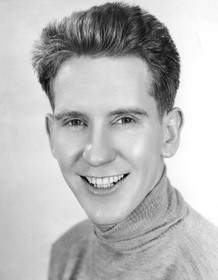
Dr. Diabolo (Burgess Meredith)
Played by Burgess Meredith
Charismatic showman who runs the Torture Garden framing segments, orchestrating experiences that blur the line between performance and reality. His presence hints at a darker, possibly supernatural power as the stories unfold.
- 🎭 Charismatic
- 🗡️ Manipulative
- CW
Colin Williams (Michael Bryant)
Played by Michael Bryant
Greedy playboy who exploits his dying uncle Roger, drawn into the Diabolo-driven spectacle and its perilous consequences. His opportunism highlights how wealth-seeking can corrupt judgment and fate.
- 💰 Greed
- 🧭 Deception
- UR
Uncle Roger (Maurice Denham)
Played by Maurice Denham
Dying relative whose vulnerability becomes a tool for others' schemes. His trust in family and his frailty make him a focal point for greed and manipulation within the Enoch segment.
- 🧓 Elder
- 💔 Vulnerability
- CH
Carla Hayes (Beverly Adams)
Played by Beverly Adams
Hollywood starlet who discovers her co-stars are androids, unveiling a critique of fame and the artificial nature of cinema.
- 🎬 Fame
- 🤖 Androids
- ES
Eddie Storm (John Phillips)
Played by John Phillips
Actor in the Terror Over Hollywood segment; part of the Hollywood milieu that the android twist unsettles, contributing to the story’s commentary on performance.
- 🎭 Actor
- 🎬 Film
- MC
Mike Charles (David Bauer)
Played by David Bauer
Cast member in the Hollywood segment; involved in the behind-the-scenes dynamics and the revelation of androids within the troupe.
- 👔 Industry
- 🕶️ Behind-the-scenes
- BB
Bruce Benton (Robert Hutton)
Played by Robert Hutton
Another co-star in Terror Over Hollywood; participates in the film-within-a-film atmosphere that the android plot exposes.
- 🎭 Actor
- 🎬 Film
- LW
Leo Winston (John Standing)
Played by John Standing
Owner of a Bechstein grand piano named Euterpe; the instrument’s jealousy becomes central to the Mr. Steinway tale.
- 🎹 Piano
- 🎭 Obsession
- DE
Dorothy Endicott (Barbara Ewing)
Played by Barbara Ewing
Leo Winston's lover whose relationship triggers the piano’s jealousy and drives the Bechstein segment's dramatic reversal.
- ❤️ Love
- 🖼️ Art
- MM
Miss Maxine Chambers (Ursula Howells)
Played by Ursula Howells
Companion to Leo Winston within the Steinway narrative; assists in advancing the Bechstein tale’s plot and mood.
- 🗝️ Assistant
- 🧩 Mystery
-
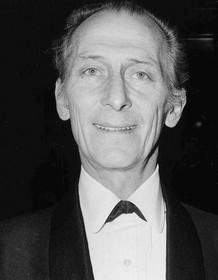
Lancelot Canning (Peter Cushing)
Played by Peter Cushing
A Poe collector who is murdered by Ronald Wyatt over a coveted item; the confrontation underscores the peril of obsession with rare works.
- 🧭 Collector
- 🕯️ Mystery
-
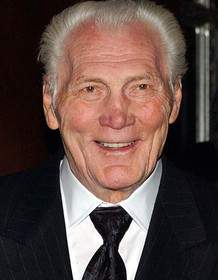
Ronald Wyatt (Jack Palance)
Played by Jack Palance
A Poe collector who murders Lancelot Canning in a bid to possess a coveted piece; the tale complicates as Edgar Allan Poe himself appears.
- 💀 Murder
- 🕵️ Mystery
- GR
Gordon Roberts (Michael Ripper)
Played by Michael Ripper
The fifth patron who berserkly uses the Atropos shears; his outburst reveals the show’s fake nature, while hinting at Diabolo’s deeper influence.
- 🗡️ Violence
- 🕯️ Deception
Where and When Is Torture Garden Set?
Torture Garden is set in Fairground Sideshow, Uncle Roger's House, Hollywood Film Set, Bechstein Piano…. Here is why the place matters to the story.
Where
Fairground Sideshow, Uncle Roger's House, Hollywood Film Set, Bechstein Piano Room, Poe Collector's Mansion
The film moves between a carnival sideshow run by Dr. Diabolo and the interiors of each tale: a dying uncle's home, a Hollywood studio, a Bechstein piano room, and a Poe collector’s mansion. Each location exposes characters' desires—wealth, fame, art, or fear—and frames their fates as staged, theatrical experiences. The settings heighten the film's meta-commentary on performance versus reality, right up to the final twist.
- 🎪 Carnival
- 🏚 Haunted House
- 🎬 Film Studio
- 🏛 Mansion
What Are the Themes of Torture Garden?
3 ideas the story keeps returning to, among them Illusion vs Reality, Greed & Obsession and Art & Possession.
-
01
Illusion vs Reality
Dr. Diabolo's show promises genuine fright, but the proceedings are a curated illusion designed to lure curiosity and greed. The participants respond to ritual and spectacle as if it were authentic danger. The stories probe whether fear is manufactured or real, culminating in a suggestive revelation about the nature of the "death" on display.
-
02
Greed & Obsession
Greed drives multiple stories: Colin Williams exploits his dying uncle for inheritance, and collectors in the Poe and Steinway tales become consumed by possession. The pursuit of wealth and coveted objects leads to dangerous actions and casualties. The narratives illustrate how desire can warp judgment and invite ruin.
-
03
Art & Possession
The Mr. Steinway segment centers on a Bechstein piano named Euterpe, which becomes jealous of its owner's new lover and enacts a terrible revenge. This tale treats art as a living force that can influence relationships and destinies. Ownership and reverence for artistic objects collide with personal ambition, producing destructive consequences.
What Kind of Film Is Torture Garden?
Dark in tone, with variable pacing and a moderate story, going by the plot summary.
- Tone
- Dark
- Pacing
- Variable
- Story
- Moderate
- Intensity
- High
- Ending
- Ambiguous
A sinister and unsettling horror anthology that explores human greed and supernatural revenge through macabre, interconnected tales, leaving the viewer with an ambiguous and deeply ominous feeling.
- macabre
- sinister
- eerie
- ominous
- unsettling
- supernatural
- anthology horror
- deal with the devil
- supernatural revenge
- human greed
Content notes: supernatural horror, murder, psychological manipulation, deal with the devil.
Quiz
How well do you remember Torture Garden? Test yourself on the story.