

What Is Too Big to Fail About?
The premise of Too Big to Fail in 316 words, with nothing given away. The full story follows below.
In a restless summer of 2008, the United States finds its financial foundations shaking, and a documentary‑style film pulls the viewer into the thin line separating Main Street’s everyday hardships from Wall Street’s towering profits. Using a blend of candid interviews and archival news footage, the story frames a nation on the brink, where every televised headline feels like a pulse on the country’s collective heart. The tone is urgent yet measured, letting the rawness of real‑time reporting clash with the reflective calm of seasoned commentators, creating an atmosphere that feels both immediate and profoundly intimate.
At the film’s core are the architects of the crisis response. Henry Paulson steps into view as the Treasury Secretary wrestling with the weight of an entire economy, while Timothy Geithner, the Federal Reserve’s New York president, balances market realities against political pressure. Ben Bernanke offers the steady, data‑driven voice of the Federal Reserve, and Christine Lagarde, then a French finance minister, brings an international perspective that reminds viewers of the crisis’s global ripple. Meanwhile, Sheila Bair, the FDIC chair, navigates the precarious world of bank regulation, and industry leaders like Jamie Dimon and Dick Fuld embody the high‑stakes decisions facing the private sector. Their interactions are portrayed as a high‑wire act, where each conversation could tilt the fragile balance between collapse and recovery, and the film lets their personalities and pressures emerge without revealing the final outcomes.
The documentary’s style leans into a cinematic tapestry of personal testimony, stark market data, and the everyday stories of those on the street below. It captures the tension between urgency and prudence, showing how policy, profit, and public welfare collide in a moment that reshapes the global economy. By focusing on the human faces behind the headlines, the film invites curiosity about the forces that drive such a pivotal era, leaving the audience with a lingering sense of both awe and unease.
What Happens in Too Big to Fail?
The complete story of Too Big to Fail, from the first scene to the last, in 1,090 words (about 5 minutes). Spoilers throughout. Names in the text link to 9 cast member pages.
Spoilers ahead
In 2008, the global financial picture is grim, and television screens flood with images of a tightening crisis around the mortgage market. The early shock comes with the forced sale of Bear Stearns to JPMorgan Chase under government guarantees, a move meant to stem the panic but also a signal that trouble in large financial firms is no longer isolated. As Bear Stearns fades from the stage, Lehman Brothers becomes the next looming test, its stock price tumbling while potential buyers hesitate. Dick Fuld, Lehman’s chief executive, fights to keep the company afloat by insisting that the real estate assets be kept off the negotiating table, a stance that gradually narrows the field of viable options and fuels concerns about the bank’s true value.
Across Washington, the mood is urgent and divided. Henry Paulson, the U.S. Treasury Secretary, and Timothy Geithner, the President of the Federal Reserve Bank of New York, convene amidst a storm of negotiations, pressing the leaders of the nation’s biggest banks to underwrite a rescue package that could restore confidence and liquidity to the system. The banks respond with a cautious calculus: a government backstop would be essential for any large-scale rescue, yet political and regulatory walls stand in the way. The most promising U.S.-based buyer for Lehman, Bank of America, appears ready to act only with Fed involvement, but policymakers remain wary of putting the taxpayer at risk again.
As the weekend unfolds, the high-stakes meeting among bank chiefs becomes a focal point for the crisis. The group signals a willingness to act collectively to stabilize the financial core, but a series of setbacks derail the plan. Bank of America withdraws from the Lehman deal, choosing instead to acquire Merrill Lynch, which shifts the playing field toward a different set of implications for the market. Attempts to engage Barclays in a rescue move are blocked by British regulators, underscoring how intertwined and global the problem has become. With no satisfactory path to a government-backed deal, Lehman Brothers files for bankruptcy, a turning point that transforms a private crisis into a systemic catastrophe.
The consequences ripple outward with alarming speed. The stock market falters, investor confidence evaporates, and the broader financial system shows signs of strain. At the same time, insurance giant AIG teeters on the brink of failure, prompting a swift government response. Christine Lagarde, then France’s finance chief, warns that allowing AIG to fail would extend the crisis across Europe, highlighting the international reach of the American collapse. The government responds decisively with an $85 billion loan, a decision described as preventing a “too big to fail” scenario and illustrating how the policy toolbox expands as the crisis deepens.
Back in the United States, the central banks push for decisive legislative action. Ben Bernanke, Chair of the Federal Reserve, argues that Congress must authorize continued intervention to prevent a deeper economic catastrophe, even as the credit markets tighten further. With liquidity becoming scarce, Paulson’s plan shifts toward buying toxic assets to clear the banks’ balance sheets, a move designed to free up capital and encourage lending. The administration and Congress engage in a protracted negotiation, racing against time as markets threaten to plunge further. The drama around congressional action intensifies when political events intrude: Senator McCain publicly suspends his campaign to return to Washington and participate in the deliberations, adding political urgency to the fiscal debate. The exchanges grow tense as factions debate the scope and speed of relief, and the looming question remains whether policy can outpace the downturn.
As the crisis deepens, a framework begins to take shape. Bernanke and Paulson advocate for a legislative package that would empower the Treasury to intervene more directly, culminating in a structured plan known as the Troubled Asset Relief Program (TARP). The team with Treasury support and the FDIC, led by Sheila Bair, outlines a strategy that includes mandatory capital injections for banks to bolster lending and restore the flow of credit to households and businesses. Although the initial approach grapples with political resistance and practical obstacles, the sense of a concrete pathway begins to emerge, even as the details and timelines remain fiercely contested.
Within the cast of key players, several high-stakes conversations unfold around specific institutions and individuals. [Ben Bernanke], a steadying voice at the Fed, emphasizes that stabilization depends on clear legislative backing and credible plans to keep credit moving. He appears alongside [Henry Paulson], whose role in shaping policy and public messaging becomes central to the administration’s response to the crisis. The narrative also centers on the leadership of the banking world: figures like Jamie Dimon and others weigh in on what the industry can bear and what it expects in return for support. The drama also follows the quiet calculations of executives such as John Thain and Christopher Cox, who are forced to consider how risk, valuation, and governance intersect with national policy during this unprecedented moment.
Across the narrative, the human toll and the systemic implications are laid bare. Lehman’s collapse exposes how intertwined the financial network has become, prompting a cascade of scrutiny over compensation, risk management, and the incentives that fed the crisis. Warren Buffett and other veteran observers weigh the lessons in risk, accountability, and moral hazard, reminding viewers that the consequences of policy choices extend far beyond any single firm. The film also traces the broader ramifications for the workforce and the economy, as the credit crunch tightens and households feel the squeeze of tighter lending standards and reduced access to funds for everyday needs.
In the end, the policy response yields a mix of relief and questions. The emergency interventions help stabilize some markets, but the epilogue notes that banks leveraged only a fraction of the funds to revive consumer credit, while executive compensation in the post-crisis climate remains high. The narrative closes on a cautious note: the crisis is contained, but not erased, and the path forward requires a careful balance between safeguards, incentives, and the ongoing vigilance of policymakers, regulators, and the banking industry.
The film ultimately offers a sober, intricate portrait of a moment when decisions at the highest levels of government and finance carried the weight of millions of livelihoods, showing how crisis, policy, and market forces collided in a way that reshaped the global economy for years to come. The tension between urgency and prudence, between bold action and restraint, plays out in every negotiation, every vote, and every public statement, leaving viewers with a nuanced understanding of how one of the most dramatic chapters in financial history unfolded.
Too Big to Fail Timeline: Every Key Event in Order
12 key events in the order they happen, from “Bear Stearns crisis marks start of crisis” to “Crisis subsides; signs of a new balance emerge”. 12 events name a place, across 5 locations.
- 1
Bear Stearns crisis marks start of crisis
In 2008, news channels flood with reports about the mortgage crisis and Bear Stearns' forced sale to JPMorgan Chase. With Bear Stearns out of the picture, markets begin to fear the fate of other investment banks. Short sellers zero in on Lehman Brothers as the next vulnerable firm.
When:2008 Where:Global financial markets
- 2
Lehman seeks a deal with Korean investors
Lehman Brothers sees a potential buyer in Korea, but the deal hinges on excluding Lehman's toxic real estate assets. The auction stalls when CEO Dick Fuld insists the Koreans accept the real estate baggage. The lack of a clean asset package kills the deal.
When:Late 2008 Where:New York
- 3
Bank of America hesitant without government backing
Bank of America appears as the strongest US-based bidder, but buyers are wary without federal backing. Investors and banks want explicit government guarantees before underwriting a rescue. Paulson signals the government won't subsidize acquisitions.
When:2008 Where:Washington, D.C.
- 4
Weekend bank meeting to back Lehman
Paulson and Geithner convene the leaders of the largest US banks for a weekend session, urging them to back Lehman. The session looks like it could produce an agreement, but the outcome is uncertain. The sheer pressure reflects how close the system is to collapsing.
When:Weekend of September 2008 Where:Washington, D.C.
- 5
Barclays deal blocked by regulators
Paulson tries to broker a deal with Barclays as a backstop, but British banking regulators block their involvement. With no approval from abroad and no domestic buyers, Lehman loses its last option.
When:2008 Where:London
- 6
Lehman Brothers declares bankruptcy
With no buyers remaining, Lehman is forced into bankruptcy. The filing sends tremors through global markets and signals the depth of the crisis. The firm’s collapse triggers a broader financial panic.
When:September 2008 Where:New York
- 7
Markets plunge; Lehman’s fall rattles confidence
Paulson attempts to reassure the media that the decision to let Lehman fail was sound. Nonetheless, stock markets plunge as investors fear further disintegration of the financial system. The Lehman failure reverberates across every corner of the economy.
When:September 2008 Where:Global
- 8
AIG bailout begins as crisis widens
As Lehman falls, insurance giant AIG teeters and begins to fail. Christine Lagarde warns Paulson against letting AIG fail, underscoring the crisis's reach into Europe. The US Treasury steps in with an $85 billion loan to rescue AIG.
When:2008 Where:New York
- 9
Bernanke and Paulson push for congressional rescue
Ben Bernanke argues that Congress must authorize continued Fed and Treasury intervention. With credit drying up, the plan shifts toward buying toxic assets to free up cash for banks. The urgency grows as the financial system threatens to seize up.
When:2008-2009 Where:Washington, D.C.
- 10
McCain suspends campaign to shape bailout
Bernanke and Paulson lobby Congress while politics stall on the campaign trail. Senator McCain temporarily suspends his campaign to work on the bailout, prompting threats from Paulson to keep him from interfering. The political drama underscores the bailout's fragile path forward.
When:2008 Where:Washington, D.C.
- 11
TARP legislation passes with capital injections
After political turmoil, the Troubled Asset Relief Program is created on a second attempt. The plan shifts to mandatory capital injections to banks, with the FDIC chair Sheila Bair involved. Banks agree to the loans, though the legislation stops short of forcing them to use funds to restore consumer credit.
When:2008-2009 Where:Washington, D.C.
- 12
Crisis subsides; signs of a new balance emerge
The stock market stabilizes by 2009, signaling the end of the crisis phase. The epilogue notes banks made limited use of the loan money to ease credit conditions, while Wall Street compensation climbs to $135 billion by 2010. The economy begins a slow recovery, but the damages linger.
When:2009-2010 Where:Global
Who Are the Main Characters in Too Big to Fail?
10 characters, among them Ben Bernanke (Paul Giamatti), Henry Paulson (William Hurt) and Timothy Geithner (Billy Crudup): who each one is and the part they play in the story. Every profile links to the actor’s page.
-

Ben Bernanke (Paul Giamatti)
Played by Paul Giamatti
Chairman of the Federal Reserve, he advocates for liquidity and steady policy while weighing political and market pressures. His approach is cautious but decisive, focusing on preventing a deflationary spiral and stabilizing credit. He works to build congressional support for emergency measures.
- 💼 Federal Reserve
- 🧠 Policy
- 🗣️ Leadership
-

Henry Paulson (William Hurt)
Played by William Hurt
U.S. Treasury Secretary who drives the weekend banking talks and political negotiations. He balances urgency with political scrutiny, pushing for decisive actions to stabilize the financial system. His stance shapes the tempo and direction of the government’s response.
- 💼 Treasury
- 🧭 Crisis leadership
- 🏛️ Government
-
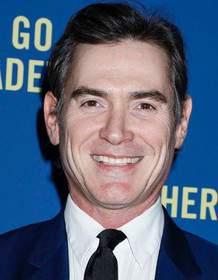
Timothy Geithner (Billy Crudup)
Played by Billy Crudup
President of the Federal Reserve Bank of New York who coordinates with bank leaders and relays critical information to Washington. He acts as a bridge between the private sector and policymakers, navigating complex risk assessments. His role emphasizes pragmatism in crisis management.
- 🏦 Central bank
- 🧭 Coordination
- 👥 Leadership
-
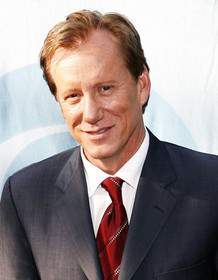
Dick Fuld (James Woods)
Played by James Woods
Lehman Brothers’ CEO whose insistence on asset considerations contributes to the firm’s downfall. He embodies the high-risk culture and aggressive expansion that characterize the crisis. His decisions highlight the fragility of even the largest financial institutions.
- 💼 Banker
- 🧠 Strategy
- ⚖️ Risk
-
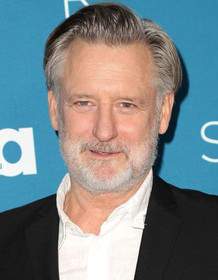
Jamie Dimon (Bill Pullman)
Played by Bill Pullman
CEO of JPMorgan Chase who is part of the leadership deliberations and cautions against reckless exposure. He brings a pragmatic viewpoint to the rescue talks and reflects the competing interests among major banks. His stance helps shape the coalition of private sector support.
- 💼 Banking
- 🧭 Strategy
- 🤝 Collaboration
- CL
Christine Lagarde (Laila Robins)
Played by Laila Robins
French Finance Minister who warns that the crisis extends beyond the U.S. and has European repercussions. She underscores international concern and the need for coordinated action to prevent global fallout. Her presence highlights the global dimension of financial instability.
- 🌍 International
- 🧭 Policy
- 🛡️ Europe
- LB
Lloyd Blankfein (Evan Handler)
Played by Evan Handler
CEO of Goldman Sachs who participates in the crisis leadership circle, representing major market players. He embodies the pressures facing investment banks during the rescue discussions. His perspective emphasizes systemic implications for the market’s confidence.
- 💼 Investment Banking
- 🧭 Leadership
- 🧩 Systemic
- VP
Vikram Pandit (Ajay Mehta)
Played by Ajay Mehta
CEO of Citigroup who is present at the discussions about bank support and capital needs. He represents the urgency of stabilizing one of the largest credit institutions. His involvement reflects the broader scramble to shore up the financial system.
- 💼 Banking
- 🧭 Crisis response
- 🏛️ Regulation
-

John Thain (Matthew Modine)
Played by Matthew Modine
CEO of Merrill Lynch who features in the landscape of mergers and acquisitions during the crisis. His presence illustrates the consolidation moves and the shifting alliances among major firms. His actions contribute to the evolving rescue dynamics.
- 💼 Finance
- 🧭 Mergers
- 🔄 Consolidation
- RP
Ruth Porat (Jennifer Van Dyck)
Played by Jennifer Van Dyck
CFO involved in high-level discussions about bank balance sheets and risk management. She represents the governance side of crisis response and the emphasis on financial health and transparency. Her role signals the importance of financial stewardship during turbulent times.
- 📊 Finance
- 🧭 Governance
- 🔬 Risk
Where and When Is Too Big to Fail Set?
Too Big to Fail is set in New York City, Washington and D.C. (2008–2009). Here is why the time and place matter to the story.
When
2008–2009
Set during the height of the Great Recession, the film traces the 2008 mortgage meltdown and the ensuing push to stabilize credit. It covers Bear Stearns’ collapse, Lehman Brothers’ bankruptcy, and the early implementation of TARP. The period is defined by frantic negotiations, emergency measures, and the fear of a broader economic collapse.
Where
New York City, Washington, D.C.
The story unfolds across the United States’ financial heartlands, centered on Wall Street in New York and the policy corridors in Washington. It portrays the interplay between private banks, regulators, and the political climate during a systemic crisis. The locations symbolize the convergence of markets, policy, and public accountability.
- 🏙️ Financial hubs
- 🏛️ Government centers
- 💼 Banking
What Are the Themes of Too Big to Fail?
3 ideas the story keeps returning to, among them Crisis Management, Bailouts & Moral Hazard and Systemic Risk.
-
01
Crisis Management
The film centers on rapid decision making under pressure, where Paulson and Bernanke coordinate actions with the nation’s biggest banks. It highlights the delicate balance between preventing a financial meltdown and avoiding political or market backlash. Leadership is tested as executives and policymakers navigate incomplete information and high stakes.
-
02
Bailouts & Moral Hazard
TARP and capital injections are depicted as tools to restore liquidity, even as they raise questions about moral hazard and long-term consequences. The narrative weighs the immediate need to stabilize credit against the risk that future incentives encourage risky behavior. Public accountability and political calculations complicate the rescue efforts.
-
03
Systemic Risk
Lehman’s collapse exposes how interconnected financial institutions are and how the failure of one firm can ripple through the entire system. Government actions aim to curb panic and restore confidence, but the crisis reveals gaps in oversight and coordination. The tension between market forces and regulatory intervention is a constant undercurrent.
What Kind of Film Is Too Big to Fail?
Tense in tone, with fast pacing and a complex story, going by the plot summary.
- Tone
- Tense
- Pacing
- Fast
- Story
- Complex
- Intensity
- High
- Ending
- Bittersweet
A tense and sobering procedural drama that follows the high-stakes, rapid-fire decision-making during the 2008 financial crisis, conveying a constant sense of urgency and the heavy weight of systemic collapse.
- urgent
- anxious
- sober
- high-stakes
- tense
- contemplative
- financial crisis
- political power
- systemic risk
- moral hazard
Content notes: economic hardship.
Quiz
How well do you remember Too Big to Fail? Test yourself on the story.
