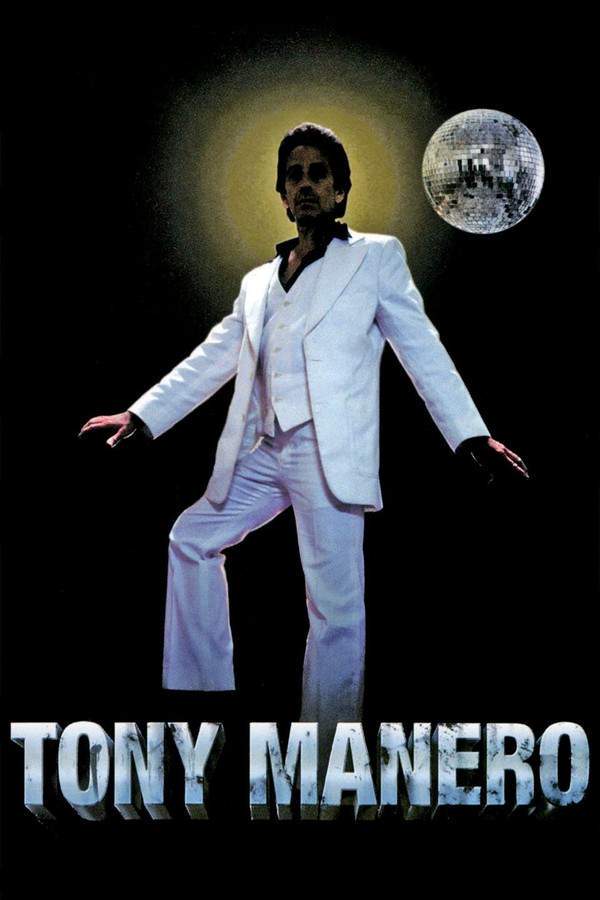
Tony Manero 2009


Directed by

Pablo Larraín
Made by

Lorber Films
Where to Watch Tony Manero
See current US streaming, rental, and purchase options for Tony Manero (2009) via JustWatch.


Streaming availability powered by 
Tony Manero Plot Summary
Read the complete plot summary and ending explained for Tony Manero (2009). From turning points to emotional moments, uncover what really happened and why it matters.
Set in Santiago, Chile, during the brutal years of Augusto Pinochet’s dictatorship, this film follows Raúl Peralta, a man in his fifties whose life is consumed by an all-encompassing obsession with Tony Manero—the iconic character from Saturday Night Fever. Soft-spoken and precise, he devotes himself to mimicking Manero’s swagger and the intricate dance moves that defined a generation of disco culture, translating longing into motion and ritual.
Peralta lives in a run-down boarding house that houses a small stage used for rehearsals, a cramped space where he tirelessly re-enacts the film’s signature choreography. The tiny stage becomes both sanctuary and stage for his fantasies, a place where aspiration and reality repeatedly collide as he shapes his body to imitate an idol who exists beyond his reach.
The narrative begins with Peralta attempting to participate in a televised contest on Festival de la Una, a program that seeks the live double of a celebrity each week. This time the target is Tony Manero’s persona, and Peralta’s bid to win unfolds as a testament to his unwavering devotion. His pursuit is revealed through a bifocal lens—one eye on his own questionable ethics and choices, the other on the stark, often unforgiving world that surrounds him.
The film foregrounds a mood of decadence, violence, and darkness, painting a society where the glamour of pop culture collides with oppression. The atmosphere underscores the paradox at the heart of Peralta’s quest: a desperate need to belong to a larger-than-life image while living inside a reality that constantly tests the limits of his dreams. Through quiet, observational storytelling, the movie traces how an all-consuming fixation can distort identity and push a person toward dangerous compromises.
As the story unfolds, the audience witnesses a man whose primary concern is the fidelity of his imitation—a devotion rendered with meticulous detail, almost ritualistic in its execution. The interplay between fantasy and survival invites reflection on how admiration can morph into an unyielding obsession, shaping interactions, moral choices, and the very sense of self in a society shaped by authoritarian control and social strain. The result is a measured, contemplative portrait of longing and the cost of living inside someone else’s image, rendered with careful nuance rather than sensationalism.
Tony Manero Timeline
Follow the complete movie timeline of Tony Manero (2009) with every major event in chronological order. Great for understanding complex plots and story progression.
Obsessed with Tony Manero
Raúl Peralta, a man in his fifties, becomes obsessed with emulating Tony Manero from Saturday Night Fever. He studies every gesture, stride, and flourish as if his own life depended on it. The fixation colors his days in a damp, shadowy Santiago setting.
Life in a run-down boarding house
Peralta lives in a cramped, neglected boarding house where a small stage becomes his sanctuary. He uses the stage to rehearse dance routines, inching closer to his idol with every step. His restrained manner reflects the harsher social environment surrounding him.
Festival de la Una announces a Tony Manero double
The popular TV program Festival de la Una announces a weekly contest to find a celebrity double, and this time the focus is Tony Manero. Peralta sees a clear avenue to prove his devotion and gain public recognition. The contest becomes the focal point of his ambitions.
Peralta plans to enter the contest
He formulates a meticulous plan to participate, studying Manero's mannerisms and performance style. His preparation is relentless and sometimes morally dubious in its pursuit of perfection. The boarding house stage becomes his testing ground for the act.
Intense dance rehearsals
Peralta rehearses intricate dance routines, including the iconic moves from the American film. The practice reveals both his stamina and the limits of his obsession. The stage space bears witness to the collision of fantasy and grim reality.
The social and political backdrop
The film foregrounds Santiago under Augusto Pinochet's dictatorship, highlighting decadence, violence, and darkness. This backdrop shapes Peralta's choices and often pushes him toward morally gray actions. The era's strain echoes through the characters' lives.
Bifocal storytelling at the core
The narrative uses a bifocal lens to juxtapose Peralta's scruples (or lack thereof) with the brutal reality around him. Viewers are invited to see how his devotion to Manero clashes with the harsh world he inhabits. This tension fuels the film's emotional and ethical questions.
Isolation amid obsession
As his fixation deepens, Peralta becomes increasingly isolated from neighbors and potential connections. His behavior serves as a stark contrast to the glamour of his idol's persona. The surrounding environment amplifies his alienation.
Entering the contest stage
Peralta finally steps onto the televised stage to perform his Tony Manero imitation. The moment heightens the clash between his longing for glory and the moral compromises he makes. Audience and program dynamics heighten the stakes of his obsession.
Consequences of pursuit
The pursuit of perfection begins to erode Peralta's humanity, revealing a darker side beneath his charismatic impersonation. The narrative warns against the costs of ambition in a repressive society. His image collides with the surrounding reality in jarring ways.
Ambiguous, morally complex ending
The film's ending remains morally ambiguous, leaving the outcome of Peralta's quest unresolved. The bifocal framing lingers, inviting reflection on what is gained or lost. The decadence and violence of the era loom as a counterpoint to his dream.
Overall arc: a lens on an era
Across the story, Peralta's devotion to Tony Manero serves as a lens on a city and era marked by inequality and repression. The juxtaposition of pop-culture glamour and brutal reality critiques both personal longing and societal structure. The timeline traces how a single fixation illuminates a broader social critique.
Tony Manero Characters
Explore all characters from Tony Manero (2009). Get detailed profiles with their roles, arcs, and key relationships explained.
Raúl Peralta
A man in his fifties with a simple way of speaking, Raúl is consumed by an almost religious fixation on the pop idol Tony Manero. His obsession drives him to mirror the mannerisms and dance of the icon, blurring lines between aspiration and moral compromise. Living in a run-down boarding house with a small stage used for rehearsing dance routines, he pursues the main choreography from the American movie and attempts to win a spot on the television program Festival de la Una.
Tony Manero
The glamorous pop-culture icon Raúl idolizes, originating from the American film Saturday Night Fever. His persona embodies the allure of disco-era charisma that Raúl seeks to inhabit. The character serves as a mirror and a weapon: inspiration that offers escape, and a standard that exposes the emptiness behind imitation.
Tony Manero Settings
Learn where and when Tony Manero (2009) takes place. Explore the film’s settings, era, and how they shape the narrative.
Time period
1980s
Chile's dictatorship under Augusto Pinochet casts a long shadow over daily life, with censorship and political repression shaping ordinary existence. The late 1970s into the 1980s were marked by strong state control, disappearances, and cultural censorship. The film uses this atmosphere to juxtapose glamour and decay, showing how an obsession with a pop idol intensifies under fear.
Location
Santiago, Chile
Set in Santiago, Chile, during Augusto Pinochet's military dictatorship, the city is depicted with a gritty, decaying undertone. The boarding house where Raúl lives has a small stage that becomes a rehearsal space for dance routines. The environment mirrors the film's themes of vanity, violence, and social decay.
Tony Manero Themes
Discover the main themes in Tony Manero (2009). Analyze the deeper meanings, emotional layers, and social commentary behind the film.
🎭
Obsession
The film centers on Raúl's fixation with Tony Manero, turning personal admiration into all-consuming compulsion. It explores how imitation distorts reality, erodes ethics, and widens the gap between inner desires and outward appearance. The idol becomes both a compass and a trap, guiding actions while blinding judgment.
🏚️
Decay
Raúl's world is built around a run-down boarding house and a small stage, anchoring his dreams in a bleak urban landscape. The setting reflects economic hardship, casual violence, and cultural stagnation that press in on everyday life. Glamour and longing exist in tension with poverty and danger.
⚖️
Oppression
The dictatorship's repression and censorship shape what can be seen and said, influencing Raúl's choices and moral boundaries. The televised contest represents a spectacle of control that rewards imitation over authenticity. Through Raúl's actions, the film questions how power enforces conformity and stifles individuality.

Coming soon on iOS and Android
The Plot Explained Mobile App
From blockbusters to hidden gems — dive into movie stories anytime, anywhere. Save your favorites, discover plots faster, and never miss a twist again.
Sign up to be the first to know when we launch. Your email stays private — always.
Explore the mobile appTony Manero Spoiler-Free Summary
Discover the spoiler-free summary of Tony Manero (2009). Get a concise overview without any spoilers.
In the midst of Santiago’s shadowed streets, the city throbs under the weight of a regime that leaves little room for frivolity. The world of the film is painted with the dim glow of neon signs and the lingering smell of cheap booze, where the everyday is tinged with a gritty decadence that feels both oppressive and oddly intoxicating. A pervasive sense of unease hangs in the air, as political turmoil seeps into the lives of those who simply want to survive, let alone dream.
In this landscape, Raúl Peralta clings to an unlikely source of solace: the disco‑infused mythology of John Travolta’s Tony Manero. A man in his fifties with a modest speech pattern, he rehearses the iconic dance moves in a cramped boarding‑house hall that doubles as his shrine, perfecting every swivel and strut as if they could rewrite his reality. His reverence for the character is less about nostalgia and more about a desperate quest for identity amid the sameness of his surroundings.
A popular television program, Festival de la Una, announces a contest to find the perfect double of Tony Manero, and the challenge becomes the axis around which Raúl’s world begins to pivot. The promise of stepping onto the screen, of embodying a larger‑than‑life persona, fuels a fierce determination that pushes him to rehearse obsessively, to study every nuance, and to measure himself against an impossible standard. The boarding house, his modest friends, and the dimly lit stage become both refuge and crucible for his ambition.
As his pursuit deepens, the film balances a sleek, almost feverish visual style with a lingering melancholy, reflecting the clash between a yearning for glamour and the stark, unyielding backdrop of 1970s Chile. The tone remains taut, inviting the audience to feel the pull of an obsession that is as alluring as it is unsettling, while never stepping beyond the promise of what might happen when one’s desire to become someone else threatens to eclipse the self.
Movies with Similar Twists and Themes
Uncover films that echo the narrative beats, emotional arcs, or dramatic twists of the one you're exploring. These recommendations are handpicked based on story depth, thematic resonance, and spoiler-worthy moments — perfect for fans who crave more of the same intrigue.
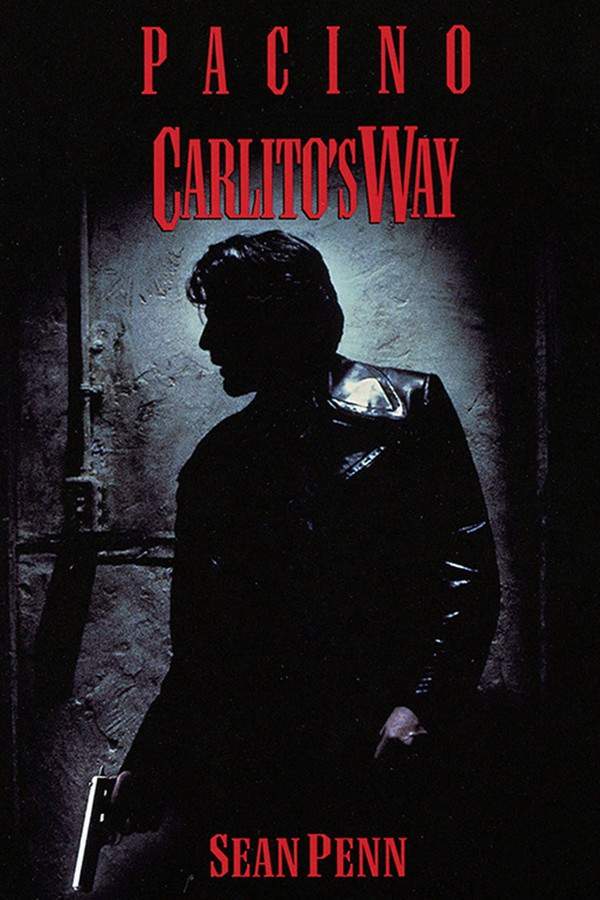
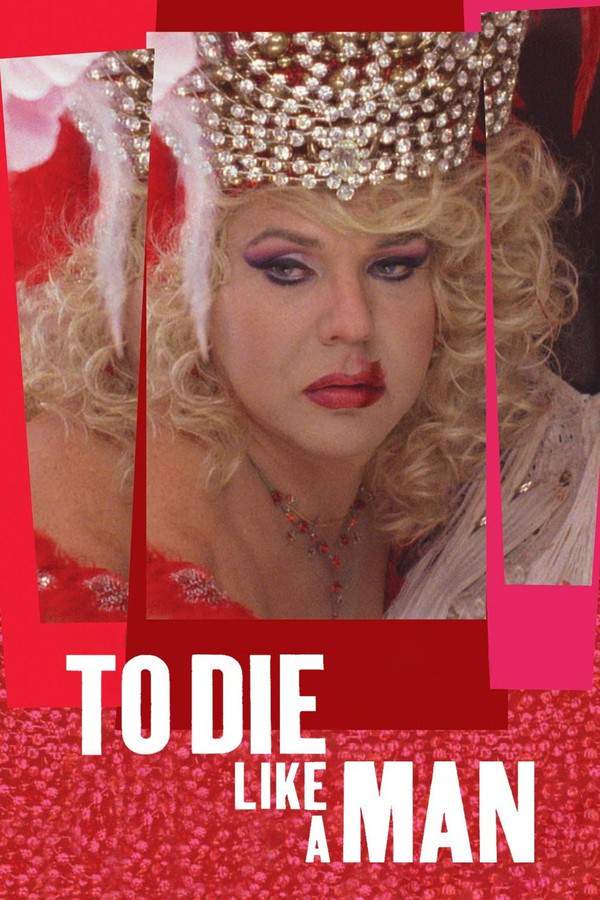
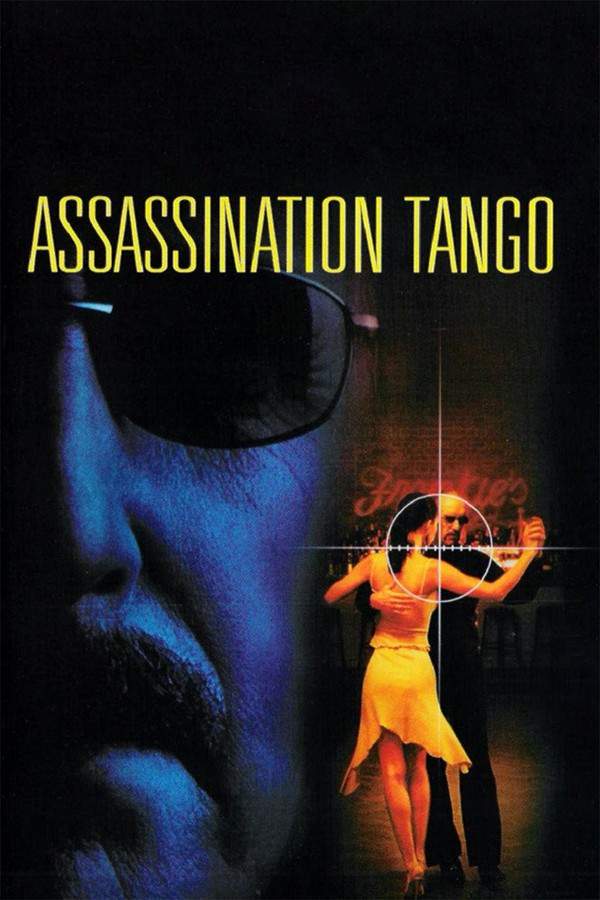


Featured on this page

What's After the Movie?
Not sure whether to stay after the credits? Find out!
Check out our other apps:

SAT Sphere
Build confidence for the Digital SAT.

Mori Atlas
Discover wild places worth protecting.

Luntero
Search smarter for a home in Amsterdam.

Plot Explained
Unravel movie endings and hidden clues.

Pokechamp
Dive into Pokémon data and battle logic.

Driving Theory
Get ready for your European theory test.

Movie Dust
Plan your next cinema trip with ease.

Musemap
Find art and culture as you travel.

Selkobase
Compare credentials before committing.

Local Manual
Turn an unfamiliar country into practical next steps.

Lernavi
Compare school systems before your next move.

GymRoam
Find a workout stop wherever your plans take you.
Explore Our Movie Platform
New Movie Releases (2026)
Famous Movie Actors
Top Film Production Studios
Movie Plot Summaries & Endings
Major Movie Awards & Winners
Best Concert Films & Music Documentaries
Movie Collections and Curated Lists
© 2026 What's After the Movie. All rights reserved.
Privacy Policy