


Tokyo Chorus Plot Summary
Read the complete plot summary and ending explained for Tokyo Chorus (1931). From turning points to emotional moments, uncover what really happened and why it matters.
The film opens with a group of young men under the watchful eye of Omura Sensei Tatsuo Saitō as they drill and test boundaries. Among them is Shinji Okajima Tokihiko Okada, a clever yet mischievous student who keeps pushing the line. His antics spark a blend of humor and friction, and after a moment of discipline, the drills resume and the class eventually graduates, stepping out into a world that feels both familiar and unforgiving.
Adulthood finds Okajima stepping into the routine of work as an insurance salesman, a path that soon reveals the precariousness of the new economy. The office world is a tight, pressure-filled space where margins are thin and security is illusory. A key co-worker, Rou-Shain Yamada Takeshi Sakamoto, is laid off after the grim streak of misfortune—two clients die soon after signing their policies. Okajima’s instinct to stand up for his colleagues triggers a bold attempt to protest at the boss’s office, a maneuver that stirs tension and exposes the fragility of workplace solidarity. In the chorus of voices, one worker Isamu Yamaguchi challenges Okajima to go through with the protest himself, a moment that tests Okajima’s pride, resolve, and sense of responsibility.
When the protest ends in a bitter lesson, Okajima is fired. He leaves the office with a bow that feels both a gesture of resignation and a quiet vow to protect his family. Back home, he brings a scooter as a small consolation prize for his son, a gesture that briefly lights up the home but soon collides with reality: his son Miyoko Hideo Sugawara wants a bicycle, not a scooter, and disappointment shadows the room. Sugako, Okajima’s wife Tsuma Sugako Emiko Yagumo, returns from the market and wrestles with the tension between the need to stay afloat and the desire to preserve dignity for their child. She offers steady, practical counsel—encouraging honesty with their boy and teaching him to cope with setbacks—even as the family scrambles to make ends meet.
The family’s finances are strained so tightly that a kimono, a symbol of their modest middle-class life, must be sold when a medical emergency arises. Miyoko’s illness—a pediatric scare dressed in the language of childhood diarrhea—forces them to borrow courage and money to keep their daughter or son alive and cared for. Okajima insists they will find a way to pay the hospital bill, even suggesting something as humble as summoning a rickshaw to speed them to care. The hospital visit, though brief in relief, underscores the costs of care and the lengths a family will go to for one another. The emotional stakes rise as the family confronts the cold realities of debt and sacrifice in a society where even small health scares can become major upheavals.
A turning point comes when Okajima crosses paths with Omura again, this time outside the classroom and inside a bustling cafe that Omura now runs—The Calorie Café, where curry rice becomes both sustenance and symbol. Omura, a former teacher who shifted into the world of food and business, offers Okajima a temporary job as a banner holder and flyer distribution man. It’s a humbling position, one that sits at the crossroads of pride and necessity, but Okajima accepts for the sake of his family. Sugako, though anxious about the idea of her husband doing work she views as degrading, chooses to stand by him and even accompanies him to the café, where the old classroom camaraderie seems to reappear in a new form of solidarity.
One quiet evening, Sugako, Tsuma, and Omura’s wife Chōko Iida Chōko Iida join Omura and his colleagues in cooking large plates of curry, sharing stories, and weaving a new community around a shared, simple meal. The atmosphere of warmth and mutual support contrasts with the earlier chaos of layoffs and hospital bills, and the small, almost ritual dinner feels like a classroom of its own—a place where lessons about resilience and teamwork emerge in the glaze of curry and conversation. A letter arrives from the Ministry of Education, bringing news that would alter the family’s future: an opportunity for Okajima to teach English in a small rural town at a girls’ school. The news lands with a mix of relief and ambition, a chance to rebuild not only their finances but also a sense of purpose after the many snags of civilian life.
Back at the dining room, the family weighs the decision with humility and hope. The revelation transforms the mood from survival to possibility, and the final student who arrives late becomes a symbolic chorus in their decision to move forward. The scene closes with a celebratory mood—the family, friends, and former students come together in song and gratitude, a testament to endurance and the quiet power of community.
The film’s quiet, patient storytelling honors the everyday drama of ordinary people navigating economic upheaval. It juxtaposes the dignity found in honest labor with the sting of layoffs, blending humor and melancholy to reveal how small acts—an encouraging word, a shared meal, a return to learning—can illuminate a path forward. The performances—centered on Okajima’s earnest struggle to protect his family while preserving his self-respect, and on the warm, sometimes weary wisdom of Omura and Sugako—pull the audience into a world where resilience is forged not in grand gestures but in daily, steadfast choices. The result is a compassionate, lifelong look at work, family, and the ways communities sustain one another when the odds feel stacked against them.
Tokyo Chorus Timeline
Follow the complete movie timeline of Tokyo Chorus (1931) with every major event in chronological order. Great for understanding complex plots and story progression.
School drills with Mr. Omura
A group of young men attend school drills under the supervision of Mr. Omura. Shinji Okajima misbehaves and upsets his teacher, earning a sharp reprimand. After the disruption, the drills resume and the routine continues as planned.
Graduation and entering the workforce
The students graduate and move into the working world. Okajima eventually becomes an insurance salesman and starts a family, marking his rise from student life to adult responsibilities. The transition signals a new chapter in their lives.
Bonus day and a wish for a bicycle
On the day of their annual bonuses, the men feel anxious about their finances and the future. Okajima's young son dreams of owning a bicycle, not just toys. The money concerns begin to shape family dynamics.
Okajima drafts a gift list
After receiving his bonus, Okajima writes a list of presents for his wife and son, revealing his priorities and hopes for a better life. The list underscores the strain between financial limits and family happiness. The mood at home mixes caution with tenderness.
Layoff of Rou-Shain Yamada
Yamada, a coworker, is laid off after his last two clients die soon after signing policies. The layoff underscores the precarious nature of their jobs and increases fear among the workers. Okajima begins to recognize the fragility of their livelihoods.
A planned protest and a dare
Okajima invites his coworkers to protest at least once to the boss, hoping to draw attention to their plight. The others back down, and one coworker challenges Okajima to lead the protest himself. The moment tests his resolve and leadership.
The protest escalates and ends in dismissal
Okajima accepts the challenge and confronts the boss inside the office. The confrontation turns into a comedic yet heated fight. By the end, Okajima is fired and leaves the building with a bow.
Return home with a scooter
Okajima returns home bearing a scooter for his son, hoping to bring joy. The child responds with disappointment and a tantrum, highlighting the strain of their changed fortunes. The moment deepens the family’s emotional tension.
Sugako's arrival and the family talk
Sugako comes back from the market and tries to soothe their upset child while Choujo explains what happened at work. The family begins to process the layoff and its impact on their daily life. Emotions run high as they share their versions of the day.
Discharge notice and a pivotal decision
Sugako scolds Okajima for lying to their child, and he shows the discharge notice to confront the reality of unemployment. They discuss changing their plans and accepting a more modest future. The moment marks a shift from pride to practical resilience.
A bike dream persists, a small adjustment
Despite the setback, the family still clings to the hope for a better life and seems to obtain a bike for the son, signaling a small, hopeful compromise. The scene demonstrates resilience and a willingness to adapt. The family finds a momentary balm in a tangible symbol of progress.
A temporary job at The Calorie Café
Okajima reconnects with his former teacher Omura, who now runs a café called The Calorie Café. Omura offers Okajima a temporary job holding a banner and passing out flyers, a role he accepts for his family’s sake. Sugako, though worried, decides to join him in this new venture.
A letter and a possible new career
During a gathering at the café, Omura invites his old schoolmates to a meeting. A letter from the Ministry of Education arrives, offering Okajima a job teaching English in a small rural girls’ school. The prospect brings cautious hope to the family.
Celebration and new opportunities
Okajima and Sugako decide to pursue the teaching job offer. They return to the dining room as the final student arrives late, and the group breaks into song in a moment of communal celebration. The scene closes on a hopeful note for the couple’s future.
Tokyo Chorus Characters
Explore all characters from Tokyo Chorus (1931). Get detailed profiles with their roles, arcs, and key relationships explained.
Shinji Okajima (Tokihiko Okada)
A bright but wayward student turned insurance salesman who carries the heavier burden of supporting his wife and child after losing his job. He remains hopeful, respects his family, and learns to navigate economic hardship with dignity.
Rou-Shain Yamada (Takeshi Sakamoto)
Okajima’s coworker who is laid off after a string of misfortunes with clients. He embodies the precariousness of blue-collar workers and becomes a catalyst for the group to rally, highlighting camaraderie in the face of instability.
Omura Sensei (Tatsuo Saitō)
A former teacher who now runs The Calorie Café, providing a space where former students and colleagues connect. He acts as a bridge between past schooling and present struggles, offering practical help and optimism.
Sugako Tsuma (Emiko Yagumo)
Okajima’s wife who bears the strain of their financial crisis with quiet strength. She navigates the tension between pride and practicality, supporting her husband’s decisions for the family’s welfare.
Sono Choujo (Hideko Takamine)
A key family figure, offering emotional support and pragmatic counsel. She stands with Okajima through the ups and downs, reinforcing the importance of resilience and unity.
Shachou (Reikō Tani)
The boss who triggers Okajima’s firing and exposes the tension between corporate power and employee security. He represents the hard realities of the workplace hierarchy.
Kaisha no Douryou (Isamu Yamaguchi)
A coworker who challenges Okajima to protest and who embodies the daily grind of factory life. His actions reflect the social pressure and camaraderie among workers.
Sensei no tusma (Chōko Iida)
A figure connected to the educational roots of the characters, offering guidance and maintaining a sense of community amid changing times.
Tokyo Chorus Settings
Learn where and when Tokyo Chorus (1931) takes place. Explore the film’s settings, era, and how they shape the narrative.
Location
Tokyo, The Calorie Café, rural town, Okajima's home
The story moves through urban Tokyo as the primary workplace setting and into intimate home scenes. The Calorie Café, a curry-focused restaurant run by Omura, serves as a social hub where former students and colleagues intersect. The rural town represents a new horizon where Okajima is offered a chance to teach, while home life anchors the family’s ongoing struggle and resilience.
Tokyo Chorus Themes
Discover the main themes in Tokyo Chorus (1931). Analyze the deeper meanings, emotional layers, and social commentary behind the film.
💼
Economic Struggle
The film centers on precarious employment and the anxiety of living on limited wages after layoffs. Characters juggle bills, hospital costs, and the dream of a secure future. It shows how economic pressures ripple through family life and social circles.
🤝
Dignity & Work
Okajima accepts lower-status jobs and endures a fall in social standing to support his family. The café owner’s guidance and coworkers’ support highlight the value of labor and solidarity, beyond status or title. The final teaching job offers a path to stability without compromising integrity.
🏠
Family Responsibility
The family makes sacrifices: selling a kimono, paying medical bills, and supporting a child’s needs. They rally around each other, balancing pride with practical needs. The film frames family as the core through which hardships are confronted.

Coming soon on iOS and Android
The Plot Explained Mobile App
From blockbusters to hidden gems — dive into movie stories anytime, anywhere. Save your favorites, discover plots faster, and never miss a twist again.
Sign up to be the first to know when we launch. Your email stays private — always.
Explore the mobile appTokyo Chorus Spoiler-Free Summary
Discover the spoiler-free summary of Tokyo Chorus (1931). Get a concise overview without any spoilers.
In Depression‑era Tokyo, a city whose streets echo with the quiet desperation of a nation on the brink, daily life is a careful balance between dignity and necessity. The film paints the metropolis with a muted palette, letting the soft hum of markets, cramped classrooms, and modest cafés speak louder than any grand spectacle. A gentle humor flickers beneath an ever‑present melancholy, inviting the viewer to feel the weight of every unpaid bill and the warmth of every shared meal.
Shinji Okajima is a sharp‑witted yet mischievous young man whose path has led him from schoolyard drills under the watchful eye of Omura Sensei to the cramped desks of an insurance office. The camaraderie of his former classmates lingers in his memory, even as the pressures of a precarious new economy press on his shoulders. His colleagues, such as Rou‑Shain Yamada, embody the fragile solidarity of workers whose livelihoods can vanish with a single misfortune, hinting at the broader anxieties of the era.
Back home, Shinji’s family forms the emotional core of his world. His wife, Sugako, offers practical counsel that steadies their small household, while their child, Miyoko, embodies both the innocence and the unspoken expectations of a generation growing up under strained circumstances. The family’s modest comforts—an occasional scooter, a treasured kimono—serve as symbols of the balance they strive to maintain between pride and survival.
When the familiar rhythm of work is disrupted, the story turns toward the unexpected avenues that surface in a community bound by shared hardship. An old teacher now runs a bustling café, its aromatic curry rice becoming a gathering point where former students and neighbors converge. In this modest kitchen, the promise of new roles and renewed purpose gently surfaces, suggesting that in a world of scarcity, resilience often sprouts from the simple acts of togetherness and the quiet resolve to keep moving forward.
Movies with Similar Twists and Themes
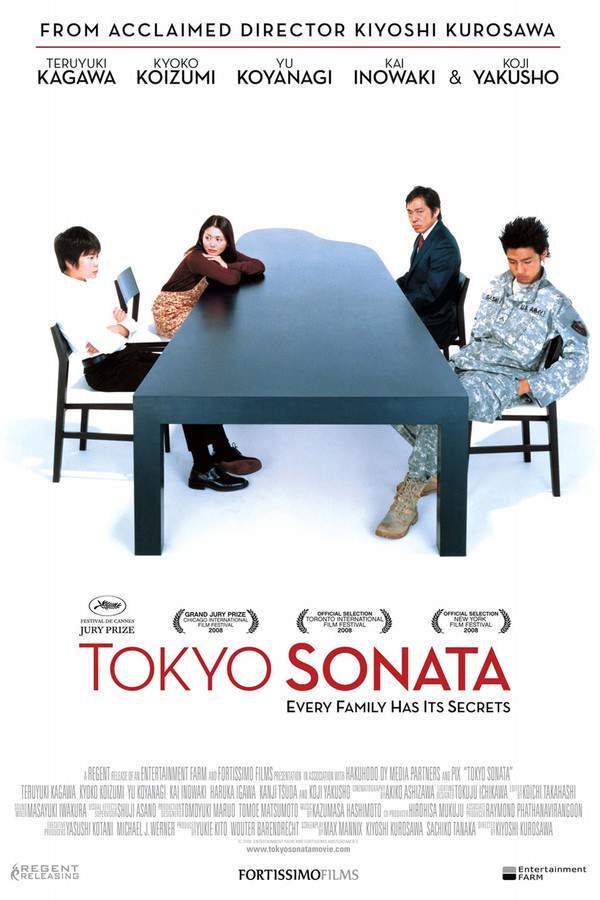
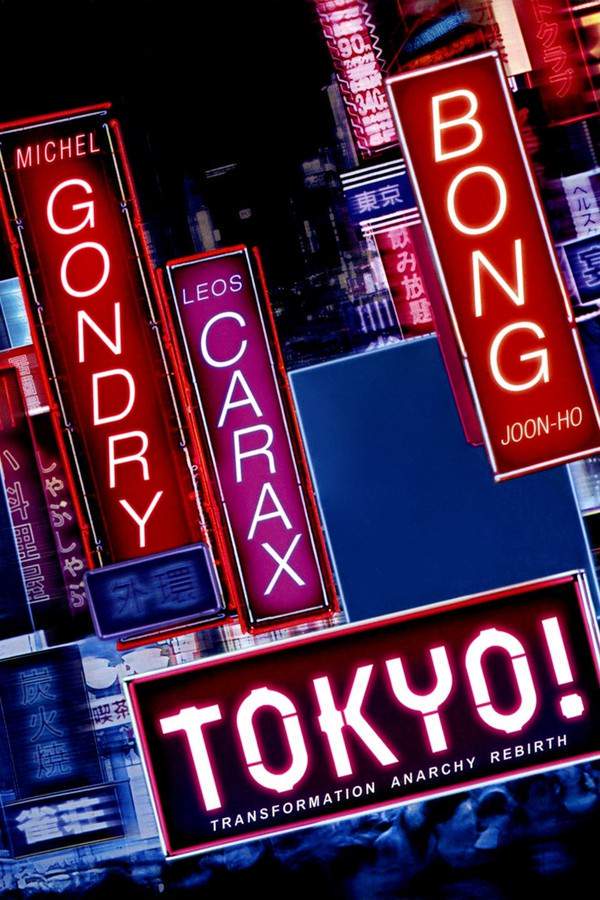
Uncover films that echo the narrative beats, emotional arcs, or dramatic twists of the one you're exploring. These recommendations are handpicked based on story depth, thematic resonance, and spoiler-worthy moments — perfect for fans who crave more of the same intrigue.




Featured on this page

What's After the Movie?
Not sure whether to stay after the credits? Find out!
Check out our other apps:

SAT Sphere
Build confidence for the Digital SAT.

Mori Atlas
Discover wild places worth protecting.

Luntero
Search smarter for a home in Amsterdam.

Plot Explained
Unravel movie endings and hidden clues.

Pokechamp
Dive into Pokémon data and battle logic.

Driving Theory
Get ready for your European theory test.

Movie Dust
Plan your next cinema trip with ease.

Musemap
Find art and culture as you travel.

Selkobase
Compare credentials before committing.

Local Manual
Turn an unfamiliar country into practical next steps.

Lernavi
Compare school systems before your next move.

GymRoam
Find a workout stop wherever your plans take you.
Explore Our Movie Platform
New Movie Releases (2026)
Famous Movie Actors
Top Film Production Studios
Movie Plot Summaries & Endings
Major Movie Awards & Winners
Best Concert Films & Music Documentaries
Movie Collections and Curated Lists
© 2026 What's After the Movie. All rights reserved.
Privacy Policy