


To an Unknown God Plot Summary
Read the complete plot summary and ending explained for To an Unknown God (1977). From turning points to emotional moments, uncover what really happened and why it matters.
José, a middle-aged magician, leads an elegant, discreet life and keeps an occasional affair with Miguel, a young politician who finds it more convenient in Madrid’s high society to marry than to admit his homosexuality. José is a man whose thoughts are deeply rooted in his childhood in Granada during the outbreak of the Spanish Civil War in the spring of 1936.
Now in his fifties, José returns to Granada to relive that past, back to the time when he fell in love with Federico García Lorca and carried on a youthful affair with one of Lorca’s lovers. Memories surge—of earlier sexual conquests, Lorca’s murder at the hands of Francisco Franco’s agents, and his own early homosexual experiences. The film makes clear that José’s life has been colored by his obsession with García Lorca, a kind of personal god to whom the film is dedicated.
José makes two trips to Granada. In the first, he seeks out a woman equally obsessed with Lorca’s memory and steals a photograph of the boy who accompanied his first sexual encounter; in the second, he returns to Madrid for a party in search of his youth, and there he meets a pianist with whom he had sexual relations many years earlier, though the pianist no longer recalls him.
Back in Madrid, José wrestles with a past that refuses to stay buried and searches for some measure of peace. While listening to a taped recording of Lorca’s Ode to Walt Whitman, he longs to face the rest of his life in solitude, even as his former lover Miguel returns to his bed and wishes to continue their affair.
Ultimately, José confronts his loneliness and comes to terms with his world, realizing that he is truly alone in their world, alone with his God.
To an Unknown God Timeline
Follow the complete movie timeline of To an Unknown God (1977) with every major event in chronological order. Great for understanding complex plots and story progression.
Madrid life and Miguel affair
José, a middle-aged magician, lives discreetly in Madrid and carries an ongoing affair with the younger politician Miguel. Their meetings are quiet, but José's thoughts are haunted by memories and longing. He presents himself as elegant and composed, while deep down he fears losing himself in the past.
Return to Granada and recall of childhood in 1936
Now in his fifties, José travels back to Granada and replays his childhood against the backdrop of the spring 1936 outbreak. The city and its people become a stage for his recollections of fear, love, and a youth shaped by war. The memory asserts itself with overwhelming clarity, pulling him away from his present life.
Love for Lorca and youthful affair
In his memories, José falls in love with Federico García Lorca and has a youthful affair with one of Lorca's lovers. The romance is set amid Granada's artistic energy and the looming violence of the Civil War. This early passion seeds a lifelong obsession that will color all later experiences.
Lorca's murder and the Civil War's shadow
The memory includes Lorca's murder by Franco's agents, a trauma that marks the city and José's psyche. His tenderness gives way to horror as the war consumes the world he cherished. The event deepens his fixation on Lorca and on the fragility of art under repression.
Granada visit to the obsessed woman and theft of the photo
José revisits a Granada woman who is also obsessed with Lorca's memory, seeking remnants of the past. He steals a photograph of the boy from his first sexual encounter, a tangible relic that ties memory to identity. The act highlights how memory drives his present actions.
Madrid party and reunion with a pianist
Returning to Madrid, José attends a party that feels like a search for youth and belonging. There he encounters a pianist with whom he had sexual relations years earlier, though the man can no longer remember him. The encounter underscores the fragility of memory and the gap between past desire and present reality.
Pianist's memory fades; José feels erased
At the party, the pianist does not remember José from years ago, revealing how memory and recognition fade with time. This lapse deepens José's sense of erasure and loneliness. The mismatch between remembered intensity and current absence intensifies his inner isolation.
Torment of the past in Madrid
Back in Madrid, José is tormented by his past and seeks a semblance of peace. He moves through the city as a haunted figure, unable to fully engage with the present. His life becomes defined by the weight of memory rather than the promise of new experiences.
Ode to Walt Whitman and the urge for solitude
He listens to a taped recording of Lorca's Ode to Walt Whitman, a moment that crystallizes his longing for transcendence and solitude. The work intensifies his yearning to live apart from conventional happiness and social ties. He contemplates a life spent in quiet devotion to an unreachable ideal.
Miguel returns and the longing for continuity vs loneliness
Miguel returns to José's bed and hopes to continue their affair, offering the possibility of romance and companionship. José, however, seems drawn toward solitude and toward the memory-laden path he has chosen. The tension between human connection and existential loneliness defines their dynamic.
Realization of being alone with his unknown God
José realizes that he is truly alone in his world, confronted with an unknown God to whom the film is dedicated. The realization closes the loop of his lifelong obsession with García Lorca and sets the tone for a solitary, self-directed life. Peace appears as a distant horizon, suffused with memory rather than future intimacy.
Life defined by Lorca obsession
The film frames José's entire life as colored by his devotion to García Lorca, an unknown God who guides his art and sexuality. This reverence shapes every relationship and memory, leaving him isolated but faithful to the ideal. In the end, he remains bonded to memory, seeking solace in solitude.
To an Unknown God Characters
Explore all characters from To an Unknown God (1977). Get detailed profiles with their roles, arcs, and key relationships explained.
José (Héctor Alterio)
José is a middle-aged magician who lives a discreet, elegant life and keeps his sexuality private. Now in his fifties, he is haunted by a childhood in Granada during the outbreak of the Spanish Civil War in 1936. The story follows his obsession with García Lorca and his early affairs as memories flood back, shaping his present loneliness and longing for peace.
Miguel (Xabier Elorriaga)
Miguel is a young politician who navigates Madrid's high society and finds it easier to marry than to admit his homosexuality. He has an ongoing affair with José, a relationship complicated by politics and social expectations. In the present, his pursuit of a continued affair contrasts with José's longing for resolution and solitude.
To an Unknown God Settings
Learn where and when To an Unknown God (1977) takes place. Explore the film’s settings, era, and how they shape the narrative.
Time period
1930s and late 20th century
The narrative shifts between the spring of 1936, when Granada experiences the outbreak of the Civil War, and the present day in Madrid where José, now in his fifties, confronts his memories and loneliness.
Location
Granada, Madrid
The film unfolds in two cities: Granada, the setting of José’s childhood and the Civil War era, and Madrid, the contemporary backdrop where he pursues a complicated life in high society. Granada is tied to Lorca's memory and the war’s trauma, while Madrid represents the present day where memories surface at social gatherings and personal encounters.
To an Unknown God Themes
Discover the main themes in To an Unknown God (1977). Analyze the deeper meanings, emotional layers, and social commentary behind the film.
🕯️
Memory
Memory shapes José's identity and choices, as his youth in Granada and his feelings for Lorca echo through his adult life. The film stitches past pleasures and traumas into present desires, showing how recollections drive obsession and self-definition. The idea of an unknown God ties memory to a personal religion that guides his actions, often at the cost of peace. The mix of romance, betrayal, and historical violence creates a prism through which the character evaluates love and belonging.
💔
Love and Loneliness
Love is complicated by social expectations and secrecy; José’s discreet relationship with Miguel suggests a private world clashing with public norms. Miguel’s attempt to marry into Madrid's high society highlights the pressure to conform, while his old flame with José underscores a hunger that cannot be fully satisfied. The evolving relationship becomes a measure of loneliness and the search for authenticity. The film uses intimate moments to reveal how desire clashes with memory and fear of judgment.
🏛️
History and Violence
Historical violence frames the personal history: Lorca's murder and Franco-era repression haunt José's memories and shape his worldview. The film juxtaposes public history with private longing, suggesting that political turmoil leaves lasting scars on intimate lives. The unknown God theme extends to the cultural memory that still reverberates in Granada and Madrid. The narrative implies that forgiveness or peace comes only through confronting the past rather than escaping it.

Coming soon on iOS and Android
The Plot Explained Mobile App
From blockbusters to hidden gems — dive into movie stories anytime, anywhere. Save your favorites, discover plots faster, and never miss a twist again.
Sign up to be the first to know when we launch. Your email stays private — always.
Explore the mobile appTo an Unknown God Spoiler-Free Summary
Discover the spoiler-free summary of To an Unknown God (1977). Get a concise overview without any spoilers.
In the quiet elegance of a Madrid that glitters with the discreet luxury of its high‑society circles, a middle‑aged magician named José feels the pull of a past that still whispers from the stone‑cobbled streets of Granada. At fifty, he has fashioned a life of polished performances and occasional, secretive liaisons, yet an unspoken yearning drives him toward the city of his childhood, a place haunted by the echo of a tumultuous era and the lingering presence of a poet he has long revered.
José carries with him an intimate, almost reverent fascination for Federico García Lorca, whose work and memory have become a personal compass, a kind of private deity that shapes his desires and regrets. This devotion colors his reflections, casting his own history of love, loss, and artistic yearning in a sepia‑toned light that blurs the boundaries between memory and myth. The film’s tone is contemplative and lyrical, weaving together the sensuality of performance magic with the stark, lingering shadows of a war‑scarred past.
Alongside him walks Miguel, a young politician navigating the same corridors of power where appearances often outweigh authenticity. Their relationship, quiet yet charged, underscores the tension between public facades and the hidden currents of desire that run beneath them. As José embarks on his return to Granada, the city itself becomes a character—its architecture, its lingering histories, and its lingering ghosts forming a backdrop for an introspective pilgrimage.
The story unfolds as a meditation on memory, identity, and the ways we seek solace in the figures we elevate to the heavens. In the delicate balance between illusion and reality, José confronts a solitude that is both his burden and his refuge, while the lingering notes of poetry and music hover like an unseen chorus, inviting the audience to linger in the spaces between what is seen and what is felt.
Movies with Similar Twists and Themes
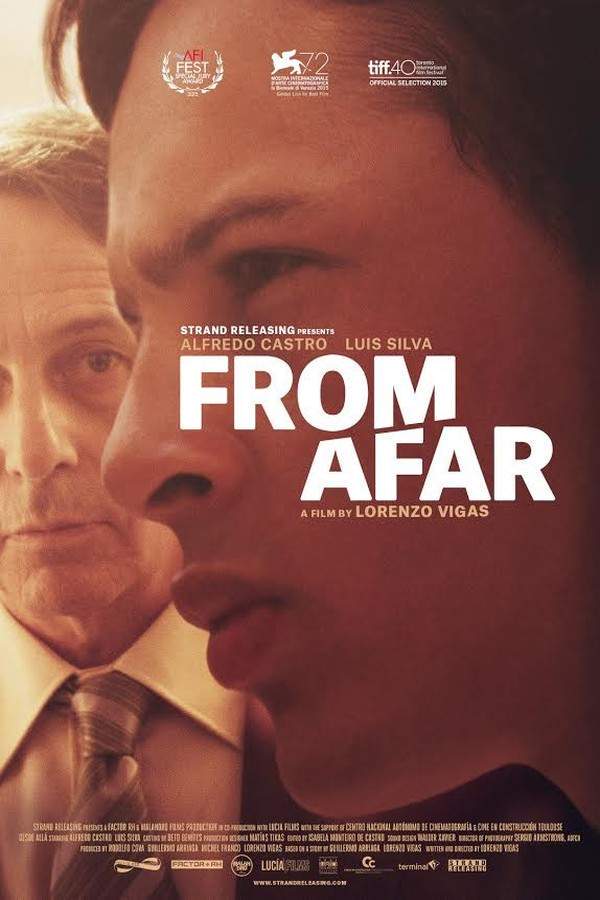
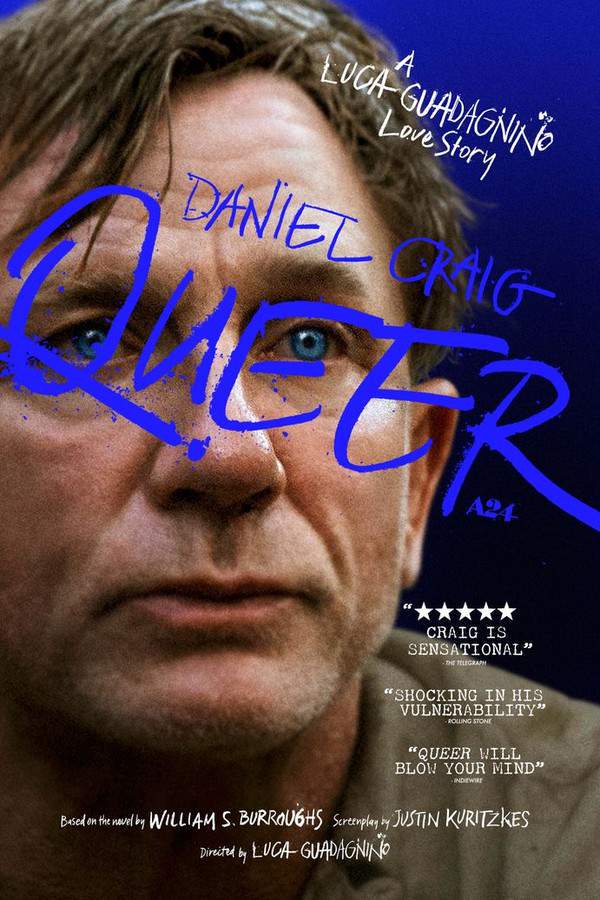
Uncover films that echo the narrative beats, emotional arcs, or dramatic twists of the one you're exploring. These recommendations are handpicked based on story depth, thematic resonance, and spoiler-worthy moments — perfect for fans who crave more of the same intrigue.

Featured on this page

What's After the Movie?
Not sure whether to stay after the credits? Find out!
Check out our other apps:

SAT Sphere
Build confidence for the Digital SAT.

Mori Atlas
Discover wild places worth protecting.

Luntero
Search smarter for a home in Amsterdam.

Plot Explained
Unravel movie endings and hidden clues.

Pokechamp
Dive into Pokémon data and battle logic.

Driving Theory
Get ready for your European theory test.

Movie Dust
Plan your next cinema trip with ease.

Musemap
Find art and culture as you travel.

Selkobase
Compare credentials before committing.

Local Manual
Turn an unfamiliar country into practical next steps.

Lernavi
Compare school systems before your next move.

GymRoam
Find a workout stop wherever your plans take you.
Explore Our Movie Platform
New Movie Releases (2026)
Famous Movie Actors
Top Film Production Studios
Movie Plot Summaries & Endings
Major Movie Awards & Winners
Best Concert Films & Music Documentaries
Movie Collections and Curated Lists
© 2026 What's After the Movie. All rights reserved.
Privacy Policy