
Times Square 1980

Directed by
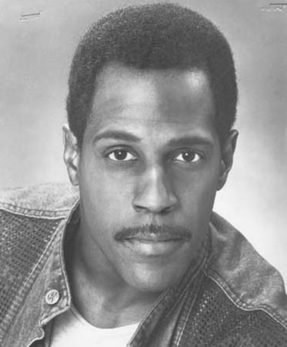
Steve James
Made by

Robert Stigwood Organization
Times Square Plot Summary
Read the complete plot summary and ending explained for Times Square (1980). From turning points to emotional moments, uncover what really happened and why it matters.
Two teenage girls, Nicky Marotta Robin Johnson and Pamela Pearl Trini Alvarado, meet in the New York Neurological Hospital, each there for a mental health evaluation. Pamela is deeply depressed and insecure, feeling neglected and exploited by her father, David Pearl Peter Coffield, a wealthy commissioner campaigning to “clean up” Times Square. Nicky, by contrast, is blunt and street-smart, with dreams of making music, and she’s in the hospital after a brush with the police. The two women share a room, and a fast friendship grows: Nicky admires Pamela’s lyrical spirit, while Pamela appreciates Nicky’s unflinching honesty and resents the way doctors talk down to her.
When Pamela is released, she returns to the hospital ostensibly for a social-work appointment with Rosie Washington Anna Maria Horsford, but her real plan is to break Pamela out. The two escape together, stealing an ambulance, and vanish into the shadowy alleys before hiding out in an abandoned warehouse on the Chelsea Piers. From that shelter, they forge a pact to call for help by shouting each other’s names whenever trouble arises, turning their dire situation into a shared vow of loyalty and rebellion.
A city-wide manhunt unfolds as David Pearl denies responsibility and accuses Nicky of kidnapping his daughter, insisting Pamela needs medical attention. In the midst of the pursuit, a local radio voice comes into play: Johnny LaGuardia Tim Curry, a veteran DJ broadcasting from a penthouse studio above Times Square. He grows convinced that Pamela’s disappearance mirrors the distress he’s picked up in the public’s mood, and he uses his platform, WJAD, to reach out to the girls. This unlikely alliance helps them reframe their struggle as a message to a larger audience and gives them a chance to channel their feelings into music.
With LaGuardia’s support, the two girls begin writing songs and form an underground punk duo, the Sleez Sisters. LaGuardia sees their raw energy as a counterpoint to David Pearl’s glossy, sanitizing campaign to gentrify Times Square, and he helps them broadcast their voice beyond the hospital walls. When an open letter to Pamela appears in a newspaper, printed with the help of Rosie, the girls perform a bold, live set on WJAD that marks their rise to notoriety and street-level fame. Their rebellious mood intensifies as they start to gain attention by staging anarchic acts, such as tossing televisions from rooftops, a symbolism of rejecting control and consumer culture.
As the duo’s bond deepens, tensions emerge. Pamela begins to settle into a sense of herself and questions the path laid out for her, including her relationship with LaGuardia. Nicky, feeling a pull toward the wild frontiers of the Sleez Sisters’ future, grows jealous of Pamela’s budding autonomy and of any closeness she feels with LaGuardia. A heated break happens after a late-night confrontation in their warehouse hideout—the two friends throw LaGuardia and Pamela out, and Nicky unravels, destroying the journal she shared with Pamela. After a failed attempt to drown herself, Nicky searches WJAD for a response, demanding a slot on the air, though LaGuardia never obliges. In a crucial moment, Nicky’s voice breaks through as she calls out Pamela’s name, a plea for help that reframes their rift as a shared crisis demanding bonding rather than blame.
LaGuardia ultimately takes Pamela to Nicky, and Pamela decides to end the dangerous tug-of-war with LaGuardia. She accompanies Nicky to the center of Times Square, where David Pearl’s influence looms large. Pamela orchestrates a midnight, impromptu concert on the rooftop of a grindhouse at 42nd Street, alerting fans across the city to descend on Times Square. The plan uncovers a communal hunger for art outside official channels, and the message is clear: a city can be moved by two young women who refuse to be defined by fear.
Nicky steps into a garb of garbage bags and bandit-like makeup, performing atop the marquee roof as a cheering crowd surges below. As police close in from behind, she dives into the awaiting blanket held by fans, vanishing into the throng and the night. Pamela watches, a mix of pride and sorrow washing over her, as her friend disappears into the city’s electric darkness, leaving the future uncertain but the moment unforgettable.
Times Square Timeline
Follow the complete movie timeline of Times Square (1980) with every major event in chronological order. Great for understanding complex plots and story progression.
Nicky and Pamela meet and bond in hospital
Nicky and Pamela are both evaluated for mental illness in the New York Neurological Hospital and end up sharing a room. The brash, street-smart Nicky and the shy, poetic Pamela form an unlikely friendship. Their bond grows as they vent about the doctors' condescension and support each other’s dreams.
Nicky is released and returns to break Pamela out
Nicky is released from the hospital and later returns under the pretense of a social-work appointment with Rosie Washington. In reality, she plans to break Pamela out of confinement. The risky plan marks a turning point as the girls decide to escape together.
Escape from hospital and hideout at Chelsea Piers
The two girls escape the hospital and steal an ambulance to make their getaway. They hide out in an abandoned warehouse on the Chelsea Piers and vow to call each other’s names in times of trouble. The escape signals a new, rebellious chapter in their lives.
David's missing-person report sparks a citywide search
David Pearl reports Pamela missing and publicly accuses Nicky of kidnapping. A citywide search unfolds across New York City as authorities and media chase the story. The case pulls Pamela deeper into a world she’s trying to escape.
LaGuardia discovers Pamela’s truth and plots to undermine David
Radio DJ Johnny LaGuardia, broadcasting from a penthouse studio overlooking Times Square, learns Pamela is the elusive 'Zombie Girl' who has been writing to him. He resents David’s gentrification agenda and sees an opportunity to use the girls to challenge him. He reaches out through his platform to connect with Pamela and Nicky.
The Sleez Sisters form with LaGuardia’s help
With LaGuardia’s backing, the girls start writing songs and form The Sleez Sisters, an underground punk duo. They use their music to rebel against the city’s pressures and to voice their own identities. The warehouse becomes a makeshift studio for their early work.
Open letter lifts their profile; live WJAD performance
An open letter from Rosie is printed in the newspaper, praising Pamela and casting Nicky as troubled. The Sleez Sisters perform a defiant song live on WJAD, gaining notoriety and drawing more attention from the city. Their rising fame unsettles those who seek to control them.
Televisions thrown from rooftops as rebellion
In a bold act of defiance, the girls throw televisions off a series of rooftops, sending a message to the city and provoking headlines. The stunt cements their status as rebellious icons. The city begins to see them as a symbol of resistance.
Falling out and divergent paths emerge
Pamela embraces a burgeoning sense of freedom and contemplates returning home, while Nicky wants to stay with The Sleez Sisters and grows jealous of Pamela’s relationship with LaGuardia. Their friendship strains under conflicting ambitions and loyalties. The rift marks a turning point in their partnership.
Nicky’s breakdown and the WJAD break-in
Nicky has a breakdown, briefly drowning in despair, and drunkenly breaks into WJAD to demand airtime, only to find LaGuardia never puts her on the air. Midway through a song, she calls out Pamela for help, revealing the depth of her desperation. A pivotal moment tests their bond and loyalty to their music.
Pamela and LaGuardia reunite with Nicky
A sympathetic LaGuardia escorts Pamela to Nicky, repairing some of the rift between them. Pamela then takes Nicky to David’s office in Times Square, signaling a bold attempt to reach the source of their troubles. The plan shifts toward staging a new, citywide confrontation.
Midnight show planned across Times Square
Pamela arranges an impromptu, illegal midnight show and calls every local radio station to spread the word. She plans a dramatic ascent to the rooftop of a Grindhouse on 42nd Street, inviting fans to converge for a rebellious performance. The city hums with anticipation as the countdown begins.
Final rooftop performance and disappearance
In a garbage-bag costume and bandit makeup, Nicky performs on the marquee roof above a cheering crowd as police close in. She leaps into a blanket held by fans and dissolves into the sea of supporters, vanishing into the night. Pamela watches, moved by the spectacle and the power of their shared escape.
Times Square Characters
Explore all characters from Times Square (1980). Get detailed profiles with their roles, arcs, and key relationships explained.
Nicky Marotta (Robin Johnson)
A brash, street-smart teen with a raw musical ambition. She hides vulnerability behind quick wit and a fearless attitude, forming a loyal but volatile bond with Pamela. Nicky’s boldness drives the duo’s escape, rebellion, and willingness to risk everything for friendship.
Pamela Pearl (Trini Alvarado)
A depressed and insecure girl of privilege, neglected by her powerful father. Pamela’s quiet inner world contrasts with Nicky’s brashness, and she discovers courage and autonomy through their partnership. Her journey centers on self-identity and stepping out from under others’ expectations.
Johnny LaGuardia (Tim Curry)
A charismatic radio DJ who hosts a penthouse show above Times Square. He resents the political cleansing of the area and uses the girls as a vehicle to undermine the powerful campaign. His bond with Pamela and Nicky becomes a catalyst for their rise and risk-taking.
David Pearl (Peter Coffield)
Pamela’s wealthy, influential father and a commissioner pushing a campaign to sanitize Times Square. He represents control and exploitation, and his actions set the stakes for the girls’ rebellion and the ensuing family conflict.
Rosie Washington (Anna Maria Horsford)
Pamela’s social worker who becomes a conduit for the girls’ communications with the public. She embodies care and concern but operates within a system that can be manipulated by powerful interests. Her open letter to Pamela signals both support and the complexities of intervention.
Times Square Settings
Learn where and when Times Square (1980) takes place. Explore the film’s settings, era, and how they shape the narrative.
Time period
Late 1970s to early 1980s
Set during a tumultuous period in New York City, the era is marked by urban decay, counterculture, and burgeoning punk scenes. The city’s skyline and nightlife frame the girls’ rebellious spirit and resourcefulness. The time period provides a backdrop for the clash between poverty, media attention, and redevelopment efforts targeting Times Square.
Location
New York Neurological Hospital, Times Square, Chelsea Piers
The story unfolds in New York City, focusing on the bustling Times Square area and its surrounding neighborhoods. Key locations include a hospital in the city, the abandoned Chelsea Piers warehouse where the girls hide, and the rooftop marquee above Times Square where they perform. The urban landscape—gritty, neon-lit, and undergoing change—drives the mood and actions of the characters throughout the film.
Times Square Themes
Discover the main themes in Times Square (1980). Analyze the deeper meanings, emotional layers, and social commentary behind the film.
🎭
Identity
Two teenage girls navigate vulnerability and self-definition in a male-dominated urban world. They form a fragile friendship that helps them discover their own voices and strengths. The film explores how personal identity can blossom when external pressures—family, institutions, and media—press in from all sides.
🎵
Music
Punk-infused music becomes a conduit for resistance and self-expression. The Sleez Sisters’ songs turn personal pain into public defiance, echoing the city’s rebellious energy. Music bridges gaps between isolation and community, giving the characters a tangible sense of purpose.
📰
Media & Power
Radio and newspapers become tools that both complicate and empower the protagonists. Johnny LaGuardia’s broadcasts challenge the status quo and expose the manipulation of the city’s redevelopment narrative. The media frenzy surrounding the girls amplifies their defiance and ability to shape public perception.

Coming soon on iOS and Android
The Plot Explained Mobile App
From blockbusters to hidden gems — dive into movie stories anytime, anywhere. Save your favorites, discover plots faster, and never miss a twist again.
Sign up to be the first to know when we launch. Your email stays private — always.
Explore the mobile appTimes Square Spoiler-Free Summary
Discover the spoiler-free summary of Times Square (1980). Get a concise overview without any spoilers.
In the neon‑lit heart of New York, Times Square pulses with a mix of glittering commercialism and a restless undercurrent that hints at something more authentic beneath the billboards. The city’s constant hum becomes a backdrop for a story about two very different girls whose lives intersect in a place where fame feels just a broadcast away, yet freedom still feels out of reach.
Nicky Marotta arrives from the streets with a blunt, street‑smart edge and a head full of gritty aspirations, while Pamela Pearl lives inside a world of wealth and expectations, shadowed by her father’s ambitious public crusade. Their paths cross in a neurological hospital, an unlikely meeting ground that forces them to confront the masks they wear and the truths they keep hidden. Though their worlds could not be more opposed—one raised on hardship, the other on privilege—their shared longing for something real draws them together.
The bond they forge is amplified by the city’s own rhythm. A veteran radio personality, the charismatic DJ who broadcasts from a penthouse above the square, becomes an unexpected conduit for their voices, offering a platform where raw honesty can clash with polished campaigns. Through music and whispered vows, the two girls begin to see the city not just as a backdrop but as a stage where their divergent dreams might find common ground.
Against the backdrop of Times Square’s relentless flash, the film captures a mood that is simultaneously electric and intimate—bright lights framing the shadowed alleys of teenage hope. The story promises a journey of self‑discovery, daring rebellion, and an unlikely friendship that could turn the city’s roar into a chorus for both the forgotten and the privileged.
Movies with Similar Twists and Themes
Uncover films that echo the narrative beats, emotional arcs, or dramatic twists of the one you're exploring. These recommendations are handpicked based on story depth, thematic resonance, and spoiler-worthy moments — perfect for fans who crave more of the same intrigue.






Featured on this page

What's After the Movie?
Not sure whether to stay after the credits? Find out!
Check out our other apps:

SAT Sphere
Build confidence for the Digital SAT.

Mori Atlas
Discover wild places worth protecting.

Luntero
Search smarter for a home in Amsterdam.

Plot Explained
Unravel movie endings and hidden clues.

Pokechamp
Dive into Pokémon data and battle logic.

Driving Theory
Get ready for your European theory test.

Movie Dust
Plan your next cinema trip with ease.

Musemap
Find art and culture as you travel.

Selkobase
Compare credentials before committing.

Local Manual
Turn an unfamiliar country into practical next steps.

Lernavi
Compare school systems before your next move.

GymRoam
Find a workout stop wherever your plans take you.
Explore Our Movie Platform
New Movie Releases (2026)
Famous Movie Actors
Top Film Production Studios
Movie Plot Summaries & Endings
Major Movie Awards & Winners
Best Concert Films & Music Documentaries
Movie Collections and Curated Lists
© 2026 What's After the Movie. All rights reserved.
Privacy Policy