
The Vagrant 1992

Directed by

Chris Walas
Made by

Brooksfilms
The Vagrant Plot Summary
Read the complete plot summary and ending explained for The Vagrant (1992). From turning points to emotional moments, uncover what really happened and why it matters.
Graham Krakowski, [Bill Paxton], is a middle-class financial clerk who begins to feel watched as a homeless man camps across the street from his house. He tries to restore a sense of safety by having the man arrested for public urination, but the trouble doesn’t end there—the man is soon released and appears to become a shadow over Krakowski’s life. As Krakowski starts sleepwalking and experiences vivid, unsettling nightmares, his grip on reality frays. A string of troubling events, including two murders, leads him to wonder if he might be the killer himself, blurring the line between paranoia and truth.
The tension crescendos when Krakowski is arrested and tried for the murder of his real estate agent, a crime marked by grisly evidence—the body parts found in his refrigerator. The jury ultimately finds him not guilty, and the verdict is aided by the emotional testimony of his mother, [Katherine Gosney], whose impassioned plea collapses in the courtroom as she dies of a heart attack, a moment that sways the jurors’ sympathy. Following this, Krakowski roams from state to state, eventually taking a job as the manager of a trailer park, where he is blamed for the death of the owner’s seeing-eye dog.
Escaping the confines of the trailer park, Krakowski learns that the homeless man is not merely a nuisance but the mastermind behind the killings. The truth reveals a chilling twist: the vagrant, [Marshall Bell], is a crazed former psychiatrist who engineered a psychological experiment to drive Krakowski to madness. The pursuit culminates in a violent confrontation, with Krakowski discovered attempting to choke the vagrant by a police officer who had been chasing him. The vagrant kills the officer, and then the incident is captured as evidence, until the detective’s partner shoots the vagrant, who tumbles into a pit of spikes. Krakowski pockets rewards from several states that had sought the vagrant for murder, yet the ending suggests a troubling possibility—that Krakowski’s new wealth and surroundings may not have steadied his mind. As the final image lingers, it hints that the cycle of insanity might begin again in a new house, leaving the audience with a haunting question about whether what we witnessed truly happened or was another turn in Krakowski’s fragile psyche.
The Vagrant Timeline
Follow the complete movie timeline of The Vagrant (1992) with every major event in chronological order. Great for understanding complex plots and story progression.
Krakowski's growing paranoia about being stalked
Graham Krakowski, a middle-class financial clerk, becomes obsessed with the idea that a homeless man camping across the street is stalking him. He notices small, sinister signs and reads them as proof that his life is under constant surveillance. The mood is tense from the start, setting the film's psychological spiral in motion.
Arrest for public urination
Krakowski has the homeless man arrested for public urination, hoping to silence what he believes is following him. The man is released soon after, and Krakowski feels his life growing more tangled and unstable. The incident marks the first real escalation of his paranoia.
Homeless man released; life destabilized
After his release from jail, the homeless man seems to ruin Krakowski's life with subtle intrusions and rumors that feed his fear. Krakowski becomes increasingly convinced that a larger plot is targeting him personally. His grip on reality begins to slip as the world around him tightens.
Sleepwalking and nightmares
Krakowski starts sleepwalking and experiences vivid nightmares that blur dream and waking life. He doubts his own sanity as the events around him take on a dreamlike, malevolent logic. The line between hallucination and reality becomes dangerously thin.
Two murders spark self-doubt
Two murders occur, and Krakowski wonders if he himself might be responsible. He scrutinizes every clue for any hint that he could have acted on his fears or dreams. The mounting mystery feeds his paranoia and pushes him toward a breaking point.
Trial for the real estate agent murder
Krakowski is arrested and tried for the murder of his real estate agent, whose body parts are found in his refrigerator. The courtroom becomes a stage for the paranoia and the mounting evidence against him. He grapples with whether he's a victim of manipulation or the architect of his own downfall.
Mother's death turns the tide
The jury finds him not guilty, but only after his mother dies of a heart attack while testifying in his defense. Her death sways the jury's sympathy and compounds Krakowski's sense of injustice. He exits the courtroom chastened and haunted.
Drifting across states and a new job at a trailer park
Krakowski drifts from state to state, seeking anonymity after the trial. He takes a job as the manager of a trailer park, hoping to rebuild a quiet life. Soon, he is blamed for the owner's seeing-eye dog’s killing, deepening his paranoia and sense of being hunted.
Escape leads to the revelation about the killer
He escapes from the trailer park and discovers that the homeless man is behind the killings. The vagrant is revealed to be a crazed former psychiatrist conducting a psychological experiment to drive Krakowski crazy. The discovery reframes the whole story as a manipulation of Krakowski's mind.
Climax: confrontation, officer killed, and capture
Krakowski is found by a police officer while trying to choke the vagrant, prompting a violent chase. The vagrant kills the officer and photographs the murder as evidence of Krakowski's supposed violence. The detective's partner shoots the vagrant, who falls into a pit of spikes.
Ending: reward, new life, and possible loop
Krakowski is paid rewards from several states for the vagrant's crimes, and he moves into a new house with his finances restored. Yet the ending hints that he may still be insane and that the film's events could start over. The story closes with an unsettling sense that the psyche can re-create its nightmare.
The Vagrant Characters
Explore all characters from The Vagrant (1992). Get detailed profiles with their roles, arcs, and key relationships explained.
Graham Krakowski (Bill Paxton)
A middle-class financial clerk whose growing paranoia turns into a fixation on a homeless man he believes is stalking him. As sleepwalking and nightmares escalate, he becomes entangled in murders and a legal nightmare that tests the limits of his sanity.
The Vagrant (Marshall Bell)
A deranged former psychiatrist whose presence triggers a pattern of killings. He manipulates Krakowski into believing his own guilt, serving as the psychological architect behind the chaos.
Edie Roberts (Mitzi Kapture)
Krakowski's real estate agent whose murder, with body parts found in his refrigerator, becomes the central crime that haunts him and fuels the courtroom drama.
Lt. Ralf Barfuss (Michael Ironside)
A dogged detective pursuing Krakowski, whose investigation intersects with the escalating violence and confusion surrounding the case.
Judy Dansig (Colleen Camp)
A key family figure who provides emotional support and participates in the trial, shaping Krakowski's defense and the emotional stakes of the case.
Graham's Mother (Katherine Gosney)
Krakowski's mother who testifies in his defense and dies of a heart attack during the plea, a moment that sways the jury and deepens the tragedy.
Mr. Feemster (Stuart Pankin)
Trailer park owner whose world is unsettled by Krakowski's presence and the investigations that ripple through the mobile community.
The Vagrant Settings
Learn where and when The Vagrant (1992) takes place. Explore the film’s settings, era, and how they shape the narrative.
Time period
1990s
The events unfold in a contemporary late-20th-century American landscape, with suburbs, mobile homes, and legal proceedings shaping the mood. The era’s media-driven crime narratives and investigative practices provide a plausible backdrop for a paranoid thriller. The timeframe grounds the film’s unsettling events in a recognizably modern world.
Location
Suburban neighborhood, Trailer Park
The action centers on a quiet suburban street and the nearby trailer park, highlighting the contrast between familiar home life and creeping danger. The story travels across state lines as Krakowski relocates and encounters various communities tied to the investigation. Settings shift between the home, the trailer-park milieu, and courtroom halls, underscoring the film’s themes of paranoia and social mobility.
The Vagrant Themes
Discover the main themes in The Vagrant (1992). Analyze the deeper meanings, emotional layers, and social commentary behind the film.
🕵️
Paranoia
Krakowski's fear of being watched spirals into a fixation that blurs the line between truth and fear. The narrative tracks how small incidents are magnified into a dangerous conviction that something is wrong beyond the obvious. The film uses this paranoia to probe how a person interprets everyday signs as threats.
🧠
Gaslighting
The vagrant psychiatrist and the homeless man manipulate Krakowski into questioning his memory and sanity. The plot toys with whether Krakowski is the killer or a victim of a cruel experiment. The story uses manipulation to undermine the boundary between perception and reality.
🎭
Reality vs Illusion
Events blur what is real and what is imagined as Krakowski endures nightmares and legal battles. The film turns suburban life into a stage for psychological warfare where perception can be manufactured. The tension comes from the viewer never fully trusting what the protagonist experiences.

Coming soon on iOS and Android
The Plot Explained Mobile App
From blockbusters to hidden gems — dive into movie stories anytime, anywhere. Save your favorites, discover plots faster, and never miss a twist again.
Sign up to be the first to know when we launch. Your email stays private — always.
Explore the mobile appThe Vagrant Spoiler-Free Summary
Discover the spoiler-free summary of The Vagrant (1992). Get a concise overview without any spoilers.
In the quiet suburbs where new homeowners expect fresh starts, Graham Krakowski—a diligent financial clerk—finds his purchase anything but a clean slate. The house he acquires comes with an unsettling legacy: a long‑standing occupant who refuses to leave, turning the front lawn into a stage for odd encounters. The contrast between Graham’s orderly, middle‑class routine and the unkempt presence next door sets a tone of claustrophobic tension that seeps into every corner of his new life.
The film paints the neighborhood as a seemingly ordinary backdrop that slowly reveals its cracks, allowing paranoia to fester like a damp spot in an otherwise polished floor. Everyday details—the creak of the porch, the muffled sounds from the adjoining lot—take on an almost tactile weight, suggesting that the line between comfort and unease can be razor‑thin. Graham’s attempts to assert control over his property become a quiet battle of wills, exposing how easy it is for routine to dissolve into obsession.
As Graham navigates the bureaucratic maze of ownership, the persistent presence of the previous tenant forces him to confront questions about privacy, entitlement, and the hidden lives that hover just beyond the fence. The atmosphere oscillates between dry, bureaucratic humor and a creeping, psychological unease, hinting that the real conflict may lie more within Graham’s mind than in any external threat. The movie’s visual style mirrors this duality, pairing bright suburban daylight with shadow‑filled interiors that echo his growing disquiet.
Through moody cinematography and a soundtrack that swells at just the right moments, the story invites viewers to wonder how far a seemingly simple home purchase can unravel when the past refuses to be neatly boxed away. The stage is set for a tense exploration of sanity, control, and the invisible boundaries we draw around our lives.
Movies with Similar Twists and Themes
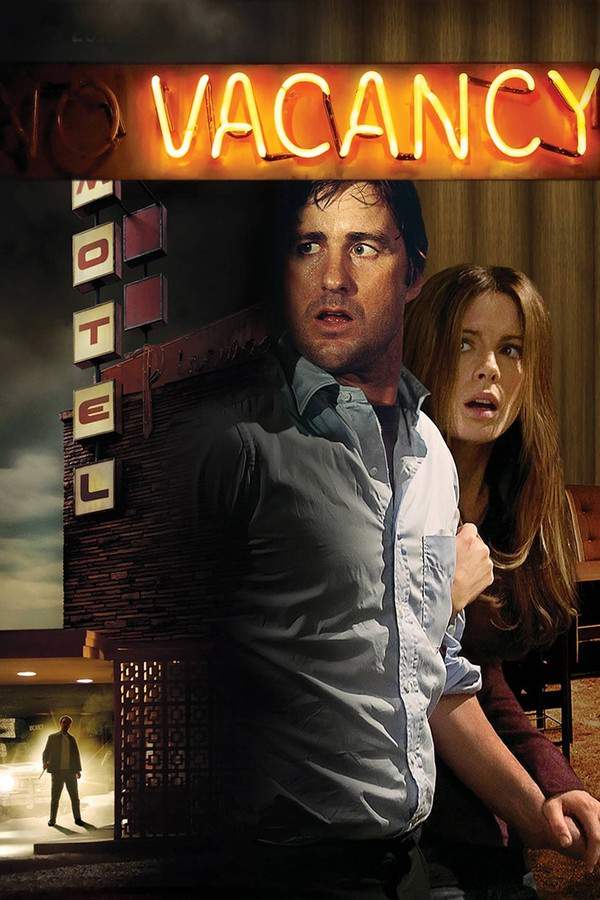
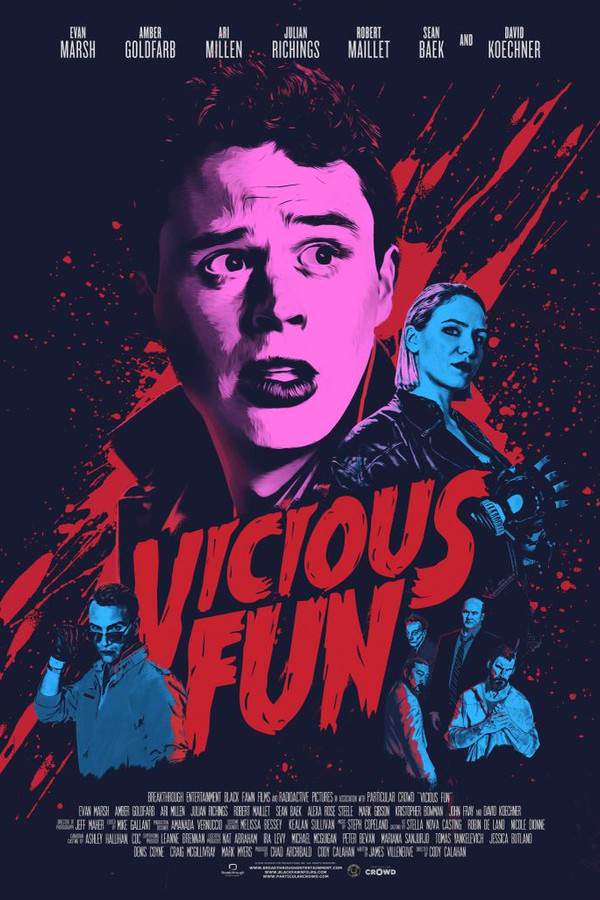
Uncover films that echo the narrative beats, emotional arcs, or dramatic twists of the one you're exploring. These recommendations are handpicked based on story depth, thematic resonance, and spoiler-worthy moments — perfect for fans who crave more of the same intrigue.



Featured on this page

What's After the Movie?
Not sure whether to stay after the credits? Find out!
Check out our other apps:

SAT Sphere
Build confidence for the Digital SAT.

Mori Atlas
Discover wild places worth protecting.

Luntero
Search smarter for a home in Amsterdam.

Plot Explained
Unravel movie endings and hidden clues.

Pokechamp
Dive into Pokémon data and battle logic.

Driving Theory
Get ready for your European theory test.

Movie Dust
Plan your next cinema trip with ease.

Musemap
Find art and culture as you travel.

Selkobase
Compare credentials before committing.

Local Manual
Turn an unfamiliar country into practical next steps.

Lernavi
Compare school systems before your next move.

GymRoam
Find a workout stop wherever your plans take you.
Explore Our Movie Platform
New Movie Releases (2026)
Famous Movie Actors
Top Film Production Studios
Movie Plot Summaries & Endings
Major Movie Awards & Winners
Best Concert Films & Music Documentaries
Movie Collections and Curated Lists
© 2026 What's After the Movie. All rights reserved.
Privacy Policy