
The Outrage 1964

Directed by
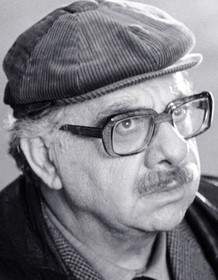
Martin Ritt
Made by

Martin Ritt Productions
The Outrage Plot Summary
Read the complete plot summary and ending explained for The Outrage (1964). From turning points to emotional moments, uncover what really happened and why it matters.
Three disparate travelers—a disillusioned preacher William Shatner, an unsuccessful prospector Howard Da Silva, and a larcenous, cynical con man Edward G. Robinson—meet at a decrepit railroad station in the 1870s Southwest United States.
The prospector and the preacher were witnesses at the rape and murder trial of the notorious bandit Juan Carrasco, Paul Newman. Carrasco had duped Colonel Wakefield, an aristocratic Southerner, into believing that he knew the location of a lost Aztec treasure. While the greedy Wakefield was bound to a tree and gagged, Carrasco assaulted his wife Nina, Claire Bloom. These events led to the stabbing of the husband, and Carrasco was subsequently tried, convicted and condemned for the crimes.
In court, accounts from each witness diverge dramatically. Carrasco claims that Wakefield was bound with ropes while Nina was assaulted, after which he killed the colonel in a duel. The newlywed Nina contends that she killed her husband because he accused her of luring Carrasco and causing the rape. The dead man’s testimony is presented through a third witness, an old Indian shaman, Paul Fix, who says that neither of those accounts is true. The shaman insists that the colonel used a jeweled dagger to commit suicide after the incident.
There is a fourth witness, the Prospector, Howard Da Silva, who offers a completely different perspective on what took place, yet the reliability of that account remains just as uncertain as the others. The result is a tense, multifaceted portrait of blame, motive, and truth, where every version of events carries its own weight and none are fully conclusive.
The Outrage Timeline
Follow the complete movie timeline of The Outrage (1964) with every major event in chronological order. Great for understanding complex plots and story progression.
Three travelers meet at a decrepit railroad station
Three disparate travelers—a disillusioned preacher, an unsuccessful prospector, and a larcenous con man—meet at a decrepit railroad station in the 1870s Southwest United States. Their chance encounter pulls them into a case surrounding a notorious bandit and a courtroom ordeal. The setup foreshadows the shifting loyalties and unreliable recollections that follow.
Carrasco lures Wakefield with a lost treasure rumor
The bandit Carrasco convinces Colonel Wakefield that he knows the location of a lost Aztec treasure. His tale inflames Wakefield's greed and leads to risky choices. The lie plants the motive behind the ensuing confrontation.
Wakefield binds; Nina is assaulted
While Wakefield is bound to a tree and gagged, Carrasco assaults Nina, the colonel's wife, during the encounter. The violence escalates the stakes of the case and shifts the dynamics among the witnesses. The incident becomes the focal point of the ensuing investigation.
Wakefield's death and conflicting accounts
The assault ends with Wakefield's death, but the method remains disputed. Some accounts imply a stabbing linked to the violence, while others point to a possibility of suicide or other causes. This ambiguity drives the trial and the gathering of testimonies.
Trial begins; Carrasco is charged
With the death and assault under investigation, Carrasco is brought to court to answer for the crimes. The trial frames the divergent memories into a formal debate, setting the tone for contested truth. The courtroom becomes the arena where different versions of events collide.
Carrasco's stand: his version of events
On the witness stand, Carrasco claims Wakefield was bound with ropes and that Nina was assaulted, asserting he killed Wakefield in a duel. His account portrays a staged confrontation rather than a straightforward murder. The narrative centers on manipulation and the supposed inevitability of the treasure lure.
Nina's testimony contradicts the others
Nina testifies that she killed her husband because he had accused her of luring Carrasco, not because of the claimed bindings or assaults. Her version shifts blame and introduces domestic motive into the case. The courtroom hears yet another variation of how the tragedy unfolded.
The shaman offers a third version
The old Indian shaman testifies that neither Carrasco's nor Nina's accounts are true. He claims Colonel Wakefield used a jeweled dagger to commit suicide after the incident. His testimony adds a mystical, unreliable perspective to the proceedings.
The prospector adds another entirely different view
The prospector, the fourth witness, provides a completely different view of what happened, further muddying the truth. His account colors the case with suspicion and uncertainty. The courtroom is left with multiple competing stories and no single reliable truth.
The court grapples with conflicting testimonies
The judge and jury confront a tangle of inconsistent memories and motives. Each account emphasizes different evidence and silences others, making the truth elusive. The trial becomes more about perception and belief than about definitive facts.
Treasure lure remains a central motivation
Although the various storytellers differ, the lure of the Aztec treasure continues to color the narratives. The unresolved treasure angle fuels suspicion and shapes how characters are perceived. The court struggles to separate greed from guilt.
Verdict and condemnation
Ultimately, Carrasco is tried, convicted, and condemned for the crimes described in the testimonies. The verdict crystallizes a narrative framed by competing stories, with the bandit paying for the deeds tied to the case. The ending underscores the film's theme: truth is often a matter of perspective.
The Outrage Characters
Explore all characters from The Outrage (1964). Get detailed profiles with their roles, arcs, and key relationships explained.
Juan Carrasco (Paul Newman)
A charismatic bandit whose actions ignite the central crime and subsequent trial. He is cunning and self-serving, presenting a version of events that others dispute, highlighting how manipulation can influence justice.
Nina Wakefield (Claire Bloom)
Wakefield's newlywed wife, whose account becomes a focal point of the trial. She appears torn between truth and self-preservation, and her testimony reflects the turmoil of a wife accused of complicity.
Colonel Wakefield (Laurence Harvey)
Aristocratic Southerner whose pursuit of a fabled treasure frames his role in the events. His death and the conflicting testimonies surround his legacy and the power dynamics of the trial.
Preacher (William Shatner)
A disillusioned preacher among the travelers, offering a moral lens on the unfolding drama. His perspective adds a spiritual dimension to the questions of truth and righteousness.
Prospector (Howard Da Silva)
An unsuccessful prospector whose testimony contributes to the mosaic of viewpoints. His view sheds light on ambition and the harshness of frontier life.
Con Man (Edward G. Robinson)
A cynical trickster whose account adds another layer of doubt. His motive is always self-serving, challenging the integrity of every claim made at the trial.
Old Indian Shaman (Paul Fix)
The elder witness who claims a different truth, offering a shamanic perspective on the events. His account asserts that the colonel may have taken his own life.
Judge (Thomas Chalmers)
The judge presiding over the case, acting as an impartial arbiter of conflicting narratives. His role highlights the limits and responsibilities of legal authority.
Sheriff (Albert Salmi)
The local law enforcer present as the community seeks order amid competing stories. His presence anchors the trial within the frontier justice system.
Baby (Jeffrey Darwin Bowman)
The infant portrayed in the Wakefield milieu, a quiet presence that underscores the fragility of life amid the charged accusations.
The Outrage Settings
Learn where and when The Outrage (1964) takes place. Explore the film’s settings, era, and how they shape the narrative.
Time period
1870s
The story unfolds in the 1870s Southwest, a period marked by expansion, rough justice, and frontier life. Railways and remote towns shape daily routines, where rumors and personal agendas sway public outcomes. The era’s social hierarchies and violence provide a fertile ground for contested testimonies.
Location
Southwestern United States
Set at a decrepit railroad station in the Southwest, the film draws its backdrop from a harsh desert landscape of the 1870s. The station becomes a crucible where strangers’ stories collide and the truth is fiercely contested. The bleak setting underscores the fragility of justice in a frontier world.
The Outrage Themes
Discover the main themes in The Outrage (1964). Analyze the deeper meanings, emotional layers, and social commentary behind the film.
🔎
Truth vs Perception
The narrative presents several conflicting testimonies, challenging the audience to discern what actually happened. Memory, bias, and self-interest shape each account, turning truth into a moving target. The trial becomes a study in how people construct reality to fit their needs.
💔
Guilt and Shame
Characters carry unspoken guilt that colors their stories and reactions. The fear of judgment drives denial, complicating attempts at honest recollection. The film probes how guilt influences memory and moral responsibility.
🏛️
Power and Class
Aristocratic Wakefield and the frontier figures illuminate class tensions and privilege within the justice system. Opportunity and manipulation ride on status, while the courtroom becomes a stage for conflicting values. The characters’ social positions shape both motive and perception.

Coming soon on iOS and Android
The Plot Explained Mobile App
From blockbusters to hidden gems — dive into movie stories anytime, anywhere. Save your favorites, discover plots faster, and never miss a twist again.
Sign up to be the first to know when we launch. Your email stays private — always.
Explore the mobile appThe Outrage Spoiler-Free Summary
Discover the spoiler-free summary of The Outrage (1964). Get a concise overview without any spoilers.
In the windswept desolation of the 1870s Southwest, three disparate travelers find themselves thrown together at a crumbling, abandoned railway station. This liminal space, suspended between the past and an uncertain future, becomes the stage for a tense philosophical gathering. The group consists of a cynical con man, a disillusioned preacher, and a weary prospector—men from vastly different walks of life who now share little more than the dust on their boots and a need to pass the time. As they wait for a train that may never arrive, their conversation drifts toward a singular, gripping topic: the recent trial of a notorious bandit that has shaken the region’s moral foundations.
The subject of their scrutiny is Juan Carrasco, a charismatic outlaw whose recent conviction has left the community buzzing with rumors and conflicting emotions. The trial centered on a crime involving an aristocratic Southern colonel and his wife, Nina, but the official verdict does little to settle the unease in the station. As the travelers recount what they witnessed in the courtroom, it becomes clear that the official narrative is built on shaky ground. Each man possesses a fragment of the story, and as they begin to dissect the proceedings, the atmosphere thickens with ambiguity and doubt.
As the accounts unfold, the nature of truth itself comes into question, revealing a tangled web of contradictory testimonies that refuse to align. The travelers find themselves navigating a moral maze where concepts of love, violence, and honor intersect in unexpected ways. With every retelling, the figures involved take on new dimensions, transforming from villains to victims and back again depending on the gaze of the observer. This atmospheric drama challenges the audience to decipher the reality behind the rhetoric, suggesting that in a world defined by bias and self-interest, the absolute truth may remain forever out of reach.
Movies with Similar Twists and Themes
Uncover films that echo the narrative beats, emotional arcs, or dramatic twists of the one you're exploring. These recommendations are handpicked based on story depth, thematic resonance, and spoiler-worthy moments — perfect for fans who crave more of the same intrigue.


Featured on this page

What's After the Movie?
Not sure whether to stay after the credits? Find out!
Check out our other apps:

SAT Sphere
Build confidence for the Digital SAT.

Mori Atlas
Discover wild places worth protecting.

Luntero
Search smarter for a home in Amsterdam.

Plot Explained
Unravel movie endings and hidden clues.

Pokechamp
Dive into Pokémon data and battle logic.

Driving Theory
Get ready for your European theory test.

Movie Dust
Plan your next cinema trip with ease.

Musemap
Find art and culture as you travel.

Selkobase
Compare credentials before committing.

Local Manual
Turn an unfamiliar country into practical next steps.

Lernavi
Compare school systems before your next move.

GymRoam
Find a workout stop wherever your plans take you.
Explore Our Movie Platform
New Movie Releases (2026)
Famous Movie Actors
Top Film Production Studios
Movie Plot Summaries & Endings
Major Movie Awards & Winners
Best Concert Films & Music Documentaries
Movie Collections and Curated Lists
© 2026 What's After the Movie. All rights reserved.
Privacy Policy