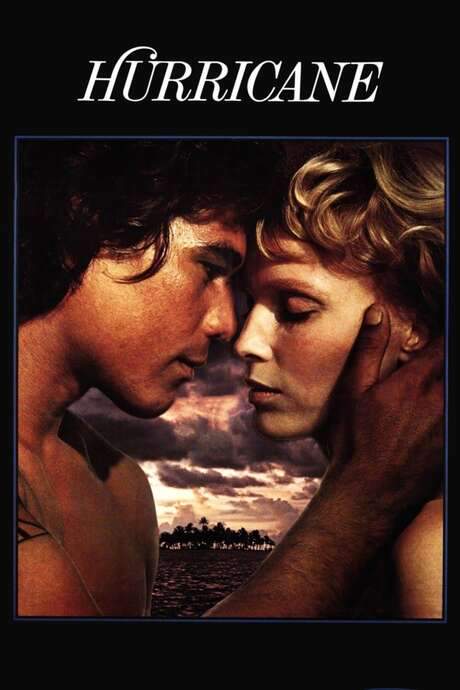
What Is The Hurricane About?
The premise of The Hurricane in 318 words, with nothing given away. The full story follows below.
In the swaying palms of a remote South‑Sea colony, life moves to the rhythm of tides and ancient customs, a quiet world brushed by the distant hum of Western ships. The island’s gentle routine is framed by a storyteller aboard a passing liner, whose voice carries the memory of a tragedy that feels as timeless as the sea itself. The atmosphere balances lush, sun‑lit serenity with an undercurrent of colonial tension, hinting that the fragile peace could be shattered at any moment.
Terangi, a skilled Polynesian sailor, is anchored to the island by a deep love for his new wife, Marama, the chief’s daughter. Their bond promises a future where personal desire and communal responsibility might coexist, yet the pull of the open water and the pride of his trade test the strength of their union. He moves between the call of the horizon and the quiet expectations of his people, embodying a restless honor that both protects and imperils those he holds dear.
The community’s collective voice rises through Dr. Kersaint, a compassionate physician who pleads for mercy on Terangi’s behalf, and through the measured counsel of the island’s elders. Opposite them stands Governor De Laage, a stern colonial administrator whose adherence to law feels both shield and sword. Their uneasy dialogue paints a portrait of a society caught between rigid authority and the yearning for compassion, while the ever‑present drum of the ocean hints at forces beyond any courtroom.
Against this backdrop, the island watches the sky darken as a fierce tropical storm gathers strength. The approaching hurricane becomes more than weather—it is a looming test of loyalty, survival, and the delicate balance between civilization’s rules and the raw power of nature. As clouds thicken, the characters brace for a trial that will expose hidden strengths and fragile bonds, leaving the audience to wonder how love and duty will endure when the world itself turns violent.
What Happens in The Hurricane?
The complete story of The Hurricane, from the first scene to the last, in 817 words (about 4 minutes). Spoilers throughout. Names in the text link to 3 cast member pages.
Spoilers ahead
On a passenger liner skirting the bleak ruins of a deserted island, Dr. Kersaint, Thomas Mitchell, begins to recount a distant tragedy by the quiet harbor of a South Pacific colony. His tale unfolds in a way that makes the ship’s travelers lean forward, inviting them into a memory that feels almost biblical in its scope. The camera of the mind shifts to the island of Manakoora, where life is gentle yet bound by ancient rules and the weight of outside judgment.
In those early days, the island’s people lived with a patient happiness under a sun that never seemed to hurry the day. The story centers on Terangi, Jon Hall, the first mate on a schooner that hops between neighboring isles. He marries Marama, Dorothy Lamour, the daughter of the island’s chief, and their bond carries a quiet promise of shared life and a possible escape from the island’s duties. Marama senses danger in the future and pleads with him not to leave, or at least to take her with him on the voyage. Yet Terangi’s longing for travel—driven by work, pride, and a stubborn sense of freedom—pulls him away, testing the strength of their new family bond and the island’s fragile peace.
When the schooner’s crew reaches Tahiti, a night of celebration gives way to a brutal moment. In a bar, a racist white man orders the sailors to depart, and Terangi, in a flare of righteous anger, strikes him and breaks his jaw. The political connections of the assailant complicate justice, and the governor imposes a harsh sentence: six months in jail, a punishment that fractures the captain’s trust and sows resentment among the men. The incident becomes a fulcrum for deeper conflicts—the solemn belief in law, the fear of colonial power, and the personal costs of a stubborn sense of honor.
Back on Manakoora, Dr. Kersaint pleads with Governor Eugene De Laage, a stern administrator who wields the law as a shield and a weapon. He asks for mercy and parole for Terangi, hoping for a chance at reconciliation and family life. But De Laage resists compromise, even as Captain Nagle, the ship’s seasoned commander, and Father Paul, a steady moral compass on the island, voice their appeals. The captain’s concern for his crew and the Catholic priest’s compassion converge with the governor’s rigid sense of order, revealing the clash between duty and humanity.
Terangi’s fate hardens as he tries again and again to escape confinement, each attempt raising the stakes and deepening the sense of an inescapable fate. The relentless cycle lasts years, and the island witnesses his struggle, the harshness of the penal system, and the cost of a life lived in defiance of limits. After a long stretch, Terangi manages a perilous escape, only to cause the death of a guard in a moment of desperate necessity. With a canoe as his vehicle, he returns to Manakoora, where Father Paul arrives in time to rescue him from the sea and to vow secrecy about what he has witnessed.
Reunited with Marama and a daughter he hardly dared imagine, Terangi finds a fragile happiness that is tested again by the island’s leaders. Chief Mehevi urges them to hide on a tabu island, a place where outsiders would never search, while De Laage stays fixed on the hunt and the seizure of their small world. The couple’s plan to disappear becomes a race against a storm that nature itself seems to forecast with uncanny signs—birds alarming in their flight as if warning of a coming disaster.
The hurricane rises with a power that dwarfs the island’s old laws and old scars. A pregnant patient and Dr. Kersaint endure the storm from a canoe, clinging to life as the sea devastates the shores. Terangi steadies his family and binds them to a sturdy tree, seeking a last shelter while those who remain behind are lost to the flood and spray. The hurricane leaves the land stripped bare, the sea spraying away memories and homes alike.
In the aftermath, Terangi discovers a war canoe adrift and uses it to move his group toward a small refuge. They spot the schooner and light a signal of smoke, hoping to draw help or a chance at survival. Governor De Laage, watching through his binoculars, seems torn between duty and doubt as he studies the image on the water. Madame De Laage insists the motion he sees must be nothing more than a floating log, and after a quiet pause, her husband hesitates and accepts that possibility—a chilling note that leaves the ending open to interpretation.
The movie lingers on the choices—between law and mercy, between pride and protection, between fear and faith—leaving the audience with a quiet, unsettled sense of what it means to be judged, to survive, and to hold the ones we love through a storm that tests every boundary of civilization and courage.
The Hurricane Timeline: Every Key Event in Order
13 key events in the order they happen, from “Framing the tale aboard a passenger ship” to “Present-day framing closes the tale”. 13 events name a place, across 8 locations.
- 1
Framing the tale aboard a passenger ship
On a passenger ship, Dr. Kersaint gazes toward the ruins of a deserted island and blows his former home a kiss. He begins to tell the tale of a tragedy tied to Manakoora. A fellow passenger's question triggers a flashback that will recount events from years ago.
When:present Where:on a passenger ship
- 2
Terangi marries Marama
During the colonial era on Manakoora, Terangi, the island's first mate on an island-hopping schooner, marries Marama, the chief's daughter. The islanders live a contented life, bound by tradition and mutual care. This union will later be tested by pressures from outsiders and the law.
When:colonial era Where:Manakoora
- 3
Marama begs him to stay or take her
Marama begs Terangi not to leave, or at least to take her on the next voyage. He insists on staying behind, choosing duty over personal desire. The couple's separation foreshadows the larger conflicts with colonial authority.
When:pre-departure Where:Manakoora
- 4
Tahiti bar clash and jail sentence
On a voyage to Tahiti, the crew visits a bar where a racist white man orders them to leave. Terangi retaliates by striking him, breaking his jaw, triggering a chain of political repercussions. The governor sentences him to six months in jail, despite protests from Captain Nagle, Father Paul, and Terangi's own supporters.
When:voyage to Tahiti Where:Tahiti
- 5
De Laage refuses parole; back on Manakoora
Back on Manakoora, Dr. Kersaint pleads with newly appointed Governor Eugene De Laage to parole Terangi and bring him home. De Laage remains stern, clinging to a strict interpretation of the law. The pleas of the captain, a priest, and even the governor's wife fail to change his stance.
When:post-sentencing Where:Manakoora
- 6
Eight years of confinement and escapes
Terangi cannot bear prison confinement and makes repeated escape attempts, gradually lengthening the sentence to sixteen years. The jailer takes grim pleasure in the punishment, tightening security. His desperation sets the stage for a desperate escape and consequences.
When:eight years after sentencing Where:Manakoora Prison
- 7
Terangi returns to Manakoora
After eight years, Terangi escapes, unintentionally killing a guard, and steals a canoe to make his arduous journey home. He is reunited with Marama and discovers a daughter he has never seen before. The family is briefly reunited amid the island's fragile peace.
When:return voyage Where:Manakoora
- 8
Hide on tabu island; hunt begins
Chief Mehevi recommends that Terangi's family hide on a tabu island where outsiders won't search. Governor De Laage learns of their preparations and commandeers a schooner to hunt them down. The conflict intensifies as law and survival collide with love.
When:after reunion Where:Tabu Island, Manakoora region
- 9
Birds flee; hurricane approaches
Terangi senses danger and warns his people after birds flee the island, an omen Marama had foreseen years earlier. A once-in-a-lifetime hurricane strikes Manakoora, testing every survivor's resolve. Dr. Kersaint and his pregnant patient weather the disaster in a canoe.
When:hurricane season Where:Manakoora island
- 10
Hurricane devastation and the struggle to survive
The hurricane strips the island bare, killing many while survivors scramble to stay alive. Terangi ties his wife and Madame De Laage to a sturdy tree to keep them safe, while others drown around them. The island's collapse heightens the peril faced by all the main characters.
When:during hurricane Where:Manakoora island
Show the other 3 events of The Hurricane Hide the last 3 events
- 11
Escape by sea and a perilous flight
The tree's fate separates them as the storm passes; Terangi finds a war canoe and uses it to lead his party toward a small neighboring island. They signal the schooner with smoke, then flee with his family, continuing their precarious flight.
When:post-hurricane Where:Sea around Manakoora
- 12
Final glimpse: the watchful eye
Governor De Laage embraces his wife, but then spots something on the water through his binoculars. Madame De Laage insists it must be a floating log; after a tense pause, her husband agrees with her. The ending hints at an uncertain fate for Terangi and his family.
When:end Where:Around Manakoora island
- 13
Present-day framing closes the tale
Back on the present-day ship, Dr. Kersaint’s tale closes as the passengers reflect on the tragedy he remembered. He continues to keep silent about the island's fate, a memory that lingers as the ship sails away. The story ends with the sense that some things remain beyond the reach of explanation.
When:present Where:on a passenger ship
Who Are the Main Characters in The Hurricane?
8 characters, among them Terangi (Jon Hall), Marama (Dorothy Lamour) and Dr. Kersaint (Thomas Mitchell): who each one is and the part they play in the story. Every profile links to the actor’s page.
- T(
Terangi (Jon Hall)
Played by Jon Hall
The island’s first mate and Marama’s husband, Terangi is bold and hot-headed, quick to defend his honor and the people around him. His actions—punching a racist official and fleeing jail—set off a chain of legal and personal consequences. He endures years of punishment before risking everything to return home, guided by loyalty to his family.
- 🔥 Bravery
- 💔 Lover
- ⚖️ Defiance
-
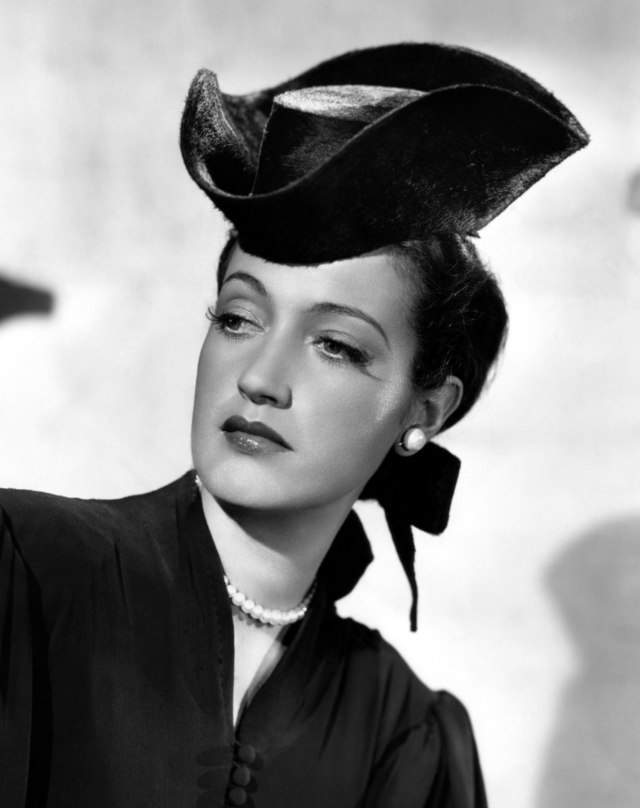
Marama (Dorothy Lamour)
Played by Dorothy Lamour
Daughter of the island chief and Terangi’s wife, Marama is cautious, perceptive, and deeply devoted to her family. She pleads for her husband’s release and foresees danger to her people, urging caution yet staying steadfast in love. Her resilience helps sustain the community through years of hardship.
- 💖 Lover
- 🏝️ Islander
- 🧭 Intuition
-

Dr. Kersaint (Thomas Mitchell)
Played by Thomas Mitchell
A compassionate doctor who pleads for Terangi’s parole and cares for patients during the storm. He embodies practical reason and humanitarian instinct, balancing law and mercy in the face of colonial rigidity. His guidance and medical care anchor the humane response to tragedy.
- 💊 Healer
- 🧭 Rational
- 🕊️ Compassionate
- GD
Governor De Laage (Raymond Massey)
Played by Raymond Massey
The French colonial governor who upholds the strict letter of the law, disregarding pleas for mercy. He represents authority and order, often clashing with Captain Nagle, Father Paul, and the islanders who seek leeway. His rigidity drives the central conflict of law versus humanity.
- ⚖️ Authoritarian
- 🏛️ Governor
- 💼 Duty-bound
- CN
Captain Nagle (Jerome Cowan)
Played by Jerome Cowan
Captain of the schooner who advocates for Terangi and fights the governor’s hardline stance. Loyal to his crew and mindful of fairness, he presses for parole and fair treatment. He stands as a practical ally against excessive punishment.
- 🚢 Captain
- 🤝 Loyal
- ⚖️ Pragmatic
-
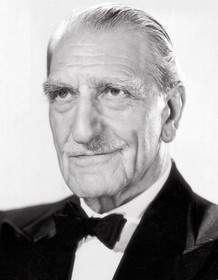
Father Paul (C. Aubrey Smith)
Played by C. Aubrey Smith
A priest who offers spiritual guidance and moral perspective to the islanders. He keeps vigil over the troubled community, choosing to protect through counsel and quiet support. His presence provides a counterweight to political power.
- 🙏 Faith
- 🕊️ Moral compass
- 🧭 Guidance
- MD
Mme. De Laage (Mary Astor)
Played by Mary Astor
Wife of the governor, she embodies empathy and restraint, often pleading for mercy and humanitarian considerations. She recognizes the human cost of strict justice and supports a more compassionate approach. Her influence hints at the complexity within colonial rule.
- 💞 Spouse
- 🕊️ Empathy
- 🏛️ Influence
- CM
Chief Mehevi (Al Kikume)
Played by Al Kikume
Chief Mehevi advises on the island’s safety and strategy, advocating for precautions to protect his people. He balances tradition with the danger posed by external authorities, guiding the plan to hide and endure the storm. His leadership underscores the community’s resilience.
- 👑 Chief
- 🗺️ Strategist
- 🌀 Cunning
Where and When Is The Hurricane Set?
The Hurricane is set in Manakoora, Tahiti and South Pacific (Colonial era). Here is why the time and place matter to the story.
When
Colonial era
The action spans years under colonial rule, where a local chief’s daughter and a first mate are entangled in a struggle with the outsider governor. Legal authority is rigid, enforcing a long sentence that becomes a personal tragedy for Terangi and his family. The environment also tests the characters as the island endures a devastating hurricane.
Where
Manakoora, Tahiti, South Pacific
The story unfolds on the tropical island of Manakoora in the South Pacific, a colonial-era enclave where locals live under traditional chiefs and a French governor. Tahiti appears as a reference point in the voyage and legal matters, highlighting the colonial reach of law. The island’s lush shores contrast with the harsh discipline of the governing authorities.
- 🏝️ Island setting
- 🗺️ Pacific colonial era
- 🌴 Tropical climate
What Are the Themes of The Hurricane?
4 ideas the story keeps returning to, among them Law vs Mercy, Nature's Fury and Love Against Odds.
-
01
Law vs Mercy
Tension centers on the governor’s rigid application of the law despite pleas from friends, family, and clergy. The plot questions whether justice can be tempered by compassion when colonial authorities wield absolute power. The consequences of the legal system drive the characters toward drastic choices and exile from their community.
-
02
Nature's Fury
The hurricane arrives as a cataclysm that tests endurance, loyalty, and leadership. It strips the island of its shelters and forces survivors to confront mortality and resilience. The storm acts as a catalyst that reveals true loyalties and the cost of escape.
-
03
Love Against Odds
Terangi and Marama’s relationship anchors the story and transcends cultural and legal barriers. The lovers’ commitment sustains them through imprisonment, separation, and peril. Their bond highlights themes of sacrifice and hope amid oppression.
-
04
Duty, Silence, and Judgment
Characters balance personal duty with communal expectations, often choosing restraint or silence over public confrontation. Father Paul embodies moral authority that clashes with political power. The narrative leaves questions about when it is right to speak out and when to protect others through quiet action.
What Kind of Film Is The Hurricane?
Tense in tone, with steady pacing and a moderate story, going by the plot summary.
- Tone
- Tense
- Pacing
- Steady
- Story
- Moderate
- Intensity
- High
- Ending
- Ambiguous
An intense and emotionally heavy drama of colonial oppression and survival, building with unyielding tension toward a climactic natural disaster that leaves the fate of its characters hauntingly uncertain.
- tense
- oppressive
- melancholic
- stubborn
- hopeful
- desperate
- colonial injustice
- racial prejudice
- wrongful imprisonment
- survival
Content notes: racial prejudice, wrongful imprisonment, whipping punishment, attempted suicide, death of a guard.
Quiz
How well do you remember The Hurricane? Test yourself on the story.