
The Fugitive 1947

Directed by
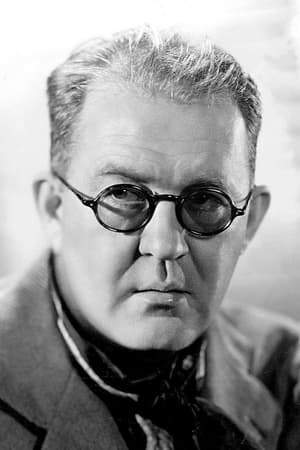
John Ford
Made by
RKO Radio Pictures
The Fugitive Plot Summary
Read the complete plot summary and ending explained for The Fugitive (1947). From turning points to emotional moments, uncover what really happened and why it matters.
In a nameless Latin American country where the Catholic Church has been outlawed, a nameless and conflicted Catholic priest becomes a fugitive, portrayed by Henry Fonda. This tense backdrop mirrors the real Cristero War in Mexico around 1926, a brutal conflict that frames his dilemma and the community’s response to faith under siege. The story follows his precarious life as troops clash with religious supporters, and the villagers try to hide him from a militant, anti-clerical regime.
A brutal village assault unfolds as troops led by a militant-atheist police lieutenant descend on a rural community. The priest is present, but the devout villagers shield him, keeping his identity and presence a tightly kept secret while the world outside rages with violence and fear. Through sharp dialogue, we learn he is the last priest in the country, others having been driven out on pain of death, and he stayed believing he could still find a way to escape—a hope that proves tragically misplaced.
When escape finally comes, it is thwarted by a crazy, greedy Native and a tangle of unfortunate circumstances that repeatedly pull him back toward danger. He returns, momentarily facing the choice between flight and duty, and the consequences of his stubborn commitment begin to mount.
Back in his village, in the ruined and desecrated church, he encounters Maria Dolores, an outcast Indian woman who pleads for her illegitimate baby to be baptized. Maria Dolores, Dolores del Río, sees in him a beacon of mercy and hope. When the baptism is granted, she experiences a powerful surge of loyalty and gratitude toward the priest, deepening the bond between faith and human belonging in a time of turmoil.
A new threat arrives in town: the murderous North American bandit known as El Gringo, a figure of legend and fear. El Gringo, Ward Bond, and the pursuing Native and police troops follow in his wake, turning the village into a perilous crossroads. While Maria Dolores distracts the police, the priest makes a perilous escape, slipping away as gunfire erupts and the town becomes a blur of smoke and cries.
In the next act, El Gringo is badly wounded in a protracted gun battle, and the Native guides the priest toward safety in another town. Hope flickers as the two fugitives press on, each step a test of faith and endurance. In this new sanctuary, the priest believes he has found a respite, but the same relentless Native tracks him down and reveals a grim plan to demand the Last Rites from El Gringo by exploiting the priest’s proximity to death.
What follows is a cruel trap: the priest is forced to confront a grim choice, and he ultimately refuses to perform the rite when it would seal a fatal trap. The chase ends with the priest captured and condemned to death, a moment that becomes a silent sermon on mercy as he forgives the informant who betrayed him. His execution by firing squad becomes a somber, public testament to the persistence of faith even in the face of tyranny.
The aftermath is not a victory for the authorities but a haunting, communal grief that proves faith cannot be extinguished. The film suggests that the Church’s presence lives in people’s hearts and minds, an idea even the police lieutenant, in a quiet moment, acknowledges on a personal level. In the final, quiet scene, many continue to pray in secret as a door is knocked and a man stands there, announcing that a new priest has arrived in the village, signaling the enduring cycle of faith and renewal.
The Fugitive Timeline
Follow the complete movie timeline of The Fugitive (1947) with every major event in chronological order. Great for understanding complex plots and story progression.
Priest hides during Cristero crackdown
A nameless Catholic priest becomes a fugitive in a country where the Catholic Church is outlawed. An attack on a rural village unfolds as troops brutalize the area, and devout villagers risk their lives to hide him. He learns he is effectively the last priest left in the country, forced to survive under constant threat.
He realizes he is the last priest
Through dialogue with villagers, it becomes clear that he is the lone remaining priest in the region. This knowledge deepens his resolve but also heightens the danger around him. He contemplates his limited chance to escape before the net closes in.
Escape attempt thwarted
When he finally tries to flee, a crazy, greedy Native and other unforeseen circumstances thwart the plan. He is forced to retreat back toward the village as pursuers close in on every side. The escape fails, sealing his fate to remain in the village for now.
Meeting Maria Dolores in the ruined church
Back in the ruined and desecrated village church, he encounters Maria Dolores, a devout outcast Indian woman. She asks for baptism for her illegitimate baby, and he grants it, forging a bond of loyalty and gratitude between them. The act deepens her commitment to him and to his cause.
El Gringo arrives in town
A murderous North American bandit known as El Gringo arrives, bringing new danger to the already fragile situation. The crazy Native and the pursuing police troops soon follow, escalating the chase. The priest and Maria Dolores must navigate a rapidly deteriorating landscape of fear.
Maria Dolores distracts the authorities
Maria Dolores uses a daring distraction to draw attention away from the priest, allowing him to slip away from the encircling forces. The escape is tense and nerve-wracking, underscoring her courage and his fragile hope. Their pursuit continues, growing more dangerous with every step.
El Gringo engages in a gun battle and is wounded
As the priest makes his exit, El Gringo enacts a fierce gun battle with the police and is badly wounded. The standoff intensifies the stakes for everyone involved and temporarily thins the crowd of pursuers. The action underscoring the chaos around the fugitive priest grows more personal and brutal.
Maria Dolores helps him reach safety in another town
In a display of stubborn devotion, Maria Dolores shepherds the fugitive priest to safety in another town. Their perilous journey emphasizes the depth of her loyalty and the priest's hope for sanctuary beyond the border of the original village. The move marks a new phase in his flight.
The trap: betrayal and Last Rites request
In the new town, the priest seeks sanctuary, but the Native tracks him down and claims that El Gringo is dying and that he must administer the Last Rites. It is revealed to be a calculated trap orchestrated by the Native and the police lieutenant, aimed at capturing him. The priest must confront this moral trap while his fate hangs in the balance.
The priest is captured and forgives
Captured and sentenced to death, the priest forgives the betrayer for his treachery. His act of mercy under duress underscores his unwavering faith and moral resolve. The act cements his role as a symbol of spiritual resistance even in captivity.
Execution and the awakening of faith
The priest is executed by firing squad, and his death triggers a public outpouring of grief. The ceremony and aftermath demonstrate to authorities that faith cannot be extinguished from the hearts of the people. The police lieutenant, moved by the events, acknowledges his own faith in secret.
A new priest and enduring prayers
In the village’s quiet aftermath, people continue to pray in secret as a knock at the door announces a new priest has arrived for the village. The ending suggests that faith endures beyond loss, carried forward by the communities that remember him. The final image reinforces the resilience of spiritual life amid oppression.
The Fugitive Characters
Explore all characters from The Fugitive (1947). Get detailed profiles with their roles, arcs, and key relationships explained.
The Fugitive Priest (A Fugitive) - Henry Fonda
A conflicted Catholic priest forced into exile by anti-clerical laws. He bears the burden of protecting his flock while yearning for escape; his resolve is tested by danger and betrayal. He remains steadfast in faith, and his eventual capture and execution underscore themes of sacrifice and mercy.
Maria Dolores
An outcast Indian woman who seeks baptism for her illegitimate baby, forming a deep bond with the priest. Her gratitude evolves into quiet resilience amid persecution, symbolizing the human cost and moral support faith can provide.
El Gringo (James Calvert)
A murderous North American bandit known as El Gringo, who arrives in the village and heightens the conflict. He embodies reckless opportunism and menace, challenging the priest’s resolve and inflaming violence.
A Lieutenant of Police
The militant-atheist police lieutenant leading the crackdown on Catholicism. He is driven by authority and fear, becoming an instrument of state power while confronting his own hidden faith.
A Police Informer
A betrayer who tracks the priest, illustrating how fear forces people to choose sides. His actions drive the priest into peril, while raising questions of guilt, loyalty, and redemption.
The Chief of Police
A local authority figure enforcing orders amid instability. His interactions with the priest reveal inner conflict and the complexity of upholding law in a faith-dominant rural setting.
Fortunio Bonanova - The Governor's Cousin
A political elite figure representing upper-class influence within the anti-clerical regime. His presence highlights how power structures intersect with religious suppression and social control.
The Fugitive Settings
Learn where and when The Fugitive (1947) takes place. Explore the film’s settings, era, and how they shape the narrative.
Time period
1926
The events are set during the Cristero War era in Mexico, when anti-clerical government policies led to church closures and violent reprisals. Villages and towns become theatres of conflict between state power and religious devotion. The period is defined by fear, courage, and the moral stakes of faith under threat.
Location
Mexico
In the 1920s Mexico, the Catholic Church faces severe anti-clerical laws that spark violent clashes across the country. Rural villages become flashpoints as troops crack down on worship and priests are forced to hide. The film unfolds against a backdrop where faith persists amid persecution and political upheaval.
The Fugitive Themes
Discover the main themes in The Fugitive (1947). Analyze the deeper meanings, emotional layers, and social commentary behind the film.
✝️
Faith under Persecution
A lone priest remains in a country where his church is outlawed, choosing to serve his flock despite the danger. The story centers on how belief sustains a community when religious practice is banned. The priest’s presence becomes a quiet act of defiance that binds villagers together.
🕊️
Forgiveness
Mercy and forgiveness surface amid brutality, as the priest forgives those who betray him and offers spiritual comfort. Maria Dolores’s gratitude for baptism strengthens trust and loyalty. The theme shows mercy as a counterpoint to vengeance and fear.
⚔️
Church and State Conflict
The film highlights the clash between secular authorities and religious authority, with troops attacking villages and the priest hunted as an outlaw. This tension reveals how political power can threaten personal faith, while devotion endures in secrecy. The narrative probes the moral costs of enforcing ideological control.
🔥
Sacrifice and Martyrdom
The priest faces execution, remaining faithful to his duties even in the face of death. Public grief and reverence accompany his martyrdom, illustrating how sacrifice can ignite renewed faith. The ending implies that spiritual continuity can outlast temporal suppression.

Coming soon on iOS and Android
The Plot Explained Mobile App
From blockbusters to hidden gems — dive into movie stories anytime, anywhere. Save your favorites, discover plots faster, and never miss a twist again.
Sign up to be the first to know when we launch. Your email stays private — always.
Explore the mobile appThe Fugitive Spoiler-Free Summary
Discover the spoiler-free summary of The Fugitive (1947). Get a concise overview without any spoilers.
In a restless corner of 1920s Tabasco, a revolutionary government has declared the Catholic Church illegal, turning the landscape into a tense tableau of suspicion and whispered prayers. The streets pulse with the clang of anti‑clerical edicts, while remote villages clutch at the remnants of faith, their daily lives shadowed by the ever‑present threat of armed patrols. The film bathes this world in a muted palette of dust‑soaked roads and candlelit interiors, creating a mood that is both oppressive and reverently intimate, where the line between survival and sacrifice blurs with each sunrise.
At the heart of this turmoil walks the priest, the nation’s last ordained shepherd, who now dwells in the margins of a society that brands him a criminal. Though unnamed, his inner conflict is palpable: he carries the weight of centuries‑old doctrine while navigating a world that demands he abandon it. His quiet determination is matched by a lingering hope that a fleeting window might allow him to flee, yet the relentless grip of the regime keeps his path shrouded in danger. The character’s stoic exterior masks a profound yearning for redemption, setting the tone for a story that feels as much about inner fidelity as external peril.
Amidst the looming crackdown, the scattered community offers subtle hints of solidarity—an outcast who tends the wounded, a hidden chapel that reverberates with secret hymns, and nameless faces that linger in the periphery, each holding a thread of humanity. These whispers of connection suggest that faith, even when outlawed, can pulse beneath the surface, fostering alliances that are as fragile as they are vital. The film’s atmosphere, steeped in quiet desperation and resilient hope, invites the viewer to wonder how far one will go when every step is a prayer and every breath a rebellion.
Movies with Similar Twists and Themes
Uncover films that echo the narrative beats, emotional arcs, or dramatic twists of the one you're exploring. These recommendations are handpicked based on story depth, thematic resonance, and spoiler-worthy moments — perfect for fans who crave more of the same intrigue.



Featured on this page

What's After the Movie?
Not sure whether to stay after the credits? Find out!
Check out our other apps:

SAT Sphere
Build confidence for the Digital SAT.

Mori Atlas
Discover wild places worth protecting.

Luntero
Search smarter for a home in Amsterdam.

Plot Explained
Unravel movie endings and hidden clues.

Pokechamp
Dive into Pokémon data and battle logic.

Driving Theory
Get ready for your European theory test.

Movie Dust
Plan your next cinema trip with ease.

Musemap
Find art and culture as you travel.

Selkobase
Compare credentials before committing.

Local Manual
Turn an unfamiliar country into practical next steps.

Lernavi
Compare school systems before your next move.

GymRoam
Find a workout stop wherever your plans take you.
Explore Our Movie Platform
New Movie Releases (2026)
Famous Movie Actors
Top Film Production Studios
Movie Plot Summaries & Endings
Major Movie Awards & Winners
Best Concert Films & Music Documentaries
Movie Collections and Curated Lists
© 2026 What's After the Movie. All rights reserved.
Privacy Policy