
The Crucible 1996

Directed by
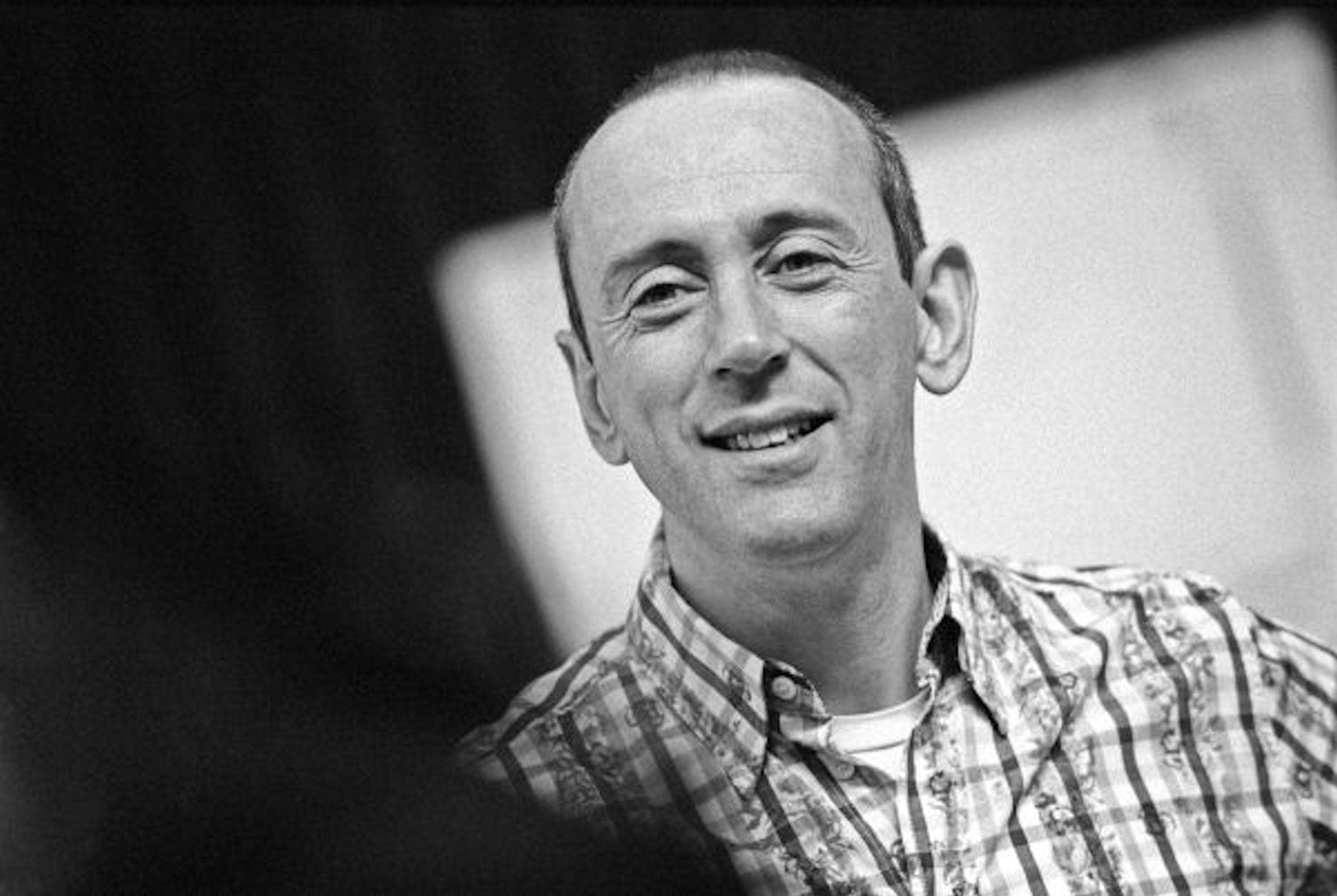
Nicholas Hytner
Made by

20th Century Fox
The Crucible Plot Summary
Read the complete plot summary and ending explained for The Crucible (1996). From turning points to emotional moments, uncover what really happened and why it matters.
In Salem, Massachusetts, in 1692, a group of village girls venture into the woods with Tituba, Charlayne Woodard, a slave who knows forbidden rites, attempting to conjure love spells and hidden power. Abigail Williams, Winona Ryder, kills a chicken and drinks its blood, hoping to unleash misfortune on Elizabeth Proctor—the wife of John Proctor—so that she can draw closer to the man she once loved. When Abigail’s uncle, Reverend Samuel Parris, Bruce Davison, discovers them, the girls flee into the trees, yet his daughter Betty Rachael Bella collapses and remains unconscious.
Betty’s condition deepens the town’s fear: Ruth Putnam, Ashley Peldon, and Betty refuse to wake, and Giles Corey, Peter Vaughan, who suspects the children are merely acting out, teams up with John Proctor, Daniel Day-Lewis, with whom Abigail had an affair, to check on the Parris household. Convinced that demonic possession explains the girls’ behavior, Parris and the Putnams summon Reverend John Hale, Rob Campbell, to investigate. To deflect punishment, Abigail points the finger at Tituba, and Tituba, under pressure, confesses to seeing the devil, narrowly escaping execution. The girls seize on the new aura of power, accusing a growing roster of townsfolk, including Elizabeth Proctor, lifting the fear to fever pitch: the court becomes a stage for accusing and punishing.
John Proctor seeks to reclaim his name and protect Elizabeth by pressing Mary Warren, one of the afflicted girls, to testify that the witchcraft is a sham. Francis Nurse, Tom McDermott, arrives with a list of names vouched for by neighbors, but the judges order the arrest of all who stand on it. Giles Corey presses a crucial claim about Ruth’s insinuated “gift of land” tied to Putnam’s manipulation, and the court seizes on the confrontation, detouring into a web of fear, pride, and leverage. Mary Warren wavers, then collapses under the pressure of the other girls, recanting only to be pushed back by their collective screams and frightening performances in court. Elizabeth, who is pregnant, hopes for mercy until the baby is born, but John urges that the witnesses be charged with falsehood.
The courtroom erupts as the girls declare Mary Warren is attacking them with spirits, and John’s truth-telling is met with louder accusations. To expose Abigail’s true motive, John confesses to having an affair with Abigail, claiming she used the charges against Elizabeth to remove Elizabeth as a rival and to push him toward her. Abigail denies the affair, prompting Elizabeth to testify in turn; she lies, trying to protect John’s honor in the face of a system primed to believe the girls. Reverend Hale, trying to salvage some measure of reason, pleads for truth, but the chorus of “spirits” swells, and the court’s momentum cannot be halted. The infamous moment arrives as the girls flee to the lake, the “yellow bird” of Mary Warren’s supposed attack sending the room into further hysteria.
John’s attempt to defend himself fails when Mary Warren, overwhelmed by fear, accuses him of witchcraft. In a moment of despair, he calls out a chilling line, and the courtroom watches him crumble under the weight of public accusation: “I say God is dead!” He is then arrested, and the tide of fear carries him toward an uncertain fate. Reverend Hale’s doubts linger, but the machinery of the court keeps turning, and Abigail—after manipulating the crowd and seizing money from Reverend Parris—flees to Barbados, leaving behind a trail of betrayed trust. She approaches John with a final plea, but he rejects the idea of escaping with her, admitting that their fates won’t meet on a ship, but rather in Hell.
Parris worries that John’s public execution could spark chaos in the town, so Elizabeth arranges for John to be confronted with a supposed path to survival through confession. John writes a confession for the court, but when they demand it be read aloud, he refuses to surrender his good name. In a climactic moment on the gallows, John, Rebecca Nurse, and Martha Corey recite the Lord’s Prayer as they are hanged, their defiance echoing through the town.
The aftermath is devastating: nineteen people are executed after refusing to save themselves through false confessions, and the Salem Witch Trials come to a grim close. The town is left scarred by a fever of fear, power, and suspicion that reshaped lives and tested the boundaries between faith, guilt, and justice.
It’s not on a ship we’ll meet again, but in Hell
- Elizabeth Proctor, Joan Allen
- Abigail Williams, Winona Ryder
- Reverend Samuel Parris, Bruce Davison
- Tituba, Charlayne Woodard
- Betty Parris, Rachael Bella
- Ruth Putnam, Ashley Peldon
- John Proctor, Daniel Day-Lewis
- Mary Warren, Karron Graves
- Reverend John Hale, Rob Campbell
- Rebecca Nurse, Elizabeth Lawrence
- Giles Corey, Peter Vaughan
- Francis Nurse, Tom McDermott
- Thomas Putnam, Jeffrey Jones
- Elizabeth Proctor (pregnant), Joan Allen
- Judge Danforth, Paul Scofield
- Judge Hathorne, Robert Breuler
- Tituba’s accusers and other town residents appear throughout the proceedings, including Goody Good Sheila Pinkham, Mercy Lewis Kali Rocha, Goody Barrow Mara Clark, and Goody Osborne Ruth Maleczech
This version preserves the core events and emotions of the original summary while expanding the narrative to provide clearer context, relationships, and consequences, with careful punctuation, emphasis, and direct quotation where appropriate.
The Crucible Timeline
Follow the complete movie timeline of The Crucible (1996) with every major event in chronological order. Great for understanding complex plots and story progression.
Girls in the woods conjure love spells
In Salem, 1692, a group of village girls gathers with Tituba to conjure love spells. Abigail Williams kills a chicken and drinks its blood, hoping Elizabeth Proctor will die. The ritual hints at the power the girls will later wield through fear and accusation.
Betty collapses; Parris worries
Reverend Parris discovers the girls in the forest and Betty collapses, not waking. The town's fear of witchcraft begins to spread as Betty's condition unsettles everyone.
Hale summoned to examine Betty
Betty and Ruth's condition is treated as demonic possession, prompting Reverend John Hale from Beverly to be called in to examine Betty. Abigail seizes the moment to deflect blame and accuses Tituba of witchcraft to save herself.
Tituba confesses after whipping
Abigail's accusations lead to Tituba being whipped and pressured to confess to seeing the devil. Tituba's confession saves her from hanging and unleashes a wave of further accusations from the girls, starting with Elizabeth Proctor.
John Proctor seeks to stop the witchcraft accusations
John Proctor resolves to forget his affair with Abigail and to reclaim his family. He tells Mary Warren to testify that the witchcraft was fake and to speak against the girls' claims.
Court arrests escalate on testimony; Giles arrested
In court, Francis Nurse presents a list of people vouched for by witnesses, and the judges order the arrest of everyone on it. Giles Corey refuses to identify who heard Mr. Putnam say Ruth's accusation would earn him land, and the judges order his arrest.
Mary Warren recants under pressure; Elizabeth's pregnancy
Mary Warren is pressured by the other girls and recants that she saw spirits, but they cow her into silence. Elizabeth Proctor reveals she is pregnant, which delays her execution until the baby is born. John insists that others be charged with false witness.
John confesses to the affair; Elizabeth lies
To prove Abigail's manipulation, John confesses to having sex with Abigail, claiming she used accusation of Elizabeth to remove her as an obstacle to marrying him. Elizabeth is called to verify the affair, but she lies to protect John.
Yellow bird and escalating panic
Hale urges the court to see past the hysteria, but the girls intensify their claims by shouting that Mary Warren is bewitching them as a 'yellow bird'. The panic drives the girls to flee toward a lake as the situation spirals out of control.
Mary Warren accuses John; arrest and despair
Under mounting pressure, Mary Warren accuses John Proctor of witchcraft in order to save herself. John is arrested as a witch, and he despairingly proclaims 'I say God is dead!'
Hale confronts Abigail; she flees
On the day before John is to be hanged, Reverend Hale confronts Abigail at the abandoned victims' homes and doubts her claims. Abigail tries to turn suspicion onto Hale's wife, but the judges doubt her; she then steals Parris's money to flee to Barbados.
Elizabeth urges John's confession
Parris pressures Elizabeth to meet with John to persuade him to confess and save his life. John agrees and writes a confession, planning to publicly display it to prove guilt and influence others to confess.
John refuses to sign and proclaims his name
The court demands that John sign the written confession and display it publicly, but he refuses and tears up the document, declaring 'Leave me my name' so his name will not be tainted. This act seals his fate despite the attempt to save him.
Hangings of John Proctor, Rebecca Nurse and Martha Corey
On the gallows, John Proctor, Rebecca Nurse, and Martha Corey recite the Lord's Prayer before they are hanged, and the ritual is abruptly interrupted as the crowd is stunned by the executions.
Nineteen executed; trials end
Nineteen people are executed after choosing not to give false confessions. The Salem Witch Trials come to an end as the hysteria subsides, but the damage remains.
The Crucible Characters
Explore all characters from The Crucible (1996). Get detailed profiles with their roles, arcs, and key relationships explained.
John Proctor (Daniel Day-Lewis)
A farmer and husband who wrestles with guilt over his affair with Abigail and his duty to Elizabeth. He seeks to expose the girls' deceit while grappling with the court's coercive power. His resolve to protect his name and his family drives his choices, culminating in a costly stand for truth.
Abigail Williams
A manipulative girl who ignites the witchcraft crisis by accusing Tituba and others; she wields fear to control the town and pursue her own desires, including John Proctor.
Elizabeth Proctor
Married to John Proctor, she is accused and pregnant; strong, morally upright, she tries to protect her husband while maintaining integrity.
Reverend John Hale
A learned minister from Beverly who investigates witchcraft; initially believes the confessions, then doubts the proceedings as the trials unfold; he struggles between faith and conscience.
Reverend Parris
The town's minister who is highly concerned with his reputation; his fear of unrest drives harsh action and control over the community.
Tituba
A slave who first confesses under pressure and names others, her status shaping the dynamics of the trials and the spread of accusations.
Judge Thomas Danforth
A stern, authoritative judge who upholds the court’s power and pressures confessions to preserve the court’s legitimacy.
Mary Warren
A follower of Abigail who oscillates between truth and fear, pressured to recant or reaffirm the accusations in the courtroom.
Rebecca Nurse
A respected elder and one of the first accused; her piety and standing highlight how fear can strike even the most admired members of the community.
Giles Corey
An elderly farmer who challenges the proceedings and defends others, risking arrest as the hysteria escalates around him.
The Crucible Settings
Learn where and when The Crucible (1996) takes place. Explore the film’s settings, era, and how they shape the narrative.
Time period
1692
The events unfold during the year 1692 in colonial Massachusetts. Religious fervor and a rigid social hierarchy fuel a rapid escalation from minor mischief to deadly accusations. Courts become instruments of collective fear, replacing reason with superstition. The period is mark by mass hysteria and the collapse of rational inquiry.
Location
Salem, Massachusetts
Salem, Massachusetts, in the strict Puritan colonies of 1692. The town is defined by a theocratic society where religious zeal and communal fear drive public life. Narrow streets and tightly knit households create an atmosphere where rumors spread quickly and surveillance is a way of life. The setting underscores how fear can govern daily existence and legal proceedings.
The Crucible Themes
Discover the main themes in The Crucible (1996). Analyze the deeper meanings, emotional layers, and social commentary behind the film.
🌀
Hysteria
Fear and superstition spiral into public panic as accusations spread through the town. The girls orchestrate a theater of blame that sways neighbors, families, and authorities alike. Rumor replaces evidence, turning personal grievances into communal law. The result is a devastating cascade of executions driven by mass hysteria.
🏛️
Power & Reputation
Those in authority manipulate religion and the legal system to protect status and control the community. Judges, ministers, and prominent families weaponize fear to settle scores and extend influence. In this climate, reputation becomes more valuable than truth, pushing people to lie or denounce others to safeguard themselves. Justice is corrupted when self-preservation overrides ethics.
🗝️
Truth vs. Lies
Confession becomes a tool to escape death, but signing it can destroy a person’s integrity and memory. Characters wrestle with guilt, pride, and the cost of deception under pressure. The courtroom theatrics test personal honesty against public performance. Ultimately, truth is fragile in a climate where fear and obedience trump sincerity.

Coming soon on iOS and Android
The Plot Explained Mobile App
From blockbusters to hidden gems — dive into movie stories anytime, anywhere. Save your favorites, discover plots faster, and never miss a twist again.
Sign up to be the first to know when we launch. Your email stays private — always.
Explore the mobile appThe Crucible Spoiler-Free Summary
Discover the spoiler-free summary of The Crucible (1996). Get a concise overview without any spoilers.
In the stark, wood‑shrouded town of Salem, Massachusetts, 1692 looms as a winter of unease. Thick pines and narrow clapboard houses frame a community bound by rigid faith and an unspoken dread of the unseen. When a group of young girls slips into the forest, the thin line between superstition and reality begins to tremble, and the tight‑knit village feels the first ripple of something far larger than ordinary hardship. The atmosphere hums with a quiet, almost reverent tension, as every rustle of leaves seems to carry a whispered warning.
John Proctor returns to his modest farm, carrying the weight of a marriage that has already weathered hidden storms. Abigail Williams arrives with a fierce, restless energy that both intrigues and unsettles those around her, while Elizabeth Proctor endures the quiet strength of a woman whose world is built on loyalty and restraint. Reverend Samuel Parris struggles to keep his pulpit steady amid growing unease, and Tituba, a slave with knowledge of forbidden rites, becomes an unexpected focal point for the town’s fear. Reverend John Hale appears, armed with scholarly resolve, hoping to discern truth from hysteria. Together, these figures embody the fragile balance between authority, desire, and the desperate need for order.
The film moves like a slow‑burning candle, casting long shadows over a society where reputation means survival and every spoken word can tip the scales. Conversations drift between whispered doubts and solemn prayers, and the looming courtrooms feel less a place of justice than a stage for the community’s collective anxieties. As rumors swell into murmurs and suspicion spreads like cold wind through the streets, the audience is left lingering on the edge of what may erupt when fear is given a voice, inviting a deep curiosity about how truth will be tested in a world caught between belief and dread.
Movies with Similar Twists and Themes
Uncover films that echo the narrative beats, emotional arcs, or dramatic twists of the one you're exploring. These recommendations are handpicked based on story depth, thematic resonance, and spoiler-worthy moments — perfect for fans who crave more of the same intrigue.
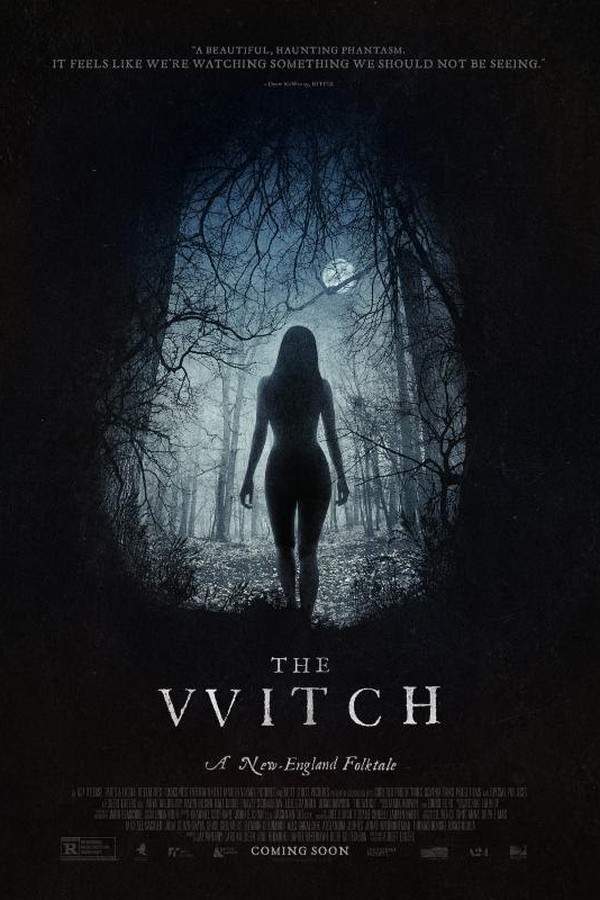


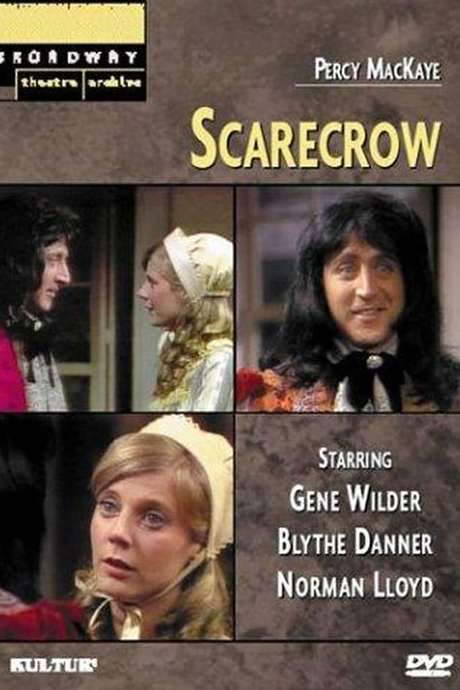
Featured on this page

What's After the Movie?
Not sure whether to stay after the credits? Find out!
Check out our other apps:

SAT Sphere
Build confidence for the Digital SAT.

Mori Atlas
Discover wild places worth protecting.

Luntero
Search smarter for a home in Amsterdam.

Plot Explained
Unravel movie endings and hidden clues.

Pokechamp
Dive into Pokémon data and battle logic.

Driving Theory
Get ready for your European theory test.

Movie Dust
Plan your next cinema trip with ease.

Musemap
Find art and culture as you travel.

Selkobase
Compare credentials before committing.

Local Manual
Turn an unfamiliar country into practical next steps.

Lernavi
Compare school systems before your next move.

GymRoam
Find a workout stop wherever your plans take you.
Explore Our Movie Platform
New Movie Releases (2026)
Famous Movie Actors
Top Film Production Studios
Movie Plot Summaries & Endings
Major Movie Awards & Winners
Best Concert Films & Music Documentaries
Movie Collections and Curated Lists
© 2026 What's After the Movie. All rights reserved.
Privacy Policy