What Is The Witness Chair About?
The premise of The Witness Chair in 225 words, with nothing given away. The full story follows below.
In the hushed corridors of a corporate office building, Paula Young serves as the devoted secretary to her employer, Stanley Whittaker. One late night, she slips out of his office with quiet deliberation, locking the door behind her and descending the stairs rather than risk an encounter with the building’s elevator operator. It’s a choice that suggests unease beneath the surface of routine, though the reasons remain unspoken.
Morning brings a grim discovery that upends the ordinary rhythms of office life. Whittaker is found dead, with circumstances pointing toward suicide and a signed letter confessing to the embezzlement of $75,000. Yet what should be an open-and-shut conclusion immediately draws the scrutiny of Lieutenant Poole, a seasoned investigator whose instincts tell him that the convenient narrative may conceal deeper truths.
The investigation narrows its focus toward Jim Trent, the company’s vice-president and a widower whose connection to the case remains unclear. As questions multiply and suspicion settles, the situation grows increasingly complex—hinting at entanglements that extend beyond simple financial wrongdoing. Each piece of evidence seems to lead toward uncertainty rather than clarity.
Against this backdrop of corporate intrigue and personal motives, the story builds toward a courtroom drama where testimony and truth will intersect. The atmosphere carries the weight of classic mystery, where appearances deceive and the boundaries between guilt and innocence blur with every revelation.
What Happens in The Witness Chair?
The complete story of The Witness Chair, from the first scene to the last, in 312 words (about 1 minute). Spoilers throughout.
Spoilers ahead
Late one night, Paula Young [Ann Harding] leaves the office of her boss, Stanley Whittaker [Douglass Dumbrille], locking the door and taking the stairs to avoid being seen by the elevator operator Roy Levino [Frank Jenks]. The next morning, the cleaning lady discovers Whittaker’s body, an apparent suicide, setting off a chain of questions about what really happened in that quiet building.
Lieutenant Poole [Moroni Olsen] soon sheds light on the mystery. He finds a letter signed by Whittaker claiming to have embezzled $75,000, but his investigation quickly grows more complex as he treats the note with skepticism and moves to secure the scene. The case takes a sharp turn when the police arrest James Trent [Walter Abel], a widower who serves as the vice president of Whittaker Textile Corporation. The gun that fired the fatal shot is traced to Trent, and the typewritten suicide note—though signed by Whittaker—expressly states that Trent is not involved in the embezzlement.
The courtroom drama unfolds with mounting tension. The elevator operator testifies that only Whittaker and Trent were in the building that night, and Prosecutor Martin [Paul Harvey] lays out a possible motive: Constance Trent [Frances Sage], Trent’s daughter, had planned to run away with Whittaker that very night. Yet Paula interrupts the proceedings to reveal that she has taken responsibility for the crime. She had deduced that Whittaker intended to flee the country with Constance, who was unaware of the embezzlement, and, driven by hidden feelings for Trent, she forced Whittaker at gunpoint to sign the confession she had typed. In the ensuing struggle, Whittaker tries to seize the gun but is fatally shot.
As the trial advances toward its uncertain resolution, Trent’s future intertwines with Paula’s bold act, culminating in a moment where a marriage proposal from Trent seems to promise resolution or redemption after a night of deception, risk, and moral complexity.
The Witness Chair Timeline: Every Key Event in Order
14 key events in the order they happen, from “Paula leaves the boss's office after hours” to “Conclusion and aftermath”. 14 events name a place, across 8 locations.
- 1
Paula leaves the boss's office after hours
Paula Young exits her boss's office late at night, quietly locking the door behind her. To avoid being seen by the elevator operator, she takes the stairs and disappears into the building's corridors. The exit sets in motion a sequence of events that will drive the investigation later.
When:late night Where:Whittaker Textile Corporation building, office
- 2
Whittaker is found dead in the office
The following morning, a cleaning lady discovers Stanley Whittaker's body in his office with a gunshot wound. The scene is treated as suicide at first, setting off a formal investigation into potential foul play and the missing embezzled funds. The apparent self-inflicted death becomes the catalyst for the courtroom drama to come.
When:morning Where:Whittaker's office
- 3
Lieutenant Poole uncovers a –signed letter
Lieutenant Poole discovers a letter signed by Whittaker alleging an embezzlement of $75,000. The note casts doubt on the suicide theory and prompts a deeper financial investigation. The letter becomes a central clue in the case.
When:shortly after death Where:Whittaker's office
- 4
Jim Trent is arrested as a suspect
The investigation focuses on James 'Jim' Trent, the widowed vice president of Whittaker Textile. Based on the evidence, police arrest him as the lead suspect. The arrest shifts the case from possible suicide to a homicide inquiry with financial motives.
When:early investigation Where:Whittaker Textile Corporation building
- 5
The gun and the note complicate the case
The gun used in Whittaker's death is traced to Trent, while a typewritten note, though signed by Whittaker, states that Trent is not involved. These elements muddy the truth and raise questions about who forged the embezzlement link. The conflicting signals challenge both sides in court.
When:initial inquiry Where:Office
- 6
The trial begins and unfolds
The courtroom drama begins as the prosecution builds a case against Trent. Witnesses and motives are presented, painting a picture of financial trouble and possible collusion. The defense struggles to counter the mounting evidence and maintain innocence.
When:during trial Where:Courtroom
- 7
Elevator operator testifies about the night
The elevator operator recalls only seeing Whittaker and Trent in the office building that night. This testimony narrows the list of suspects and reinforces the focus on the two men. It becomes a turning point in the trial's timeline.
When:night of incident Where:Office building
- 8
Connie's motive is introduced
Prosecutor Martin outlines a possible motive: Connie, Trent's daughter, intended to run away with Whittaker that night. The prospect of a forbidden romance adds emotional weight to the financial crime narrative. The motive strengthens the prosecution's case against Trent.
When:during trial Where:Courtroom
- 9
Paula confesses in court
In a dramatic turn, Paula interrupts the proceedings to claim responsibility for the crime. She reveals that she guessed Whittaker would flee with Connie and acted to stop him. Her confession reframes the case around personal motives and hidden loyalties.
When:during trial Where:Courtroom
- 10
Ship tickets signal a planned flight
Two ship tickets arrive at the office, signaling Whittaker's plan to flee the country with Connie. Paula uses this signal to justify her drastic act, showing how far she was willing to go to stop the plan. The tickets become a tangible motive that drives the confession.
When:around ticket delivery Where:Office
Show the other 4 events of The Witness Chair Hide the last 4 events
- 11
Paula coerces a confession with a gun
Paula, who harbors feelings for Trent, forces Whittaker at gunpoint to sign the typed confession. The act exposes a dangerous mix of jealousy and desperation. Whittaker struggles to resist, ending in tragedy.
When:same night Where:Whittaker's office
- 12
Whittaker dies in the struggle
In the struggle over the gun, Whittaker is fatally shot. His death abruptly closes the embezzlement angle and pivots the case to Paula's actions. The incident resolves the murder mystery but leaves emotional wreckage in its wake.
When:same night Where:Whittaker's office
- 13
Trent proposes to Paula
After the chaotic events, Trent asks Paula to marry him. The proposal comes amid the courtroom revelations and the fallout from the confession. Their future is left unsettled, shaped by guilt, desire, and complicated loyalties.
When:after confession Where:Courthouse
- 14
Conclusion and aftermath
The case concludes with Paula's confession clarifying what happened and why. Relationships are forever altered by the night of deception and tragedy. The film ends on a note of fragile union and unresolved consequences.
When:aftermath Where:Courtroom / surrounding offices
Who Are the Main Characters in The Witness Chair?
5 characters, among them Paula Young (Ann Harding), James Trent (Walter Abel) and Stanley Whittaker (Douglas Dumbrille): who each one is and the part they play in the story. Every profile links to the actor’s page.
- PY
Paula Young (Ann Harding)
Played by Ann Harding
Paula is the night-shift secretary who discovers the opportunity and pressure to manipulate the outcome. She locks the boss’s door to avoid the elevator operator, then types and claims a confession to protect Trent’s daughter. Her concealed feelings for James Trent drive a drastic act that crosses legal and ethical lines.
- 💼 Secretive
- ❤️ Complex motives
- ⚖️ Moral conflict
- JT
James Trent (Walter Abel)
Played by Walter Abel
A widowed vice president with a protective streak over his daughter Connie, Trent becomes a prime suspect due to his proximity to Whittaker and Connie’s intentions. He embodies restrained emotion and a readiness to confront scandal, even as the courtroom questions his involvement. His relationship with Whittaker's daughter adds a personal layer to the legal drama.
- 👨💼 Widower
- 💔 Family ties
- ⚖️ Suspect
- SW
Stanley Whittaker (Douglas Dumbrille)
Played by Douglass Dumbrille
Whittaker is the corporation’s boss and the central figure whose death triggers the investigation. The note alleging embezzlement and the gun tied to him frame the case, while his persona hints at manipulation and control. He remains a shadowy presence whose actions catalyze the courtroom confrontation.
- 💼 Boss
- 💸 Embezzler
- 🕵️♂️ Mystery
-
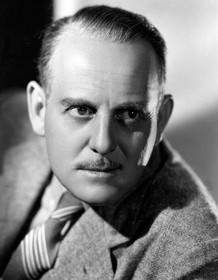
Lt. Poole (Moroni Olsen)
Played by Moroni Olsen
Lt. Poole is the investigating officer who threads through the night’s events, weighing motives, alibis, and the evolving story. His methodical approach drives the sense of procedural realism in the courtroom aftermath. He embodies cautious authority in uncovering truth.
- 👮 Detective
- 🧭 Investigative mind
- ⚖️ Authority
- M(
Martin (Paul Harvey)
Played by Paul Harvey
The prosecuting attorney who outlines the motive of potential crime and leads the courtroom battle. He represents the prosecutorial pressure that frames the case’s narrative and tests Paula, Trent, and Whittaker’s fates.
- 🧑⚖️ Prosecutor
- 🗣️ Oratory
- ⚖️ Courtroom drama
Where and When Is The Witness Chair Set?
The Witness Chair is set in Whittaker Textile Corporation Office Building. Here is why the place matters to the story.
Where
Whittaker Textile Corporation Office Building
Set inside the late-night corridors and private offices of the Whittaker Textile Corporation, the building becomes a claustrophobic stage for crime and courtroom drama. The office environment—complete with elevator operator, a secretary, and tense hierarchy—amplifies the secrets that drive the plot. As the investigation unfolds, the space reveals how power and wealth can mask guilt and motive.
- 🏢 Corporate offices
- 🕵️ Mystery
- ⚖️ Legal drama
What Are the Themes of The Witness Chair?
3 ideas the story keeps returning to, among them Guilt & Justice, Truth vs Deception and Forbidden Affection.
-
01
Guilt & Justice
The trial hinges on how guilt is constructed from evidence, motive, and manipulation. A staged confession and a purported embezzlement create a blurred line between truth and conviction. Paula’s concealed feelings for Trent drive drastic choices that punch a hole in the supposed justice of the courtroom. The film probes whether justice can survive when fear, loyalty, and desire steer testimony.
-
02
Truth vs Deception
The plot turns on the tension between what is true and what is presented. Whittaker’s apparent suicide, the embezzlement claim, and the typed confession are all pieces of a larger riddle. Paula’s bold act to own the crime exposes how control over information dictates outcomes. The story suggests truth is negotiable, especially under pressure.
-
03
Forbidden Affection
Paula Young’s hidden feelings for James Trent shape the moral calculus of the case. Her drastic decision to implicate Whittaker—then claim responsibility—reveals how longing can override professional ethics. The dynamic adds romantic tension to a legal thriller, complicating motives and judgments. Love becomes a pressure point that can distort justice.
What Kind of Film Is The Witness Chair?
Tense in tone, with steady pacing and a moderate story, going by the plot summary.
- Tone
- Tense
- Pacing
- Steady
- Story
- Moderate
- Intensity
- Medium
- Ending
- Happy
A steadily paced courtroom drama that builds suspense around a false accusation, driven by hidden romantic feelings and a central mystery that creates a tense and sober atmosphere.
- tense
- suspenseful
- romantic
- anxious
- dramatic
- mysterious
- crime investigation
- false accusation
- courtroom drama
- secret love
Content notes: suicide, murder.
Where to Watch The Witness Chair
. US availability and prices from JustWatch.
Streaming availability in the US, powered by