
The Unbearable Lightness of the Revolution 2021

Directed by

Andy Fetscher
Made by

ARD
The Unbearable Lightness of the Revolution Plot Summary
Read the complete plot summary and ending explained for The Unbearable Lightness of the Revolution (2021). From turning points to emotional moments, uncover what really happened and why it matters.
In late 1960s Prague, a talented surgeon named Tomáš lives by a personal creed of “lightness,” indulging in numerous romantic entanglements and keeping a deliberate distance from his past, including his ex-wife and their young son Šimon. A chance encounter in a provincial town with a café waitress named Tereza alters the rhythm of his life. When she tracks him to the capital, Tomáš realizes she is placing her fate in his hands, and though he remains a lover of many, his growing feelings for her begin to complicate his carefree existence.
Tereza, restless with her small-town life and frustrated by a domineering mother, is drawn to Tomáš’s blend of intellect and dreamer’s spirit. She falls for him quickly, and the two move in together, yet Tomáš keeps seeing other women. At first he hides his infidelity, then confesses it, arguing that his flirtations do not undermine his devotion to her. Tereza, torn between passion and fear, struggles with the idea that love and physical desire can coexist. Disturbing dreams haunt her, and despair edges toward thoughts of ending her own life.
The political backdrop intensifies as Prague experiences a brief liberal surge known as the Prague Spring, abruptly halted by a Soviet invasion in August. A past essay criticizing the regime lands Tomáš in trouble, and he is urged to flee. In 1969, hoping to safeguard Tereza’s happiness, he marries her, but he does not abandon his other lovers. Among them is Sabina, a bold, free-spirited painter who becomes Tomáš’s closest confidante, and the source of tension as Tereza senses the electric pull between the two, even as Sabina helps Tereza launch a photography career in Prague. Yet jealousy threads through their relationship, challenging the couple’s fragile union.
By 1970 Sabina leaves for the West, and Tomáš and Tereza eventually join her in Zurich. The move brings a sense of possibility, but Tereza’s sense of purpose wanes without photography and she grows resentful as Tomáš continues his affairs. She clings to the belief that “when the strong are too weak to hurt the weak, the weak must be strong enough to leave,” and returns to Czechoslovakia a year later. Tomáš follows, briefly tasting independence again, but knows that this choice means giving up any future chance of leaving the country.
Back in Prague in 1972, Tomáš’s political dissent costs him his surgical career after he refuses to sign a statement retracting his criticisms. Both the state and dissidents seek to recruit him, but he resists being used by either. His estranged son Šimon, now politically active, challenging him with his own idealism, cannot move him to change. Tomáš finds modest anonymity by cleaning windows, yet his reputation persists and his sexual liaisons continue.
In 1973, Tereza, now working behind a bar, embarks on an affair with a visiting engineer in a bittersweet attempt to imitate Tomáš’s detachment. The experience leaves her unsettled, convinced the man was spying on her. After bearing this strain and turmoil, she persuades Tomáš to retreat to a rural village, hoping for peace. For a while, the countryside brings quiet, but the couple’s life is cut short when they die together in a car accident the following year.
Meanwhile, in Geneva in 1971, Sabina begins a relationship with Franz, a married academic whose ideals align more with Tereza’s longing than Sabina’s unsettled nature. Franz admires Sabina, yet wrestles with betraying his wife, Marie-Claude. Sabina views this betrayal as a thrilling plunge into the unknown. A year later, Franz leaves his marriage to be with her, but Sabina vanishes again—first to Paris, then to the United States. Two years pass before she learns of Tomáš and Tereza’s deaths in a letter, and she settles for a time with an elderly American couple, wondering if her restless wandering has truly ended.
In 1975 Franz remains separated from his wife and begins seeing a young student who adores him. Still clinging to a romanticized memory of Sabina, he dies believing she would have approved of his choices. After his death, his wife arranges his burial and marks his grave with the inscription, “A return after long wanderings.”
when the strong are too weak to hurt the weak, the weak must be strong enough to leave
This sweeping portrait weaves intimate relations with a shifting political climate, tracing how love, desire, conscience, and the pull of freedom shape lives across decades. The characters’ quests for meaning—whether in Prague, Zurich, Geneva, or the countryside—reflect a stubborn insistence on living fully even as the world around them shifts in dramatic and often unforgiving ways.
The Unbearable Lightness of the Revolution Timeline
Follow the complete movie timeline of The Unbearable Lightness of the Revolution (2021) with every major event in chronological order. Great for understanding complex plots and story progression.
Tomáš's creed of lightness and romantic life
Tomáš, a talented surgeon in late 1960s Prague, lives by a creed of lightness that lets him drift between romance and emotional distance. He indulges in multiple affairs and keeps a careful separation from his past, including his ex-wife and their young son Šimon. This stance shapes his unpredictable personal life as the narrative unfolds.
Chance encounter with Tereza
Tereza, a café waitress from a provincial town, crosses paths with Tomáš and is drawn to his intellect and dreamer’s spirit. She follows him to Prague and places her fate in his hands, even as he continues to flirt with other women. Their meeting marks the beginning of a relationship that will test both of them.
Tereza moves in; Tomáš’s infidelity continues
The couple moves in together, and Tereza discovers Tomáš’s ongoing affairs. He initially hides the infidelity, then confesses it, arguing that his flirtations do not undermine his devotion to her. Tereza wrestles with the unsettling idea that love and sexual desire can coexist.
Prague Spring and crackdown; essay lands Tomáš in trouble
Prague experiences the Prague Spring, a brief liberal surge that is crushed by a Soviet invasion in 1968. A past essay criticizing the regime surfaces and lands Tomáš in trouble, prompting authorities to urge him to flee. The political climate tightens around his personal freedom and career.
Marriage to Tereza in 1969
In 1969, to safeguard Tereza’s happiness, Tomáš marries her, though he does not give up his other lovers. The arrangement keeps peace for a time but leaves a persistent tension beneath the surface. The couple begins a life marked by secrecy and conflicted fidelity.
Sabina becomes confidante and catalyst
Sabina, a bold painter, arrives as Tomáš’s closest confidante, bringing wit and sexual energy into the orbit of their relationship. Her presence deepens the rift with Tereza even as she helps Tereza launch a photography career in Prague. Tomáš’s attachment to Sabina tests the limits of his marriage.
Sabina leaves for the West; Zurich
By 1970 Sabina departs for the West, and Tomáš and Tereza eventually join her in Zurich, seeking new possibilities away from Prague. The move signals a turning point as the trio negotiates love, freedom, and belonging. The air of possibility contrasts with the undercurrents of jealousy and longing.
Tereza seeks purpose; returns to Czechoslovakia
In Zurich, Tereza’s sense of purpose wanes without photography, and she decides to return to Czechoslovakia a year later, with Tomáš following to preserve their relationship. The move tests their bond as exile and personal longing pull them in different directions. The couple’s attempt at a fresh start is strained by old loyalties.
Tomáš’s dissent costs his career
Back in Prague in 1972, Tomáš’s political dissent costs him his surgical career after he refuses to sign a retracting statement. Both the state and dissidents seek to recruit him, but he resists being used by either side. His stubborn independence underscores the tension between personal conscience and political pressure.
Šimon confronts his father
Šimon, Tomáš’s estranged son, is now politically active and challenges his father with his own idealism. The encounter highlights the growing distance between generations and the ways in which political beliefs shape personal bonds. Tomáš remains emotionally distant, caught between worlds.
Tereza’s 1973 affair and retreat to the countryside
In 1973, Tereza, now behind a bar, begins an affair with a visiting engineer as a bittersweet imitation of Tomáš’s detachment. She becomes unsettled, convinced the man was spying on her. After bearing this strain, she persuades Tomáš to retreat to a rural village seeking peace.
The couple dies in a car accident
The countryside offers a fragile peace for a time, but their life is cut short when Tomáš and Tereza die together in a car accident the following year. The tragedy closes a chapter on their intertwined, unsettled lives and invites reflection on lightness and consequence.
Sabina in Geneva: Franz starts a relationship
In Geneva in 1971, Sabina begins a relationship with Franz, a married academic whose ideals echo Tereza’s longing. Franz admires Sabina, yet wrestles with betraying his wife. The liaison expands Sabina’s restless wanderings into another corner of Europe.
Franz leaves his wife; Sabina wanders again
A year later, Franz leaves his wife to be with Sabina, who then vanishes again—traveling first to Paris, then to the United States. The pattern of sabbatical wanderings and tentative loves continues to define Sabina’s fate. Her ongoing absence deepens the sense of detachment that threads through the story.
Franz’s death and Sabina’s reflections
In 1975 Franz remains separated from his wife and begins seeing a young student who adores him, clinging to a memory of Sabina. He dies believing she would have approved of his choices, and his wife arranges his burial with the inscription 'A return after long wanderings.' The line between devotion and wandering life remains a melancholy refrain.
The Unbearable Lightness of the Revolution Characters
Explore all characters from The Unbearable Lightness of the Revolution (2021). Get detailed profiles with their roles, arcs, and key relationships explained.
Tomáš
A gifted Prague surgeon who lives by a philosophy of lightness, pursuing pleasure without attachment. His pattern of infidelity creates distance from Tereza, even as he hesitates to abandon her. Political danger intensifies his detachment as the Prague Spring unfolds; his career and life are upended, and the couple’s fate drifts toward tragedy.
Tereza
A café waitress from a small town who falls for Tomáš and longs for authentic connection. She is tormented by dreams, jealousy, and the sense of purposelessness without meaningful work. Her steadfast pursuit of meaning contrasts with Tomáš’s detachment, ultimately guiding her to seek stability even as it costs her happiness.
Sabina
A free-spirited painter and Tomáš’s confidante, Sabina embodies independence and artistic detachment. Her affairs, including a relationship with Franz, blur boundaries between love and freedom. She travels from Prague to the West, Paris, and the United States, embodying restless wanderlust until the end of the narrative.
Šimon
Tomáš’s estranged son, who becomes politically active and challenges his father’s detachment. The generational rift mirrors the broader clash between personal desires and collective responsibility. His presence anchors the interpersonal drama within the political upheaval surrounding Prague.
Franz
A married academic in Geneva who becomes Sabina’s lover, embodying idealism and conflict between duty and desire. He is tormented by betraying his wife, yet drawn to Sabina’s allure of freedom. His life arc intersects with Sabina’s wandering through Europe.
Marie-Claude
Franz’s wife, loyal and grounded, who confronts the consequences of her husband’s infidelity. She navigates the emotional toll of his choices and participates in the burial of his memory, signifying the stabilizing force of conventional fidelity in a turbulent time.
The Unbearable Lightness of the Revolution Settings
Learn where and when The Unbearable Lightness of the Revolution (2021) takes place. Explore the film’s settings, era, and how they shape the narrative.
Time period
1968–1975
The story unfolds across the late 1960s and early 1970s in Czechoslovakia and Western Europe. It begins with the Prague Spring and its suppression in 1968 and spans through the ensuing years of exile, dissident culture, and political crackdowns, ending around 1975. The timeline weaves together personal relationships with a shifting political landscape.
Location
Prague, Zurich, Geneva, Czech countryside
Primarily set in Prague during the late 1960s, the film follows a liberal, medical doctor amid the Prague Spring. The narrative also carries the characters to a provincial Czech town, to Zurich and Geneva in Switzerland, and finally to a rural village in the Czech lands. The locales mirror the political and personal upheavals at the heart of the story.
The Unbearable Lightness of the Revolution Themes
Discover the main themes in The Unbearable Lightness of the Revolution (2021). Analyze the deeper meanings, emotional layers, and social commentary behind the film.
❤️
Love vs Freedom
The film centers on Tomáš’s philosophy of lightness and his pattern of pursuing pleasures without attachment. This detachment clashes with Tereza’s longing for genuine intimacy and meaning. Sabina’s independence further complicates love, blurring lines between affection and sexual freedom. The tension reveals how love can be both empowering and hurtful, depending on perspective.
🪧
Political Upheaval
Set against the Prague Spring and its brutal suppression, personal choices become political acts. Tomáš’s liberal stance and past essay draw state scrutiny, threatening his career and safety. Dissident circles, censorship, and surveillance color daily life in Prague and beyond. The era’s upheaval frames intimate decisions as acts of resistance or surrender.
🧭
Identity & Detachment
The title’s notion of lightness serves as a lens on identity, as characters wander between cities and nations. Their sense of self remains fluid, shaped by romance, betrayal, and exile. Each relocation tests their ability to anchor meaning in a world of changing loyalties. The film ultimately questions whether freedom from attachment leads to authentic selfhood.
💔
Relationships & Betrayal
Infidelity, secrecy, and jealousy test the couple’s bonds as Tomáš pursues multiple lovers while Tereza seeks stability. Sabina’s open romances contrast with Tereza’s despair, highlighting different responses to desire. The emotional repercussions ripple across borders—from Prague to Zurich to rural life. The narrative suggests that trust is fragile in the pursuit of personal freedom.

Coming soon on iOS and Android
The Plot Explained Mobile App
From blockbusters to hidden gems — dive into movie stories anytime, anywhere. Save your favorites, discover plots faster, and never miss a twist again.
Sign up to be the first to know when we launch. Your email stays private — always.
Explore the mobile appThe Unbearable Lightness of the Revolution Spoiler-Free Summary
Discover the spoiler-free summary of The Unbearable Lightness of the Revolution (2021). Get a concise overview without any spoilers.
In the waning years of the Cold War, East Germany feels both cramped by its bureaucratic walls and electrified by the restless energy of a generation on the cusp of change. Neon lights flicker over concrete plazas, and distant radio waves carry the defiant chords of Western rock, reminding everyone that a world beyond the wall pulses with possibility. The city’s gray uniformity is punctuated by underground clubs where the beat of disco drums masks whispered conversations about a future that seems both inevitable and uncertain.
Franka drifts through this landscape at nineteen, more interested in the glow of the dance floor and the thrill of listening to Bruce Springsteen and Michael Jackson than in the politics that shape her daily life. Beneath her carefree exterior lies the quiet ache of a lost baby brother, a grief that colors her nights with a yearning for connection and meaning. She moves through her days with a blend of youthful optimism and a subtle, unspoken melancholy, her world defined as much by the music that lifts her as by the empty space left by the sibling she never got to know.
When Stefan appears—a young, earnest environmental activist whose convictions sparkle with the same intensity as the stage lights that Franka adores—her routine begins to shift. Drawn to his idealism and the tight‑knit circle that rallies around him, she finds herself pulled into conversations that blend personal desire with collective purpose. Their budding bond is watched with uneasy eyes by her mother, a loyal Party member whose expectations for her daughter clash with the nascent rebellion blooming in the streets.
The film settles into a tone that balances the buoyant rhythm of youthful nightlife with the undercurrent of a society on the brink of transformation. It captures the delicate dance between personal longing and political awakening, inviting the audience to wonder how far Franka will let the melody of her own heart guide her through a world where every step feels both light and laden with consequence.
Movies with Similar Twists and Themes
Uncover films that echo the narrative beats, emotional arcs, or dramatic twists of the one you're exploring. These recommendations are handpicked based on story depth, thematic resonance, and spoiler-worthy moments — perfect for fans who crave more of the same intrigue.
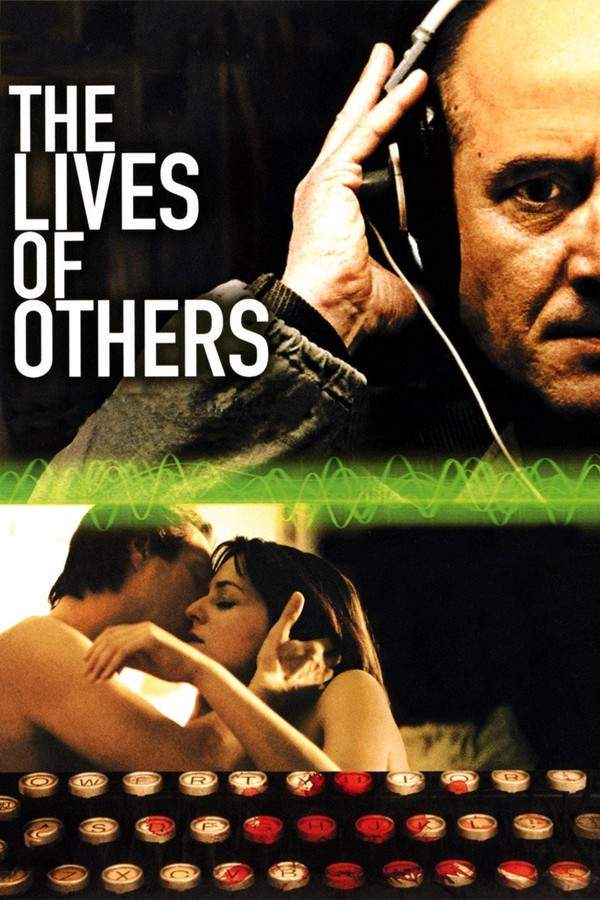
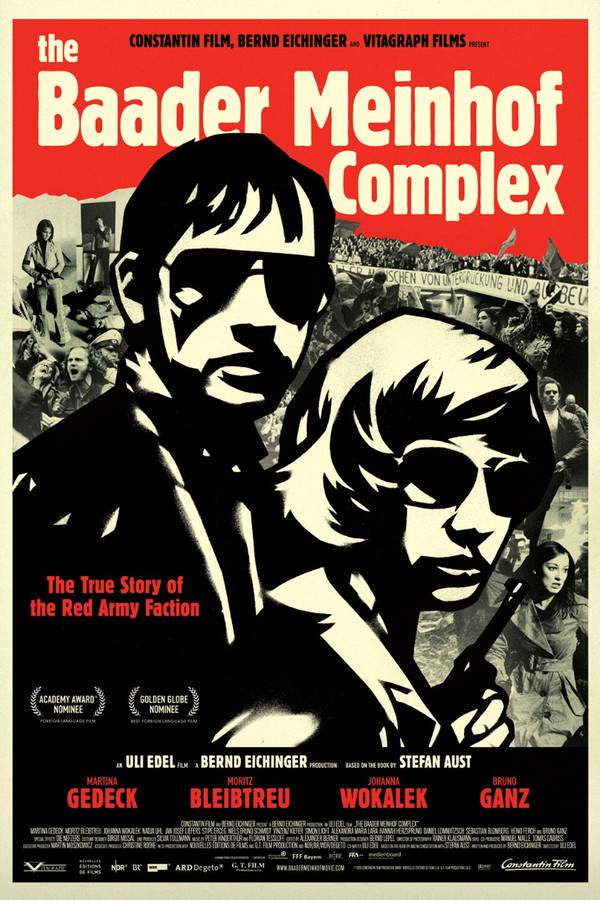
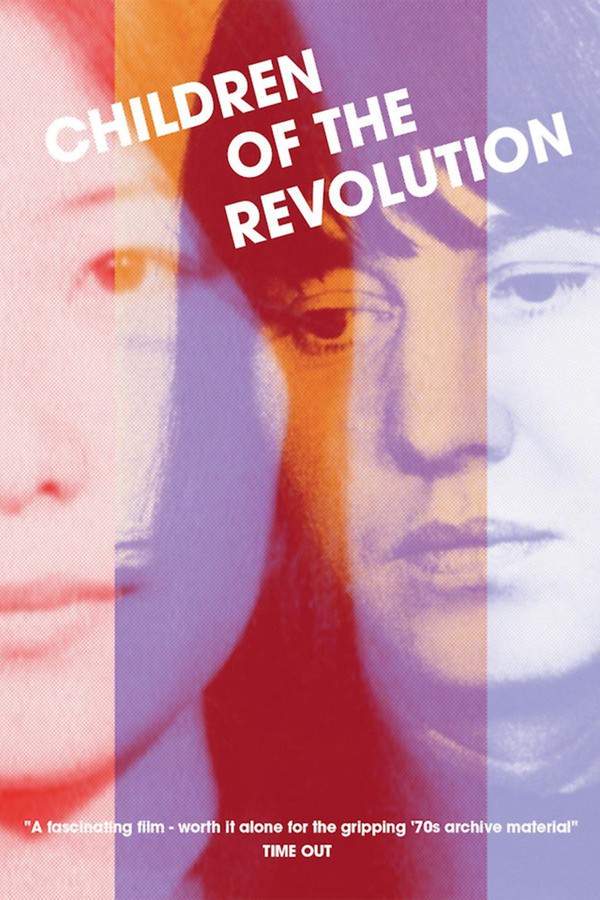
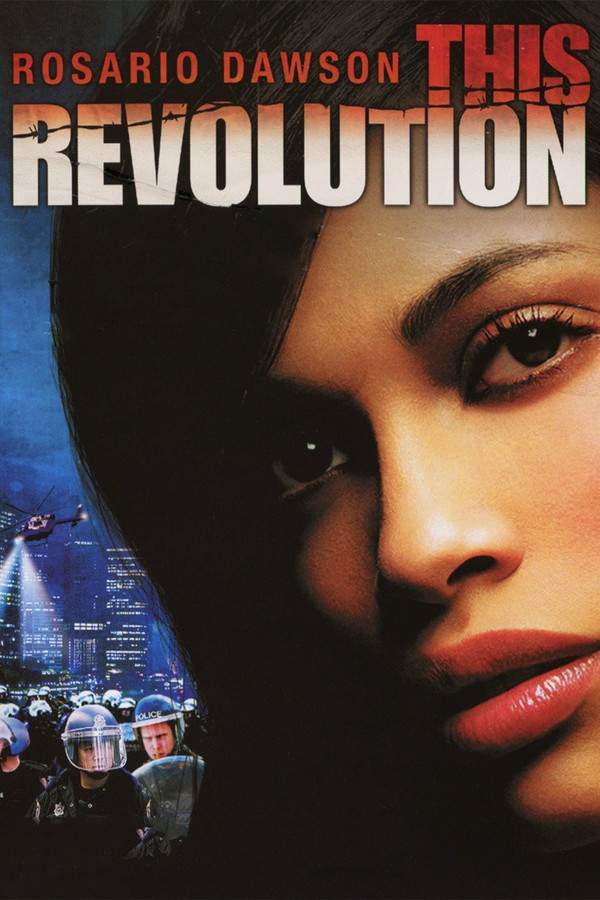


Featured on this page

What's After the Movie?
Not sure whether to stay after the credits? Find out!
Check out our other apps:

SAT Sphere
Build confidence for the Digital SAT.

Mori Atlas
Discover wild places worth protecting.

Luntero
Search smarter for a home in Amsterdam.

Plot Explained
Unravel movie endings and hidden clues.

Pokechamp
Dive into Pokémon data and battle logic.

Driving Theory
Get ready for your European theory test.

Movie Dust
Plan your next cinema trip with ease.

Musemap
Find art and culture as you travel.

Selkobase
Compare credentials before committing.

Local Manual
Turn an unfamiliar country into practical next steps.

Lernavi
Compare school systems before your next move.

GymRoam
Find a workout stop wherever your plans take you.
Explore Our Movie Platform
New Movie Releases (2026)
Famous Movie Actors
Top Film Production Studios
Movie Plot Summaries & Endings
Major Movie Awards & Winners
Best Concert Films & Music Documentaries
Movie Collections and Curated Lists
© 2026 What's After the Movie. All rights reserved.
Privacy Policy