
The Triangle Factory Fire Scandal 1979

Directed by
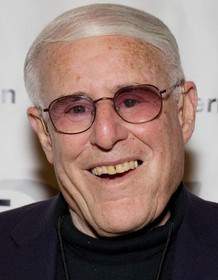
Mel Stuart
Made by

Don Kirshner Productions
The Triangle Factory Fire Scandal Plot Summary
Read the complete plot summary and ending explained for The Triangle Factory Fire Scandal (1979). From turning points to emotional moments, uncover what really happened and why it matters.
On Friday, March 24, 1911, the Triangle Shirtwaist Factory buzzes with activity across its eighth, ninth, and tenth floors, a place many call fire-safe even as workers push through crowded benches and narrow aisles. On the eighth floor, a hanging light keeps blinking off and on while wires hiss with heat, and when a seamstress taps the metal shade to coax the lamp back to life, Tom Bosley as Morris Feldman bellows at her for not keeping up. Lou Ribin David Dukes works the cutting table, pushing aside scraps that spill into an overflowing bin, insisting that loose fabric is a safety hazard and that something is rotten in the handling of the shop’s expenses, including bribes paid to the fire marshal. The tension between speed, profits, and safety threads through the room as Feldman urges the workers to move faster, even as he hints at the closeness between the factory’s bottom line and the inspectors who supposedly watch over them.
That night, whispers about an engagement party for Vinnie Ted Wass mingle with talk of marriage and money. Connie Stephanie Zimbalist, a seamstress, has her own hopes, while Gina Stacey Nelkin, the new worker, flirts with Vinnie, stirring trouble and curiosity among the crowd. Sonya Levin Lauren Frost longs to attend the celebration, but she is bound by Jewish custom and must head to temple. Her friend Florence Tovah Feldshuh dreams of a different life, whispering that she might tell her family she’s sick and sneak off to the party if she can land a wealthy husband. The party scene later expands the drama beyond the factory walls, linking personal choices to the looming risk of tragedy.
As the workday ends, the factory doors are unlocked and the women queue to have their handbags searched before stepping into the crowded streets. Feldman reports the day’s output to the owners, who complain about the cost of doing business, a line that layers in bribes to police, safety, and fire inspectors as regular operating expenses. The next day, Sonya’s family bargains with tradition: she fends off her parents’ anger about defying the Sabbath, arguing that their family’s survival—and her brother’s college ambitions—depend on women working to keep food on the table.
Saturday brings longer hours and higher stress. The seamstresses must push to meet a fifty-six-hour week in order to earn nine dollars, and the doors are sealed so no one can take a break or pocket a stray scrap. Selma, an older worker with aching hands, struggles to meet her quota, and Lou steps in, asking the other seamstresses to donate sewn sleeves so Selma can reach her goal. Feldman hints at firing her, but Lou’s insistence on unity earns him uneasy admiration from his peers. The tension in the room tightens as the building’s problems finally flare into a full-blown emergency.
The fire begins with a malfunctioning light and sparking wires, followed by a flammable pile of fabric scraps that catches and quickly spreads. Without a working water supply, the hose proves useless, and the fire rips through the crowded rooms as employees frantically search for a way out. Some doors are opened, others jam, and a few escapes hinge on a freight elevator or a stairwell that remains accessible. Florence is trapped on a worktable and, despite Sonya’s attempts to help, she loses her balance and falls to her death through a window. As the flames roar, more workers leap to their deaths from the smoke-filled windows, while some manage to crawl toward the rooftop or across a makeshift ladder propped by rescuers from a neighboring building.
Vinnie is killed by an explosion born of the fire, and Lou is injured by falling debris, immobilized and unable to move. Rose kneels beside him, refusing to abandon him as they begin to pray in Hebrew, awaiting a possible rescue that may never come. Sonya, Connie, and Gina manage to escape the inferno, their breath steady with the grit of survival. A narrator notes that the blaze burns for about twenty minutes and claims the lives of 146 people, including more than fifty who leap from the windows. Twenty-three lawsuits follow, with seventy-five dollars paid out to each family for their lost workers, while the tragedy spurs a surge in membership for the International Ladies Garment Workers Union.
In the aftermath, Sonya, Connie, and Gina join the city’s Easter Parade, carrying forward the memory of those lost and the lives forever changed by that day. The narrator closes with a stark reminder of the immigrant experience—survivors carry a creed brought from distant lands—and the resolve to press on.
Life must go on.
The Triangle Factory Fire Scandal Timeline
Follow the complete movie timeline of The Triangle Factory Fire Scandal (1979) with every major event in chronological order. Great for understanding complex plots and story progression.
Unsafe conditions and neglect on the eighth floor
The workers toil under unsafe conditions as a hanging light flickers and wires smoke. A foreman, Mr. Feldman, yells at a seamstress for not working and downplays safety, while Lou warns about scraps that could cause a fire. The foreman also mentions bribes paid to inspectors, hinting at corruption behind the operation.
Bribes and threat of discipline discussed by owners and foremen
The owners discuss the high cost of doing business and reveal regular bribes to police, safety, and fire inspectors. Feldman reports to them on daily productivity and safety concerns. The atmosphere shows a system that values output over worker safety.
Evening plans for Vinnie and Connie
Workers talk about an engagement party for Vinnie and Connie, and flirtations occur among the crew. Some workers wrestle with personal choices and religious duties as Sonya decides to attend despite temple obligations. The scene shows a brief respite from the grueling day at hand.
Sonya's conflict of faith and work
Sonya pretends to be sick to skip temple, then slips away to the party. Her family later sees her dancing in the street with a gentile, triggering a clash of tradition and labor reality. She argues that without work, her family would starve.
Lou discusses unionizing
Lou shares his desire to unionize the factory with his colleagues, arguing for solidarity among workers. Rose pursues a different path, hoping to marry someone with a better job. The party atmosphere contrasts with talk of organizing.
Locked doors and mandatory overtime on Saturday
On Saturday, the seamstresses work late to reach their 56-hour quota to earn nine dollars a week. The doors are locked to prevent breaks or theft, creating desperation. Lou orchestrates a plan to donate sleeves to help Selma reach her quota, stressing unity.
The fire starts: sparking wires and flammable scraps
The faulty light wires spark and ignite scraps in a bin, and the blaze begins to spread. Workers try to fight the fire with sand and hope to contain it. Feldman orders the male workers to fetch the hose, only to discover it was never connected to a water line.
Evacuation failures and trapped workers
As flames grow, some doors open while one door remains jammed, trapping workers inside. A call is made to the tenth floor to evacuate the workers, but there is no phone on the ninth floor to warn them. The absence of effective communication costs lives.
Firefighters arrive and the blaze intensifies
Horse-drawn fire engines pull up to the building and fight the blaze. Workers scramble to escape via freight elevator or the stairs, while some leap from windows to escape suffocation. The tragedy unfolds with many lives lost in the inferno.
Notable deaths and acts of courage
Florence is trapped and falls from a window while Sonya and Connie manage to escape. Lou is injured and remains with Rose as they pray for survival. Vinnie is killed by an explosion; others die by jumping to their deaths.
Ladder rescue and survival
Survivors crawl across a ladder pushed from a neighboring building to reach safety on the rooftop. Some are rescued by others, illustrating moments of solidarity amid disaster. The fire subsides after twenty minutes.
Aftermath: lawsuits, payouts, and union growth
Twenty-three lawsuits are filed and payouts reach seventy-five dollars per deceased worker. The tragedy spurs a surge in membership for the International Ladies Garment Workers Union. Reforms follow, though progress comes slowly.
Survivors remember and carry on
In the Easter Parade, Sonya, Connie, and Gina participate, signaling resilience. The narrator notes that survivors carry on with the credo Life must go on, a shared immigrant memory. The tragedy motivates efforts to improve factory safety.
The Triangle Factory Fire Scandal Characters
Explore all characters from The Triangle Factory Fire Scandal (1979). Get detailed profiles with their roles, arcs, and key relationships explained.
Sonya Levin (Lauren Frost)
A Jewish immigrant seamstress who must balance family duty and economic necessity. She defies Sabbath expectations to work and participates in the community’s struggle to survive in America. Her resilience illustrates the personal costs and moral choices faced by workers.
Lou Ribin (David Dukes)
A decisive worker who pushes for unionization and solidarity among his colleagues. He organizes mutual aid on the shop floor and advocates for collective protections against unsafe practices. His leadership underscores the human cost of slow reform.
Gina (Stacey Nelkin)
A newer, ambitious seamstress navigating workplace dynamics and aspiring for a better life. Her interactions reveal the hopes and vulnerabilities of young workers in a precarious environment. She embodies the drive for upward mobility within immigrant labor.
Connie (Stephanie Zimbalist)
A seamstress and friend of Gina, involved in the social world outside the factory, including a party for Vinnie and herself. Her character highlights the personal aspirations that accompany factory life and the risks workers take for a better future.
Rose (Janet Margolin)
A pragmatic seamstress who pursues security through marriage and material comfort. She represents the hopeful pursuit of a different life, while navigating relationships and factory tensions. Her choices reveal the personal stakes behind garment labor.
Vinnie (Ted Wass)
A mechanic with a roguish charm who flirts with Gina while planning his own future with Connie. His relationship energy contrasts with the harsh realities of shop floor life and foreshadows personal costs of factory life.
Florence (Tovah Feldshuh)
A friend who dreams of marrying a millionaire, highlighting social climbing and ambition among the workers. She meets a tragic end on the factory floor, underscoring the dangers of unsafe working conditions.
Morris Feldman (Tom Bosley)
The foreman who enforces quotas with a heavy hand and represents the owners’ interests. He embodies the pressure on workers and the prioritization of profit over safety.
Selma (Constance Pfeifer)
An older seamstress with aching hands who struggles to meet her daily quota. Lou’s intervention—uniting workers to donate sleeves—shows the communal spirit and the toll of labor on the body.
The Triangle Factory Fire Scandal Settings
Learn where and when The Triangle Factory Fire Scandal (1979) takes place. Explore the film’s settings, era, and how they shape the narrative.
Time period
March 24-25, 1911
Set over two days in late March 1911 in New York City, the narrative highlights grueling 56-hour weeks and minimal safety. The fire tragedy, lawsuits, and public outcry underscore the era’s push for labor reforms in the garment trade.
Location
New York City
The events unfold in a New York City garment factory located in the Manhattan garment district. It portrays cramped, unsafe conditions and locked exits that trap workers during emergencies. The disaster exposes systemic safety failures and the human cost of a booming immigrant-driven industry.
The Triangle Factory Fire Scandal Themes
Discover the main themes in The Triangle Factory Fire Scandal (1979). Analyze the deeper meanings, emotional layers, and social commentary behind the film.
🧵
Labor & Unionization
The film centers on workers banding together to demand safer conditions, fair quotas, and representation. Lou emerges as a leader who motivates colleagues to support each other and pursue union protections, while owners and inspectors reveal the cost of profit over safety. The story shows how collective action can drive reforms in a harsh industry.
🔥
Fire Tragedy
A short-circuit and faulty safety practices ignite a fire that spreads quickly as locked doors hinder escape. The unconnected hose and blocked exits illustrate how design flaws and neglect turn a workplace incident into a mass disaster. The event becomes a stark symbol of industrial risk in the era.
🕊️
Solidarity & Resilience
Amid fear and loss, workers support one another, demonstrating courage and mutual aid. The story emphasizes communal strength and the belief that life must continue, even after tragedy. Survivors carry forward the memory of their fallen peers through activism and solidarity.
🗽
Immigrant Community
The workers are young immigrant women bringing diverse backgrounds to the factory floor. The narrative highlights cultural tensions, religious duties, and the pursuit of a better life through labor. The survivors’ later participation in public rituals mirrors the enduring impact of immigrant communities on urban America.

Coming soon on iOS and Android
The Plot Explained Mobile App
From blockbusters to hidden gems — dive into movie stories anytime, anywhere. Save your favorites, discover plots faster, and never miss a twist again.
Sign up to be the first to know when we launch. Your email stays private — always.
Explore the mobile appThe Triangle Factory Fire Scandal Spoiler-Free Summary
Discover the spoiler-free summary of The Triangle Factory Fire Scandal (1979). Get a concise overview without any spoilers.
In the bustling heart of early‑century New York, a towering garment workshop hums with the clatter of sewing machines and the steady rhythm of immigrant hands. The factory’s cramped aisles and packed workstations feel both a refuge of opportunity and a pressure‑cooker of endless demand, where the promise of a better life is measured against the relentless push for speed and output. The atmosphere is thick with the scent of fresh fabric, the glow of flickering lights, and a constant undercurrent of unease—safety regulations are whispered about but rarely enforced, and the owners’ obsession with profit casts a shadow over every seam.
Among the workers, Morris Feldman commands the floor with a bark that blends authority and impatience, insisting that the lines keep moving even as the lights sputter. Beside him, Lou Ribin wrestles with mounting piles of scrap and the moral weight of questionable shortcuts, hinting at the corrupt ties that bind the factory to city officials. Young seamstresses such as Connie and Gina navigate personal hopes—marriage, independence, and the allure of social gatherings—while Sonya Levin balances familial expectations rooted in tradition with the necessity of earning a wage. Florence dreams of escape, contemplating a future that might require a sacrifice of honesty, and Selma, an older hand with weary fingers, embodies the quiet resilience of those who have endured years of relentless labor.
The narrative weaves these individual stories into a broader tapestry of immigrant ambition, gendered struggle, and a workplace teetering on the brink of catastrophe. As tensions rise between the foremen’s relentless drive and the workers’ yearning for dignity, the film cultivates a tone that is both gritty and hopeful, hinting at the collective force that will ultimately demand change. The stage is set for a pivotal moment that will echo far beyond the factory’s walls, shaping labor rights and community solidarity for generations to come.
Movies with Similar Twists and Themes
Uncover films that echo the narrative beats, emotional arcs, or dramatic twists of the one you're exploring. These recommendations are handpicked based on story depth, thematic resonance, and spoiler-worthy moments — perfect for fans who crave more of the same intrigue.


Featured on this page

What's After the Movie?
Not sure whether to stay after the credits? Find out!
Check out our other apps:

SAT Sphere
Build confidence for the Digital SAT.

Mori Atlas
Discover wild places worth protecting.

Luntero
Search smarter for a home in Amsterdam.

Plot Explained
Unravel movie endings and hidden clues.

Pokechamp
Dive into Pokémon data and battle logic.

Driving Theory
Get ready for your European theory test.

Movie Dust
Plan your next cinema trip with ease.

Musemap
Find art and culture as you travel.

Selkobase
Compare credentials before committing.

Local Manual
Turn an unfamiliar country into practical next steps.

Lernavi
Compare school systems before your next move.

GymRoam
Find a workout stop wherever your plans take you.
Explore Our Movie Platform
New Movie Releases (2026)
Famous Movie Actors
Top Film Production Studios
Movie Plot Summaries & Endings
Major Movie Awards & Winners
Best Concert Films & Music Documentaries
Movie Collections and Curated Lists
© 2026 What's After the Movie. All rights reserved.
Privacy Policy