
The Third Secret 1964

Directed by
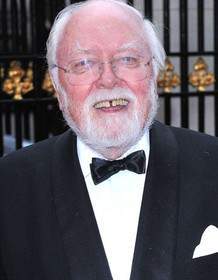
Richard Attenborough
Made by

Hubris Productions
The Third Secret Plot Summary
Read the complete plot summary and ending explained for The Third Secret (1964). From turning points to emotional moments, uncover what really happened and why it matters.
Prominent London psychoanalyst Dr. Leo Whitset, Peter Copley, is discovered wounded in his own home by his housekeeper. As he lies dying, he whispers:
blame no one but me
The coroner quickly rules the death a suicide, a verdict that is soon called into question by one of Whitset’s patients, Alex Stedman, Stephen Boyd, a successful American news commentator for British television who has been in therapy since the death of his wife and daughter. The doctor’s 14-year-old daughter Catherine Whitset, Pamela Franklin, is certain he was murdered and turns to Alex for help in preserving her father’s reputation by uncovering the truth.
Catherine supplies Alex with the names of three other patients who might hold the key to the mystery. Sir Frederick Belline, Jack Hawkins, is a respected judge; Alfred Price-Gorham, Richard Attenborough, runs a prestigious art gallery with his assistant Miss Ada Humphries, Judi Dench; and Anne Tanner, Diane Cilento, is a corporate secretary. As Alex digs into their backgrounds, he learns that each of them, like himself, harbors a secret known only to the murdered man.
In hopes of uncovering more clues, Alex travels to Whitset’s country home to pore over his files. There he discovers that Catherine was under her father’s care, and when he confronts her, she admits she killed the doctor after he threatened to send her to an institution to be treated for paranoid schizophrenia. In a tense moment, Catherine reenacts the crime and stabs Alex, leaving him wounded but alive.
She is then confined to a psychiatric hospital, where Alex, now on the mend, visits and promises to stay in touch. The doctor’s hidden truth—and the fear surrounding his daughter’s illness—comes into focus: the seriousness of Catherine’s condition had, in Whitset’s view, driven him to delay admitting her to a mental institution.
The Third Secret Timeline
Follow the complete movie timeline of The Third Secret (1964) with every major event in chronological order. Great for understanding complex plots and story progression.
Whitset's death and whispered accusation
The housekeeper discovers Dr. Whitset injured in his home and calls for help. He dies from a gunshot wound, and his whispered words, 'blame no one but me,' hang in the air. The sudden death leaves the investigation open to doubt about whether it was suicide or murder.
Coroner rules suicide, but doubts arise
Based on Whitset's dying words, the coroner rules the death a suicide. The verdict is questioned by those who knew the doctor, including his daughter Catherine. She believes there is more to the story and begins seeking someone to help uncover the truth.
Catherine seeks help from Alex Stedman
Catherine seeks help from Alex Stedman, a British-based American news commentator who has been in therapy since his wife and daughter's deaths. She believes his outsider perspective can uncover Whitset's killer and protect her father's reputation. He agrees to consider the case and listen to her story.
Names of three patients revealed
Catherine provides Alex with the names of three patients he should investigate: Sir Frederick Belline, Alfred Price-Gorham, and Anne Tanner. She explains that each person had a secret Whitset knew, secrets he never disclosed. Alex senses a pattern that might connect Whitset's world to his death.
Alex begins investigating the patients
Alex begins digging into the backgrounds of Belline, Price-Gorham, and Tanner to uncover the truths Whitset may have known. Each patient presents a respectable facade, while privately guarding a personal truth. The doctor’s hidden associations with them become a possible thread in the mystery.
The secrets Whitset knew
As the investigation deepens, Alex sees that each patient harbors a secret Whitset could have exposed or used against them. The clues begin to form a web linking the doctor’s practice, his patients, and Catherine. The pursuit tightens around the possibility that Whitset's death was more sinister than a simple suicide.
Trip to the country home and files
Alex travels to Whitset's country home to search his files and notes for missing pieces. There he learns that Catherine was under her father's care, establishing a direct connection to the case. The discovery shifts the focus from the other patients to the doctor-daughter dynamic.
Catherine's confession
Confronted with Whitset's looming threat to institutionalize her, Catherine admits she killed him. The admission explains her fear and the motive for acting in what she believed was self-preservation. The confession reframes the entire investigation.
Re-enactment turns violent
During a re-enactment of the crime, Catherine stabs Alex, exposing the volatility and danger surrounding the case. The moment forces a brutal reminder of the personal stakes involved for everyone connected to Whitset. Alex survives but is left with a new set of questions.
Confinement and a cautious reconciliation
Catherine is confined to a psychiatric hospital for treatment. Alex, now recovered from his injuries, visits her and promises to stay in touch. The future of Whitset's legacy remains unsettled, but a fragile line of communication is restored.
The doctor’s hidden truth
The doctor had hidden the seriousness of Catherine's illness from himself, a secret that explains why he delayed committing her to a mental institution. This realization reframes Whitset's choices and the fragile balance of truth and reputation that governed his life. The revelation adds depth to the motive behind the case and Catherine's drastic actions.
The Third Secret Characters
Explore all characters from The Third Secret (1964). Get detailed profiles with their roles, arcs, and key relationships explained.
Dr. Leo Whitset (Peter Copley)
Prominent London psychoanalyst whose death triggers a murder investigation. He maintained a troubling secret about his 14-year-old daughter Catherine, which shapes the events after his death. His death is ruled a suicide, but the possibility of murder is explored by Alex and Catherine. His private life and professional authority intersect in a web of secrets that characters try to uncover to preserve reputations.
Catherine Whitset
14-year-old Catherine is determined to prove her father's death was not a suicide but a murder. She enlists Alex Stedman, hoping to uncover the truth and protect her father's reputation. She ultimately confesses to killing him when he threatens to send her to a mental institution for paranoid schizophrenia. Her actions reveal a desperate defense of family and a struggle with mental health stigma.
Alex Stedman
An American TV commentator living in Britain who has been in therapy since the death of his wife and daughter. He investigates Dr Whitset's death after Catherine seeks help, uncovering layers of secrets held by Whitset's circle. His persistence drives the investigation forward, even as he faces personal danger. The pursuit of truth tests his own beliefs about trust and disclosure.
Sir Frederick Belline
A respected judge whose life becomes entangled with the secrets surrounding Whitset and his patients. He embodies the intersection of law, reputation, and hidden motives within London's upper strata. His decisions influence how the mystery unfolds and how truth is perceived by society.
Miss Ada Humphries
The assistant at Alfred Price-Gorham's prestigious art gallery, part of the social circle that contains and guards delicate secrets. She navigates the gallery world while keeping her own affiliations and loyalties hidden from public view. Her position gives her access to information that can affect reputations.
Alfred Price-Gorham
Owner of a prestigious art gallery who operates within London's high society. He and his circle trade in appearances and reputations, using their influence to shield hidden truths. The gallery setting serves as a backdrop for social maneuvering that mirrors the film's themes of secrecy and accountability.
Anne Tanner
A corporate secretary and one of the four patients named by Catherine, she harbors a secret known to the doctor. Her connection to Whitset highlights how multiple lives intersect with the physician’s hidden past. Her presence in the inquiry underscores the theme that many people carry concealed histories.
The Third Secret Settings
Learn where and when The Third Secret (1964) takes place. Explore the film’s settings, era, and how they shape the narrative.
Time period
1960s
Set in 1960s Britain, the era features postwar modernization, the rise of television as a mass medium, and evolving attitudes toward mental health. The plot blends legal, medical, and media worlds in a society preoccupied with reputation. The contrast between city life and a countryside estate underscores the tension between public appearances and private secrets.
Location
London, United Kingdom, Doctor's country home, Psychiatric hospital
The drama unfolds across urban London settings and a secluded country residence. It moves between a professional medical milieu and the doctor's private home where files and secrets reside. The psychiatric hospital setting is invoked as Catherine is confined there, highlighting the film's focus on mental health and containment.
The Third Secret Themes
Discover the main themes in The Third Secret (1964). Analyze the deeper meanings, emotional layers, and social commentary behind the film.
🗝️
Secrets
The plot centers on hidden facts kept by powerful figures: a doctor’s private knowledge about his daughter, and the attempts by Catherine and others to control how those truths surface. The chase for truth pits personal loyalty against the desire to preserve reputations. The suicide/murder ambiguity drives the narrative, revealing that secrets can shape entire lives.
🧠
Mental Health
The story places mental illness at the heart of its motive, showing the consequences of delaying treatment for Catherine and the stigma surrounding institutions. The doctor’s concealment of his daughter’s condition highlights how fear of institutions can influence professional ethics. The resolution centers on the costs of denying mental health needs in a family and a society.
🕵️
Truth & Reputation in Media
Alex Stedman’s investigation exposes how public perception and media narratives can mask real causes and motives. The case tests the reliability of testimony, the judge’s authority, and the media’s role in shaping outcomes. The film suggests that truth is messy, often entangled with personal vendettas and social status.

Coming soon on iOS and Android
The Plot Explained Mobile App
From blockbusters to hidden gems — dive into movie stories anytime, anywhere. Save your favorites, discover plots faster, and never miss a twist again.
Sign up to be the first to know when we launch. Your email stays private — always.
Explore the mobile appThe Third Secret Spoiler-Free Summary
Discover the spoiler-free summary of The Third Secret (1964). Get a concise overview without any spoilers.
In the refined professional circles of London, a sudden death sends ripples through the community of psychoanalysts and their patients. Dr. Leo Whitset, a prominent psychologist, is found mortally wounded in his own home, his final words a cryptic admission that seems to close the case. But the official verdict of suicide sits uneasily with those who knew him best, particularly his teenage daughter Catherine Whitset, whose certainty that her father was murdered puts her at odds with both medical and legal authorities.
Catherine’s determination to clear her father’s name leads her to seek help from an unlikely source: Alex Stedman, a successful American news commentator and former patient of the deceased. Still grieving the loss of his own family, Alex brings both emotional wounds and professional instincts to a mystery that grows more complex with each revelation. Together, they begin tracing the threads of Dr. Whitset’s professional life, aware that the answers they seek may be buried in the confidential struggles of those who trusted him.
As Alex delves deeper, he encounters a circle of patients whose secrets were entrusted to the dead man. Sir Frederick Belline, a respected judge; Alfred Price-Gorham, who operates a prestigious art gallery; and Anne Tanner, a corporate secretary — each carries burdens known only to their therapist. The investigation reveals that these individuals, like Alex himself, harbored private truths that Dr. Whitset guarded in strict confidence.
The film builds an atmosphere of psychological tension, where professional ethics collide with personal desperation and the line between sanity and instability blurs. Every conversation peels back another layer of carefully maintained facades, and the deeper Alex probes, the more he realizes that some secrets are protected at any cost. What begins as a quest for justice becomes a meditation on the weight of hidden truths — and the dangerous consequences when those truths threaten to surface.
Movies with Similar Twists and Themes
Uncover films that echo the narrative beats, emotional arcs, or dramatic twists of the one you're exploring. These recommendations are handpicked based on story depth, thematic resonance, and spoiler-worthy moments — perfect for fans who crave more of the same intrigue.
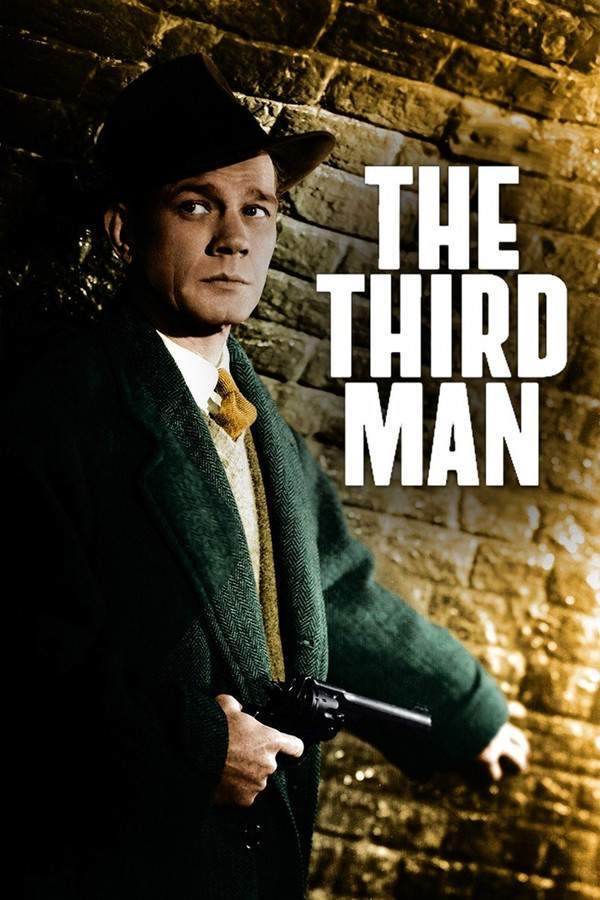
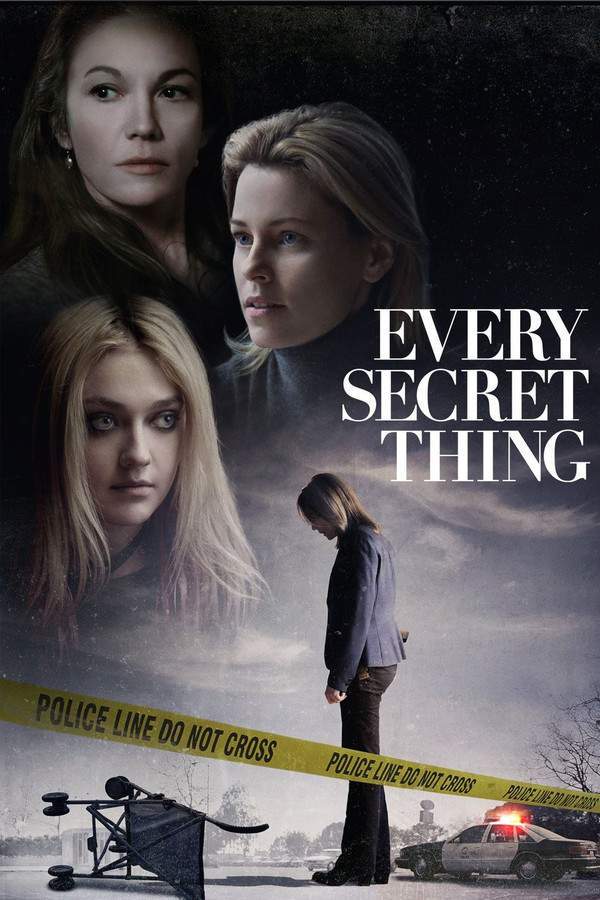


Featured on this page

What's After the Movie?
Not sure whether to stay after the credits? Find out!
Check out our other apps:

SAT Sphere
Build confidence for the Digital SAT.

Mori Atlas
Discover wild places worth protecting.

Luntero
Search smarter for a home in Amsterdam.

Plot Explained
Unravel movie endings and hidden clues.

Pokechamp
Dive into Pokémon data and battle logic.

Driving Theory
Get ready for your European theory test.

Movie Dust
Plan your next cinema trip with ease.

Musemap
Find art and culture as you travel.

Selkobase
Compare credentials before committing.

Local Manual
Turn an unfamiliar country into practical next steps.

Lernavi
Compare school systems before your next move.

GymRoam
Find a workout stop wherever your plans take you.
Explore Our Movie Platform
New Movie Releases (2026)
Famous Movie Actors
Top Film Production Studios
Movie Plot Summaries & Endings
Major Movie Awards & Winners
Best Concert Films & Music Documentaries
Movie Collections and Curated Lists
© 2026 What's After the Movie. All rights reserved.
Privacy Policy