
The Story of Menstruation 1946

Directed by
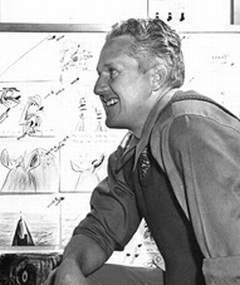
Jack Kinney
Made by

Walt Disney Productions
The Story of Menstruation Plot Summary
Read the complete plot summary and ending explained for The Story of Menstruation (1946). From turning points to emotional moments, uncover what really happened and why it matters.
The Story of Menstruation is a Disney educational short that uses animated diagrams to explain the menstrual cycle in a clear, visual way. The film presents a calm, instructional approach, guiding viewers through the topic with a steady narration and simple illustrations. The film’s narrator, who is not identified in the credits, informs the viewer that:
there is nothing strange or mysterious about menstruation
As the narration unfolds, the screen fills with scenes of women going about everyday activities—bathing, riding a horse, and dancing—during their menstrual cycles. The aim is to normalize the experience by depicting it as a natural part of life rather than something-secret or taboo. Throughout the presentation, the visuals are paired with practical commentary that touches on daily life and healthy routines.
The narration is delivered by Gloria Blondell, whose voice guides viewers from explanations of physiology to more practical tips. The film offers advice intended to ease common concerns, such as avoiding constipation and depression, and it also emphasizes maintaining a composed, outward appearance. This blend of instruction and reassurance reflects the era’s approach to female health education, mixing informative content with guidance on presentation and demeanor.
In the second half of the video, however, the tone shifts for some viewers. It has been perceived as condescending, with remarks about posture, the importance of wearing makeup, and the expectation that girls should be pleasant and agreeable even when they are in pain. This shift has led some modern viewers to view the latter portion as patronizing, despite the educational intent of the first half.
Historically, The Story of Menstruation is believed to be the first film to include the word “vagina” in its screenplay. Notably, sexuality is not mentioned, and the emphasis remains on sanitation and health. Disney historian Jim Korkis has suggested this framing portrays the topic as a hygienic crisis rather than a maturational event, focusing on public health rather than sexual development. The menstrual flow is depicted unusually as snow white rather than blood red, aligning with the film’s sanitary emphasis and its era’s visual conventions.
The film’s copyright was renewed by Walt Disney Productions on December 3, 1973, preserving its place in early educational cinema and its role in shaping conversations about menstruation in popular media.
The Story of Menstruation Timeline
Follow the complete movie timeline of The Story of Menstruation (1946) with every major event in chronological order. Great for understanding complex plots and story progression.
Opening explanation of menstruation
The film opens with animated diagrams of the menstrual cycle, introducing the topic in a clinical, explanatory tone. A narrator states plainly that there is nothing strange or mysterious about menstruation, setting a normalizing agenda for the audience.
Cycle phases depicted
The animation outlines the cycle's phases—menstruation, follicular growth, ovulation, and the luteal phase—through simple, color-coded visuals. It connects these phases to changes in the body but keeps the focus on sanitation and health rather than sexuality.
Unidentified narrator guides the viewer
The film uses a narrator who is not identified in the credits to present information and guide interpretation. This voice-over screens the viewer through the science behind the cycle and reinforces the educational aim.
Women engage in daily activities during menstruation
Across scenes, women bathe, ride a horse, and dance while menstruating, illustrating that everyday life continues during a cycle. The imagery emphasizes normalcy and adaptability, rather than pain or disruption.
Gloria Blondell provides practical advice
The narration by Gloria Blondell offers practical guidance to the audience, including tips to avoid constipation and depression. It also urges women to maintain a neat outward appearance as part of managing menstruation.
Reception of the second half
As the film progresses, the second half is perceived as condescending, with didactic remarks about posture and makeup. The tone suggests women should appear pleasant and composed even when experiencing discomfort.
Historical first: the word vagina
The film is noted for being the first to use the word 'vagina' in a screenplay. This moment marks a notable shift in the portrayal and language around reproductive health.
Sexuality not discussed; sanitation prioritized
Unlike later works, sexuality is not mentioned; the narrative emphasizes sanitation and hygienic framing of menstruation. The film positions menses as a health topic rather than a coming-of-age or erotic matter.
Flow depicted as snow white
The visual representation of menstrual flow is deliberately shown as snow white rather than red, aligning with the hygienic and clinical approach of the film. This choice reinforces the educational, non-sensational tone.
Educational purpose and audience
The film's combination of diagrams, narration, and practical tips frames menstruation as a teachable topic for a broad audience. It aims to demystify the subject and promote healthy habits and cleanliness.
Animators and production context
The piece uses animated diagrams to convey scientific information in a child-friendly but serious manner. The production context, tied to Disney's educational output, underscores its archival interest.
Copyright and modern status
The film's copyright was renewed by Walt Disney Productions on December 3, 1973, ensuring its continued availability in archives. This legal note sits alongside the film's historic treatment of menstruation in popular media.
The Story of Menstruation Characters
Explore all characters from The Story of Menstruation (1946). Get detailed profiles with their roles, arcs, and key relationships explained.
Narrator
The unseen narrator guides viewers through the cycle with clinical explanations and health guidance, framing menstruation as normal and manageable. She reinforces hygienic practices and outward appearance as part of daily routines.
The Story of Menstruation Settings
Learn where and when The Story of Menstruation (1946) takes place. Explore the film’s settings, era, and how they shape the narrative.
Location
Educational Film Setting
The Story of Menstruation unfolds as an animated educational short designed for instructional viewing. It presents the menstrual cycle through diagrams and scenes of everyday activities to normalize the topic in a classroom-like setting. The visuals establish a public-health learning space rather than a narrative-location.
The Story of Menstruation Themes
Discover the main themes in The Story of Menstruation (1946). Analyze the deeper meanings, emotional layers, and social commentary behind the film.
🧼
Hygiene
The film frames menstruation as a hygiene issue, emphasizing sanitation and cleanliness. It uses diagrams and everyday activities to normalize the topic and reduce stigma. The narration offers practical health tips, including managing mood and avoiding constipation as part of menstrual care.
📚
Education
As an animated educational short, the piece teaches audiences about the menstrual cycle through diagrammatic visuals and a narrator. It uses explicit terminology (such as the word vagina) to demystify female biology, while keeping sexuality out of the discussion and framing menstruation as public health education.
🎭
Gender Norms
The latter portion has been described as condescending, urging girls to maintain posture, makeup, and polite demeanor despite pain. This reflects era-era expectations on women to appear well, even when uncomfortable, highlighting how gender norms shape perceptions of menstruation.

Coming soon on iOS and Android
The Plot Explained Mobile App
From blockbusters to hidden gems — dive into movie stories anytime, anywhere. Save your favorites, discover plots faster, and never miss a twist again.
Sign up to be the first to know when we launch. Your email stays private — always.
Explore the mobile appThe Story of Menstruation Spoiler-Free Summary
Discover the spoiler-free summary of The Story of Menstruation (1946). Get a concise overview without any spoilers.
In the landscape of mid-20th-century educational cinema, The Story of Menstruation stands out as a straightforward and visually distinct entry. Produced by Walt Disney Productions, the film aims to demystify a natural biological process that was often shrouded in silence or taboo. Through the use of animated diagrams and clear, schematic illustrations, it invites viewers into a clinical yet approachable world where science meets everyday life, promising to shed light on a topic that many found difficult to discuss openly.
Guiding the audience through this instructional journey is the voice of Gloria Blondell, whose narration provides a steady and reassuring presence. Her voiceover bridges the gap between complex physiological explanations and practical daily routines, aiming to normalize the menstrual cycle by depicting women engaging in standard activities like bathing, riding horses, and dancing. The film relies heavily on these simple visuals to convey its message, framing the subject not as a mystery, but as a manageable aspect of health and hygiene that should not interrupt the flow of daily life.
While the primary focus remains on sanitation and the biological mechanics, the film also touches upon the social expectations of its time. It weaves in advice regarding demeanor, posture, and emotional well-being, reflecting a unique blend of medical fact and societal guidance. This approach creates a fascinating time capsule, capturing an era where health education was deeply intertwined with specific cultural attitudes about presentation, composure, and the expectations placed on young women.
Historically significant for its frank terminology—believed to be the first film to include the word “vagina” in its screenplay—the short offers a window into the past. It presents the topic with a specific visual language, famously depicting the process with a snow-white aesthetic rather than realistic colors. The result is an educational experience that serves as much as a lesson in history and changing social mores as it does in biology.
Featured on this page

What's After the Movie?
Not sure whether to stay after the credits? Find out!
Check out our other apps:

SAT Sphere
Build confidence for the Digital SAT.

Mori Atlas
Discover wild places worth protecting.

Luntero
Search smarter for a home in Amsterdam.

Plot Explained
Unravel movie endings and hidden clues.

Pokechamp
Dive into Pokémon data and battle logic.

Driving Theory
Get ready for your European theory test.

Movie Dust
Plan your next cinema trip with ease.

Musemap
Find art and culture as you travel.

Selkobase
Compare credentials before committing.

Local Manual
Turn an unfamiliar country into practical next steps.

Lernavi
Compare school systems before your next move.

GymRoam
Find a workout stop wherever your plans take you.
Explore Our Movie Platform
New Movie Releases (2026)
Famous Movie Actors
Top Film Production Studios
Movie Plot Summaries & Endings
Major Movie Awards & Winners
Best Concert Films & Music Documentaries
Movie Collections and Curated Lists
© 2026 What's After the Movie. All rights reserved.
Privacy Policy