
The Spirit of St. Louis 1957

Directed by
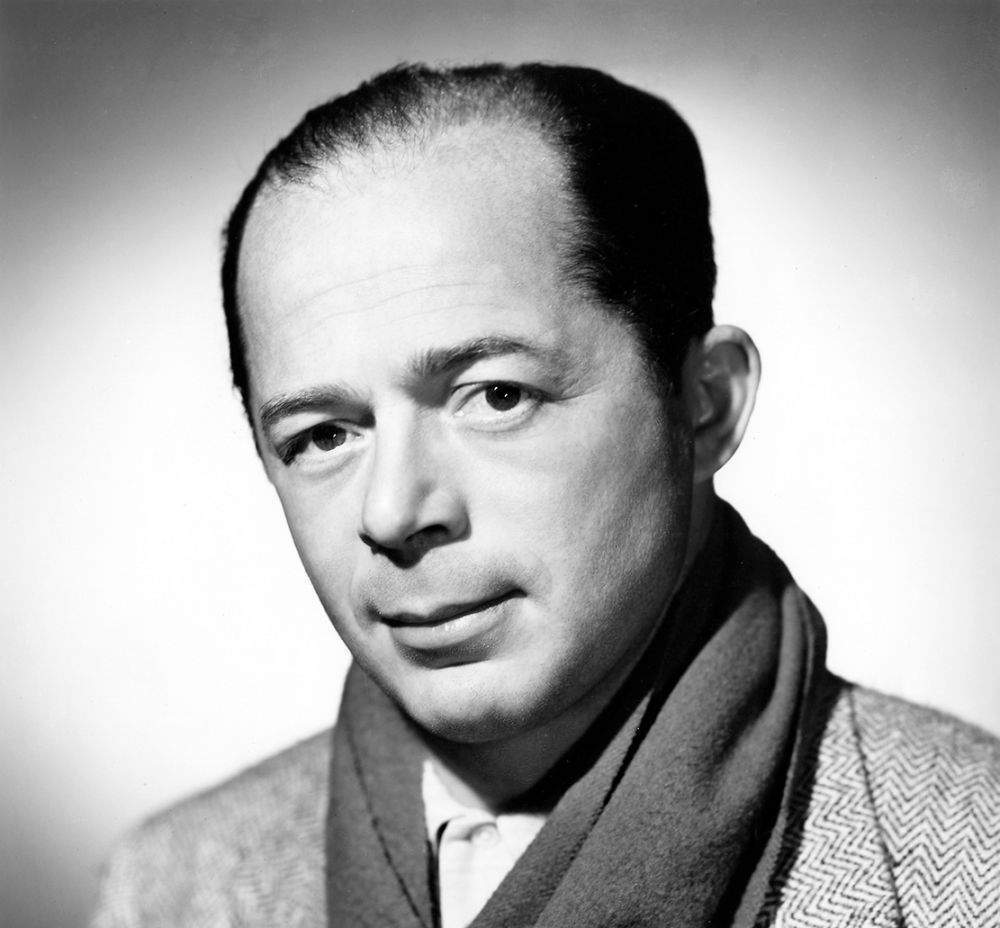
Billy Wilder
Made by

Warner Bros. Pictures
The Spirit of St. Louis Plot Summary
Read the complete plot summary and ending explained for The Spirit of St. Louis (1957). From turning points to emotional moments, uncover what really happened and why it matters.
Charles A. “Slim” Lindbergh eyes the clock on May 19, 1927, and the hum of Roosevelt Field above Long Island feels louder than the engines he has known. He sits in a hotel room waiting for the weather to clear, while reporters cluster below and his nerves keep him awake. The burden of history hovers over him, and the film invites us to see the man behind the myth as he quietly rehearses the long night ahead. The scene then folds back in time, inviting us to ride along with the pilot on a memory-laden journey that stretches from the midwestern skies to the bright lights of Paris, and back again to the cheering crowds of New York.
In a sweeping flashback, Lindbergh revisits his days as an airmail pilot and the perilous early tests that shaped his daring plan. He recalls landing a weary de Havilland biplane at a small airfield to refuel on the way to Chicago, only to confront a sudden snowstorm that closes the landing field. With fuel running low and danger pressing in, he must bail out and survive a treacherous storm before trudging by train toward the city. The memory deepens as he retrieves mail from the crashed aircraft and learns that two airmen have perished while pursuing the Orteig Prize—the prize that promises a nonstop flight from New York to Paris. The weight of that loss grounds his resolve and crystallizes his appetite for a monumental challenge.
A telephone call to Columbia Aircraft Corporation in New York becomes the first turning point in the plan. Lindbergh outlines a bold dream: to fly the Atlantic in forty hours in a stripped-down, single-engine airplane, without the weight of radios or extra gear. The backers listen and dub the venture Spirit of St. Louis, a name that carries the promise of innovation and perseverance. Yet Columbia insists on choosing the pilot, and the door to the big prize seems to close. Undeterred, Lindbergh presses onward and seeks new allies, moving next to Ryan Airlines in San Diego, where the company’s president Frank Mahoney steps into the tale. He promises to design and build a suitable plane in a tight, ninety-day window, a deadline that seems almost impossible to meet.
With Donald Hall as Ryan’s chief engineer, the design team begins work on a lean, ultralight monoplane. The goal is to minimize weight while maintaining reliability, a philosophy that demands drastic measures: no radio, no parachute, no heavy equipment—only the essentials needed to navigate by dead reckoning. The engineers and factory workers push around the clock, driven by the belief that speed and simplicity will trump excess. The schedule becomes a race against time, and in a tense moment Lindbergh learns that the clock has its own bite: the project wraps in sixty-two days, not the ninety originally planned. By the time the Spirit of St. Louis is ready, the rival attempt by Nungesser and Coli has already started and ended in tragedy, underscoring how close history often sits to catastrophe.
Before the flight, the plane is wheeled into position, and Lindbergh prepares for departure with meticulous care. He steps aboard The Spirit of St. Louis, a craft that defies expectations with its sparse cockpit and practical design. He arranges the fuel—450 gallons stored in careful balance—and braces himself for a six-hour test of nerves before the real voyage begins. A small moment highlights the human side of this machine: a young woman at the field offers her compact mirror to help him read the magnetic compass, a tiny act of assistance that glints against the gravity of the mission. In a final, almost secret, gesture, Mahoney slips a Saint Christopher medal into the bag of sandwiches for the flight, a superstition wrapped in good luck.
The takeoff is a gritty tableau of grit and grit again: the runway is muddy, power lines loom, and treetops threaten the early lift. Lindbergh powers into the air, watching the world shrink beneath him as he shifts fuel tanks every hour to keep the aircraft properly balanced. He has not slept in twenty-eight hours, and the fatigue threads through his thoughts as he recalls times spent dozing on railroad tracks or nestled in a windmill’s shadow. A tiny life intersects with a grand odyssey—the memory of a Harley-Davidson bike he once owned and traded for his first aircraft surfaces as he recalls the simple joys that now seem distant.
Across the Atlantic, the voyage grows heavier and more fragile with each passing hour. Ice forms on the wings, and the engine falters, forcing Lindbergh to improvise. He restarts the engine, and the aircraft steadies, though other instruments falter: the compasses misbehave, and he must navigate by the stars in a test of skill and nerve. As the hours stretch into the night, the pilot battles fatigue and the isolation of the endless sea. Dawn arrives with relief, only to thrust him into another challenge: the plane drifts toward an uncertain course, forcing him to draw strength from memory and determination.
The flight becomes a mosaic of small miracles and stark dangers. He notices a seagull in the distance and senses land approaching, even as he longs for a sign of safe passage. A motorcyclist below serves as a distant reminder of the road he left behind, and Lindbergh’s mind wanders to his own Harley and the world he left for the skies. After nearly twenty hours of crossing, the aircraft finds a rough balance, and land appears not as a distant certainty but as a tangible possibility. He follows the Seine toward Paris, tracing the river’s course into the heart of France as night falls and the lights of the city begin to glow.
Le Bourget Airfield comes into view, and Lindbergh’s approach is a blur of confusion and awe. Spotlights swirl overhead, and he becomes momentarily disoriented by the theater of a landing that feels like a dream made real. He gathers his courage and pilots toward the runway, whispering a stark, desperate prayer: “Oh, God, help me!” The Spirit of St. Louis touches down and comes to a halt, and the field erupts in a flurry of flash powder, cameras, and triumph. He is carried from the cockpit by the rapture of a crowd that numbers in the hundreds of thousands, a prelude to the even larger march that awaits him back in New York.
Back in New York, a ticker-tape parade unfolds as millions of spectators line the streets to greet the hero who has bridged continents with a single, fearless flight. The city bursts with relief, celebration, and a sense of national pride that seems to rise like steam from the pavement. The world has changed in a moment, and James Stewart embodies the quiet, unassuming courage that made the journey possible. The story of Lindbergh’s flight—its peril, its grace, and its near-miraculous practicality—remains a testament to human ingenuity, perseverance, and the power of a single, deliberate choice to reach beyond the horizon.
Frank Mahoney and Donald Hall appear as pivotal figures in this telling, their decisions shaping the course of a flight that would become a defining moment in aviation history. The narrative keeps a steady, respectful balance between the technical challenges and the emotional weight of a man who dared to trust his own judgment against the odds, inviting viewers to appreciate both the science and the soul of flight. The voyage is not simply a chronicle of a great achievement; it is a study in focus, restraint, and the quiet confidence that can carry a person—what some would call a legend—through the most improbable skies.
The Spirit of St. Louis Timeline
Follow the complete movie timeline of The Spirit of St. Louis (1957) with every major event in chronological order. Great for understanding complex plots and story progression.
Preflight tension before the flight
Lindbergh waits in a hotel near Roosevelt Field on Long Island, unable to sleep as reporters press outside. His friend Frank Mahoney stands guard at the door while he stares into the window, reflecting on his years as an airmail pilot. The looming transatlantic attempt casts a long shadow over the night.
Flashback: Chicago-bound flight and bailout
In a vivid flashback, Lindbergh lands his old DH-4 at a small Midwest airfield to refuel, and bad weather forces him to push on. He runs out of fuel and bails out in a storm, enduring a harrowing escape before continuing to Chicago by train. A suspender salesman later notes that two airmen died chasing the Orteig Prize.
Bellanca deal and the Spirit of St. Louis
From a diner at Lambert Field in St. Louis, Lindbergh calls Columbia Aircraft to pitch his transatlantic plan. Columbia quotes $15,000 for a Bellanca high-wing monoplane, and the backers in St. Louis dub the venture Spirit of St. Louis.
Ryan Airlines joins the plan
Lindbergh visits Ryan Airlines in San Diego, where Frank Mahoney promises to build a suitable monoplane in 90 days. With chief engineer Donald Hall, they design a stripped-down craft that omits a radio and a parachute to save weight, relying on dead reckoning for navigation. The team accepts a 62-day build deadline, even as competitors near the Orteig Prize loom.
Race against the clock and competitors
The Ryan team works around the clock and delivers the Spirit of St. Louis in 62 days. The Orteig Prize keeps other aviators in motion, including Nungesser and Coli who have begun their own attempt elsewhere, heightening the race to be first nonstop NYC to Paris.
Final flight prep and secret talisman
Before departure, the Spirit of St. Louis is readied for flight at Roosevelt Field, with a stop at Lambert Field to show it to investors. The plane carries 450 gallons of fuel, and the cramped cockpit forces the magnetic compass above Lindbergh’s head. Mahoney secretly slips a Saint Christopher medal into a bag of sandwiches aboard the plane.
Takeoff and the off-the-press headline
The Spirit of St. Louis tears down the muddy runway and barely clears power lines and trees. A newspaper proclaims 'Lindy Is Off!' as the flight begins toward the Atlantic. Lindbergh switches fuel tanks hourly to maintain balance while battling extreme exhaustion, having not slept for 28 hours by Cape Cod.
Mid-Atlantic endurance and navigational trials
Eighteen hours in, ice forms on the wings and engine, causing the plane to lose altitude until the ice breaks free in warmer air and the engine restarts. With compasses malfunctioning, Lindbergh must navigate by the stars and sun. A moment of salvation arrives when sunlight reflects off a compact mirror, waking him to regain control.
Near Ireland: Dingle Bay and the medal
A seabird sighting signals proximity to land, and Lindbergh spots land near Dingle Bay, Ireland. He discovers the hidden Saint Christopher medal on a paper bag and hangs it on the instrument panel for luck.
Channel crossing to Paris
He crosses the English Channel and follows the Seine into Paris as night falls. The final leg tightens as lights and crowds blur the runway, intensifying the sense of reaching the destination.
Le Bourget approach and landing anxiety
Lindbergh reaches Le Bourget Airport and is overwhelmed by spotlights and crowds, seeing movement below as the runway descends. He whispers 'Oh, God, help me!' as he fights to land in the dark. The Spirit of St. Louis lands safely, greeted by a swelling roar from the gathered spectators.
Arrival and crowds at Le Bourget
Exhausted, Lindbergh is rushed by cheering crowds as photographers flood the scene with flash powder. He is carried toward a hangar amid the throng, finally grasping the magnitude of his achievement as the crowd roars around him.
Ticker-tape parade in New York
Returning to New York City as a national hero, Lindbergh is honored with a colossal ticker-tape parade. Four million people line the parade route, celebrating the historic solo flight that captured the world’s imagination.
The Spirit of St. Louis Characters
Explore all characters from The Spirit of St. Louis (1957). Get detailed profiles with their roles, arcs, and key relationships explained.
Charles A. 'Slim' Lindbergh (James Stewart)
A fearless aviator driven to achieve the first nonstop transatlantic flight. He makes tough calls to minimize weight, navigates with limited instruments, and endures extreme fatigue while maintaining focus on the mission. His relentless drive and composure under pressure propel him from idea to triumph.
Benjamin Frank Mahoney (Bartlett Robinson)
Owner and president of Ryan Airlines, he backs the Spirit of St. Louis project and pushes the team to meet an accelerated schedule. He balances risk and opportunity, providing essential funding and political support to turn a dream into reality.
The Spirit of St. Louis Settings
Learn where and when The Spirit of St. Louis (1957) takes place. Explore the film’s settings, era, and how they shape the narrative.
Time period
1927
Set in May 1927, a time of rapid aviation advancement and national pride around air exploration. The Orteig Prize competition drives the stakes and media attention surrounding the flight. The narrative centers on the preparations, the cross-continental journey, and the dramatic arrival in Paris, marking a defining moment in 1920s aviation.
Location
New York (Long Island), Roosevelt Field, Chicago, San Diego, St. Louis, Le Bourget (Paris), Dingle Bay (Ireland), Atlantic Ocean, Cape Cod, Nova Scotia
The film travels through key aviation hubs that anchored Lindbergh’s journey, from New York’s Long Island area to the San Diego workshop where the Spirit of St. Louis is built. It showcases iconic airfields like Roosevelt Field, Lambert Field in St. Louis, and Le Bourget in Paris as pivotal stages of the flight. These places reflect the era’s budding aviation culture and the public’s growing fascination with breaking transatlantic barriers.
The Spirit of St. Louis Themes
Discover the main themes in The Spirit of St. Louis (1957). Analyze the deeper meanings, emotional layers, and social commentary behind the film.
✈️
Dream Pursuit
Driven by the dream of a solo transatlantic flight, Lindbergh pushes technical boundaries and personal risk. The plan to build a lightweight, no-frills monoplane demonstrates how ambition accelerates innovation under tight deadlines. The film frames invention as a mix of daring decisions and sacrifice.
🎖️
Heroic Reception
Public celebration follows the feat, with crowds in New York and Paris heralding the pilot as a national symbol. Media frenzy and ticker-tape parades transform a skilled aviator into a cultural icon. The film explores how heroism is shaped as much by spectacle as by technical prowess.
🧭
Endurance
Sleep deprivation, weather challenges, and navigation without modern aids test Lindbergh’s stamina. With no autopilot or radio, he relies on dead reckoning and the stars to stay on course. Endurance under pressure becomes as crucial as engineering skill to a successful crossing.

Coming soon on iOS and Android
The Plot Explained Mobile App
From blockbusters to hidden gems — dive into movie stories anytime, anywhere. Save your favorites, discover plots faster, and never miss a twist again.
Sign up to be the first to know when we launch. Your email stays private — always.
Explore the mobile appThe Spirit of St. Louis Spoiler-Free Summary
Discover the spoiler-free summary of The Spirit of St. Louis (1957). Get a concise overview without any spoilers.
In the roaring 1920s, an era pulsing with the promise of steel birds and boundless ambition, a modest airmail pilot becomes obsessed with a single, audacious idea: to prove that a lone aviator can span the Atlantic without the crutch of a crew. The world of early aviation is rendered with a blend of gritty realism and soaring optimism, where dusty airfields, cramped workshops, and the relentless buzz of journalists create a backdrop of both pressure and possibility. The film invites the audience into this vibrant, restless period, focusing on the intimate clash between daring imagination and the hard‑edge constraints of money and materials.
Charles Lindbergh steps into this landscape as a man of quiet determination, his confidence tempered by the weight of history and personal sacrifice. He is surrounded by a small cadre of believers—engineers and financiers who share his vision yet must wrestle with deadlines, technical limits, and the ever‑looming specter of failure. Among them, the pragmatic yet supportive Frank Mahoney offers a partnership that blends entrepreneurial spirit with engineering ingenuity, while the meticulous Donald Hall leads a team of craftsmen whose obsession with weight, balance, and simplicity becomes the crucible for a revolutionary aircraft.
The tone balances reverent awe for the pioneering spirit with an undercurrent of tension born from the relentless race against time and the unforgiving elements of early flight. Light touches of humanity—small gestures of encouragement, whispered prayers, and the quiet rituals of preparation—contrast with the stark technical challenges, creating a mood that feels both intimate and epic. As the project inches toward completion, the audience senses the mounting stakes: a nation’s pride, a historic prize, and a personal quest that could redefine what one man alone might achieve in the skies.
Movies with Similar Twists and Themes
Uncover films that echo the narrative beats, emotional arcs, or dramatic twists of the one you're exploring. These recommendations are handpicked based on story depth, thematic resonance, and spoiler-worthy moments — perfect for fans who crave more of the same intrigue.




Featured on this page

What's After the Movie?
Not sure whether to stay after the credits? Find out!
Check out our other apps:

SAT Sphere
Build confidence for the Digital SAT.

Mori Atlas
Discover wild places worth protecting.

Luntero
Search smarter for a home in Amsterdam.

Plot Explained
Unravel movie endings and hidden clues.

Pokechamp
Dive into Pokémon data and battle logic.

Driving Theory
Get ready for your European theory test.

Movie Dust
Plan your next cinema trip with ease.

Musemap
Find art and culture as you travel.

Selkobase
Compare credentials before committing.

Local Manual
Turn an unfamiliar country into practical next steps.

Lernavi
Compare school systems before your next move.

GymRoam
Find a workout stop wherever your plans take you.
Explore Our Movie Platform
New Movie Releases (2026)
Famous Movie Actors
Top Film Production Studios
Movie Plot Summaries & Endings
Major Movie Awards & Winners
Best Concert Films & Music Documentaries
Movie Collections and Curated Lists
© 2026 What's After the Movie. All rights reserved.
Privacy Policy