What Is The Right to Live About?
The premise of The Right to Live in 276 words, with nothing given away. The full story follows below.
In the refined social circles of London, Maurice Trent and Stella Trent begin their life together with promise and optimism. Their courtship, marked by an evening at the opera and a heartfelt proposal, seems to herald a future filled with shared experiences and growing affection. But fate rarely follows such tidy scripts, and the course of their marriage takes an unexpected turn when tragedy strikes.
A devastating plane accident leaves Maurice with catastrophic injuries, robbing him of the ability to walk and fundamentally altering the dynamic between husband and wife. Confined and struggling with the weight of his new reality, Maurice clings to hope that recovery might still be possible. In the meantime, he yearns for Stella to experience the vibrant nightlife and social pleasures he can no longer provide — a desire that sets in motion a complicated arrangement.
Enter Colin Trent, Maurice’s brother, arriving from his coffee plantation in Brazil. Maurice enlists Colin to serve as Stella’s escort through London’s evening entertainments, trusting his brother to provide the companionship and social engagement that he himself can no longer offer. What begins as a practical solution, however, gradually evolves into something far more complex, as proximity and shared experiences foster deepening emotions between Colin and Stella.
The film weaves together themes of duty, desire, and the fragile nature of human bonds when tested by circumstance. Against a backdrop of societal expectations and personal longing, each character must navigate the treacherous space between obligation and the heart. With its exploration of love in its many forms and the sacrifices it demands, the story builds toward emotional revelations that will forever change the lives of all involved.
What Happens in The Right to Live?
The complete story of The Right to Live, from the first scene to the last, in 222 words (about 1 minute). Spoilers throughout. Names in the text link to 5 cast member pages.
Spoilers ahead
Maurice Trent proposes marriage to Stella Trent after an evening at the opera. She accepts, but shortly after their wedding he is badly injured while flying a plane. He loses the use of his legs, and becomes deeply concerned that he can no longer be a proper husband to Stella. He clings to the hope that he will recover the ability to walk. When his brother Colin Trent arrives from the coffee plantation he owns in Brazil, Maurice enlists him to escort Stella Trent around the nightlife of London in the way he no longer can. Over the months that follow, [Colin Trent] and Stella develop a passionate love for each other, despite Stella’s guilt about her husband.
When he learns from his Dr. Harvester that he will never be able to walk again, Maurice is devastated. The same night Stella has resolved to run away with Colin to Brazil, but after an emotional talk with her husband she knows she can never leave him. The next morning Maurice is found dead by his nurse Miss Wayland, who has long nurtured a secret love for him. She accuses Stella of murdering him with an overdose of sleeping pills. It is left to Mrs. Trent to explain that he killed himself, realizing he could never recover, to free Stella to live her life.
The Right to Live Timeline: Every Key Event in Order
12 key events in the order they happen, from “Proposal after the opera; marriage.” to “Stella moves forward with Maurice's memory.”. 12 events name a place, across 8 locations.
- 1
Proposal after the opera; marriage.
Maurice proposes to Stella after an evening at the opera and she happily accepts. They marry soon after, beginning a life together. The union is quickly tested as Maurice faces a life-changing injury.
When:after the opera night, before the wedding Where:London (opera night)
- 2
Plane crash and paralysis.
Shortly after the wedding, Maurice is badly injured in a plane crash. He loses the use of his legs and clings to the hope of walking again. The accident reshapes their marriage and his sense of self.
When:shortly after the wedding Where:in flight / crash site
- 3
Maurice's fear of being a proper husband.
Maurice is tormented by doubts about whether he can still be a proper husband while bound to a wheelchair. He searches for rehabilitation and longs for regained independence. His fear strains his relationship with Stella.
When:weeks after the crash Where:London hospital
- 4
Colin returns; Stella gains a nightlife escort.
Colin arrives back from his Brazil plantation and is asked to escort Stella around London because Maurice cannot. The arrangement lets Stella live freely, but it also places her in closer proximity to Colin. Maurice endures the humiliation and pride-stung reality of the role reversal.
When:months after the crash Where:London
- 5
Stella and Colin's growing romance.
Over the following months, Stella and Colin develop a passionate connection. Stella grapples with guilt over her feelings for Colin while Maurice remains physically dependent and emotionally distant. The bond between Stella and Colin deepens despite the consequences.
When:months after the crash Where:London
- 6
Doctor's verdict: never walk again.
Medical prognosis confirms that Maurice will not walk again. The news devastates him and reshapes his expectations for the future. He faces an irrevocable change in his sense of identity and duty.
When:after medical evaluation Where:hospital
- 7
Stella's plan to run away; emotional talk.
Stella decides she might run away with Colin to Brazil in search of a new life. After an emotional conversation with Maurice, she realizes she can never leave him. The moment marks a turning point in their marriage.
When:that night Where:London
- 8
Maurice is found dead.
The next morning Maurice is found dead by his nurse Miss Wayland, who has long nurtured a secret love for him. The discovery shocks Stella and the household. The investigation of Maurice's death begins in earnest.
When:the morning after the night of the talk Where:Maurice's home
- 9
Nurse accuses Stella of murder.
Miss Wayland accuses Stella of murdering Maurice with an overdose of sleeping pills. Her sensational charge is tangled with jealousy and long-simmering resentments. The accusation adds a layer of tragedy to the morning-after tragedy.
When:soon after discovery Where:Maurice's home
- 10
Maurice's mother's explanation.
Maurice's mother explains that he killed himself to free Stella to live her life. The explanation reframes the death from murder to self-determined escape. Stella begins to process the revelation and its implications.
When:later Where:family home
- 11
Miss Wayland's jealousy revealed.
It is clarified that Miss Wayland harbored a secret love for Maurice, confirming her motive behind the accusation. The revelation adds a personal and painful dimension to the tragedy. Stella confronts the emotional consequences of the nurse's feelings.
When:after the accusation Where:nurse's confession / hospital
- 12
Stella moves forward with Maurice's memory.
With the truth laid bare, Stella faces a future free to live her life while honoring Maurice's memory. She accepts the changes in her life and continues forward, shaped by the events that tested and taught her resilience.
When:after the events Where:London
Who Are the Main Characters in The Right to Live?
13 characters, among them Maurice Trent – Colin Clive, Stella Trent – Josephine Hutchinson and Colin Trent – George Brent: who each one is and the part they play in the story. Every profile links to the actor’s page.
- MT
Maurice Trent – Colin Clive
Played by Colin Clive
Maurice is a once-proud husband who loses the use of his legs after a plane crash and clings to the hope of walking again. His sense of duty to Stella keeps him trying to maintain a facade of normalcy as despair grows. He ultimately sacrifices his own future to free Stella from an life of constraint.
- 💡 Love
- 💔 Sacrifice
- ST
Stella Trent – Josephine Hutchinson
Played by Josephine Hutchinson
Stella is Maurice’s wife, torn between loyalty to her ailing husband and a growing passion for Colin. She experiences guilt and social pressure as she contemplates her future. Her decisions illuminate the conflict between duty and personal happiness.
- 💖 Love
- 💔 Guilt
-
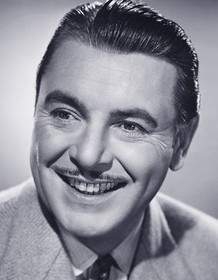
Colin Trent – George Brent
Played by George Brent
Colin is Maurice’s brother, returning from Brazil to help his sister-in-law navigate life after the accident. He becomes a confidant and romantic focus for Stella, creating a love triangle that tests family ties. His presence accelerates the emotional stakes of the plot.
- 💞 Romance
- 👨👩👧 Family
-
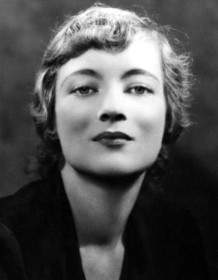
Nurse Weyland – Peggy Wood
Played by Peggy Wood
Nurse Weyland has long harbored unrequited love for Maurice, which fuels resentment toward Stella. Her jealousy leads to false accusations and adds a personal, volatile edge to the medical setting. She becomes a tragic foil to Stella, illustrating how care can be shadowed by possessiveness.
- 💔 Obsession
- 🏥 Caregiving
-
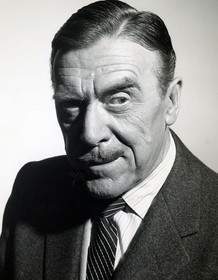
Dr. Harvester – Leo G. Carroll
Played by Leo G. Carroll
Dr. Harvester delivers the bleak prognosis that Maurice will never walk again, representing clinical detachment in the face of human suffering. His medical certainty contrasts with the emotional turbulence around Maurice and Stella. He serves as a reminder of the limits of science in matters of love and choice.
- 🩺 Medicine
- 🔎 Prognosis
- MP
Mrs. Pride – Nella Walker
Played by Nella Walker
Mrs. Pride appears as a member of the social circle surrounding the Trent family, reflecting the era’s expectations and proprieties. Her presence underscores the external pressures the couple faces. She embodies the reputational concerns that drive the plot’s moral consequences.
- 🗣️ Society
- 🏛️ Etiquette
- MP
Mr. Pride – Claude King
Played by Claude King
Mr. Pride shares the social expectations that influence decisions within the Trent circle. He represents the rigid codes of conduct that govern relationships and marriage. His interactions contribute to the atmosphere of public scrutiny the characters endure.
- 🗣️ Society
- 🕰️ Etiquette
- MT
Mrs. Trent – Henrietta Crosman
Played by Henrietta Crosman
Mrs. Trent is Maurice’s mother, a guiding, moral voice within the family. She ultimately explains Maurice’s act as a sacrifice to free Stella to live her life. Her role anchors the narrative’s emotional gravity and generational perspective.
- 👵 Family
- 🗝️ Wisdom
- J–
John – Chauffeur – John J. Richardson
Played by John J. Richardson
John serves as the Trent family’s chauffeur, providing a practical glimpse into daily life and the quiet order of their world. His presence anchors some scenes in the household and social functions. He represents the routine side of the characters’ lives amid personal turmoil.
- 🚗 Service
- 🕯️ Everyday
- AP
Alexander Pollard – Waiter – Alexander Pollard
Played by Alexander Pollard
Waiter Pollard is one of the service staff at social events, reflecting the film’s setting within upper-class circles. Though minor, his role helps establish the atmosphere of the era’s gatherings. He contributes to the sense of a tightly observed social world.
- 🍽️ Service
- 🕴️ Setting
- VO
Vesey O'Davoren – Waiter – Vesey O'Davoren
Played by Vesey O'Davoren
Waiter Vesey O'Davoren also works at social occasions, part of the backdrop that frames the central drama. His presence adds texture to the lived-in world of the Trent circle. He helps convey the film’s attention to detail in social rituals.
- 🍽️ Service
- 🧑🤝🧑 Social
- FH
Forrester Harvey – English Bobby
Played by Forrester Harvey
Forrester Harvey portrays an English Bobby who appears in scenes reflecting public order and protocol. His role situates the story within a recognizable London milieu. He embodies the institutional side of the world the characters inhabit.
- 👮 Public Order
- 🗺️ City Life
- JG
J. Gunnis Davis – Harvey – Gardener
Played by J. Gunnis Davis
Gardener Harvey, played by J. Gunnis Davis, adds texture to the Trent household’s grounds and domestic life. His small part helps build the environment in which the drama unfolds. He serves as a quiet reminder of the everyday world beyond the central romance.
- 🪴 Service
- 🏡 Domestic
Where and When Is The Right to Live Set?
The Right to Live is set in London and Brazil. Here is why the place matters to the story.
Where
London, Brazil
The story mostly unfolds within London’s social scene, where opera nights and high-society evenings shape the characters’ expectations. Brazil appears as a potential escape, linked to Colin's coffee plantation and a life away from metropolitan pressures. The film contrasts polished city life with intimate tragedy, all anchored in these two distinct locations.
- 🇬🇧 London setting
- 🇧🇷 Brazil setting
- 🎭 Drama
What Are the Themes of The Right to Live?
2 ideas the story keeps returning to, among them Duty and Jealousy.
-
01
Duty
Maurice’s sense of duty drives him to prize stability over personal happiness after his paralysis. The couple’s marriage becomes a battleground between public propriety and private desire. Stella grapples with guilt while navigating Colin’s growing relationship with her, all under the shadow of social expectations. The ending emphasizes sacrifice as a response to the pressures of obligation.
-
02
Jealousy
Nurse Weyland’s unrequited love for Maurice fuels a corrosive jealousy that poisons her judgment of Stella. Stella’s forbidden affection for Colin heightens the tension, complicating an already fragile relationship. Jealousy drives misunderstanding and accusations, culminating in a tragedy that reveals the darker side of desire. The film uses personal resentment to critique a society obsessed with appearances.
What Kind of Film Is The Right to Live?
Melancholic in tone, with steady pacing and a moderate story, going by the plot summary.
- Tone
- Melancholic
- Pacing
- Steady
- Story
- Moderate
- Intensity
- High
- Ending
- Bittersweet
A profound and sorrowful melodrama exploring the heavy moral dilemmas of a tragic love triangle, where self-sacrifice and romantic longing create a tense, emotionally draining atmosphere.
- melancholic
- tragic
- romantic tension
- tense
- sorrowful
- devoted
- marital strife
- infidelity
- disability
- self-sacrifice
Content notes: suicide, infidelity.