What Is The Red Pill About?
The premise of The Red Pill in 267 words, with nothing given away. The full story follows below.
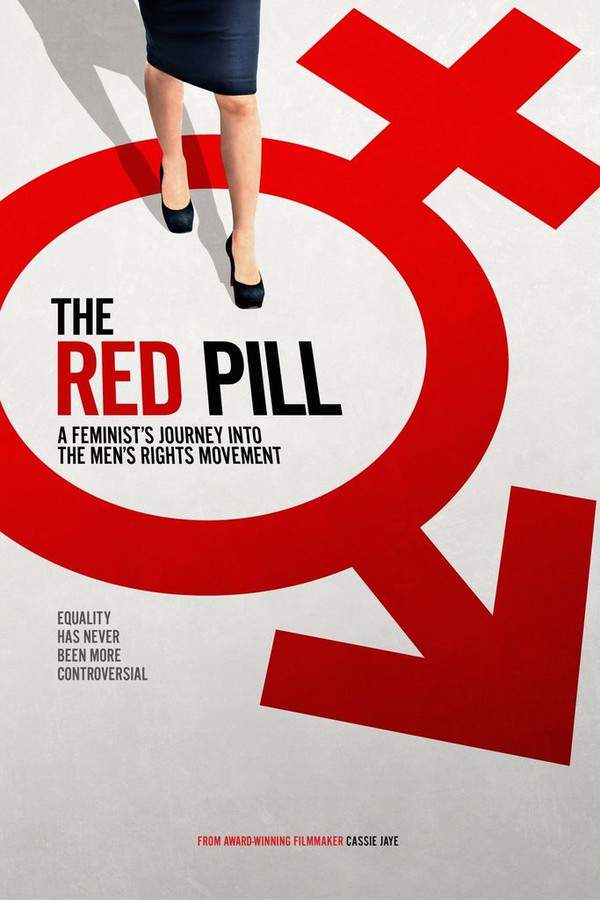
Filmmaker Cassie Jaye begins The Red Pill with a clear mission: to examine the men’s rights movement and expose what she sees as its misogynistic influence. Blending documentary inquiry with candid video diaries, she enters a provocative world where online rhetoric, personal testimony, and cultural anxiety collide. The title’s Matrix reference suggests a journey toward uncomfortable truths, but the film’s questioning, confrontational tone keeps that premise open to scrutiny rather than presenting it as settled fact.
Jaye speaks with a wide range of voices, including men’s rights advocates such as Paul Elam, Harry Crouch, and author Warren Farrell, as well as Erin Pizzey, who founded the first modern domestic violence shelter. Their perspectives are placed in conversation with critics of the movement, including sociologist Michael Kimmel and Ms. magazine executive editor Katherine Spillar. This creates an uneasy, intellectually charged atmosphere: each viewpoint challenges the assumptions held by the others, while Jaye’s own reflections make the investigation feel personal, vulnerable, and increasingly self-questioning.
As the documentary widens its focus, the movement’s rhetoric becomes only one part of a much larger examination of gender, privilege, and social power. The film considers issues affecting men and boys, including educational inequality, disparities in criminal sentencing, family and paternity law, underfunded men’s health research, workplace burdens, and gaps in support for male victims of sexual and domestic violence. Rather than offering a neat argument, The Red Pill maintains a mood of productive doubt. What begins as an attempt to dissect a perceived hate movement becomes a searching inquiry into competing experiences of injustice—and into the assumptions that shape Jaye’s understanding of equality.
What Happens in The Red Pill?
The complete story of The Red Pill, from the first scene to the last, in 232 words (about 1 minute). Spoilers throughout.
Spoilers ahead
The Red Pill explores the complex and often controversial world of the men’s rights movement. Borrowing the “red pill” metaphor from The Matrix, the film examines the idea of embracing uncomfortable truths regarding societal reality. The narrative follows Jaye, who begins her journey investigating what she initially perceives as a hate movement, but gradually shifts toward a more sympathetic perspective as she questions her own preconceived notions about gender, power, and privilege.
The documentary features a variety of perspectives, including interviews with key figures such as:
- Paul Elam, the founder of A Voice for Men.
- Harry Crouch, president of the National Coalition for Men.
- Warren Farrell, author of The Myth of Male Power.
- Erin Pizzey, who established the first modern domestic violence shelter.
To provide a balanced view, the film also includes insights from critics of the movement, including sociologist Michael Kimmel and Ms. magazine executive editor Katherine Spillar, complemented by personal excerpts from Jaye’s video diary.
The film delves into numerous systemic issues affecting men and boys, specifically highlighting male suicide rates, workplace fatalities, and the lack of services for male victims of rape and domestic violence. Other critical topics discussed include educational inequality, disparities in criminal sentencing, paternity fraud, and the disproportionately low funding for men’s health research. Through these discussions, the movie examines the broader societal tolerance of misandry and the various burdens placed upon men in modern society.
The Red Pill Timeline: Every Key Event in Order
15 key events in the order they happen, from “The 'Red Pill' Metaphor” to “Jaye's Transformation”.
- 1
The 'Red Pill' Metaphor
The film takes its title from The Matrix, the 1999 film in which taking the red pill means embracing an uncomfortable truth about reality. For men's rights activists, taking the red pill means accepting the belief that men are oppressed in a society dominated by women. This metaphor sets the conceptual framework for the entire documentary.
When:1999
- 2
Jaye Begins Her Investigation
Filmmaker Cassie Jaye sets out to investigate the men's rights movement, a community she initially believes to be a hate movement. Her early footage and questions reflect this skeptical starting point. The investigation becomes a personal journey that will challenge her assumptions about gender.
- 3
Meeting the Movement
The documentary features interviews with men's rights activists and other supporters of the movement. These conversations give voice to the grievances and beliefs that animate the 'red pill' community. The breadth of the interviews helps transform the film from an exposé into an open-minded inquiry.
- 4
Paul Elam of A Voice for Men
Jaye sits down with Paul Elam, founder of A Voice for Men, one of the most prominent men's rights platforms. Elam lays out his views on men's issues and explains why he believes society is dismissive of men's suffering. His interview offers a direct window into one of the movement's most visible voices.
- 5
Harry Crouch of the National Coalition for Men
Harry Crouch, president of the National Coalition for Men, shares his organization's perspective with Jaye. He speaks about the legal and social issues the coalition campaigns on for the benefit of men and boys. Crouch's interview grounds the film's discussion in organized grassroots activism.
- 6
Warren Farrell's Analysis
Warren Farrell, author of The Myth of Male Power, discusses his influential arguments about male disadvantage in society. He explains the ideas that have made him an intellectual cornerstone of the men's rights movement. Farrell's interview links the film's themes to decades of debate over gender and power.
- 7
Erin Pizzey on Domestic Violence
Jaye interviews Erin Pizzey, who started the first domestic violence shelter in the modern world. Pizzey recounts her pioneering experience serving victims of abuse and shares her views on male victimization. Her unique history adds authority to the film's examination of domestic violence.
- 8
Katherine Spillar's Feminist Critique
Katherine Spillar, executive editor of Ms. magazine, represents the feminist critique of the men's rights movement. She challenges the claims made by the activists interviewed in the film. Her interview ensures the documentary is not purely a one-sided presentation.
- 9
Michael Kimmel's Academic View
Sociologist Michael Kimmel offers an academic perspective on gender and masculinity. He responds to the movement's arguments with scholarly analysis and skepticism. Kimmel's inclusion provides the film with a counterweight from the academic world.
- 10
Suicide, Deadly Work, and Conscription
The film examines male suicide rates and workplace fatalities as urgent but under-discussed issues. It notes that men overwhelmingly hold high-risk jobs and face military conscription. These statistics are presented as evidence of a crisis that receives little public attention.
Show the other 5 events of The Red Pill Hide the last 5 events
- 11
Male Victims Without Support
A central concern of the documentary is the lack of services for male victims of domestic violence and rape. The film also points to men's higher rates of violent victimization. These findings challenge the assumption that victim support systems serve everyone equally.
- 12
Divorce, Custody, and the Courts
The documentary explores disputes surrounding divorce and child custody, where fathers often describe feeling disadvantaged. It also examines the disparity in criminal sentencing between men and women. These legal issues form a core pillar of the men's rights critique presented in the film.
- 13
Men's Health, Education, and the Body
The film highlights disproportionately low funding and research on men's health issues, alongside men's lower life expectancy. Educational inequality affecting boys is another concern raised. The documentary also covers routine circumcision, men's lack of reproductive rights, and the putative father burden.
- 14
Fraud, Allegations, and Homelessness
The film takes on contentious topics such as false rape allegations, paternity fraud, and sperm theft. Homelessness among men is presented as another visible symptom of the problems discussed. Together, these issues illustrate the wide range of grievances gathered under the men's rights banner.
- 15
Jaye's Transformation
Excerpts from Jaye's personal video diary are woven throughout the film, documenting her evolving thoughts in real time. The filmmaker who set out to investigate a hate movement finds herself questioning her own views on gender, power, and privilege. Her journey from skepticism to more sympathetic coverage becomes the documentary's core narrative.
Who Are the Main Characters in The Red Pill?
7 characters, among them Jaye, Paul Elam and Harry Crouch: who each one is and the part they play in the story.
- J
Jaye
Jaye is an investigative filmmaker who ventures into the men's rights movement with initial skepticism. As the narrative unfolds, she undergoes a transformation, questioning her earlier beliefs and expanding her understanding of the issues faced by men. Her personal journey is captured through her video diary, providing a raw insight into her evolving perspective.
- 🎥 Filmmaker
- 👩🔬 Investigator
- 🤔 Questioner
- PE
Paul Elam
Paul Elam is presented as a leading figure in the men's rights movement, using his platform to advocate for men's issues. As the founder of A Voice for Men, he is portrayed as a controversial yet passionate voice within the movement, provoking discussions around male struggles not commonly addressed in mainstream dialogue.
- 👨 Advocate
- 📢 Activist
- ⚖️ Controversial
- HC
Harry Crouch
Harry Crouch is the president of the National Coalition for Men and is featured as a significant contributor to the discourse on men's rights. His insights reflect the organizational side of the movement, emphasizing the need for awareness and advocacy for men's issues in society.
- 📊 Leader
- 🏛️ Advocate
- ❗ Awareness-raiser
- WF
Warren Farrell
Warren Farrell is an established author and expert who contributes his scholarly perspective on male power dynamics. His work, particularly 'The Myth of Male Power,' provides a foundational argument for understanding gender relations, making his insights crucial to the film's exploration of men's rights.
- 📚 Author
- 🧠 Intellectual
- 📖 Educator
- EP
Erin Pizzey
Erin Pizzey is a pioneer in addressing domestic violence and is highlighted for her role in creating the first modern shelter for abused women. Her experiences and insights bridge the conversation of domestic issues, presenting a nuanced view of gender violence and its implications.
- 🏘️ Activist
- 💪 Pioneer
- ⚖️ Advocate
- MK
Michael Kimmel
Michael Kimmel is a sociologist who offers a critical viewpoint on the men's rights movement. His contributions challenge the narratives presented by proponents of the movement, providing a balanced perspective that includes feminist critiques.
- 📊 Sociologist
- ⚖️ Critic
- 👩🎓 Educator
- KS
Katherine Spillar
Katherine Spillar serves as the executive editor of Ms. magazine and provides a feminist perspective on the discussions surrounding gender and power. Her insights help frame the societal implications of the film's central themes, adding depth and balance to the narrative.
- 📰 Editor
- 👩🏫 Advocate
- ⚖️ Feminist
What Are the Themes of The Red Pill?
2 ideas the story keeps returning to, among them Gender Dynamics and Social Critique.
-
01
Gender Dynamics
The film explores deep-rooted issues surrounding gender, power, and privilege. It scrutinizes traditional views and challenges societal norms, fostering a dialogue on the complexities of male identity in contemporary society. Through personal narratives and interviews, the documentary highlights the often-ignored struggles that men face.
-
02
Social Critique
The documentary takes a critical look at systemic issues such as male suicide rates and workplace dangers. It addresses educational inequalities and the lack of resources for male victims of violence, urging viewers to reconsider preconceived notions about men's experiences. The theme encourages societal reflection on the burdens men shoulder.
What Kind of Film Is The Red Pill?
Dark in tone, with steady pacing and a complex story, going by the plot summary.
- Tone
- Dark
- Pacing
- Steady
- Story
- Complex
- Intensity
- Medium
- Ending
- Ambiguous
A probing, somber documentary that moves from skepticism toward uneasy empathy, using personal reflection and competing viewpoints to examine gender politics and the burdens placed on men.
- reflective
- confrontational
- somber
- thought-provoking
- unsettling
- polarizing
- gender equality
- men's rights
- misogyny
- patriarchy
Content notes: suicide, sexual assault, domestic abuse, workplace fatalities, miscarriage.
Quiz
How well do you remember The Red Pill? Test yourself on the story.