

What Is The Queen of Spain About?
The premise of The Queen of Spain in 343 words, with nothing given away. The full story follows below.
In the glittering aftermath of a Hollywood career that has taken her across continents, Macarena Granada returns to her native Spain in the early 1950s to headline a sweeping historical epic about Queen Isabella I. The project, backed by an eager American studio, promises to merge the grandeur of a royal court with the dazzling spectacle of mid‑century cinema, positioning its star at the very crossroads of myth and modernity. As cameras roll against the backdrop of a country still defined by Franco’s austere rule, the film becomes more than a production—it is a tentative bridge between two worlds.
The setting is a paradox of splendor and restraint: opulent palaces and lavish costumes sit side by side with the watchful eyes of a regime that prizes order over imagination. Within this tense yet radiant atmosphere, the crew—led by the legendary director John Scott and featuring charismatic co‑star Gary Jones under the meticulous eye of producer Jordan Berman—must navigate the delicate dance of artistic ambition and political sensitivity. The tone constantly oscillates between witty, self‑aware comedy and a sincere, almost reverent drama, allowing the audience to feel both the absurdities and the gravitas of a nation caught in the spotlight.
For Macarena, the venture is a personal pilgrimage as much as a professional one. She carries the weight of her own past—a love once kindled in the rebellious heart of Spanish cinema—and now faces the challenge of reconciling that history with the expectations of international fame. Her dual identity as a celebrated Hollywood icon and a daughter of Spain fuels a quiet defiance, prompting her to question how much of herself she can reveal when the lenses are trained both on her performance and on the country’s image.
Amidst the choreography of ballrooms, the clang of swords, and the soft murmur of ancient courtiers, an undercurrent of intrigue lingers. The film set itself becomes a stage where personal loyalties, cultural pride, and the ever‑present whisper of political oversight intersect, promising a story that shines as much with humor as it does with thoughtful reflection.
What Happens in The Queen of Spain?
The complete story of The Queen of Spain, from the first scene to the last, in 264 words (about 1 minute). Spoilers throughout. Names in the text link to 5 cast member pages.
Spoilers ahead
Nearly twenty years after the events of The Girl of Your Dreams, the story follows Macarena Granada, now a high-profile Hollywood star in the 1950s. She returns to Francoist Spain to film a grand historical epic about Queen Isabella I, financed by an American studio. The production, led by the legendary director John Scott, with Gary Jones in the lead and Jordan Berman Jordan Berman steering the project, is pitched as a cinematic move to improve Spain’s image on the world stage.
Behind the glossy surface, the political strain is never far away. Blas, a Spanish film director who was Granada’s love interest in The Girl, is now imprisoned by Franco’s government for his past political activities. Determined to rescue him, Macarena teams up with the film crew to stage an elaborate jailbreak, using the production as cover for their operation.
During the filming of a ballroom scene at a royal palace, the plan unfolds — a carefully choreographed prison break that outwits the authorities and sets Blas free. The moment tests loyalty, romance, and nerve, as the on-set spectacle mirrors the real stakes off camera. Franco himself even visits the set, but Macarena refuses to bow to intimidation, choosing to stand by her past and her Spanish roots rather than surrender to fear.
In the end, the escape succeeds, Blas is freed, and Macarena completes the film. The story uses the glitter of Hollywood glamour to explore resilience, identity, and the murky politics of image-making under a dictatorship, leaving the audience with a quietly defiant sense of closure rather than a simple triumph.
The Queen of Spain Timeline: Every Key Event in Order
12 key events in the order they happen, from “Macarena returns to Francoist Spain to film a grand epic” to “Macarena's reconciliation and new chapter”. 12 events name a place, across 10 locations.
- 1
Macarena returns to Francoist Spain to film a grand epic
Hollywood star Macarena Granada travels back to Spain during the 1950s to shoot a big-budget historical epic about Queen Isabella I. The project is pitched as a way to boost Francoist Spain's international image. She confronts the tension between her glamorous career and the oppressive political climate she left behind.
When:1950s Where:Madrid, Spain
- 2
An American-backed production takes shape
The film is led by the 'legendary' director John Scott, with Gary Jones in the lead and Jordan Berman producing. The American studio funds the project, signaling a push to present a polished, heroic Spain to the world. Within the crew, ambitions clash with political sensitivities on set.
When:1950s Where:On location in Spain
- 3
Blas is imprisoned by the regime
Blas, Macarena's former love interest, is jailed by Franco's government for his past political activities. The imprisonment highlights the regime's intolerance for dissent and foreshadows the danger Macarena faces if she defies authorities. The rescue mission will test the loyalty of the entire film crew.
When:Pre-rescue, early 1950s Where:Spanish prison
- 4
A cinematic cover becomes a rescue plan
Macarena and the crew hatch an elaborate plan to break Blas out, using the Hollywood production as cover for the jailbreak. They strategize how a ballroom scene at a royal palace could mask a daring operation. The tension between art and politics drives the scheme.
When:Planning phase Where:Film set and prison, Spain
- 5
The ballroom scene becomes a jailbreak battleground
During the filming of a ballroom scene at a royal palace, the team stages the operation as part of the production. Disguises, timing, and misdirection help them outwit the guards and security. The sequence blurs the line between cinema and real danger.
When:During filming Where:Royal palace ballroom, Spain
- 6
Blas is freed from captivity
The jailbreak succeeds and Blas escapes from confinement, aided by Macarena and the crew. The moment confirms the plan's feasibility and tests the crew's nerve under real risk. The released man begins to process the implications of his freedom.
When:During the escape Where:Prison, Spain
- 7
Franco's shadow looms, but the set keeps moving
Franco visits the set, but Macarena refuses to bow to his threats. She asserts her independence, challenging the regime's direct interference in the film. The encounter intensifies the personal stakes for everyone involved.
When:After the jailbreak, during filming Where:Film set, Spain
- 8
Macarena reconnects with her past and roots
Liberated from fear, Macarena confronts her history and her Spanish homeland. The rescue experience rekindles her sense of belonging and responsibility to her roots. This inner reconciliation informs her performances and choices on set.
When:Post-rescue Where:On location in Spain
- 9
The production carries on with renewed resolve
With Blas free and Franco's pressure deflated, filming proceeds toward completion. The crew leverages the real-life event to deepen the epic's emotional resonance. Macarena's leadership solidifies as the production continues.
When:Late production Where:Royal palace studio and locations, Spain
- 10
The film reaches completion
The big-budget epic about Queen Isabella I is completed, with the project finishing its shoot amid the triumphs and tensions it exposed. Macarena's personal transformation is reflected in the way the project concludes. The undertaking leaves a mark on the cast and crew as they face the future.
When:End of production Where:On set, Spain
- 11
Film aims vs. political reality
While the production was designed to polish Francoist Spain's image, the events reveal how art intersects with politics. The rescue and defiance on set show that personal courage can subvert propaganda, even if the regime's grip remains.
When:During production Where:On set, Spain
- 12
Macarena's reconciliation and new chapter
The experiences on location culminate in Macarena reconciling with her past and embracing her Spanish roots. She completes the film with a sense of accomplishment and a more grounded identity. The story closes on a note of personal peace and artistic achievement.
When:End of story Where:Spain
Who Are the Main Characters in The Queen of Spain?
5 characters, among them Macarena Granada (Penélope Cruz), Blas (Spanish film director) and John Scott (Director): who each one is and the part they play in the story. 4 of them link to the actor’s page.
-
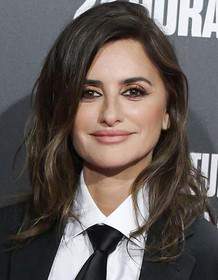
Macarena Granada (Penélope Cruz)
Played by Penélope Cruz
A successful Hollywood star who returns to Francoist Spain to shoot a grand historical epic. She orchestrates the prison break as a cover for rescuing Blas, balancing her glamorous career with a longing for homeland and past loyalties. Her resolve masks inner conflict between art, love, and national duty.
- 🎭 Ambition
- 🇪🇸 Heritage
- 🎬 Film-star
- B(
Blas (Spanish film director)
Former political activist imprisoned by the Franco regime for past activities. His fate becomes the mission that drives the film crew to devise a daring escape on set. He embodies the cost of resistance and the human impact of political repression.
- 🗝️ Idealism
- 🇪🇸 Political Identity
- 🕊️ Rebel
-
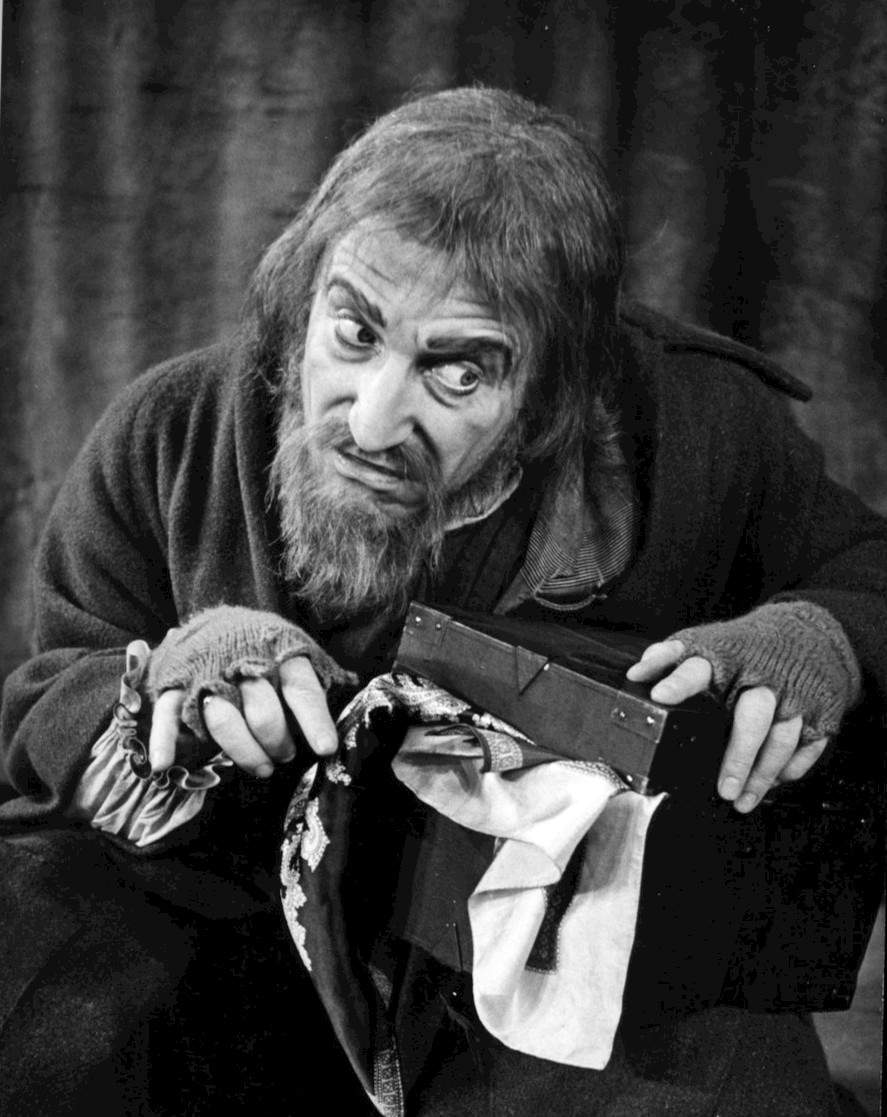
John Scott (Director)
Played by Clive Revill
The legendary director behind the epic, using the production as a tactical platform for image control. He navigates pressure from the American studio while the team plans the jailbreak on set. His involvement blurs lines between cinema and politics.
- 🎬 Director
- 🧠 Manipulation
-
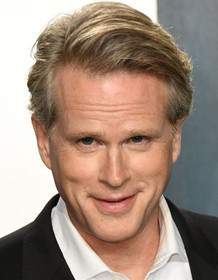
Gary Jones (Cary Elwes)
Played by Cary Elwes
A lead actor in the historical epic, whose presence helps shape the film’s grandeur. He becomes entangled in the crew’s mission as the production grows beyond its cinematic aims. His character adds a layer of Hollywood vanity to the political subplot.
- 🎭 Actor
- 💼 Star
- 🎬 Film industry
-
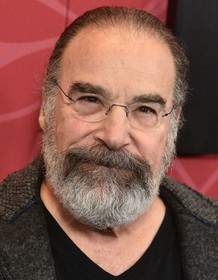
Jordan Berman (Mandy Patinkin)
Played by Mandy Patinkin
The producer who weaponizes the project to polish Francoist Spain’s image for international audiences. He champions efficiency and risk, driving the plan with a calculating mindset. His role highlights the commodification of culture for political ends.
- 💼 Producer
- 🎯 Image-control
Where and When Is The Queen of Spain Set?
The Queen of Spain is set in Hollywood, California, USA, Madrid, Spain, Royal Palace (Madrid) (1950s). Here is why the time and place matter to the story.
When
1950s
Set in the 1950s during Francoist Spain, a time of censorship and tightly controlled cultural life. The period's glamour and political repression collide on set as a Hollywood epic aims to reshape public perception. The film uses this juxtaposition to explore authenticity versus image.
Where
Hollywood, California, USA, Madrid, Spain, Royal Palace (Madrid)
Locations include Hollywood backlots and Spain, notably a ballroom sequence in a royal palace. The setting shows glamorous film-making as a cover for political intrigue. The era is the 1950s Franco regime, marked by censorship and state messaging.
- 🇪🇸 Historical Spain
- 🎬 Film-setting
- 🏰 Royal Palace (Madrid)
What Are the Themes of The Queen of Spain?
3 ideas the story keeps returning to, among them Propaganda Film, Freedom Fight and Identity Roots.
-
01
Propaganda Film
The behind-the-scenes production acts as a vehicle for Francoist Spain’s image management, showing how cinema can be used to gloss over political realities. The story uses a Hollywood epic to critique the distance between art and truth. It questions whether entertainment can truly alter public perception without consequence. The plot reveals the tension between artistic ambitions and political manipulation.
-
02
Freedom Fight
The jailbreak plan embedded in the production becomes a microcosm of resistance against censorship and oppression. Characters risk detention and worse as they navigate loyalty to country and personal ethics. The narrative treats freedom as both a personal emancipation and a political act. It suggests that even a glamorous film can become a stage for dissent.
-
03
Identity Roots
Macarena's return to her homeland forces a reconciliation of her American fame with Spanish roots. The film explores how identity can be shaped by both exile and homecoming. It highlights the pull between global stardom and national belonging, revealing a nuanced portrait of cultural loyalty. The story uses the Queen-of-Spain project as a mirror for personal and collective memory.
What Kind of Film Is The Queen of Spain?
Light in tone, with steady pacing and a straightforward story, going by the plot summary.
- Tone
- Light
- Pacing
- Steady
- Story
- Straightforward
- Intensity
- Medium
- Ending
- Happy
A whimsical and comedic adventure that blends Hollywood spectacle with a daring rescue mission, creating a hopeful and defiant atmosphere as a star reconnects with her roots.
- whimsical
- adventurous
- hopeful
- nostalgic
- defiant
- cinematic
- rescue mission
- film within a film
- political resistance
- hollywood
Content notes: political imprisonment.
Quiz
How well do you remember The Queen of Spain? Test yourself on the story.
