

What Is The Picture of Dorian Gray About?
The premise of The Picture of Dorian Gray in 282 words, with nothing given away. The full story follows below.
In a hyper‑connected world where every swipe and scroll shapes identity, fame burns bright yet flickers on a fragile screen. Social media platforms dominate the cultural landscape, turning personal image into currency and turning the pursuit of perpetual relevance into a silent, relentless pressure. The city pulses with glossy selfies, curated stories, and an ever‑watchful audience that rewards perfection while erasing the flaws of the ordinary.
Enter Dorian Gray, a strikingly handsome influencer whose effortless charm and flawless feed make him the envy of a generation hungry for the next viral moment. When Lord Henry Wotton, a charismatic provocateur, whispers a seductive philosophy that pleasure and beauty are the only truths worth chasing, Dorian becomes intoxicated by the promise of eternal youth. A single, desperate wish—tethered to an ancient Egyptian symbol of hidden power—sets the stage for a pact that could preserve his radiant image forever.
Basil Hallward, a gifted artist and close confidant, captures Dorian’s striking visage on canvas, creating a portrait that begins to serve as an uncanny mirror to the unseen side of his life. The painting, hidden away from the world’s gaze, hints at a growing internal dissonance, a darkness that thrives beneath the glossy veneer of his online persona. As Dorian’s influence expands, he navigates a glittering yet treacherous social sphere, where admiration can quickly morph into obsession.
The tone of the film is both seductive and unsettling, blending the sleek aesthetics of modern digital culture with a lingering, gothic undercurrent. It invites viewers to contemplate the cost of an immaculate reputation, the allure of endless admiration, and the quiet, creeping suspicion that some bargains—no matter how tempting—carry a price far beyond what the eye can see.
What Happens in The Picture of Dorian Gray?
The complete story of The Picture of Dorian Gray, from the first scene to the last, in 461 words (about 2 minutes). Spoilers throughout. Names in the text link to 4 cast member pages.
Spoilers ahead
Set against the lush backdrop of late Victorian London society, the story centers on Dorian Gray Fionn Whitehead, a striking young aristocrat whose life takes a perilous turn after he sits for a portrait by his friend Basil Hallward Russell Tovey. The charming yet sly Lord Henry Wotton Alfred Enoch plants a dangerous idea in Gray: that the most worthwhile existence is one devoted to pleasure, and that the gods give beauty and youth only to take them away in time. In a moment of superstition and longing, Gray wishes that the portrait itself would bear the stain of his sins while he remains untouched, a wish he makes in the presence of an Egyptian cat statue believed to possess magical powers.
After Gray abruptly ends his engagement to the tavern singer Sibyl Vane Emma McDonald, a chilling transformation begins. He discovers the portrait changing its expression and features, a grotesque mirror of his escalating decadence. Afraid of losing control over the secret, Gray hides the painting away in an old schoolroom, shuffling staff to keep its location concealed. Sibyl’s suicide delivers a brutal inflection point, hardening Gray’s heart and pushing him further into a life of vanity and cruelty.
As the years pass, Gray remains a flawless 40-year-old on the outside, while the portrait grows more monstrous with every misdeed. London society is captivated by his unaging appearance, yet the truth about the painting remains buried. When the once-young portrait is finally revealed to Basil Hallward, the toll of Gray’s sins erupts into violence: he murders Hallward and seals the body in the schoolroom beside the painting. To cover his tracks, Gray coerces his friend, Allen Campbell, into disposing of Hallward’s body. Campbell’s ensuing guilt leads him to take his own life, a grim consequence of the crime Gray has committed.
Gray’s life then takes a new turn as he begins a romance with Hallward’s niece, Gladys, while Sibyl Vane’s brother, James Vane, pursues him for vengeance, seeking to avenge Sibyl’s death. The pursuit culminates in tragedy when Vane is accidentally shot during a hunting party, a sobering reminder of the reach of Gray’s actions.
Paralyzed by remorse yet convinced he can spare others from his curse, Gray telegraphs an ending to his engagement with Gladys and returns to confront the portrait. A glimmer of improvement appears on the canvas, prompting a desperate act: he strikes the painting in the heart to end the spell, only to cry out as if he himself has been pierced. When Gray’s friends burst into the schoolroom, they find him dead beside the now-redeemed portrait. The demon-like image lingers on the canvas, while the portrait itself reverts to show Dorian Gray as a young, innocent man, free of the corruption that destroyed its subject.
The Picture of Dorian Gray Timeline: Every Key Event in Order
12 key events in the order they happen, from “Dorian Gray meets Lord Henry and begins a life of pleasure” to “Gray stabs the portrait and dies; the portrait returns to youth”. 12 events name a place, across 8 locations.
- 1
Dorian Gray meets Lord Henry and begins a life of pleasure
While posing for a portrait by Basil Hallward, Dorian Gray is introduced to Lord Henry Wotton. Wotton extols a life of pleasure and warns that the gods may take away what they give. The encounter plants in Gray the belief that youth and beauty could define his destiny.
When:Before the wish Where:Basil Hallward's studio
- 2
Gray wishes the portrait would age instead of him
Influenced by Wotton's philosophy, Gray wishes that the portrait bear the burden of aging. He makes this vow in the presence of the Egyptian cat statue, hinting at a magical power behind the change to come. The wish marks the turning point toward a supernatural bond with his image.
When:At the moment of the wish Where:Basil Hallward's studio
- 3
Gray ends his engagement to Sibyl Vane
Gray callously breaks off his engagement with the tavern singer Sibyl Vane. Her rejection reveals his growing cynicism and detachment from genuine emotion. He soon notices that the portrait has begun to change as a consequence of his vow.
When:Soon after the engagement is broken Where:London tavern
- 4
Sibyl Vane's suicide
Sibyl Vane, overwhelmed by Gray's rejection, kills herself. The tragedy underscores the harsh moral cost of Gray's pursuit of pleasure. The event further isolates him from those who cared for him.
When:Shortly after the breakup Where:London
- 5
Years pass; Gray remains youthful while the portrait darkens
Over the years, Dorian Gray stops aging while the portrait grows more grotesque with each sin. He hides the painting away in his old schoolroom and fires any servants who move it, preserving the secret. The room becomes a shrine to his moral decline.
When:Many years later Where:Gray's old schoolroom
- 6
Basil Hallward discovers the altered portrait and is murdered
Basil Hallward confronts the warped portrait and realizes the horror of Gray's life. In a fit of desperation, Gray murders Hallward and seals his body in the schoolroom beside the painting. He then coercively involves his friend Allen Campbell to dispose of the corpse.
When:After Hallward sees the portrait Where:Gray's schoolroom
- 7
Allen Campbell disposes of the body and is driven to suicide
Campbell complies with Gray's coercion to hide the murder, but guilt overwhelms him. Distraught by his role, Campbell commits suicide, illustrating the far-reaching consequences of Gray's pact with his portrait.
When:Shortly after Hallward's murder Where:Campbell's home
- 8
Gray begins a romance with Gladys
Gray starts a relationship with Hallward's niece, Gladys, drawing her into his circle. Her presence adds complexity to his already perilous life and tests his ability to keep his secrets intact. The romance heightens the tension between appearance and morality.
When:After Campbell's involvement Where:London
- 9
James Vane pursues Gray for Sibyl's death
James Vane, Sibyl's brother, tracks Gray to his country estate to seek revenge for Sibyl's death. He is shot by accident during a hunting party, thwarting his plan. The incident foreshadows the lethal consequences of Gray's unchecked self-indulgence.
When:Years after Sibyl's death Where:Gray's country estate
- 10
Gray tries to spare Gladys by breaking off their engagement
Gripped by fear of harming others, Gray decides to end his engagement with Gladys to spare her misfortune. He sends a letter breaking off the engagement, signaling a shift toward self-imposed isolation. The act further isolates him from those he might harm.
When:After the hunting incident Where:Gladys's home
- 11
Gray confronts the portrait and sees a subtle improvement
Back in the schoolroom, Gray faces the portrait and notes a faint improvement in its appearance. This glimpse of control fills him with a dangerous hope. He becomes increasingly determined to test the limits of the curse.
When:Just before the final act Where:Gray's schoolroom
- 12
Gray stabs the portrait and dies; the portrait returns to youth
In a final act of defiance, Gray drives a knife into the portrait, hoping to end the spell. He dies beside the ruined image, his body contorted by the sins it reflected. When the others rush in, the painting has returned to its original, youthful likeness.
When:Final confrontation Where:Gray's schoolroom
Who Are the Main Characters in The Picture of Dorian Gray?
6 characters, among them Dorian Gray (Fionn Whitehead), The Interviewer (Stephen Fry) and Lady Narborough (Joanna Lumley): who each one is and the part they play in the story. Every profile links to the actor’s page.
-

Dorian Gray (Fionn Whitehead)
Played by Fionn Whitehead
A handsome young aristocrat who seeks to escape aging by making a wish, only to discover that his portrait bears the burden of his sins. He embodies charm and brittle self-control, gradually becoming capable of callous manipulation as he pursues pleasure. His arc moves from innocent vanity to a troubling moral hollowness, with guilt and fear surfacing in crises of consequence.
- 💎 Vanity
- 🎭 Hedonism
- 🕯️ Mortality
- 🔪 Murder
-
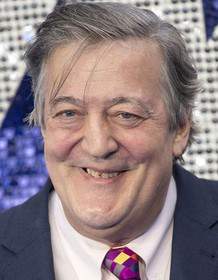
The Interviewer (Stephen Fry)
Played by Stephen Fry
A probing figure who frames and questions the prevailing philosophy around art, pleasure, and morality. He acts as a catalyst, prompting reflection on the price of unchecked desire. Through dialogue, he highlights the clash between surface charm and inner corruption.
- 🎭 Intellectual curiosity
- 🗨️ Dialogue
- 🧠 Philosophy
-

Lady Narborough (Joanna Lumley)
Played by Joanna Lumley
A member of London high society who embodies the social circles that celebrate Gray's beauty. She represents the external pressures of reputation and the entertainment of aesthetic excess. Her interactions underscore the performative nature of aristocratic life.
- 👑 Aristocracy
- 🧭 Social pressures
- 🗝️ Secrets
- BH
Basil Hallward (Russell Tovey)
Played by Russell Tovey
Gray's artist friend who becomes enthralled by his subject's beauty and warns of the ethical implications of absolute admiration. His faith in art's power to elevate is tested by the consequences of his creation. Hallward's murder marks a pivotal turn, illustrating how genius and vanity can collide fatally.
- 🎨 Artist
- 🕊️ Reverence
- 🗡️ Victim
- HW
Harry Wotton (Alfred Enoch)
Played by Alfred Enoch
A sharpshaded proponent of hedonistic philosophy who pushes Gray toward pursuing pleasure without restraint. He serves as a catalyst for Gray's dangerous transformation, embodying the seductive lure of a life free from duty. His influence demonstrates how ideas can corrupt actions and relationships.
- 🧠 Philosopher
- 💬 Influence
- 🗝️ Persuasion
- SV
Sibyl Vane (Emma McDonald)
Played by Emma McDonald
A tavern singer whose engagement to Gray ends tragically after he abandons her for his selfish pursuits. Her suicide becomes a turning point that exposes the fragility of innocence in the face of Gray's evolving recklessness. Sibyl's fate highlights the human cost of the protagonist's vanity.
- 🎶 Performer
- 💔 Heartbreak
- 🕯️ Tragedy
Where and When Is The Picture of Dorian Gray Set?
The Picture of Dorian Gray is set in London, Old Schoolroom, Country Estate and Tavern (Late 19th century (Victorian era)). Here is why the time and place matter to the story.
When
Late 19th century (Victorian era)
The story unfolds during a period of strict social codes and intense interest in art, pleasure, and reputation. High society salons and clubs define manners and judgment, while moral boundaries are tested by hedonistic philosophy. The aging of moral consequence contrasts with Gray's unchanging appearance, underscoring the era's preoccupation with youth and image.
Where
London, Old Schoolroom, Country Estate, Tavern
London serves as the glittering backdrop of high society where beauty and reputation dictate social power. The old schoolroom houses the portrait and becomes the secret chamber where Gray confronts the consequences of his choices. The country estate scenes provide isolation from the city, while the tavern moments reveal the vulnerabilities behind Gray's public charm.
- 🗺️ London
- 🏫 Schoolroom
- 🏰 Country estate
- 🍷 Tavern
What Are the Themes of The Picture of Dorian Gray?
3 ideas the story keeps returning to, among them Beauty & Decay, Art vs. Morality and Guilt & Consequences.
-
01
Beauty & Decay
Dorian Gray's unaging beauty becomes both a magnet and a trap, inviting admiration while masking deep moral rot. The urge to preserve youth at any cost drives him toward increasingly reckless choices. The painting physically embodies the consequences of a life lived for pleasure rather than conscience. The tension between appearance and inner life is the driving force of the narrative.
-
02
Art vs. Morality
The portrait acts as a mirror to Gray's soul, challenging the idea that art absolves wrongdoing. Basil Hallward's artistic reverence for beauty intersects with ethical questions about influence and responsibility. The story asks whether art can redeem a corrupt life or merely illuminate it. The line between creator and subject becomes dangerously blurred.
-
03
Guilt & Consequences
Gray's circles are wrecked by a cascade of tragedies: Sibyl Vane's ruin, Hallward's murder, and Campbell's suicide. The social world of London learns that indulgence has a price that extends far beyond the self. Each act of vanity or cruelty invites repercussions that ripple through friends and lovers. The narrative builds to a grim reminder that no one escapes the moral cost of their choices.
What Kind of Film Is The Picture of Dorian Gray?
Dark in tone, with steady pacing and a moderate story, going by the plot summary.
- Tone
- Dark
- Pacing
- Steady
- Story
- Moderate
- Intensity
- High
- Ending
- Sad
A dark and steadily paced adaptation that charts a man's soul-crushing descent into depravity, driven by a desperate pact for ageless beauty, creating a heavy, sinister, and morally bleak atmosphere.
- gothic
- decadent
- sinister
- oppressive
- melancholic
- desperate
- faustian bargain
- moral decay
- vanity and beauty
- portrait curse
Content notes: suicide, murder, psychological decay.
Quiz
How well do you remember The Picture of Dorian Gray? Test yourself on the story.
