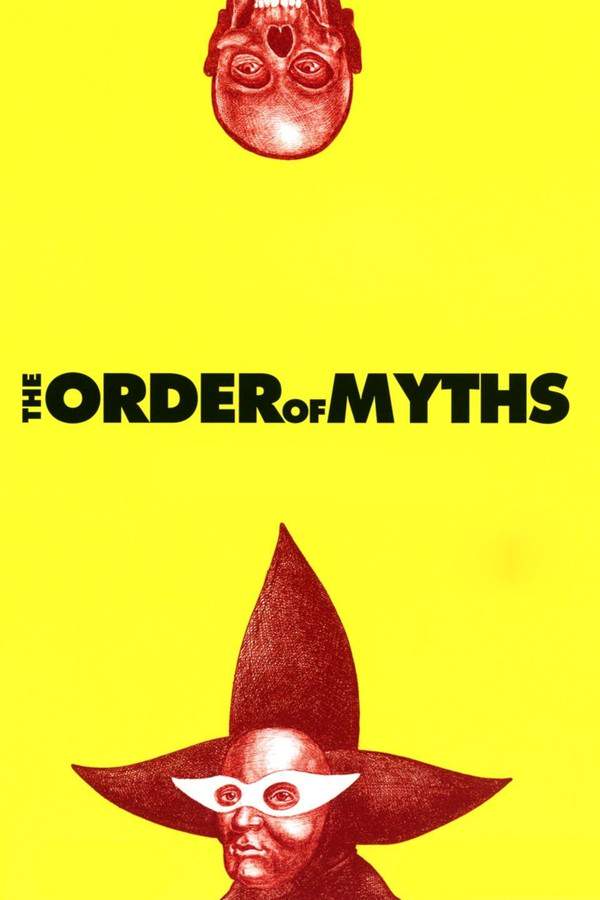
The Order of Myths 2008

Directed by

Margaret Brown
Made by

Cinema Guild
Where to Watch The Order of Myths
See current US streaming, rental, and purchase options for The Order of Myths (2008) via JustWatch.

Streaming availability powered by 
The Order of Myths Plot Summary
Read the complete plot summary and ending explained for The Order of Myths (2008). From turning points to emotional moments, uncover what really happened and why it matters.
This film effectively illustrates the evolution, or lack thereof, of Mardi Gras in Mobile, Alabama, the birthplace of the first U.S. celebrations back in 1703. It delves into the segregated societies, both black and white, which maintain their separation, ultimately leading to misconceptions among viewers. According to The Globe and Mail in Canada, it is described as:
“A study of community ritual, pomp and camaraderie, ‘The Order of Myths’ also gradually unveils the startling connections between the two communities, where the great-grandchildren of slaves and the great-grandchildren of slave owners still live highly segregated lives.”
However, this portrayal does not accurately reflect the reality of the city’s diverse populace. While it is true that most Mardi Gras groups are segregated by race, this is a choice made by each society rather than an imposition. The Freedom of Assembly is a core principle of our Constitution, granting both racial groups the right to decide their membership. Over the years, Mobile has enjoyed a diverse city and county government, currently represented by Sam Jones, a well-received black mayor who was elected overwhelmingly in the last election and is expected to do well in future contests.
The film captures the essence of the various parades and balls, depicting them as harmless revelrys, yet its focus on racial segregation inadvertently conjures images of forced segregation reminiscent of the Old South, complete with separate water fountains and relegated seats at the back of the bus.
The Order of Myths Timeline
Follow the complete movie timeline of The Order of Myths (2008) with every major event in chronological order. Great for understanding complex plots and story progression.
Birth of Mardi Gras
Mardi Gras in Mobile, Alabama dates back to 1703, making it the birthplace of the first U.S. celebrations. This historical beginning laid the foundation for a longstanding tradition that would evolve over centuries.
Segregated Societies
The film highlights the existence of segregated societies within Mardi Gras, where both black and white communities maintain their separation. This division is not enforced but rather a choice made by the societies themselves.
Community Rituals
The movie explores the community rituals, pomp, and camaraderie of Mardi Gras celebrations. It suggests that, despite the divisions, both communities share similar festive practices through their own respective parades and events.
Misconceptions Among Viewers
As the film portrays life's segregation, it inadvertently fosters misconceptions among viewers regarding the realities of Mobile's diverse populace. The reality is more complex than the film presents.
Freedom of Assembly
A core principle underscored in the film is the Freedom of Assembly. It emphasizes that the decision to segregate is a right entrenched in the Constitution, allowing different racial groups to choose their membership voluntarily.
Political Representation
Mobile's diverse city and county government reflects the changing social dynamics, currently led by Sam Jones, a well-received black mayor. His election highlights a significant shift toward representation and inclusivity in local governance.
Current Political Context
Sam Jones's overwhelming election victory signals a positive trend in Mobile's political landscape. The film hints that his administration is anticipated to continue thriving in future contests, showcasing the community's progressive change.
Festive Parades and Balls
The various parades and balls are captured vividly in the film, epitomizing the harmless revelry characteristic of Mardi Gras. They serve as a vibrant expression of the cultures involved, despite the underlying tensions of segregation.
Racial Segregation References
Although the portrayal of Mardi Gras focuses on celebration, it inadvertently conjures images of forced segregation reminiscent of the Old South. Such references evoke historical memories of societal divisions and discrimination.
Public Perception
The film’s exploration of Mardi Gras leads to a deeper reflection on public perception regarding racial dynamics. It draws attention to the community's need to confront misconceptions while celebrating their cultural heritage.
Great-Grandchildren's Legacy
The documentary reveals the stark reality that the great-grandchildren of slaves and slave owners still live highly segregated lives, reinforcing the historical legacy of division. This connection prompts viewers to consider the ongoing implications of their past.
Diverse Celebrations
Despite the segregated nature of the societies, Mobile continues to host diverse celebrations during Mardi Gras. The film emphasizes the richness of these festivities, showcasing how the cultural tapestry of the city is shaped by various influences.
The Order of Myths Characters
Explore all characters from The Order of Myths (2008). Get detailed profiles with their roles, arcs, and key relationships explained.
Sam Jones
Sam Jones is the elected mayor of Mobile, Alabama, and represents a progressive change in the city's political landscape. As a well-received black mayor, he symbolizes the strides toward inclusivity and diversity in governance. Jones is portrayed as a figure of hope and leadership within a historically divided community.
The Order of Myths Settings
Learn where and when The Order of Myths (2008) takes place. Explore the film’s settings, era, and how they shape the narrative.
Location
Mobile, Alabama
Mobile, Alabama, is known as the birthplace of the first U.S. Mardi Gras celebrations, dating back to 1703. The city has a rich cultural heritage and hosts vibrant festivities, including parades and balls that showcase its diverse population. However, it grapples with historical racial segregation, giving rise to distinct societal traditions.
The Order of Myths Themes
Discover the main themes in The Order of Myths (2008). Analyze the deeper meanings, emotional layers, and social commentary behind the film.
🤝
Community
The film explores the dynamics of community involvement in Mardi Gras, highlighting the rituals and camaraderie shared among participants. It emphasizes how these traditions are shaped by historical context and social choices, fostering a sense of belonging. The coexistence of segregated societies illustrates the complex nature of community in Mobile.
✊
Racial Segregation
Racial segregation is a prominent theme in 'The Order of Myths,' showcasing the voluntary separation of Mardi Gras societies by race. This choice reveals deep-rooted societal divisions that echo historical injustices. The documentary prompts reflection on the implications of these choices and their impact on community dynamics today.

Coming soon on iOS and Android
The Plot Explained Mobile App
From blockbusters to hidden gems — dive into movie stories anytime, anywhere. Save your favorites, discover plots faster, and never miss a twist again.
Sign up to be the first to know when we launch. Your email stays private — always.
Explore the mobile appThe Order of Myths Spoiler-Free Summary
Discover the spoiler-free summary of The Order of Myths (2008). Get a concise overview without any spoilers.
In the heart of the American South, Mobile, Alabama, cradles a Mardi Gras tradition that predates even New Orleans, its streets steeped in three centuries of music, color, and ritual. The city’s historic courts, riverfront mansions, and bustling downtown become a living tableau where jubilant parades, masked balls, and whispered folklore intertwine, painting a picture of a community that cherishes both its heritage and the pageantry that defines it. The film’s tone balances reverent celebration with a quiet, investigative curiosity, inviting viewers to feel the pulse of a festivity that has evolved yet clings stubbornly to its roots.
At the documentary’s center stands Margaret Brown, a filmmaker whose keen eye and measured commentary guide the audience through the layers of Mobile’s carnival. As she follows the glittering processions and behind‑the‑scenes preparations, her inquiries probe the stories of the people who keep the tradition alive, from the flamboyant floats to the solemn elders who recall the early days of the holiday. Her presence is both observer and participant, offering a steady narrative thread that grounds the visual splendor in thoughtful context.
The world the film reveals is one of striking contrast: opulent costumes and vibrant music sit beside a social landscape still marked by the legacies of the past. Two parallel celebratory societies—each with its own crowns, queens, and rituals—hint at deeper currents of identity and community choice, suggesting that the revelry is as much about belonging as it is about spectacle. The tone remains measured, allowing the audience to sense tension without overt dramatization, letting curiosity blossom as the camera lingers on whispered conversations and lingering glances.
Through elegant cinematography and subtle interviews, the documentary promises a compelling exploration of how a centuries‑old celebration continues to shape, and be shaped by, the lives of those who call Mobile home. The journey invites viewers to ponder the delicate balance between tradition and change, all while the music of Mardi Gras plays on in the background.
Featured on this page

What's After the Movie?
Not sure whether to stay after the credits? Find out!
Check out our other apps:

SAT Sphere
Build confidence for the Digital SAT.

Mori Atlas
Discover wild places worth protecting.

Luntero
Search smarter for a home in Amsterdam.

Plot Explained
Unravel movie endings and hidden clues.

Pokechamp
Dive into Pokémon data and battle logic.

Driving Theory
Get ready for your European theory test.

Movie Dust
Plan your next cinema trip with ease.

Musemap
Find art and culture as you travel.

Selkobase
Compare credentials before committing.

Local Manual
Turn an unfamiliar country into practical next steps.

Lernavi
Compare school systems before your next move.

GymRoam
Find a workout stop wherever your plans take you.
Explore Our Movie Platform
New Movie Releases (2026)
Famous Movie Actors
Top Film Production Studios
Movie Plot Summaries & Endings
Major Movie Awards & Winners
Best Concert Films & Music Documentaries
Movie Collections and Curated Lists
© 2026 What's After the Movie. All rights reserved.
Privacy Policy