
The Milky Way 1969

Directed by
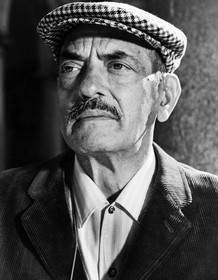
Luis Buñuel
Made by

Fraia Film
The Milky Way Plot Summary
Read the complete plot summary and ending explained for The Milky Way (1969). From turning points to emotional moments, uncover what really happened and why it matters.
Two French vagrants, Pierre Paul Frankeur and Jean Laurent Terzieff, set out from Paris to walk the traditional Way of St. James, aiming to reach Santiago de Compostela. Their trek begins along a roadside near Fontainebleau, where a caped clergyman tells them to sleep with a prostitute and to father children just as Hosea and Gomer did, a suggestion that lingers as a troubling theme throughout their journey. As they press on, the pair reach an inn where a police sergeant, a priest, and the cook debate the nature of the Eucharist and its transubstantiation, a discussion that spills over into the surreal when staff from a nearby mental hospital take away the priest.
That night they find shelter on a farm, while nearby a secret Priscillianist sect conducts a sexual rite, hinting at hidden doctrines and forbidden rites that weave through the travelers’ experiences. Their pilgrimage stalls between feast and famine: an expensive restaurant encounter becomes a meditation on faith, with the manager explaining the controversy surrounding Jesus’ divinity as discussed at the First Council of Nicaea. The journey then moves to a boarding school in Tours, where children perform for their families and teachers; a class recites heresies and proclaims them “anathema,” and one pilgrim somberly imagines anarchists executing the Pope, a vision that unsettles the travelers and tests their beliefs.
Near Bayonne, the trio attempts to hitch a ride; when a car refuses to stop, one of them curses it, only for a crash to claim the driver’s life. While examining the wreckage, they encounter a strange man—perhaps the Angel of Death or the Devil—who bestows one pilgrim with the dead man’s shoes, a small but chilling token on a journey already crowded with signs and portents. At a chapel along the route, they meet convulsionnaire nuns of the Jansenist tradition who nail one of their number to a cross, while a Jesuit and a Jansenist duel with swords, each side arguing about predestination and irresistible grace in a clash of faiths.
When the pilgrims finally reach Spain, they agree to look after a donkey for two men who later travel to an abbey to witness the desecration of a priest’s grave following the posthumous discovery of his writings about the Trinity. The two men declare that the Godhead is one person and manage to escape. In the forest, the two men swap clothes with two hunters swimming in a lake and even shoot at a rosary found in a pocket, a moment that heightens the sense of danger and religious mystery surrounding their voyage. That night, a vision of the Virgin Mary appears to the pair and returns the rosary, a miraculous interruption that deepens the sense of miracle and doubt.
Back at an inn, the trio recounts their recent visions to a local priest, who narrates another miracle in which the Virgin Mary takes on the form and duties of an errant nun for several years before returning to her convent, leaving the travelers to wonder about truth, faith, and divine interference. As they settle for the night, the discussion turns to the dogmas of the Immaculate Conception, the virgin birth, and the Assumption, a theological meditation that threads through every fevered moment of their pilgrimage.
On the outskirts of Santiago de Compostela, the two pilgrims encounter a prostitute who claims the city is empty of genuine pilgrims because the remains held there are those of Priscillian rather than St. James. She offers to become pregnant by them and recites the same names foretold by the caped man at the journey’s start, leading the trio into the woods to continue their intimate, uncertain quest. In a final, stark tableau nearby, two blind men encounter Jesus and his disciples; though Jesus heals their blindness, the men cannot fully understand what they see and persist in using their walking sticks, a quiet reminder of belief, sight, and the limits of faith on a road that never truly ends.
The Milky Way Timeline
Follow the complete movie timeline of The Milky Way (1969) with every major event in chronological order. Great for understanding complex plots and story progression.
Decision to walk to Santiago and the caped cleric's instructions
Pierre and Jean decide to undertake the pilgrimage on foot from Paris to Santiago de Compostela. Along a roadside near Fontainebleau, they meet a caped clergyman who instructs them to have relations with a prostitute as Hosea did and to bear children with her. The encounter foreshadows the film's satirical view of religious authority and its unpredictable moral tests.
Inn debate on Eucharist and the priest's removal
The pilgrims reach a roadside inn where a police sergeant, a priest, and a cook debate the nature of the Eucharist and transubstantiation. The discussion unsettles the travelers as staff from a nearby mental hospital take away the priest, suggesting a collapse between faith and madness. The scene underscores the fragility of religious authority in daily life.
Shelter on a farm and a secret Priscillianist rite
That night the pilgrims find shelter on a farm along their route. A secret Priscillianist sect nearby conducts a sexual rite, blending ritualism with taboo acts. The juxtaposition highlights the film's provocative treatment of religious extremism and desire.
Expensive restaurant and the Nicaea controversy
The trio unsuccessfully seek food at an expensive restaurant. The manager explains to his staff the controversy over the divinity of Jesus as debated during the First Council of Nicaea. The scene satirizes modern consumer culture clashing with ancient doctrinal disputes.
Boarding school in Tours and the heretical recital
In Tours, they visit a boarding school and watch the children perform for parents and teachers. A class of young girls recites heresies and proclaims them 'anathema', provoking one pilgrim to imagine anarchists executing the Pope. The scene blends innocence with radical thought and nightmare imagery.
Near Bayonne: car crash and the mysterious man
Near Bayonne the pilgrims hitch-hike and curse a car that does not stop, leading to a fatal crash that kills the driver. Investigating the wreckage, they encounter a strange man (perhaps the Angel of Death or the Devil) who gives one pilgrim the dead man's shoes. The moment intensifies the film's sense of fate and mortality.
Chapel confrontation: convulsionnaires and a sword duel
At a chapel along the way, a group of Jansenist convulsionnaire nuns nail one of their own to a cross. Outside, a Jesuit and a Jansenist duel with swords while arguing over predestination and irresistible grace. The scene satirizes doctrinal conflict within Catholic thought.
Abbas in Spain: grave desecration and escape
In Spain, two new men join the pilgrims and go to an abbey to watch the official desecration of a priest's grave after the posthumous discovery of his heretical writings about the Trinity. They declare that the Godhead is one person and then escape. This sequence amplifies the tension between orthodoxy and dissent.
Forest vision: switching clothes and the rosary
In a forest, the two men switch clothes with two hunters swimming in a lake and shoot at a rosary found in one of their pockets with the hunters' shotguns. Later, a vision of the Virgin Mary appears to the pair and returns the rosary. The sequence blends physical treasure hunting with miraculous spectacle.
Inn revelation: Mary, miracles, and dogma
The original pilgrims meet again at an inn, where they recount their recent miraculous vision to a local priest. The priest narrates another miracle in which the Virgin Mary took on the form and served as an errant nun for several years before returning to her convent. The discussion then turns to the dogmas of the Immaculate Conception, the virgin birth, and the Assumption.
Outskirts of Santiago: pregnancy pact and Priscillian names
On the outskirts of Santiago de Compostela, a prostitute claims the city is empty of pilgrims because the remains are of Priscillian rather than St. James. She wants to become pregnant by the three travelers and repeats the same names predicted by the caped man. They head into the woods to have sex.
Two blind men meet Jesus; healing and misunderstanding
Nearby, two blind men encounter Jesus and his disciples. Jesus heals their blindness, but they cannot understand what they see and continue to use their walking sticks. The film closes with this spiritual encounter unresolved, echoing the pilgrims' quest.
The Milky Way Characters
Explore all characters from The Milky Way (1969). Get detailed profiles with their roles, arcs, and key relationships explained.
Pierre
One of the two pilgrims, Pierre is pragmatic yet open to wonder. His journey exposes a hunger for meaning beyond routine life, and he wrestles with the clash between faith, doubt, and the world’s harsh truths. His responses mix skepticism with a quiet, evolving curiosity as events unfold along the Way.
Jean
The other pilgrim, Jean brings a more hopeful, idealistic perspective to the duo. He seeks transcendence through the pilgrimage and is susceptible to visions and religious rhetoric, which test his convictions. His openness makes him central to the film’s examination of belief and interpretation.
The Prostitute
A roaming figure encountered early on, she embodies temptation and provokes the pilgrims to confront their own desires and moral boundaries. Her presence challenges conventional virtue and complicates the moral landscape of their journey. She becomes a mirror for the pilgrims’ internal struggles.
Angel of Death
A mysterious figure who appears to one pilgrim and offers the dying man’s shoes, symbolizing fate and mortality. His presence adds a layer of existential gravity to the road trip, prompting reflection on life, risk, and the unpredictability of destiny.
The Bishop
A cloaked religious figure who embodies hierarchical authority and doctrinal rigidity. His presence during discussions about predestination and grace highlights the film’s critique of institutional power. He serves as a focal point for debates about who controls spiritual truth.
French Priest
A priest involved in the interwoven conversations about the Eucharist and church dogma. His dialogues reveal competing interpretations of Catholic ritual and belief, illustrating how pastoral care and doctrinal disputes intersect on the pilgrims’ path.
Virgin Mary
A vision of the Virgin Mary appears during the journey, adding a mystical layer to the pilgrims’ experiences. The apparition complicates conventional understanding of sanctity and mercy, inviting contemplation of grace and mercy beyond dogmatic boundaries.
Saint-Pierre / Apostle Peter
A biblical figure encountered in the narrative, symbolizing the church’s apostolic foundation and its continued influence on the pilgrims’ doubts and hopes. His presence frames the film’s exploration of early Christian authority and legacy.
Jesuit
A Jesuit character who participates in debates over predestination and grace, representing scholastic resistance to unexamined dogma. His exchanges with other figures underscore the tension between reason and faith.
Mother Superior
A religious figure encountered along the way who embodies maternal care and institutional discipline. Her presence adds a humane but regimented axis to the film’s meditation on faith and community.
The Milky Way Settings
Learn where and when The Milky Way (1969) takes place. Explore the film’s settings, era, and how they shape the narrative.
Time period
1960s
The events occur in a late 1960s European setting, a time of social questioning and religious debate. The pilgrims encounter institutional church figures and doctrinal discussions that mirror broader cultural shifts of the era. The mood blends contemporary existential inquiry with timeless themes of faith, making the journey feel both historical and immediate.
Location
Paris, Fontainebleau, Tours, Bayonne, Spain, Santiago de Compostela, Way of St. James
The journey unfolds from the outskirts of Paris near Fontainebleau through countryside inns, farms, and boarding schools, tracing the traditional Way of St. James toward Santiago de Compostela. It moves across France into Spain, with stops that include small towns, monasteries, and chapels, each serving as a backdrop for faith and doubt. The settings juxtapose sacred spaces with everyday life, highlighting how place shapes the pilgrims’ reflections and temptations.
The Milky Way Themes
Discover the main themes in The Milky Way (1969). Analyze the deeper meanings, emotional layers, and social commentary behind the film.
🕊️
Faith vs Doubt
The pilgrims confront official dogma and personal beliefs as they stumble upon debates about transubstantiation, the Immaculate Conception, and predestination. Faith is portrayed as a living, troubling question rather than a fixed certainty. Miracles and visions blur the line between belief and skepticism. The journey becomes a test of what one is willing to accept in the name of faith.
🧭
Pilgrimage & Meaning
The Way of St. James is treated as both literal travel and a spiritual expedition. The road exposes temptations, human frailty, and moments of grace, inviting the characters to seek purpose beyond mere destination. Encounters along the route intensify personal reckonings and redefine what a destination truly represents. The pilgrimage becomes an ongoing search for meaning rather than a final arrival.
🌪️
Authority & Dogma
The film juxtaposes religious hierarchy with lay doubt, featuring priests, a bishop, and inquisitive figures who argue about grace, mercy, and the nature of the Trinity. Doctrinal disputes collide with lived experience, revealing how institutional authority can clash with individual conscience. This tension questions whether dogma can sustain genuine spiritual insight. The result is a provocative meditation on power, tradition, and personal belief.
🌟
Miracles & Vision
Apparitions and miraculous moments appear alongside stark realities of violence and mortality. The Virgin Mary and other visions complicate the pilgrims’ understanding of truth, prompting reflection rather than confirmation. The film treats miracles as ambiguous, leaving interpretation to the viewer and highlighting how belief negotiates ambiguity. These visions drive character decisions and deepen the sense that reality itself may be contested.

Coming soon on iOS and Android
The Plot Explained Mobile App
From blockbusters to hidden gems — dive into movie stories anytime, anywhere. Save your favorites, discover plots faster, and never miss a twist again.
Sign up to be the first to know when we launch. Your email stays private — always.
Explore the mobile appThe Milky Way Spoiler-Free Summary
Discover the spoiler-free summary of The Milky Way (1969). Get a concise overview without any spoilers.
The film follows two French wanderers—Pierre and Jean—who abandon the comforts of urban life to walk the ancient Way of St. James, hoping to reach the legendary shrine of Santiago de Compostela. Neither fully embraces the role of pilgrim nor that of a vagabond; they drift between the two, carrying a mix of cynicism, yearning, and an oddly earnest curiosity about the road ahead. Their companionship is a fragile balance of camaraderie and rivalry, each probing the other’s motives while sharing the same restless desire to be transformed by the journey.
Set against the sweeping landscapes of France and Spain, the pilgrimage becomes a moving tapestry of improbable encounters. The road teems with an eclectic cast—devout clerics, skeptical locals, eccentric strangers, and fleeting figures whose motives remain as hazy as the mist that rolls over the hills. The world the film creates feels both grounded in the historic reality of the medieval route and tinged with a dream‑like unreality, where theological debate, whispered superstition, and sudden bursts of erotic tension can surface in the same breath.
The tone oscillates between darkly comic and quietly reverent, allowing moments of absurdity to sit beside profound questioning. As Pierre and Jean press onward, the scenery shifts from tranquil countryside to bustling inn‑yards, each locale offering a new prism through which they examine faith, desire, and the meaning of freedom. Their conversations—sometimes heated, sometimes contemplative—reveal underlying doubts and hidden hopes, suggesting that the true pilgrimage may be less about reaching a physical destination than about confronting the mysteries that linger within each traveler.
Through a blend of surreal imagery, lingering rituals, and a lingering sense of the uncanny, the film invites viewers to walk beside the two men, feeling the weight of each step and the pull of unseen forces that test their resolve. The road ahead remains an open question, promising that every encounter could reshape their understanding of belief, identity, and the ever‑present possibility of redemption.
Movies with Similar Twists and Themes
Uncover films that echo the narrative beats, emotional arcs, or dramatic twists of the one you're exploring. These recommendations are handpicked based on story depth, thematic resonance, and spoiler-worthy moments — perfect for fans who crave more of the same intrigue.


Featured on this page

What's After the Movie?
Not sure whether to stay after the credits? Find out!
Check out our other apps:

SAT Sphere
Build confidence for the Digital SAT.

Mori Atlas
Discover wild places worth protecting.

Luntero
Search smarter for a home in Amsterdam.

Plot Explained
Unravel movie endings and hidden clues.

Pokechamp
Dive into Pokémon data and battle logic.

Driving Theory
Get ready for your European theory test.

Movie Dust
Plan your next cinema trip with ease.

Musemap
Find art and culture as you travel.

Selkobase
Compare credentials before committing.

Local Manual
Turn an unfamiliar country into practical next steps.

Lernavi
Compare school systems before your next move.

GymRoam
Find a workout stop wherever your plans take you.
Explore Our Movie Platform
New Movie Releases (2026)
Famous Movie Actors
Top Film Production Studios
Movie Plot Summaries & Endings
Major Movie Awards & Winners
Best Concert Films & Music Documentaries
Movie Collections and Curated Lists
© 2026 What's After the Movie. All rights reserved.
Privacy Policy