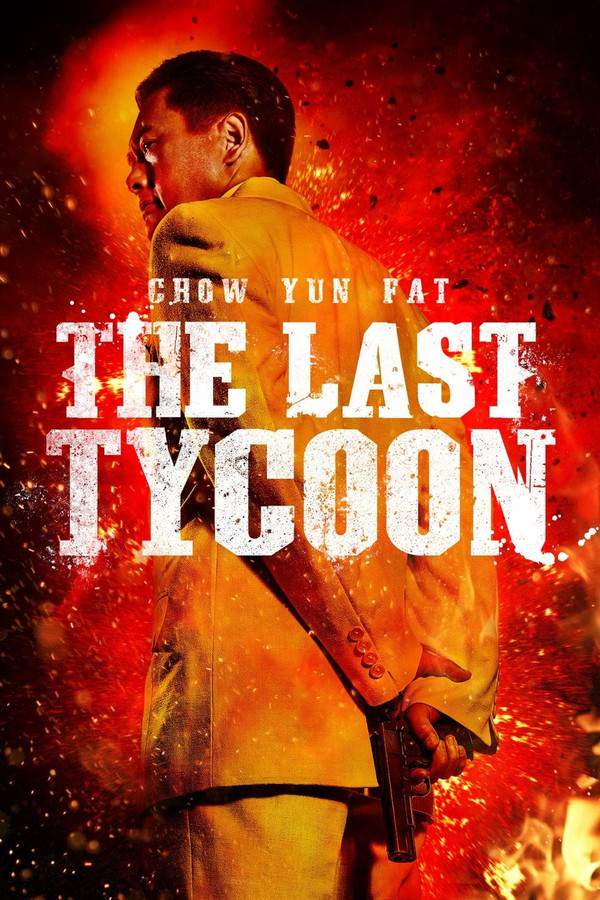
The Last Tycoon 1976

Directed by

Elia Kazan
Made by

Paramount Pictures
Where to Watch The Last Tycoon
See current US streaming, rental, and purchase options for The Last Tycoon (1976) via JustWatch.









The Last Tycoon Plot Summary
Read the complete plot summary and ending explained for The Last Tycoon (1976). From turning points to emotional moments, uncover what really happened and why it matters.
Monroe Stahr is the young production chief and one of the most creative executives at a major studio during the Golden Age of Hollywood. His talent and ambition put him in the crosshairs of Pat Brady, an older producer who craves public recognition as much as success. From a distance, Stahr oversees the film’s progress while watching Didi, an older actress, clash with director Red Ridingwood. As Stahr critiques the dailies, an earthquake strikes, rupturing a water pipe inside the water tower and flooding a nearby set. In the chaos, he notices two women clinging to the head of a statue; one of them is Kathleen Moore. He returns to his mansion and asks his secretary to identify the women.
Back at the studio, Stahr is greeted by Cecilia Brady, Pat’s college-aged daughter. After Cecilia leaves, Stahr confides his support for Rodriguez, an actor who is in the midst of separating from his wife. Later that day, he attends a studio luncheon where the board discusses a potential writers’ strike and the studio’s profitability. He plans to meet Kathleen later that night, and he consoles Didi in her dressing room.
As Stahr leaves the studio, he meets Edna, an aspiring actress, though she isn’t the girl he hoped to see. Edna asks to be dropped off at her Westwood home, where Stahr meets Kathleen, an Anglo-Irish aspiring actress. The next day, Stahr consults with George Boxley, an English novelist under contract to the studio who believes movies are beneath him. To inspire Boxley, Stahr tells an impromptu story in which a woman enters a room and empties her purse onto a table. Boxley asks about the unresolved element—the nickel spilled from the purse—and Stahr explains that the nickel is for the movies.
At a screenwriters’ dinner party, Stahr unexpectedly sees Kathleen again and dances with her. Kathleen leaves, but they agree to see each other the following morning. They walk around the construction site of Stahr’s unfinished beachfront house, return to the beach that night, and, as they share intimate moments, Kathleen realizes she resembles Minna Davis, Stahr’s deceased wife. After he brings her home, he discovers that Kathleen has mailed a letter saying she is engaged to another man.
At the studio, Stahr confronts Boxley and has him escorted off the lot. Despite Kathleen’s note urging him not to see her, she and Stahr return to the beach, where she declares her intention to marry an engineer who saved her life. Back in the projection room, Stahr is unhappy with a newly filmed scene between Didi and Rodriguez and rewrites it after learning that Boxley has died by suicide. Didi’s new film premieres, and Stahr receives a telegram from Kathleen stating that she is marrying at noon.
Meanwhile, Cecilia arranges a meeting between Stahr and Brimmer, a communist labor organizer hoping to unionize Hollywood screenwriters. Stahr disagrees with the idea of unionization, arguing that they can share money but not power. During dinner, Stahr drinks heavily as Brimmer and Cecilia flirt. They return to Cecilia’s place, where Stahr and Brimmer engage in a tense, revealing game of ping-pong. Brimmer knocks Stahr out, and Cecilia cares for him through the night.
The next morning, Brady informs Stahr that an emergency meeting has been called. Stahr arrives with a bruised eye and learns from the New York office that he has been relieved from further labor negotiations and should take a vacation. He returns to his office, but memories flood back of Kathleen as the girl in the story he told Boxley, with the nickel slipping from her purse. As Brady and the studio executives drive away, Stahr walks alone into a dark, silent sound stage, a man left to contend with the weight of his ambitions and the ghosts of a world that is changing around him.
The Last Tycoon Timeline
Follow the complete movie timeline of The Last Tycoon (1976) with every major event in chronological order. Great for understanding complex plots and story progression.
Earthquake floods the water tower during a shoot
An earthquake shakes the studio during a production, triggering a burst water pipe in the water tower and flooding a nearby set. The chaos disrupts filming as crews scramble and monitors flicker with the emergency. In the confusion, Stahr glimpses two women clinging to the head of a statue, one of them Kathleen Moore.
Stahr returns to his mansion and seeks the women
Stahr goes back to his mansion after the flood and has his secretary identify the two women he saw in the quake. The moment underscores how his private life is spilling into the public, studio world. He keeps the incident to himself as he tries to maintain his control.
Cecilia Brady greets Stahr and discusses Rodriguez
In the studio office, Cecilia Brady greets Stahr and hints at the power dynamics inside Hollywood. He confides his support for Rodríguez, the actor who is in the middle of a separation from his wife. The conversation reveals Stahr's willingness to back troubled talents despite studio politics.
Studio luncheon on writers' strike and profitability
A studio luncheon brings the board into focus on a potential writers' strike and the studio's profitability. The discussion is practical and tense as executives weigh risks against prestige. Stahr navigates the corporate chessboard while keeping his eye on his projects.
Stahr plans to meet Kathleen and consoles Didi
Stahr arranges to meet Kathleen later that night and consoles Didi in her dressing room. The scenes highlight his divided loyalties between personal attachments and professional ambitions. He struggles to balance work with the pull of romance.
Edna drops off and Kathleen appears at Westwood
As Stahr leaves the studio, he meets Edna, an aspiring actress who asks to be dropped off at her Westwood home. There, he encounters Kathleen again, an Anglo-Irish actress who captivates him. The encounter deepens the entanglement between his career and his romance.
Boxley story and the nickel for the movies
The next day, Stahr consults with George Boxley, an English novelist on contract, to spark his imagination. He tells an impromptu story about a woman entering a room and spilling the contents of her purse on a table. When Boxley asks about the nickel spilled from the purse, Stahr explains that the nickel is for the movies.
Screenwriters' dinner; dance with Kathleen
At a screenwriters' dinner party, Stahr unexpectedly sees Kathleen again and dances with her. Kathleen leaves soon after, but they agree to meet each other the following morning. The moment rekindles romance amid the backdrop of Hollywood's machine.
Beach walk, night passion, and Kathleen's engagement letter
They walk around the site of Stahr's unfinished beachfront house and later return to the beach for a night of passion. Kathleen realizes she resembles Minna Davis, adding a weighty personal layer to their affair. Afterward, she mails him a letter saying she is engaged to another man.
Stahr confronts Boxley and is escorted off the lot
Back in the studio, Stahr confronts Boxley and has him escorted off the lot, signaling a deepening rift between the two men. Kathleen's note urging him not to see her complicates matters further, revealing the stakes of their relationship. The studio atmosphere grows increasingly unstable.
Boxley dies; Stahr rewrites the scene
Stahr learns that Boxley has died by suicide, which intensifies the studio turmoil and prompts a rewrite of a key scene in the film. Didi's new film premieres amid the upheaval, but Stahr's mind remains on the personal loss. The tragedy pushes him further from happiness with Kathleen.
Kathleen says she is marrying at noon
Stahr receives a telegram from Kathleen informing him that she is marrying at noon. The message lands amid production pressures and his personal heartbreak. The note cements the distance between them and foreshadows the end of their affair.
Cecilia and Brimmer; brutal ping-pong and aftermath
Cecilia Brady arranges a meeting between Stahr and Brimmer, a communist labor organizer. The dinner devolves into a tense game of political posturing, with Brimmer and Cecilia flirting and Stahr becoming increasingly combative. Brimmer knocks Stahr out in a brutal ping-pong exchange, and Cecilia does what she can to help him recover.
Brady's emergency meeting and Stahr's resignation to a silent future
Brady informs Stahr that an emergency meeting has been called and that he is relieved from further labor negotiations, with a vacation suggested. Stahr arrives at his office with a bruised eye, haunted by memories of Kathleen, and then walks into a dark, silent sound stage. The ending leaves his future unresolved as the studio world goes on around him.
The Last Tycoon Characters
Explore all characters from The Last Tycoon (1976). Get detailed profiles with their roles, arcs, and key relationships explained.
Monroe Stahr (Robert De Niro)
A brilliant, young production chief whose creative energy drives major studio projects. He commands the production slate with relentless focus, yet is haunted by personal losses and a longing for control. His charm masks a relentless ambition that edges toward arrogance.
Kathleen Moore (Jeanne Moreau)
An aspiring Anglo-Irish actress whose presence mirrors Stahr's late wife. She becomes a focal point of his longing and a catalyst for his personal choices. Her engagement to another man complicates their liaison and underscores the costs of pursuit.
Cecilia Brady
Pat Brady's college-aged daughter who navigates studio social circles and becomes entangled in the power dynamics around Stahr. Her interactions reveal a mix of loyalty, flirtation, and strategic influence.
Brimmer
A hard-edged labor organizer whose push to unionize Hollywood screenwriters creates conflict with the studio's leadership. He embodies both idealism and aggression within the labor politics of the era.
Pat Brady
An older movie producer who wields influence inside the studio and navigates the financial and political pressures of keeping productions afloat. He becomes a checkpoint for Stahr's authority and the board's direction.
The Last Tycoon Settings
Learn where and when The Last Tycoon (1976) takes place. Explore the film’s settings, era, and how they shape the narrative.
Time period
Golden Age of Hollywood (1930s-1940s)
The narrative sits squarely in the classic studio system era, when power rested with the big studios and productions moved at a brisk pace. Tensions surface around potential writers' strikes and labor dynamics, reflecting the era's balance between glamour and control. The period blends opulence with intense professional ambition and personal longing.
Location
Hollywood, Los Angeles, Westwood
The story unfolds on the Hollywood studio lot during the Golden Age, centered around the production environment and backlots. Key settings include the studio office, the water tower where a flood disrupts a set, and a beachfront house under construction that anchors romantic and creative tensions. Westwood also serves as a backdrop for the actors and executives who orbit the studio world.
The Last Tycoon Themes
Discover the main themes in The Last Tycoon (1976). Analyze the deeper meanings, emotional layers, and social commentary behind the film.
👑
Power
Stahr's ascent and his grip on film production illustrate the studio system's centralized authority. The plot contrasts his creative drive with boardroom control and the looming question of who ultimately wields influence. The tension between artistic vision and corporate interests drives both success and risk.
💘
Love
Romantic attachments shape Stahr's decisions, notably his attraction to Kathleen and the shadow of his deceased wife. Personal longing intersects with professional risk, influencing which projects are pursued. These relationships reveal vulnerability beneath a confident exterior.
🎭
Illusion vs Reality
Behind the film reels lies an image crafted to control perception, contrasting with underlying insecurities and ambition. The act of rewriting scenes and narrating stories to Boxley exposes how productions are shaped by manipulation as much as by talent. The boundary between cinema as art and cinema as business is repeatedly tested.

Coming soon on iOS and Android
The Plot Explained Mobile App
From blockbusters to hidden gems — dive into movie stories anytime, anywhere. Save your favorites, discover plots faster, and never miss a twist again.
Sign up to be the first to know when we launch. Your email stays private — always.
Explore the mobile appThe Last Tycoon Spoiler-Free Summary
Discover the spoiler-free summary of The Last Tycoon (1976). Get a concise overview without any spoilers.
In the glittering yet cut‑throat world of 1930s Hollywood, the studio system looms like a grand, humming machine—glamorous facades masking relentless pressure, whispered negotiations, and the ever‑present clash between art and profit. The atmosphere crackles with the optimism of the Golden Age, even as shadows of change and uncertainty gather at the edges of sound stages and back‑lot alleys.
Monroe Stahr is the film’s central figure, a young production chief whose sharp eye and boundless imagination have already made him one of the studio’s most promising architects of cinema. Driven by a restless ambition to craft stories that matter, he navigates a landscape crowded with powerful personalities, from seasoned veterans to rising talents, each pulling him in different directions. His talent for spotting brilliance is matched only by his struggle to reconcile personal desire with the demands of a business that values box‑office returns as much as creative integrity.
Around him swirl a cast of compelling figures: Pat Brady, an older producer whose hunger for recognition collides with Stahr’s vision; Cecilia Brady, Pat’s bright‑eyed daughter whose presence hints at both familial expectation and fresh perspective; Kathleen Moore, an Anglo‑Irish actress whose magnetism complicates Stahr’s already tangled emotional life; George Boxley, a literary mind wrestling with the notion that cinema might be beneath his art; and Brimmer, a labor organizer whose ideals challenge the studio’s power structures. These relationships hint at forbidden romances, ideological confrontations, and the delicate dance of loyalty and ambition.
The tone remains lush and introspective, inviting the viewer into a world where every polished surface conceals a deeper current of yearning, competition, and impending transformation. As the studio’s glittering façade shimmers under the studio lights, Monroe Stahr finds himself poised on the brink of choices that could define his legacy—or unravel it—leaving the audience curious about how the delicate balance of dreams, power, and personal cost will play out.
Movies with Similar Twists and Themes
Uncover films that echo the narrative beats, emotional arcs, or dramatic twists of the one you're exploring. These recommendations are handpicked based on story depth, thematic resonance, and spoiler-worthy moments — perfect for fans who crave more of the same intrigue.


Featured on this page

What's After the Movie?
Not sure whether to stay after the credits? Find out!
Check out our other apps:

SAT Sphere
Build confidence for the Digital SAT.

Mori Atlas
Discover wild places worth protecting.

Luntero
Search smarter for a home in Amsterdam.

Plot Explained
Unravel movie endings and hidden clues.

Pokechamp
Dive into Pokémon data and battle logic.

Driving Theory
Get ready for your European theory test.

Movie Dust
Plan your next cinema trip with ease.

Musemap
Find art and culture as you travel.

Selkobase
Compare credentials before committing.

Local Manual
Turn an unfamiliar country into practical next steps.

Lernavi
Compare school systems before your next move.

GymRoam
Find a workout stop wherever your plans take you.
Explore Our Movie Platform
New Movie Releases (2026)
Famous Movie Actors
Top Film Production Studios
Movie Plot Summaries & Endings
Major Movie Awards & Winners
Best Concert Films & Music Documentaries
Movie Collections and Curated Lists
© 2026 What's After the Movie. All rights reserved.
Privacy Policy